

The ad finds you on a sore evening, when your back feels locked and your patience is already thin. A slim silver pen glows on screen, promising needle-free meridian relief you can finish before dinner without booking another appointment.
Checkout looks polished, the discount looks urgent, and the testimonials sound like neighbors who finally found something that works after years of creams and stretching. The harder question is what kind of device you are actually buying, and what the storefront quietly reveals after your card clears.
Overview
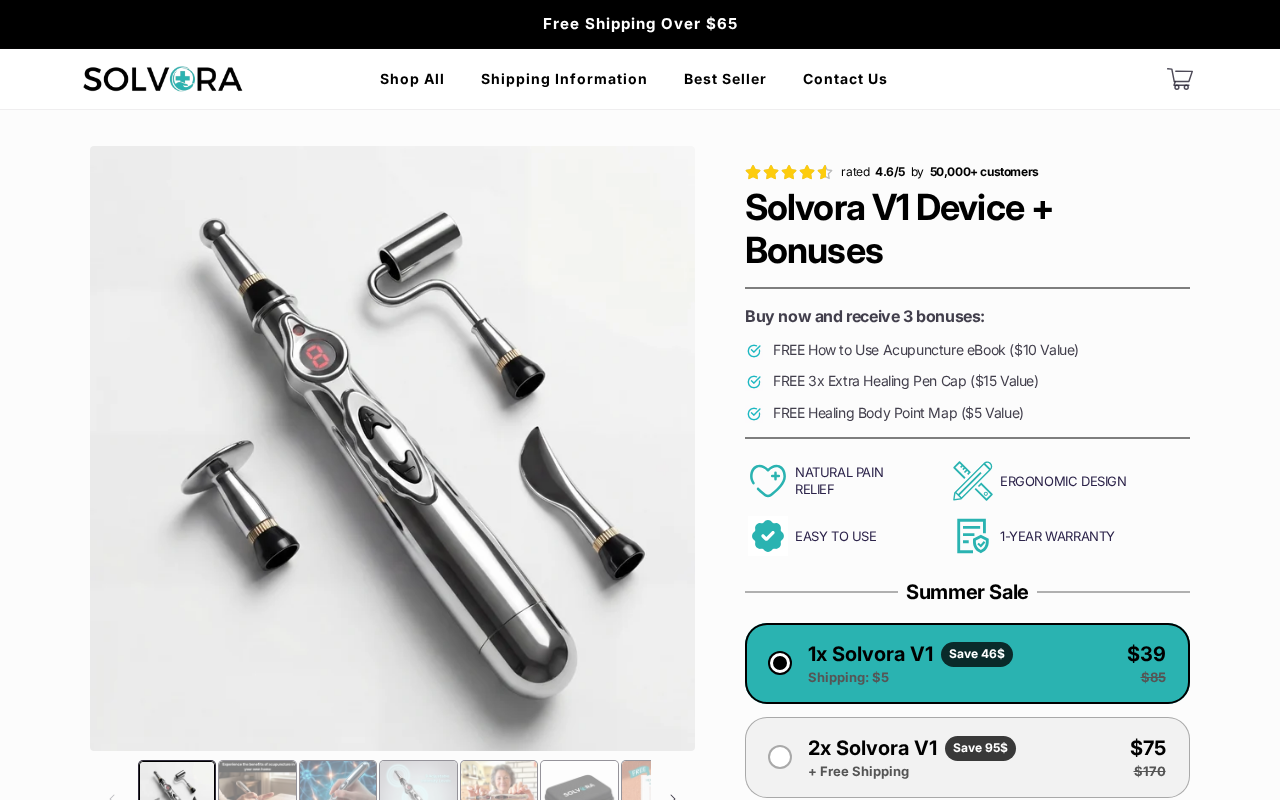
The Solvora V1 Device is sold on solvoraus.com as a battery-powered acupuncture pen for everyday tension, joint discomfort, and full-body comfort routines. The storefront frames it as natural pain relief with ergonomic design, nine intensity levels, interchangeable heads, and a one-year warranty pitch beside summer-sale pricing near $39 after a crossed-out $85 comparison.
Mechanically, the offer is a portable electro-acupuncture or meridian pen. That category usually means a compact handheld stimulator that sends adjustable electrical pulses through conductive tips, which is the same basic idea behind many inexpensive TENS-style point pens sold across wholesale marketplaces for a fraction of the branded retail story.
The sales copy stretches far beyond that plain description. Product text talks about controlled pulses interacting with the body natural signals, supporting balance, improving circulation, releasing built-up tension, and helping recovery without needles. Broader claims on the page also lean into arthritis, sciatica, sports injuries, plantar fasciitis, stress, anxiety, and firmer skin language that sounds closer to a clinic brochure than a battery gadget in a zip case.
Social proof is stacked hard when the product hero cites a 4.6 rating from 50,000-plus customers, while the review widget area has also displayed overall scores around 4.4 from more than a thousand on-site reviews. Separate Loox store feedback for Solvora is far more mixed, with buyers describing useful tingling relief beside reports of units that never arrived, broke quickly, felt cheap, or delivered more pulse into the hand than into the sore spot.
Fulfillment messaging adds another tension. Shoppers can see a Ships From Texas cue on the product experience, yet the Shopify storefront is configured with country code SI for Slovenia, and return routing has been published toward Ljubljanska cesta 4, 1292 Ig. That combination matters because a Texas shipping badge sets local expectations while an Ig return address makes an unhappy purchase slower and more expensive to reverse.
None of that automatically proves the package will never ship. It does mean the marketing story, the hardware category, and the merchant geography are not the same thing. Readers comparing this pattern with other electro-pens should also see the earlier Xeviola Tinnito Pen review, which follows a similar branded-pen funnel around a generic stimulator form factor aimed at a different symptom.
The meridian story wraps a portable TENS pen
Strip away the meridian vocabulary and the Solvora V1 is a small consumer stimulator with a digital intensity display, screw-on tips, a carrying case, and optional conductive gel for better contact on dry skin. Sessions are described as five to ten minutes per area, with direct-contact mode for pinpoint spots and a gliding mode for larger muscles after gel is applied.
That can feel interesting on skin. A tingling pulse is real sensory feedback, and some people enjoy temporary distraction from stiffness after desk work or a long drive home. Temporary sensation is not the same as clinical acupuncture, supervised physical therapy, or a regulated pain program tailored to a diagnosed condition by a licensed clinician.
The page also softens medical caution in one place and hardens it in another. FAQ copy says the device is designed for regular use and can complement other routines in most cases, then separately warns against use with a pacemaker or other implanted electronic devices and tells those customers to ask a doctor first. Anyone with an implant should treat that warning as non-negotiable rather than decorative fine print beneath the add-to-cart button.
Discount theater and bonus value inflate the cart
Sale modules show one unit near $39 with shipping around $5, and a two-pack near $75 with free shipping, each paired with large save badges against doubled list prices. Bonus copy adds a how-to ebook, extra caps or attachment heads, and a body-point map, totaling about $30 in claimed free value that arrives mainly as paper, plastic tips, and a PDF-style guide.
Discount theater is common in direct-to-consumer wellness funnels. A high anchor price makes the live figure feel like a rescue, while free digital maps and tip packs make the cart feel fuller than a bare plastic pen with a battery slot. The useful shopper question is whether the delivered hardware matches the medical-sounding story enough to justify the charge and the return logistics behind it.
Reviews split between tingling relief and delivery failure
Positive shoppers describe gentle pulsing on shoulders, wrists, knees, or lower backs, plus the convenience of a small tool kept near the couch. Critical shoppers describe fragile plastic seams, missing parts, power behavior that feels unfinished, shocks through the handle, and customer-service threads that move slowly while return checks drag across multiple emails.
Independent Loox store reviews amplify that split, with some people saying the pen arrived and felt helpful for short sessions. Others report never receiving the order after weeks, devices that stopped within minutes, packaging that looked cheap, or support that did not resolve refunds after repeated contact. A mixed review cloud is not rare for impulse gadgets, yet it is a poor match for the 50,000-customer certainty language sitting beside the yellow stars.
That gap is the heart of the offer, because the ad sells effortless natural recovery while the hardware remains a portable stimulator and the merchant details sit farther from Texas than the product module implies. Shoppers who understand those three layers make clearer decisions than shoppers who only see the summer-sale badge.
How These Ads Work
Electro-pen ads follow a repeatable persuasion path that is easy to miss while your shoulder is screaming. Understanding the steps makes the Solvora pitch easier to evaluate before another countdown pushes you into checkout with a half-read policy page.
1. A pain-point ad arrives when you already hurt
Sponsored posts and short videos target arthritis flare-ups, sciatica stories, desk-neck stiffness, carpal tunnel worry, and post-workout soreness with clinical-looking overlays. The creative usually shows a compact pen touching a highlighted body map while soft music and before-after captions imply fast personal control over chronic discomfort that has already ruined sleep.
That timing is the first lever. When discomfort is loud, a neat gadget feels more rational than another appointment wait, especially if the ad says results can appear within minutes and no needles are required for the ritual.
2. Meridian language upgrades a basic stimulator
Once you land on the product page, the hardware is wrapped in acupuncture and meridian vocabulary that sounds older and wiser than a plastic housing. Direct contact mode, gliding mode, body-point maps, and healing-cap bonuses make the pulses sound like traditional point work instead of a small consumer current device with numbered intensity steps.
The practical category remains a portable TENS-style pen. Electrical stimulation can create temporary sensory change for some users, yet branded meridian storytelling can make a commodity form factor feel like a proprietary therapy system invented for this exact storefront.
3. Authority cues and volume ratings lower your guard
Star rows, 50,000-plus customer claims, verified-buyer labels, warranty icons, and natural-relief badges sit above the fold so the offer feels already proven before you scroll. Long testimonial blocks describe surgery avoidance, daily desk recovery, and partners who each needed their own unit after sharing one pen for a week.
Those signals are persuasive packaging, not independent clinical evidence for arthritis, sciatica, or nerve diagnoses that deserve proper assessment. A shopper still needs to separate a tingling demo from a treatment claim that would require far stronger proof than lifestyle photography and stacked five-star quotes.
4. Scarcity pricing makes the cart feel time-sensitive
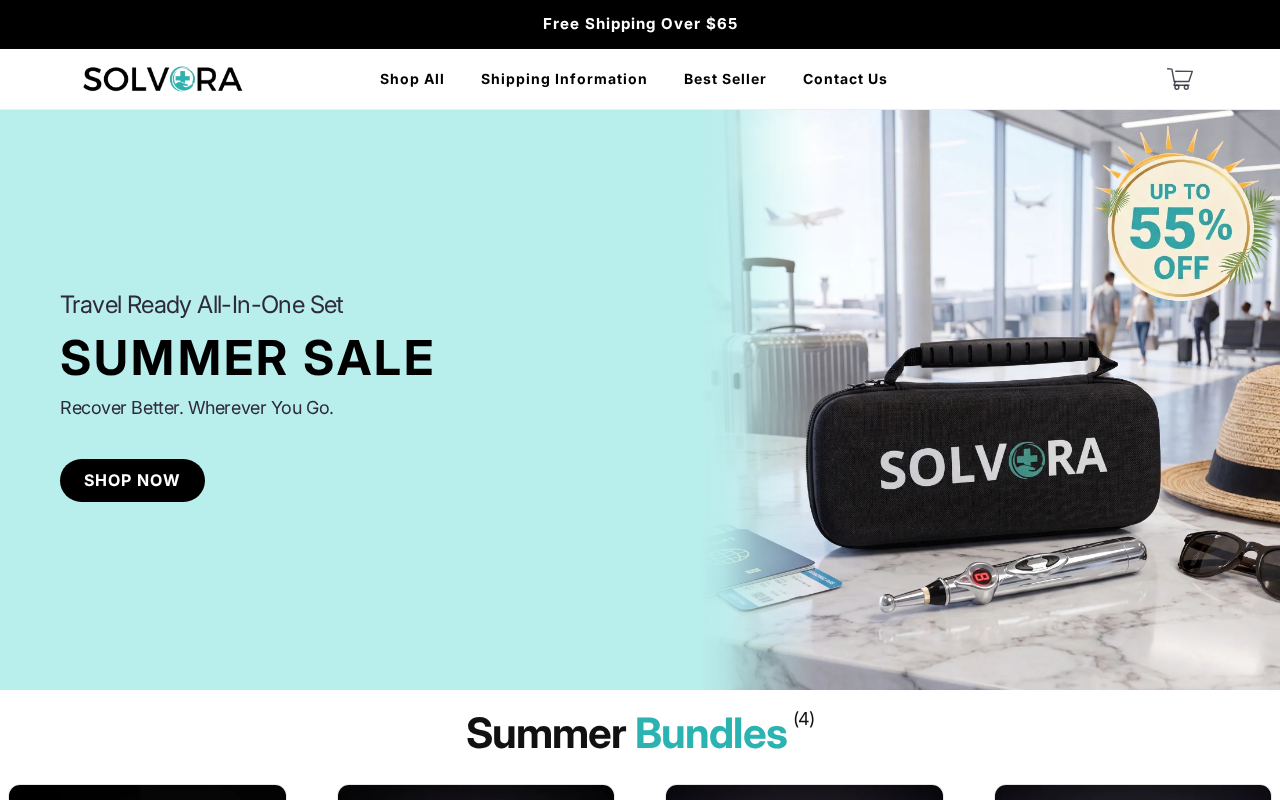
Summer-sale modules, large markdowns from $85, multi-buy savings, and free-bonus stacks create urgency around a relatively modest checkout total. Free shipping thresholds and arrive-by countdowns keep attention on speed instead of merchant location, return postage, or whether the crossed-out price ever reflected a stable street value.
When the live price looks like a one-day rescue from a much higher number, fewer people pause long enough to compare the branded narrative with other electro-pens sold under different names for the same basic pulse trick.
5. Local shipping cues clash with overseas merchant details
A Ships From Texas line reassures buyers who fear long international waits and complicated customs. At the same time, the storefront Shopify configuration uses Slovenia as the shop country, and return instructions have directed packages to Ljubljanska cesta 4, 1292 Ig when a return is accepted.
That mismatch is central to how these ads work. The emotional story feels domestic and simple, while the reverse logistics can become an international errand if the pen disappoints, arrives incomplete, or fails early after the first evening session.
6. Refund promises sit beside hard cancellation rules
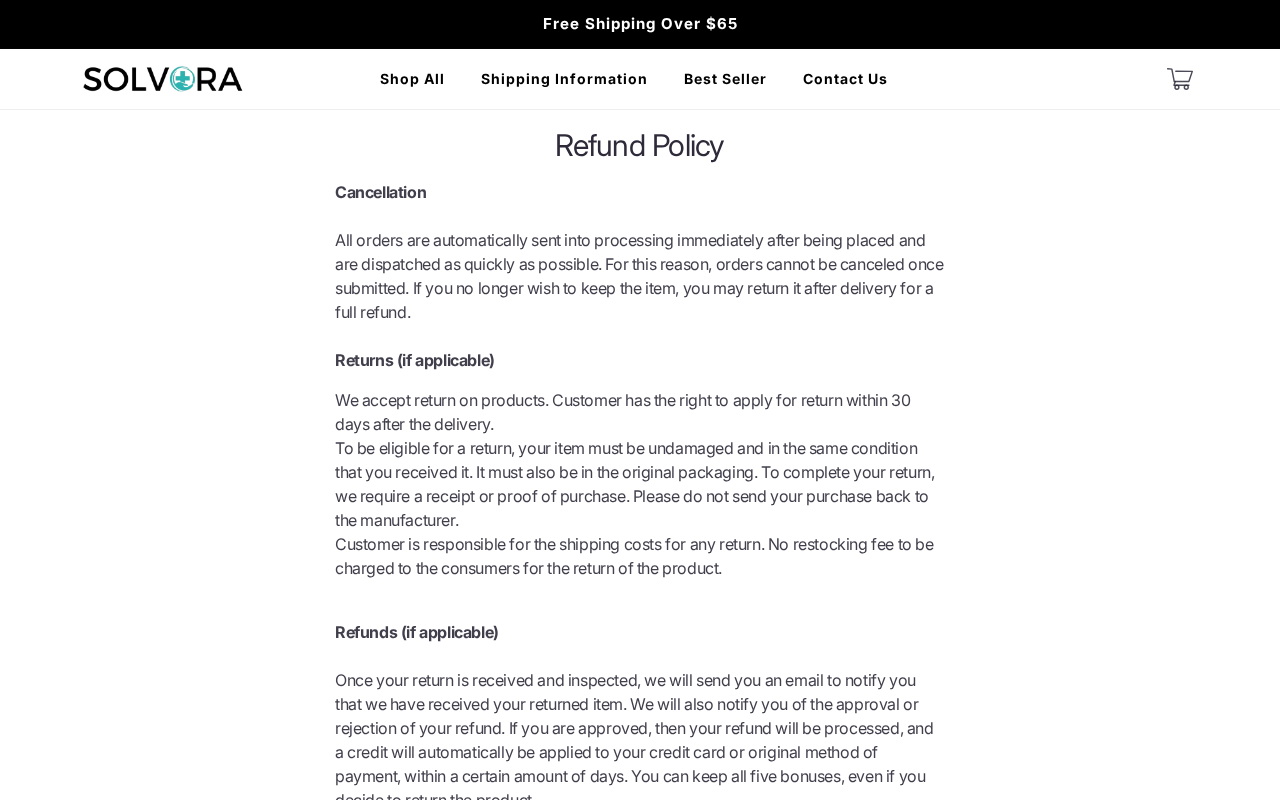
Policy pages advertise a 30-day money-back style guarantee while also saying orders enter processing right away and cannot be cancelled once submitted. Returns generally require unused condition, original packaging, proof of purchase, and customer-paid return shipping in the published rules that shoppers meet only after the excitement of checkout fades.
Buyer complaints about delayed refunds, verification waits, and missing parcels show how a guarantee can sound risk-free in the ad while still demanding time, postage, and persistence after payment. The promise helps close the sale; the process decides whether the promise feels real when something goes wrong.
7. The same electro-pen pattern rotates across brand names
Wholesale catalogs have offered lookalike meridian and electro-acupuncture pens for years at commodity prices with interchangeable metal tips. Direct-response brands then wrap one of those shapes in a fresh logo, a wellness story, and a high-converting Shopify theme aimed at one painful keyword cluster.
That is why the Solvora funnel feels familiar beside the Xeviola tinnitus-pen pattern. Different symptom, similar object class, similar reassurance stack, and similar risk that the branded narrative outruns the cheap stimulator underneath the summer-sale photography.
What To Do If You Already Ordered the Solvora V1
If the package is already paid for, slow down and document everything before you argue by phone or throw the box away. Calm records help more than angry one-line emails when shipping, quality, or refund timing goes sideways after a glowing product page made the purchase feel obvious.
1. Save the ad, checkout total, and confirmation emails
Screenshot the product price you were shown, the Ships From Texas or delivery estimate, the bonus list, and your order confirmation while those pages still load. Keep the merchant email thread in one folder so dates, order numbers, and promised timelines stay easy to prove later during a bank dispute.
2. Watch the charge on your statement
Confirm the billed descriptor, amount, and date match what you authorized at checkout. If a second charge appears, or the amount differs from the cart total you saved, note it immediately and contact your bank while the transaction is still fresh enough to challenge cleanly.
3. Photograph the unboxing if a parcel arrives
Take clear photos of the outer label, inner packaging, pen body, attachments, and any damage or missing parts before heavy use begins. If the unit splits along a seam, fails within minutes, or shocks through the handle, those images support a quality complaint better than memory alone after a frustrating week.
4. Read the pacemaker and implant warnings before any use
Do not experiment with electrical stimulation if you have a pacemaker, defibrillator, or another implanted electronic device, even on a low setting. The merchant FAQ itself advises against that use and tells customers to consult a doctor, which is the safer path even if an ad made the pen sound universally gentle and natural.
5. Contact support in writing with a clear request
Email the order number, the problem, and the remedy you want, whether that is a replacement, refund, or shipment trace with carrier details. Ask for a written timeline and keep every reply in the same thread. If the package never arrived, say so plainly and include tracking screenshots showing the last scan.
6. Price the return before you ship anything overseas
Published return rules place return postage on the customer and point fulfillment disputes toward an Ig, Slovenia route at Ljubljanska cesta 4, 1292 Ig. Compare postage and customs friction against the $39-class purchase before you mail a lightweight pen across borders, especially if support still has not confirmed acceptance in writing.
7. Set a deadline, then escalate to your payment provider
If support stalls, the item never ships, or a refund remains unresolved past the merchant own stated windows, open a dispute with your card issuer or PayPal while evidence is complete. Banks work on strict deadlines, so waiting politely for endless verification emails can quietly expire your options while the charge ages out of easy recovery.
8. Report misleading ads and leave a factual review
Use the platform where you saw the ad to report exaggerated medical claims or delivery misrepresentation that does not match the package experience. A factual review that sticks to dates, product condition, and support responses helps the next shopper more than insults, and it keeps your own record consistent if a dispute continues.
9. Treat serious pain as a medical issue, not a cart item
Persistent arthritis, sciatica, neuropathy, or unexplained nerve symptoms deserve evaluation from a qualified clinician rather than another branded pen from a social feed. A consumer electro-pen can be a temporary comfort gadget for some people, yet it should not delay diagnosis, physical therapy, or prescribed care when symptoms keep returning week after week.
10. Ignore recovery helpers who message you after a complaint
After public complaints, opportunistic strangers sometimes offer refund recovery for an upfront fee or remote access to your computer under the guise of speeding a chargeback. Hang up on those pitches immediately. Your bank, card network, and official consumer channels are the legitimate escalation paths when a wellness gadget purchase goes wrong.
The Bottom Line
The Solvora V1 is best understood as a branded portable electro-acupuncture pen, which means a compact TENS-style stimulator sold with meridian storytelling, steep discount graphics, and high-volume social proof. Some buyers like the tingling routine enough to keep the pen nearby. Others report non-delivery, early breakage, weak effect, or refund friction that clashes with the effortless relief sold in the ad.
Before you buy, weigh the medical-sounding claims against the commodity hardware class, read the pacemaker warning carefully, and notice the gap between a Texas shipping cue and a Slovenia-configured Shopify shop with Ig return routing. If you already paid, document the order, avoid unsafe use, and escalate on a clock rather than waiting endlessly for a polished guarantee to sort itself out.
For another branded electro-pen using the same persuasion pattern around a different symptom, compare the Xeviola Tinnito Pen investigation and keep the mechanism in mind whenever the next meridian gadget appears in your feed with a countdown and a glowing tip.

Join the discussion
0 commentsShare your experience or ask a question about this article.
Discussion
Start the conversation
Have a question or something useful to share? Add the first comment.