

The ad does not open with a pharmacy counter or a clinic waiting room. It opens with a quiet promise that feels private enough to click: deep pain relief, better circulation, and male firmness support from a device you can use at home in fifteen minutes, with no needles and no appointment on the calendar.
That promise is why so many men pause mid-scroll. Real extracorporeal shock wave therapy shows up in sports clinics and urology practices as a supervised treatment, so the words “acoustic shock wave” land with borrowed authority even when the object on the cart is something much smaller, cheaper, and less capable than the therapy people think they just bought.
Overview
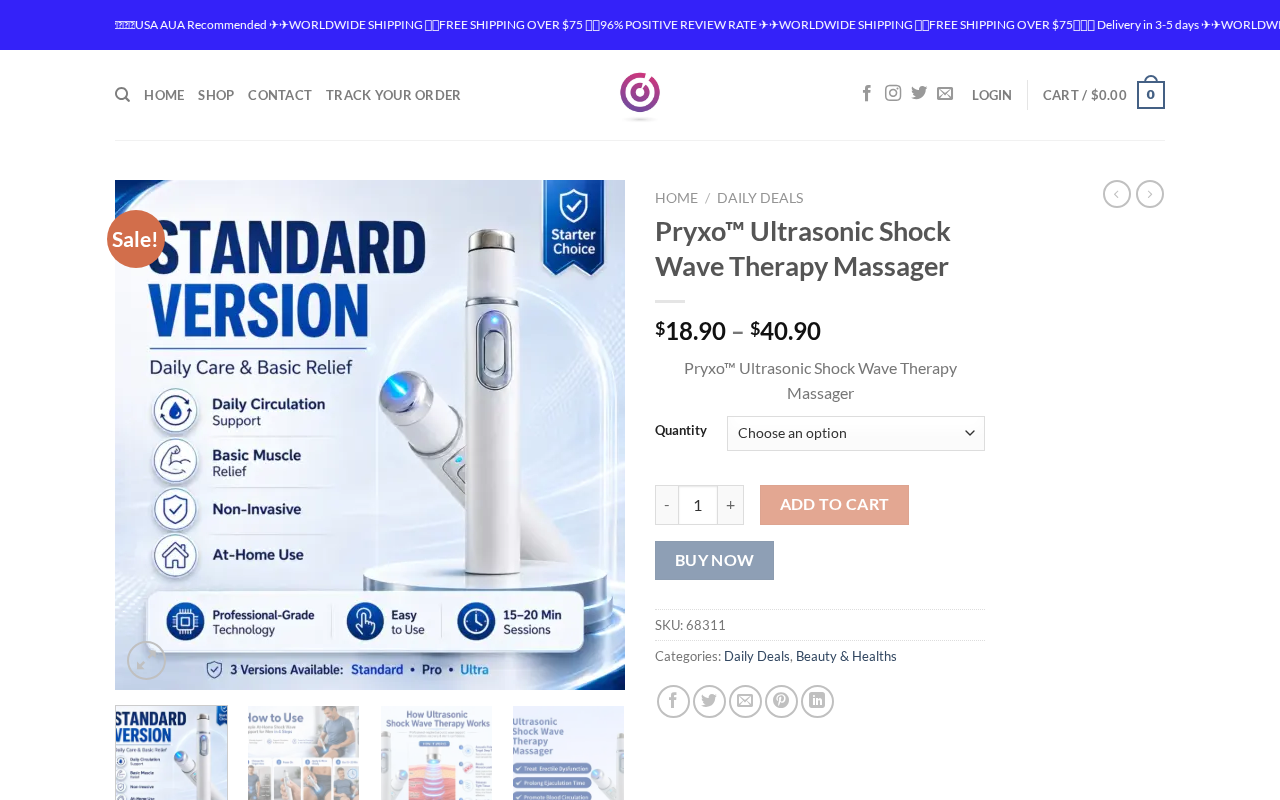
This story is about overhyped consumer hardware wrapped in clinical language, not about an empty checkout that never ships a box. Stores like the Pryxo™ wrap still take payment, still talk about shipping windows, and still send a pen-shaped gadget that lights up when you press a button. The trap is what the ads claim that gadget can do, and what buyers reasonably expect when they hear “shock wave therapy” next to erectile performance and deep tissue recovery.
Clinic words on a beauty-tool body
Professional shockwave systems used for musculoskeletal care or studied for erectile dysfunction are large, calibrated, and operated under protocols that look nothing like a battery pen from a daily-deals grid. The consumer listing you meet in social ads borrows the vocabulary of those systems, then pairs it with energy numbers, pulse-lifespan claims, and “medical-grade” phrasing that sound precise until you ask what regulator cleared the specific use for male firmness at home.
Hands-on footage of the same form factor, including a widely shared clip on YouTube under the id vppawKXcKzE, shows an AA-powered blue LED pen with no acoustic shockwave applicator of the kind clinics use. Wholesale catalogs list nearly identical pens as ultrasonic galvanic blue-light acne and beauty wands, which is a different product category from extracorporeal shock wave therapy even when marketers mash the labels together.
What the pitch quietly takes from you
The money loss sits in a familiar band of roughly $18.90 to $40.90 depending on Standard, Pro, or Ultra packaging and multi-pack options, which is low enough to feel like a harmless experiment and high enough to stack when ads retarget the same curiosity for weeks. More costly than the cart total is the delay: men who are already worried about firmness or stamina can spend months chasing LED pens and “at-home shockwave” kits instead of talking with a clinician about vascular, hormonal, medication, or psychological causes that actually respond to evidence-based care.
That delay is the part these ads never put in the hero banner. The page talks about rebuilding confidence in fifteen to twenty minutes, private use, and drug-free sessions, while the harder truth is that erectile problems often need evaluation rather than another impulse device with an FDA-looking badge that is not the same thing as FDA clearance for treating ED.
Why the storefront still feels “real”
Shoppers who have read about classic fake shops look for missing contact pages and vanishing domains, then feel reassured when a branded store loads, shows a cart, and repeats shipping and refund copy. Those surface checks miss the modern pattern: a young storefront, mismatched corporate footer language, a review-rate claim that does not match an empty review tab, and product photography that sells a therapy brand while the hardware looks like a beauty wand you could source in bulk under another name.
Malwaretips has already mapped neighboring pitches in this lane, including the wider Pryxo store investigation, the Neuman Wave Therapy Pro review, the Mansculpt Wave Therapy Pro investigation, and coverage of fake Shark Tank men’s wave therapy ads. The shared mechanism is not always a non-delivery scam; more often it is a clinical story glued onto commodity hardware that still arrives in a parcel.
How These Ads Work
1. A private pain or performance worry meets a clinical-sounding feed ad
Paid placements lean on soft problems that people rarely announce out loud: lingering back tightness, old sports strain, cold extremities, weaker firmness, shorter stamina, or a sense that circulation is not what it used to be. The creative language mirrors clinic marketing closely enough that “acoustic shock wave” and “ultrasonic shock wave therapy” feel like a home version of something you might have heard a friend mention after physiotherapy or a urology consult.
Because the hook is intimate, the click feels low-risk and high-reward. You are not shopping for a random gadget in that moment. You are shopping for relief and confidence, which is exactly the emotional state where energy ratings, pulse counts, and “professional-inspired” phrasing do more persuasion than a careful look at what the tip of the device actually emits.
2. The landing page reframes a pen as three tiers of medical-grade power
Once you land, the story escalates from a simple massager into Standard, Pro, and Ultra versions with escalating millijoule-per-square-millimetre claims, pulse lifespan numbers, and copy about semi-focused waves, infrared add-ons, and pelvic-floor or prostate-area wellness. The page still shows a slim white pen with a glowing blue tip, yet the surrounding text talks as if you are choosing among clinic applicators rather than among marketing SKUs on a beauty-and-health deal page.
That mismatch is the engine, because If the ad only said “blue light beauty wand,” far fewer men shopping for erectile confidence would convert. The conversion depends on keeping the shockwave story in the foreground while the object in the photo quietly looks like a cosmetic LED pen.
3. Trust badges and review-rate banners do the heavy lifting
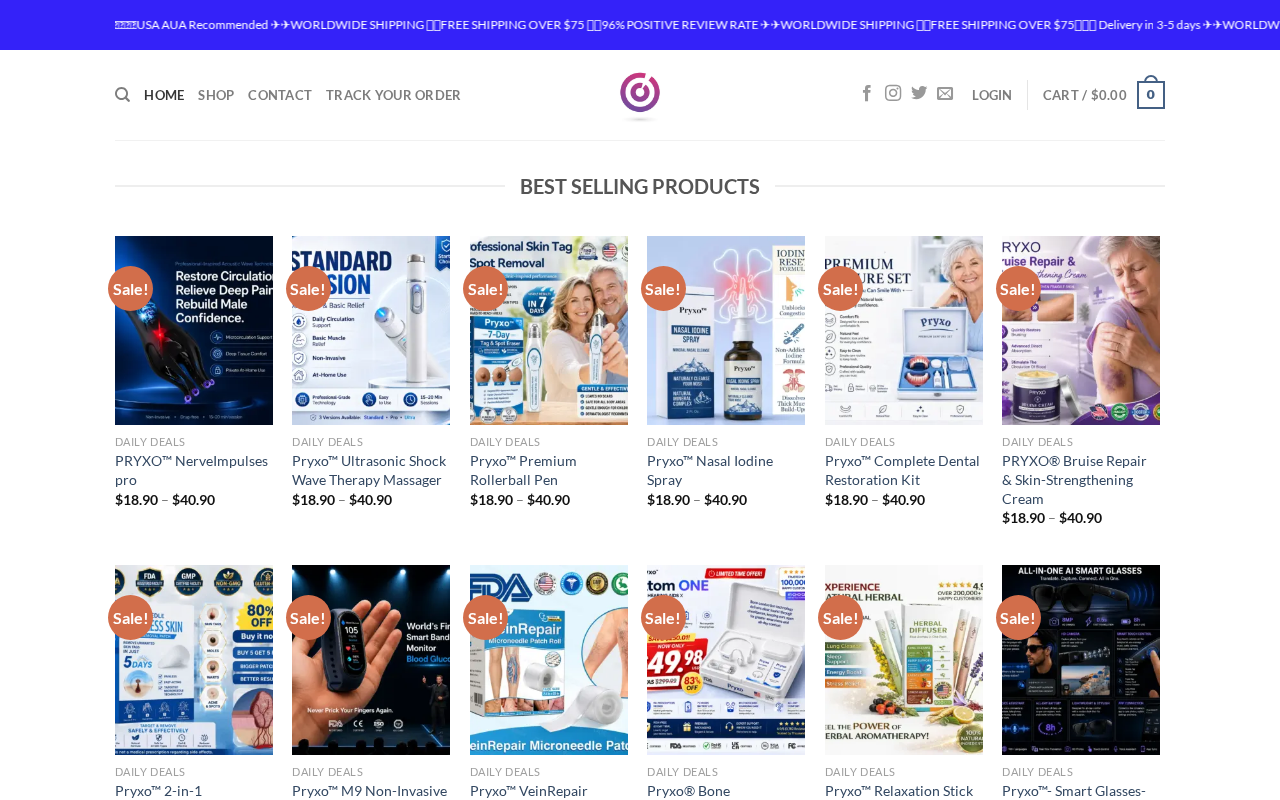
Above the fold you may see banners shouting worldwide shipping, delivery in a few days, and a strikingly high positive review rate, while the product itself still shows zero written reviews waiting for the first logged-in comment. That combination trains shoppers to treat marketing chrome as social proof even when the review system has nothing substantive to show.
Badge rows listing FDA registered facility language alongside CE, FCC, RoHS, ISO, and GMP logos are especially effective because they look like clearance for the advertised medical uses. Facility registration, component compliance marks, and marketing badges are not the same as FDA clearance or approval for treating erectile dysfunction, deep tendon injury, or scar-tissue remodeling at home, and the ads almost never slow down long enough to explain that distinction in plain English.
4. Male confidence copy sits beside ordinary muscle-pain claims
The same page that lists lower-back tension, tennis elbow, and post-workout soreness also sells firmer performance, better stamina, reduced over-sensitivity, and discreet intimate wellness. Bundling ED-adjacent promises with everyday pain copy widens the audience and gives hesitant buyers a less embarrassing reason to click “Buy now,” while still planting the idea that acoustic pulses will restore penile microcirculation the way clinic shockwave protocols are sometimes discussed in medical literature.
Real clinical shockwave protocols for erectile dysfunction, where studied at all, involve supervised sessions with devices and dosing that are not interchangeable with a consumer LED pen. Using the same English words does not transfer the evidence base, the safety monitoring, or the expected outcome onto a $20 daily-deal SKU.
5. A young domain and a mismatched house brand keep the wrapper disposable
One live wrapper for this pitch has used a domain registered around May 2026 and a footer that welcomes shoppers to Techeaks while the product brand stamped on the hero is Pryxo™, which is a classic sign that the storefront identity is assembled for conversion rather than for a long, coherent consumer relationship. When ads need a fresh coat of paint, operators can rotate brands, clone the same product block, and keep the underlying hardware story intact.
Mentioning a single example host once is enough for readers who want to recognize the pattern: pryxo.net is one storefront shape among several that sell overlapping “wave therapy” pens under different names. The lesson travels better than any disposable hostname, because the next ad may already be wearing a different logo while showing the same blue tip and the same millijoule ladder.
6. Wholesale twins reveal the beauty-wand origin story
Alibaba-style industrial listings for ultrasonic galvanic blue-light pimple and beauty pens describe photon LEDs, low-power ultrasonic vibration for skincare absorption, and acne-oriented blue light, which maps far more cleanly onto the physical object buyers unbox than onto extracorporeal shockwave generators. When a consumer store sells that silhouette as acoustic ED shockwave therapy, the marketing is doing work the hardware cannot honestly finish.
That is why unboxing videos matter more than the product page’s energy chart. If the device runs on AA cells, lights a blue tip, and offers no focused applicator head, pressure-wave generator, or clinician-style coupling, you are not looking at a miniaturized clinic tower. You are looking at a re-skinned beauty tool wearing sports-medicine vocabulary.
7. Checkout urgency finishes the sale before skepticism can catch up
Sale badges, multi-pack discounts, short shipping promises, and one-button buy flows are designed to collapse the research window. By the time a buyer wonders whether “FDA registered facility” equals treatment clearance, or whether a blue LED can deliver 0.38 mJ/mm² focused shockwaves, the order confirmation is already in the inbox and the ad account has already booked the conversion.
After payment, the experience often looks “successful” in the narrow sense that a parcel arrives. The disappointment arrives later, when the pen warms skin or glows without producing the deep acoustic thump people associate with real shockwave sessions, and when intimate performance does not change in the way the stamina copy implied.
8. The same hardware keeps returning under new men’s-health names
Because the underlying tool is cheap to source and easy to photograph, the creative can migrate from pain relief to prostate wellness to firmness support without redesigning the electronics. Readers who have followed Neuman-style and Mansculpt-style wave pens will recognize the remix: new brand mark, familiar clinical adjectives, same private-use angle, same pressure to treat a complex medical concern with a checkout button.
Fake Shark Tank style clips and AI endorsement wallpaper push the same lane even harder by borrowing entertainment authority the way badge rows borrow regulatory authority. The product does not need to be a non-shipping ghost store for the pitch to be misleading. It only needs the word shockwave to outrun the blue light.
What To Do If You Bought This Device
1. Separate the parcel you received from the therapy you were sold
Open the box with clear eyes and ask what the device can physically do in your hand. If it is a slim pen powered by ordinary batteries, with a glowing blue tip and simple one-button operation, treat it as a consumer beauty or light massage gadget unless a credible manufacturer provides specifications that match real extracorporeal shockwave equipment. Do not keep using clinic language in your own head just because the invoice title still says ultrasonic shock wave therapy massager.
Write down the exact claims that convinced you to buy, especially any promises about erectile firmness, stamina, prostate-area wellness, scar-tissue release, or medical-grade output. Those notes help if you request a refund, dispute a charge, or talk with a clinician about why the device did not address the problem you actually care about.
2. Stop treating it as ED care and book real evaluation if symptoms continue
Erectile difficulties can relate to blood flow, nerves, hormones, medications, sleep, alcohol, anxiety, relationship stress, or cardiovascular risk markers that deserve professional attention. A glowing pen should never become the reason you postpone that conversation for another month of “home sessions.” If firmness, pain with erection, sudden changes, or other sexual-health symptoms are part of why you clicked the ad, contact a qualified clinician and say plainly that online shockwave gadgets did not solve the issue.
Bring a short timeline of symptoms and any medications or supplements you already tried. Ask directly whether supervised therapies, lifestyle changes, or approved treatments are appropriate for you, and whether consumer devices marketed as acoustic shockwave have any role in your specific case. Honest clinical advice beats another retargeted ad every time.
3. Use the seller’s refund window while evidence is fresh
If the store advertises a thirty-day satisfaction path, start that process quickly and keep screenshots of the product claims, the order confirmation, and the unboxing condition. Ask for a full refund rather than store credit when the item was sold as shockwave therapy for male performance but arrives as a blue-light pen without the capability the page described. Stay factual in writing: quote the claims, describe the device you received, and request cancellation of further shipments if a multi-pack upsell is pending.
If the merchant stalls, route the dispute through your card issuer or payment provider with the same evidence packet. Emphasize misrepresentation of product function rather than a vague “I changed my mind,” because that framing matches what the ads and landing page actually did.
4. Protect the rest of your inbox and feed from the sequel ads
After one conversion, platforms often show neighboring “wave therapy,” pelvic, and male-confidence gadgets with new brand names and identical emotional beats. Mute or report the ads, avoid entering the same email into lookalike health funnels, and be wary of follow-up messages that claim upgraded Ultra probes, limited clinician partnerships, or bonus gels required to “activate” results. Those sequels are designed to spend the trust leftover from the first disappointing pen.
If you shared card details on a young storefront, watch statements for unexpected renewals or related charges, and update passwords on the email address used at checkout if that inbox starts filling with urgent men’s-health offers. Curiosity clicks are cheap for advertisers; your repeated checkouts are the prize.
5. Recalibrate how you read health-tech marketing
Before the next purchase, demand a clean answer to three questions: what physical mechanism does the device use, what independent evidence supports the exact claim on the ad, and what does any regulatory badge actually certify. “FDA registered facility,” “clinically inspired,” and “professional-grade design” are not synonyms for cleared ED treatment, and energy numbers on a sales page are not a substitute for a device determination you can verify.
Compare the unboxing reality with wholesale beauty-wand listings when the silhouette looks familiar. If Alibaba pages sell the same tip as an acne photon pen while social ads sell it as acoustic shockwave for male firmness, believe the hardware category that matches the object, not the fantasy category that matches the fear the creative targeted.
6. Talk with someone you trust if shame kept the purchase private
Many buyers never tell a partner or friend because the ad framed the problem as a private failure that a discreet device could fix overnight. Shame is useful to marketers and harmful to recovery, especially when delay replaces medical care. A short honest conversation with a partner, or a scheduled visit with a clinician, restores a healthier decision path than another late-night checkout.
If money stress from stacked gadget orders is part of the fallout, include that in the conversation too. The goal is not to replay every ad you believed. The goal is to stop letting clinical buzzwords steer intimate-health choices that deserve slower, evidence-based attention.
The Bottom Line
Ultrasonic shock wave therapy massagers sold through aggressive social ads are often blue-light beauty pens wearing extracorporeal shockwave clothing. The storefront may ship a product, display refund copy, and stack Standard/Pro/Ultra tiers with impressive-looking energy figures, yet the mechanism that reaches your skin is not the clinic therapy the headline borrowed.
Treat FDA-style badge walls as questions rather than answers, treat review-rate banners as marketing until real reviews appear, and treat male-firmness claims on a $20 pen as a reason to slow down rather than a reason to hurry. If erectile symptoms or chronic pain are why you clicked, protect your health timeline first: get evaluated, and do not let a glowing tip postpone care that actually matches the problem.
The next ad will probably rename the pen again, yet the tell stays the same. When the copy says acoustic shockwave for deep recovery and private stamina, and the object in the photo is a blue LED beauty wand, you are not looking at a breakthrough clinic in miniature so much as overhyped hardware sold with borrowed medical gravity.

Reviews & discussion
0 commentsShare a firsthand experience, or ask a question.
Community reviews
Ultrasonic Shock Wave Therapy Massager
Moderated reader experiences, not an editorial verdict.
Start the conversation
Have a question or something useful to share? Add the first comment.