

A stick promising smoother skin can look refreshingly simple beside costly treatments and complicated routines. Vigewell builds its pitch around that relief.
The small container carries a surprisingly large set of promises. Billing frequency, evidence, ingredient strength, and the seller’s identity all deserve careful attention.
Overview
The formula contains recognizable skincare ingredients
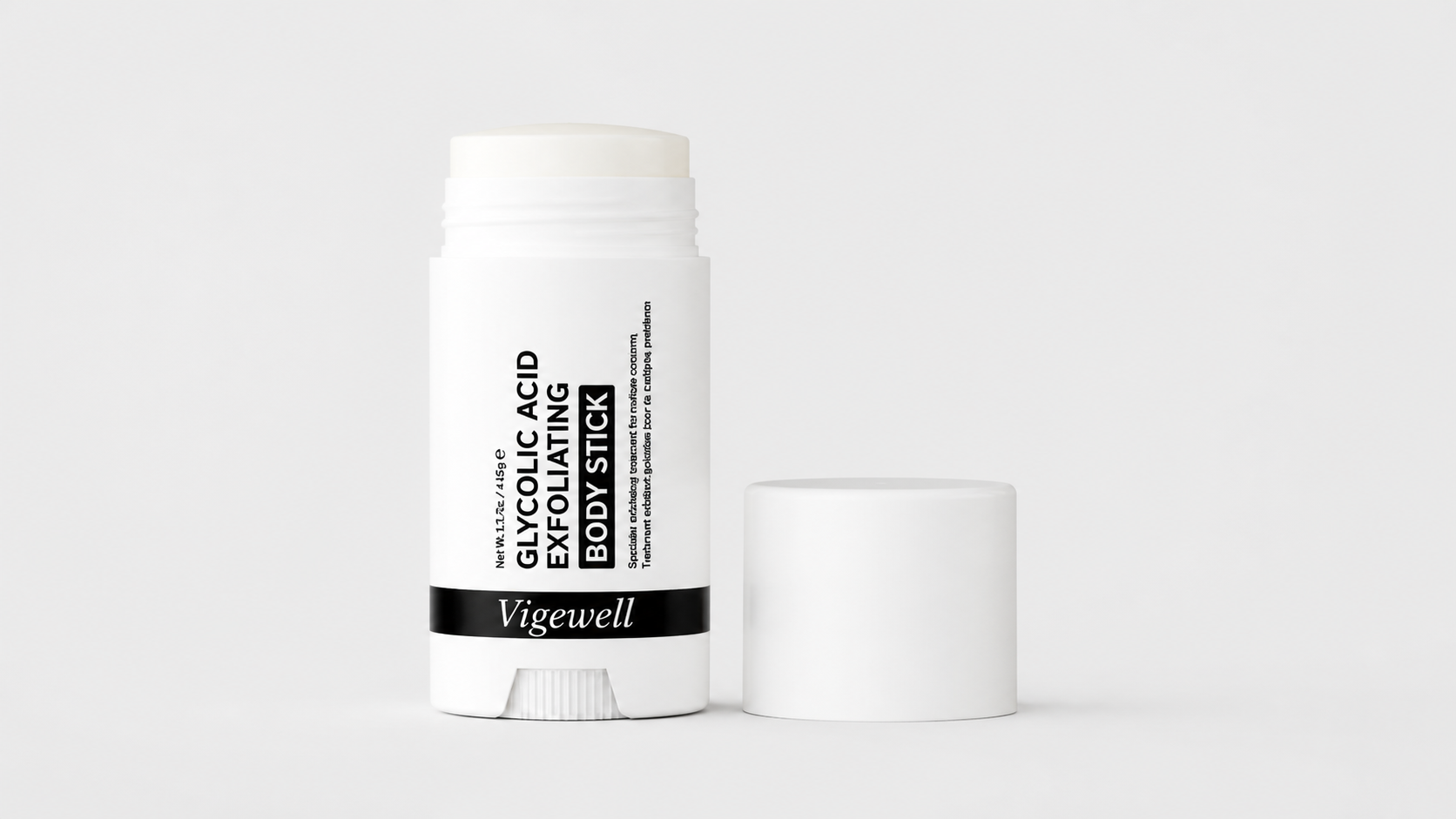
Vigewell lists 7% glycolic acid, 0.5% salicylic acid, and 10% shea butter in its Smooth and Even Glycolic Body Stick.
Those ingredients are used in legitimate cosmetic products. Their presence does not verify every result, testimonial, timetable, or medical-sounding statement on this sales page.
Acids can also irritate skin. Concentration, formulation, frequency, sun exposure, existing conditions, and other products influence personal risk.
The default-looking refill option changes the purchase
The product panel explicitly says a refill ships every 28 days. A separate choice offers a one-time purchase without savings.
This is not a minor shipping preference. Selecting refills authorizes repeated deliveries and charges until the subscription is paused or canceled.
A shopper focusing on the first price may miss how frequently another stick will be billed.
The marketing contains serious credibility gaps
The page claims thousands of ratings, tens of thousands of users, rapid visible changes, and support from a named dermatologist.
It also calls the product “Elevian” inside a Vigewell FAQ. Elevian separately sells a similarly named glycolic body stick.
That leftover name suggests copied or reused sales material. It does not prove the formula itself is counterfeit, but it undermines confidence in the presentation.
- Refills are presented on a 28-day schedule.
- The listed active levels are 7%, 0.5%, and 10%.
- Some claimed results rely on a 21-person clinical study.
- No complete published study report is linked beside those claims.
- The store uses a Proton email address and no prominent support telephone number.
- The guarantee conflicts with a policy requiring returned goods to be unused.
Vigewell is not simply an empty webpage. The concern is whether persuasive health language and recurring billing receive more prominence than verifiable evidence and informed consent.
What the Body Stick Claims to Address
Vigewell markets the stick for rough texture, keratosis pilaris, ingrown hairs, body breakouts, discoloration, cracked heels, elbows, and knees.
The page says some improvements appear after one use, while others become visible within seven, fourteen, or twenty-eight days.
It also discusses seborrheic keratoses, including raised lesions that customers may previously have treated through cryotherapy.
That topic demands caution. A changing, bleeding, irritated, or uncertain skin growth should be assessed by a qualified clinician, not diagnosed from advertising.
Glycolic acid exfoliates the skin’s surface. Salicylic acid can help unclog pores, while shea butter adds emollient moisture.
Those general functions are plausible. They do not establish that this stick safely removes or controls every photographed lesion.
The complete ingredient list includes waxes, emollients, oils, water, emulsifiers, antioxidants, and the named acids.
Consumers should patch test and avoid broken, irritated, or sunburned skin. Treated areas can become more sensitive to sunlight.
Anyone using retinoids, prescription acne treatment, other acids, or procedures should ask a clinician how to avoid excessive irritation.
What the “Clinical” Claims Actually Show
The seller says a four-week clinical study involving 21 participants found visible improvement in keratosis pilaris within seven days.
Elsewhere, it cites a four-week consumer study involving 100 participants for several broader claims.
Those statements lack essential context on the visible page. We did not find a linked protocol, investigator, registration, control group, or complete results table.
Twenty-one participants represent a small sample. A short cosmetic study can detect appearance changes without proving durable or medical outcomes.
Consumer perception is also different from blinded clinical assessment. Participants who know they used a product may report improvement for several reasons.
The sales page converts those limited summaries into confident figures and fast timelines. That presentation is stronger than the disclosed evidence.
The named dermatologist endorsement presents another verification problem. The page does not supply a clinic, licensing jurisdiction, publication, or independent professional profile.
A photograph and professional title are not enough. Health endorsements should be independently traceable outside the seller’s own page.
The FDA disclaimer at the bottom states that the claims were not evaluated and the product is not intended to diagnose, treat, cure, or prevent disease.
That disclaimer sits uneasily beside language addressing diagnosed conditions and past medical procedures.
How the Vigewell Claims and Refill Scam Works
Step 1: A personal skin concern becomes the hook
The advertisement targets embarrassment, frustration, and treatment fatigue. It tells people who have tried other approaches that a simpler answer finally exists.
Before-and-after imagery and detailed testimonials make the story feel intimate, especially when they mention clothing choices, relationships, or unsuccessful clinic visits.
That emotional specificity can feel like proof even when the reviewer identities and outcomes cannot be checked independently.
Step 2: Scientific ingredients lend borrowed authority
Exact figures make the formula sound carefully engineered. Glycolic and salicylic acids are familiar enough to reassure experienced skincare buyers.
The page then stretches from routine exfoliation into claims involving many different skin problems.
A credible ingredient does not automatically validate the seller, the finished formula, or results shown in promotional photographs.
Step 3: Large numbers create social certainty
The page displays ratings ranging from 4,931 near the purchase panel to more than 10,839 elsewhere.
It also says more than 64,000 women use Vigewell. The differences are not explained through a visible independent review source.
When review totals change across one page, consumers should ask what each number measures and who verified it.
Step 4: Scarcity and fast-result promises shorten reflection
Messages such as “only a few left” and “93% sold” suggest immediate action is necessary.
Promises mentioning first use, seven days, or two weeks make a recurring routine feel low risk.
Neither device establishes inventory or effectiveness. Both discourage the slower checks a health-related purchase deserves.
Step 5: The refill selection creates repeated billing
The purchase interface states that refills ship every 28 days. That schedule can produce roughly thirteen shipments during a year.
A buyer expecting one cosmetic stick may instead face another charge before fully evaluating the first product.
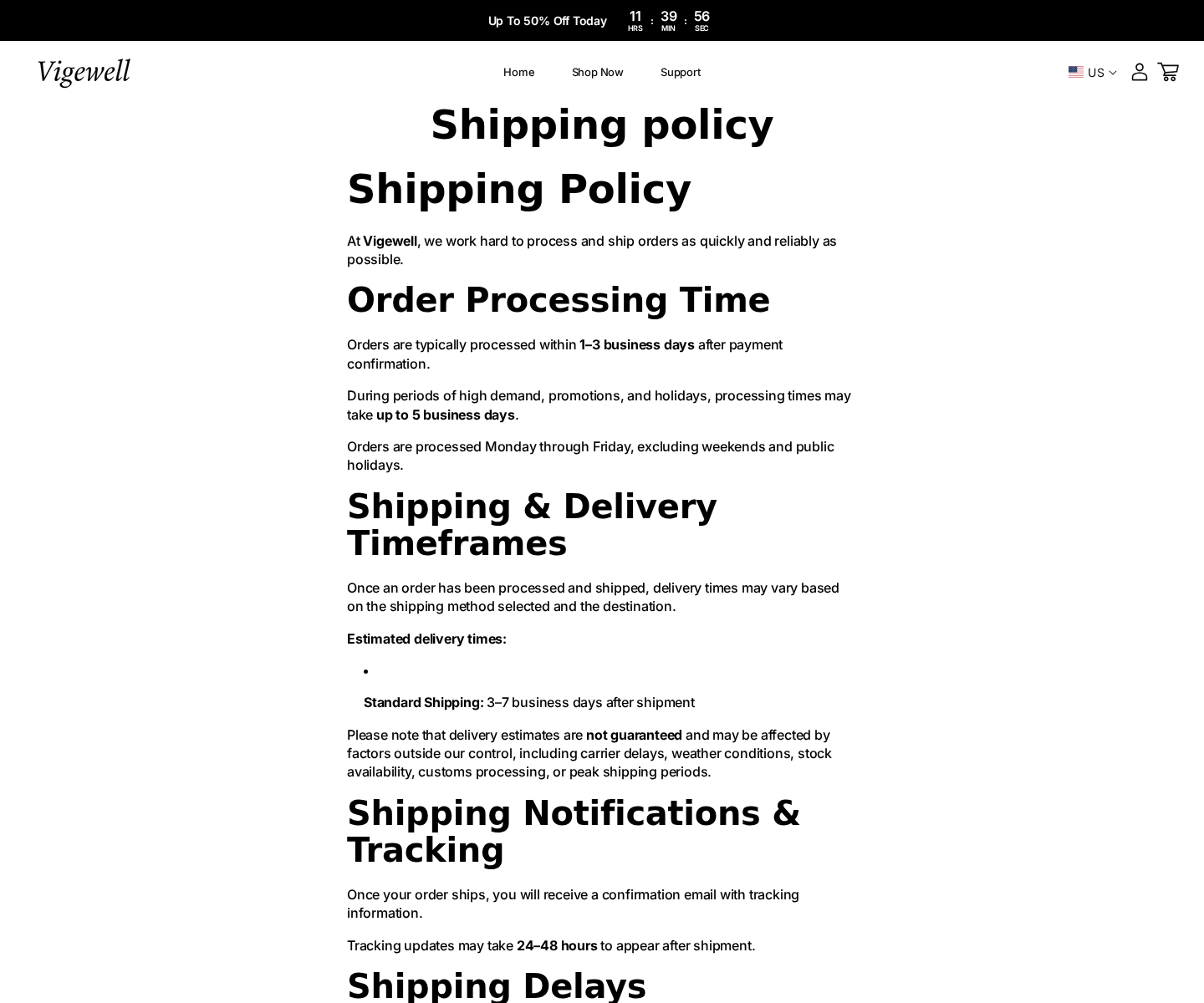
The site’s shipping policy confirms that subscription orders exist and says customers may manage them through a customer portal.
Step 6: The satisfaction promise meets restrictive conditions
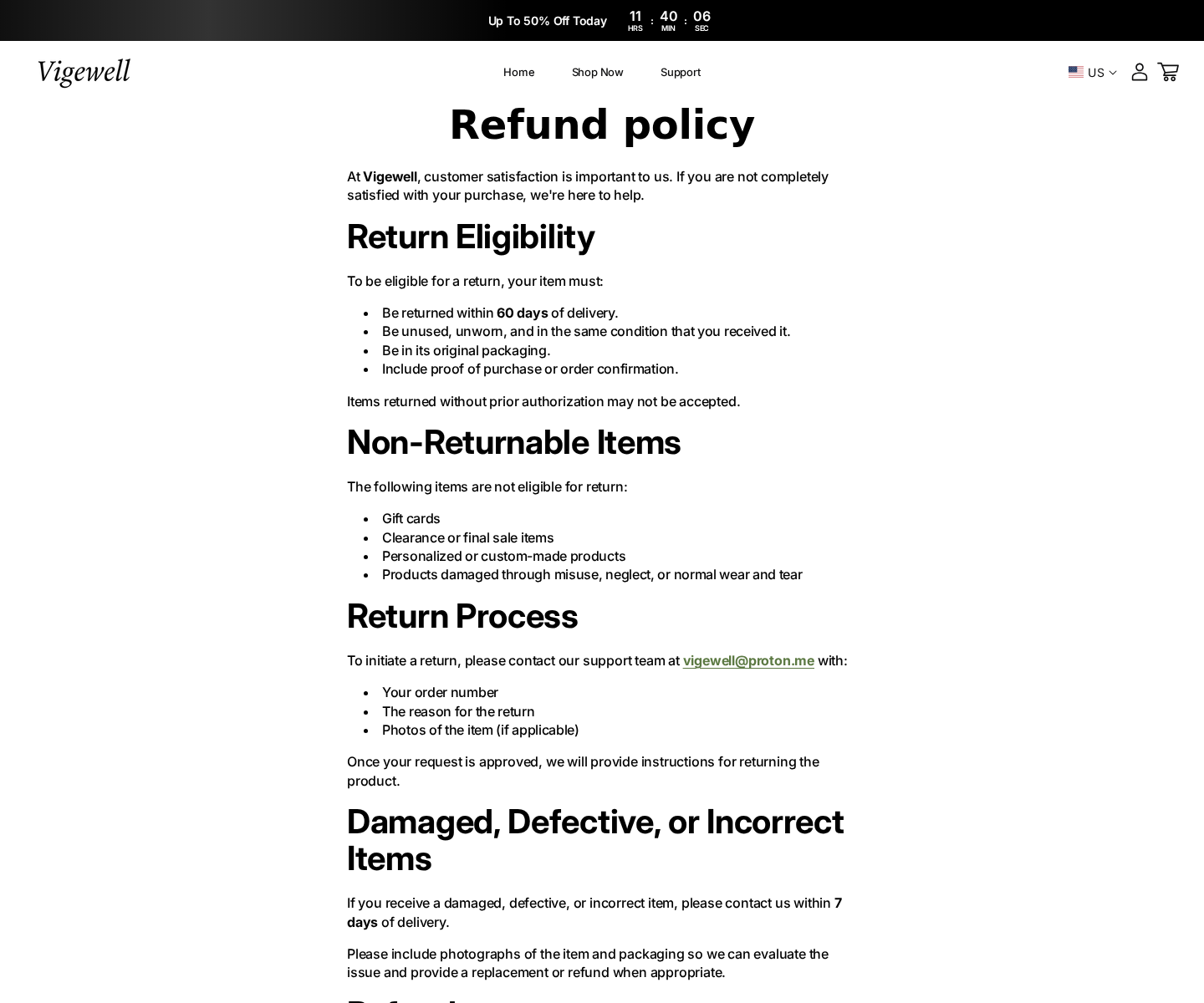
The sales copy encourages customers to use the stick for up to 60 days and promises a full refund if results disappoint.
The formal refund policy says eligible returns must be unused, unworn, in the same condition, and in original packaging.
A customer cannot meaningfully test a topical product for weeks while keeping it unused. That contradiction can become decisive during a refund request.
Step 7: Limited support makes cancellation harder
The site lists vigewell@proton.me and a contact form. We did not find a prominent telephone number for urgent billing issues.
A privacy-focused email provider is legitimate. However, a free-address contact offers less corporate accountability than verified domain-based support with published business details.
If portal access fails or support delays, another 28-day billing date may arrive quickly.
The Elevian Name Left on the Vigewell Page
One Vigewell FAQ asks whether new seborrheic keratoses will appear, then calls the item the “Elevian Glycolic Body Stick.”
Elevian is not a generic ingredient. It is another storefront selling a glycolic body stick and other skincare products.
This could reflect copied content, a reused page template, a rebranded supplier product, or a simple editing failure.
We cannot determine which explanation is correct from the typo alone.
However, a seller presenting medical-sounding guidance should review its page more carefully than this.
The mismatch matters because it raises questions about who wrote the claims and whether testimonials belong to the named product.
Buyers should ask whether Vigewell and Elevian share ownership, manufacturing, fulfillment, customer data, or advertising content.
The page does not answer those questions clearly.
Understanding the 28-Day Refill
A refill every 28 days is more frequent than a calendar-month subscription. Over time, the dates move earlier through each month.
The product FAQ says one stick usually lasts one or two months, depending on the treated area and frequency.
That estimate makes a universal 28-day refill questionable for slower users, who may accumulate unopened stock.
Before payment, inspect the selected option, price per shipment, quantity, taxes, cancellation method, and next billing date.
Do not rely on “save 25%” as the complete explanation. The saving is attached to an ongoing purchase commitment.
Take a screenshot of the final order summary before submitting it. Make sure the one-time option remains selected after any upsell.
After ordering, read the confirmation immediately. Search for subscription, recurring, auto-renew, refill, frequency, and next shipment.
If the receipt differs from your intention, cancel in writing without waiting for the first delivery.
Company, Address, and Fulfillment Checks
The policies identify only Vigewell
The terms repeatedly refer to Vigewell but do not prominently give a registration number or clearly named legal company.
A brand name is not always the entity charging the card. Buyers need the contracting business for disputes and formal complaints.
Ask support to state the legal company name exactly as it will appear on the payment record.
The listed Wyoming address needs context
The privacy information has been associated with 30 N Gould St, Suite R, Sheridan, Wyoming 82801-6317.
That address is widely used for registered-agent and business-mail services. It does not prove a Vigewell office, laboratory, factory, or returns center operates there.
Never send opened skincare to that address unless support provides written authorization tied to the order.
Support rests on a Proton mailbox
Vigewell directs customers to vigewell@proton.me. The store does not prominently publish a customer-service telephone number.
Proton is a real email service and privacy is not suspicious by itself. The issue is limited independent accountability when billing repeats every 28 days.
Test support before ordering. Ask a precise question and judge whether the response names the company and answers the billing issue directly.
Manufacturing and fulfillment remain unclear
The page uses phrases such as GMP certified and fast US shipping, but we did not find a clearly named finished-product manufacturer.
Shipping from the United States would not prove domestic manufacture. A fulfillment warehouse can dispatch imported inventory for an overseas or remote seller.
Request a photograph of the current package showing manufacturer, distributor, lot number, net weight, warnings, and country of origin.
Health and Safety Questions Before Use
Do not apply an acid stick to a growth you have diagnosed yourself from an advertisement.
Seek medical evaluation for a lesion that changes color, grows, bleeds, hurts, crusts repeatedly, or looks unlike surrounding marks.
Patch test on a small area and wait long enough to observe irritation before expanding use.
Start less frequently than daily, particularly on sensitive areas. Stop if burning, swelling, blistering, or persistent redness occurs.
Use sunscreen on exposed treated skin. Chemical exfoliation can increase sensitivity to ultraviolet light.
Avoid stacking glycolic acid with retinoids, scrubs, strong vitamin C, or other exfoliants without professional guidance.
Keep the product away from eyes, mucous membranes, broken skin, and children.
Pregnant or nursing users, and anyone managing a skin condition, should ask a qualified clinician before treatment.
What to Do if You Have Fallen Victim to This Scam
- Save the checkout evidence. Preserve the selected purchase option, refill wording, price, receipt, next shipment date, guarantee, formal refund policy, and every support response.
- Cancel the subscription in writing. Use the customer portal and email. State that you revoke authorization for every future 28-day shipment and request confirmation.
- Contact the card issuer. Explain whether the disputed payment was recurring, duplicated, unauthorized, or taken after cancellation. Ask about blocking the merchant token.
- Handle a skin reaction promptly. Stop using the product, photograph the reaction, retain the packaging, and seek medical advice when symptoms are severe or persistent.
- Follow refund instructions carefully. Do not mail anything without authorization. Record tracking, package weight, destination, and delivery confirmation.
- Secure your device and accounts. Change reused passwords. Run Malwarebytes if the advertisement installed software or caused suspicious redirects.
- Reduce deceptive ad exposure. AdGuard can block many malicious advertising and tracking paths, but it cannot cancel subscriptions already authorized.
- Report misleading conduct. Send screenshots and billing records to your consumer authority, payment provider, and the platform that displayed the advertisement.
Frequently Asked Questions
Is Vigewell Glycolic Body Stick definitely a scam?
A stick may arrive, but the copied brand name, unsupported medical claims, 28-day refills, anonymous support, and unusable refund contradiction form a deceptive sales pattern.
Does Vigewell create a subscription?
The product page offers refills every 28 days, while the shipping policy confirms subscription orders. Choose the one-time option deliberately if preferred.
Are glycolic and salicylic acids legitimate ingredients?
Yes. Both are established cosmetic ingredients, but they can irritate skin and do not prove this seller’s broader treatment claims.
Why does the Vigewell page mention Elevian?
The page appears to contain leftover wording from another glycolic-stick brand. That suggests reused content and raises questions about claim provenance.
Can the product safely remove seborrheic keratoses?
Do not rely on an advertisement to diagnose or treat a skin growth. A clinician should assess uncertain, changing, bleeding, or symptomatic lesions.
How do I stop future Vigewell charges?
Cancel through the stated portal, email support, retain proof, monitor statements, and contact the card issuer if billing continues after cancellation.
The Bottom Line
Vigewell combines real exfoliating ingredients with oversized promises, unverifiable social proof, a copied brand reference, and a 28-day refill option.
This is more than weak branding. Avoid the offer unless Vigewell proves its studies, manufacturer, company identity, subscription consent, and a refund process compatible with actual use.

Join the discussion
0 commentsShare your experience or ask a question about this article.
Discussion
Start the conversation
Have a question or something useful to share? Add the first comment.