

Snoring and sleep apnea affect millions of people worldwide, disrupting sleep and impacting health. This has fueled a market for anti-snoring devices making bold claims of effectiveness. One such product is the ZComfort Anti-Snoring Mouthpiece, which advertises itself as a custom-fitted, comfortable solution to stop snoring.
But is the ZComfort Mouthpiece truly an innovative mandibular advancement device (MAD) as claimed? Or is it simply a cheap product masquerading as a medical-grade solution? This article investigates whether the ZComfort Anti-Snoring Mouthpiece is misleading or a legitimate, effective product.
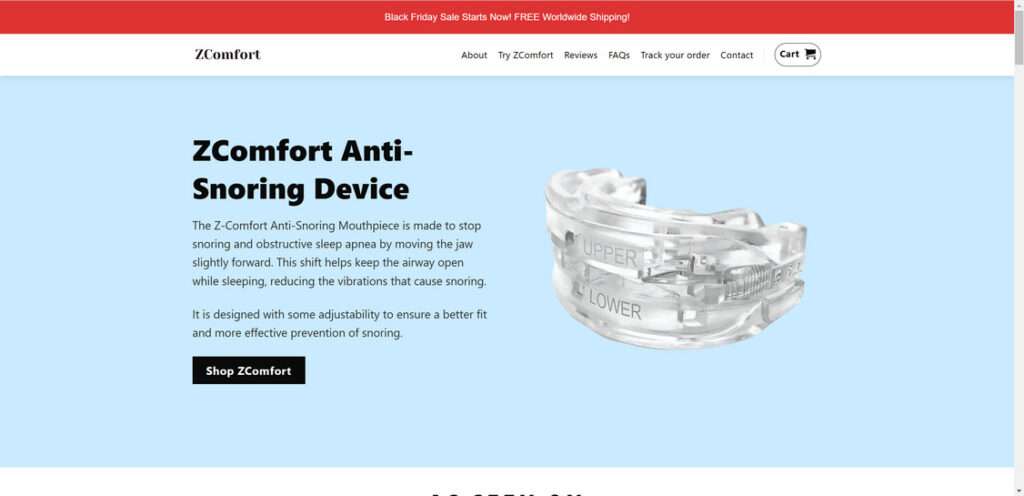
Overview of the ZComfort Anti-Snoring Mouthpiece
The ZComfort Anti-Snoring Mouthpiece is marketed as a customized MAD intended to stop snoring and sleep apnea. MADs work by advancing the lower jaw slightly forward to open up the airway.
Manufacturer Claims
According to the manufacturer, the ZComfort Mouthpiece offers these benefits:
- Custom-fitted for comfort and effectiveness
- Allows breathing, drinking, and talking without removal
- Made from medical-grade, BPA/latex-free materials
- Gentle jaw advancement to open airways
- Adjustable settings for optimal jaw positioning
- Clinically proven and doctor recommended
They also tout over 1.5 million satisfied customers and offer free shipping and a refund if not satisfied.
Investigating the User Experience
Despite the lofty claims made by the manufacturer, the actual user experiences reveal significant problems with the ZComfort Anti-Snoring Mouthpiece.
Shipping and Delivery Issues
The company promises free 3-6 day shipping. However, numerous customers have reported delayed shipping taking over a week. Late deliveries reflect poor business practices.
Discomfort and Ill-Fitting Issues
The mouthpiece is advertised as custom-fitted for comfort. But users complain of:
- Rigid, hard material causing discomfort and soreness in the mouth
- A bulky, poor fit making it hard to wear and keep in place
- Gag reflex triggered by the rigidity and bulk
Unlike the custom-fitted promise, the universal design and cheap materials cause pain.
Ineffective at Stopping Snoring
The core purpose of this MAD is to stop snoring. But scores of users report that the ZComfort Mouthpiece does not reduce snoring at all, even after persistent use.
Quality and Construction Problems
Perhaps the most concerning complaint is the terrible quality of the product itself. Multiple customers have reported issues like:
- The mouthpiece falling apart when boiled to soften per instructions
- Pieces splitting apart rendering it unusable
- Low-grade materials that are hard and uncomfortable
These issues indicate the product’s poor construction with inferior materials compared to quality MADs prescribed by doctors.
Does ZComfort Mouthpiece live up to the marketing claims?
Analyzing the numerous negative experiences and complaints from actual users indicates the ZComfort Anti-Snoring Mouthpiece does not live up to its marketing claims.
There are several red flags that point to this being a hyped product:
- Exaggerated claims not backed by real-world performance
- Shoddy manufacturing quality leading to defective units
- Ill-fitting design contrary to custom-fit claims
- No impact on snoring despite promises
- Deceptive advertising using doctored reviews and endorsements
All signs point to the ZComfort Mouthpiece being a cheap, low-quality product misrepresented in marketing materials as a medical-grade anti-snoring solution.
The Reality Behind ZComfort Mouthpiece
Further investigation reveals how this product is produced and marketed in a deceptive manner to trick consumers out of their money.
Cheap Knockoffs Rebranded as Premium
The mouthpieces are cheap knockoffs sourced in bulk from Alibaba and other Chinese sites for under $5 per unit.
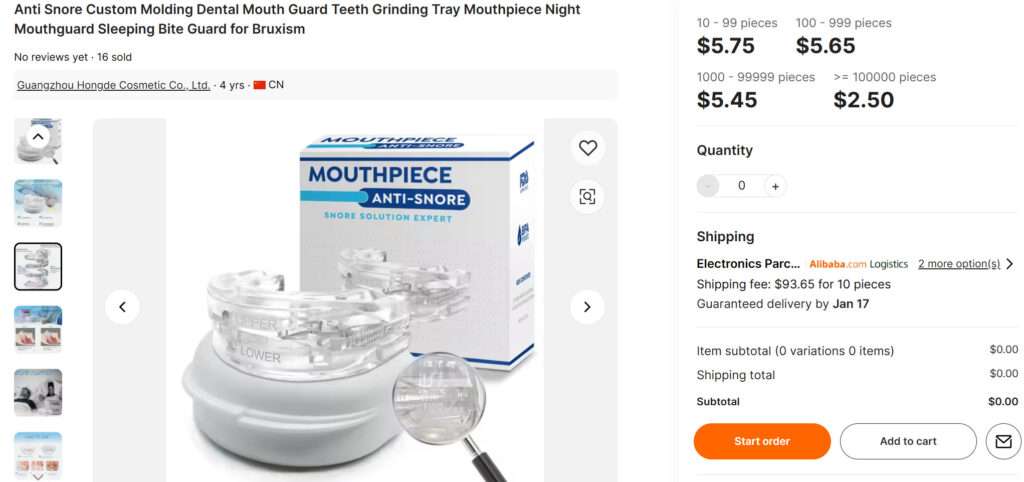
Deceptive Websites and Ads
These wholesale mouthguards are rebranded as the ZComfort Mouthpiece. Slick sites with faked testimonials are launched along with aggressive social media ads to lure customers.
Inflated Prices
Despite the dirt cheap wholesale price, these are marked up over 700% to $30-60 per unit to trick buyers out of more money.
Fake Reviews and Endorsements
The company stuffs sites with bogus 5-star reviews as social proof. Doctored media logos are used to appear credible and endorsed.
This is a classic bait-and-switch tactic – falsely advertise a premium, doctor-recommended product then ship a cheap, painful knockoff.
Avoid This Device – Try Legitimate Anti-Snoring Mouthpieces
The ZComfort Anti-Snoring Mouthpiece exhibits deceptive marketing, inflated pricing, and low-quality manufacturing. Customers are wise to avoid this dropshipping product.
Instead, consider mouthpieces from reputable companies like SnoreRX or VitalSleep which use quality materials and custom-fitting for comfort and effectiveness. Or explore over-the-counter options like Good Morning Snore Solution.
For severe sleep apnea, get a real prescription oral appliance from your dentist or doctor. Legitimate medical-grade MADs like SomnoDent or RespiDent are backed by research and shown to be effective when properly custom-fitted by a professional.
Avoid falling for cheap anti-snoring mouthpiece product. Invest in real, lasting solutions from reputable companies or professionals. A good night’s sleep is priceless.

Join the discussion
0 commentsShare your experience or ask a question about this article.
Discussion
Start the conversation
Have a question or something useful to share? Add the first comment.