


Gandalf_The_Grey
Level 86
Verified
Honorary Member
Top Poster
Content Creator
Well-known
Forum Veteran
Apple has just released the 26.3 versions of all of its software platforms, and that includes iOS, iPadOS, macOS, watchOS, tvOS, and visionOS. As often, iOS is getting the biggest changes, as there are no new features for Mac, Apple TV, Apple Watch, and Vision Pro users.
iOS 26.3 and iPadOS 26.3 are getting a new feature designed to limit precision location from cellular networks, but it only works for iPhones and iPads with Apple’s C1 and C1X modems. At the moment, that includes just the iPhone 16E, the iPhone Air, and the M5 iPad Pro released last year.
“With this setting turned on, some information made available to cellular networks is limited. As a result, they might be able to determine only a less precise location — for example, the neighborhood where your device is located, rather than a more precise location such as a street address,” Apple explained in a support document. Turning the feature on also doesn’t impact signal quality, as well as location data shared with friends and family via the Find My app, or emergency responders during an emergency call.
To turn Limit Precise Location on or off, users with eligible iPhones and iPads will need to go to Settings > Cellular > Cellular data options, and then scroll down to Limit Precise Location. As of today, the feature only supports six carriers around the world, including EE and BT in the UK, Telekom in Germany, Boost Mobile in the US, and AIS and True in Thailand.
With iOS 26.3, Apple is also adding a new tool for transferring data from an iPhone to an Android phone without the need to download any app. Google has also been testing a similar feature on Android for transferring data to an iPhone.
Lastly, Apple also released today iOS 18.7.5, iPadOS 18.7.5, macOS Sequoia 15.7.4, and macOS Sonoma 14.8.4. These updates only include security fixes.
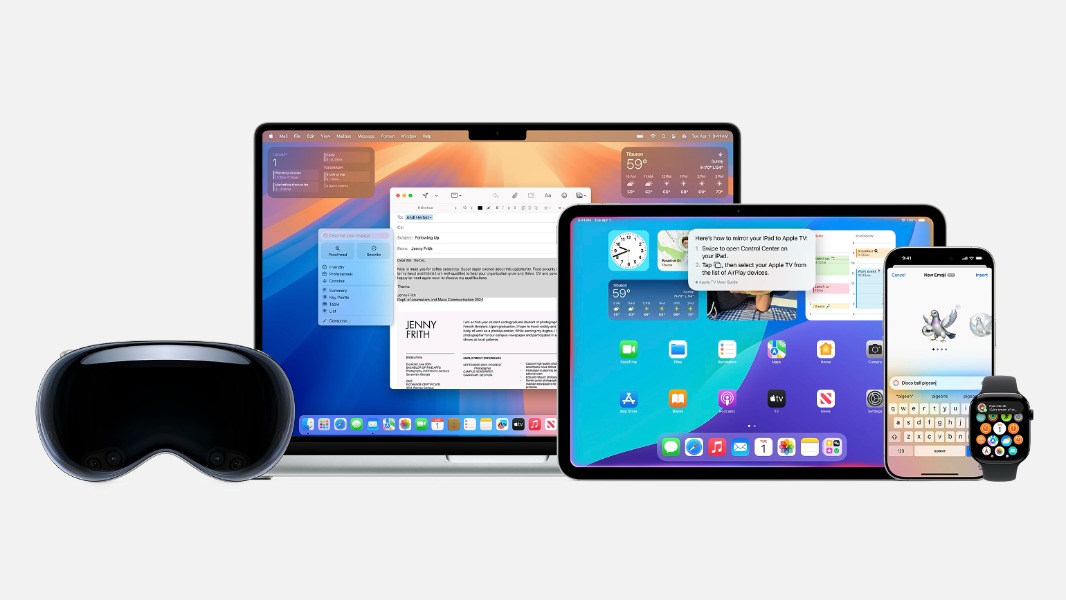
Apple Releases 26.3 Updates for All Its Platforms
iOS 26.3 and iPadOS 26.3 are getting a new feature designed to limit information that cellular networks may use to determine your location, but it doesn't work on all devices and networks.
 www.thurrott.com


