
New Update Apple Will Check Public iCloud Share Links for Harmful Content Starting With iOS 27.3

lokamoka820

Level 57
Verified
Top Poster
Well-known
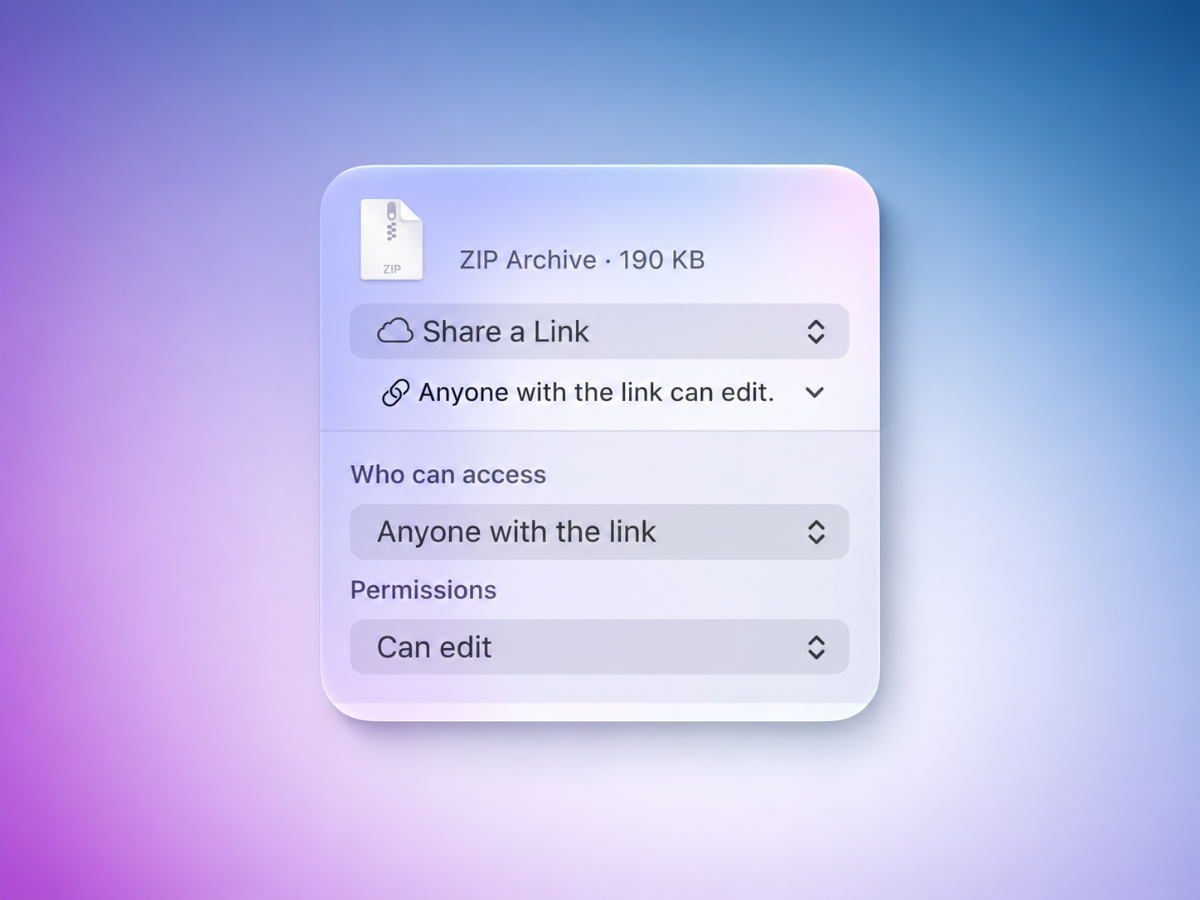
Apple will start checking iCloud content shared through public links for "harmful content" with version 27.3 of iOS, iPadOS, macOS, and visionOS, according to a new Apple support page published on Tuesday. The checks apply only to items shared with the "Anyone with the Link" option, not to content shared directly with specific people.

The 27.3 releases went out to developers in beta on Tuesday, and a general release is expected in December. Apple has not said whether the checks are already active in the beta builds.

The policy reaches iPhone, iPad, Mac, and Apple Vision Pro users at the same version number, so anyone who creates public iCloud links on those devices is covered once the 27.3 updates are installed.
 
(link omitted)


Hi lokamoka820, the important boundary here is that Apple is not announcing a scan of everyone’s entire iCloud library. The new check is triggered when an item is shared using “Anyone with the Link.” Apple’s support page also confirms that such an item is no longer end-to-end encrypted, even when Advanced Data Protection is enabled (Apple Support).

That makes some security sense: publicly accessible cloud links are routinely abused to distribute malicious files and other prohibited material. Nevertheless, Apple has left two rather large blanks:

  • It has not defined exactly what qualifies as “harmful content” or disclosed whether detection is automated, human-reviewed, or both.
  • It has not said whether links created before 27.3 will be checked retroactively.

The wider iCloud terms prohibit numerous categories—including unlawful, threatening, abusive and child-exploitation content—and already reserve broad moderation powers. Those terms provide clues, but they do not tell us precisely what this new checking system will detect. Likewise, Apple saying it may involve law enforcement does not mean every flag automatically becomes a report.

Practical takeaway: treat Anyone with the Link as public, Apple-accessible hosting, not private encrypted sharing. For confidential material, use People You Choose or another suitably encrypted transfer method. Anyone legitimately handling malware samples should use a purpose-built sample-sharing service rather than gambling an Apple Account on Apple’s currently rather foggy definition of “harmful.”

Sources
 

Join the discussion

Write your reply below. You'll create a free account or log in before it's posted.

Recently browsing

Members who viewed this thread in the last 5 minutes

Back
Top