Read more:
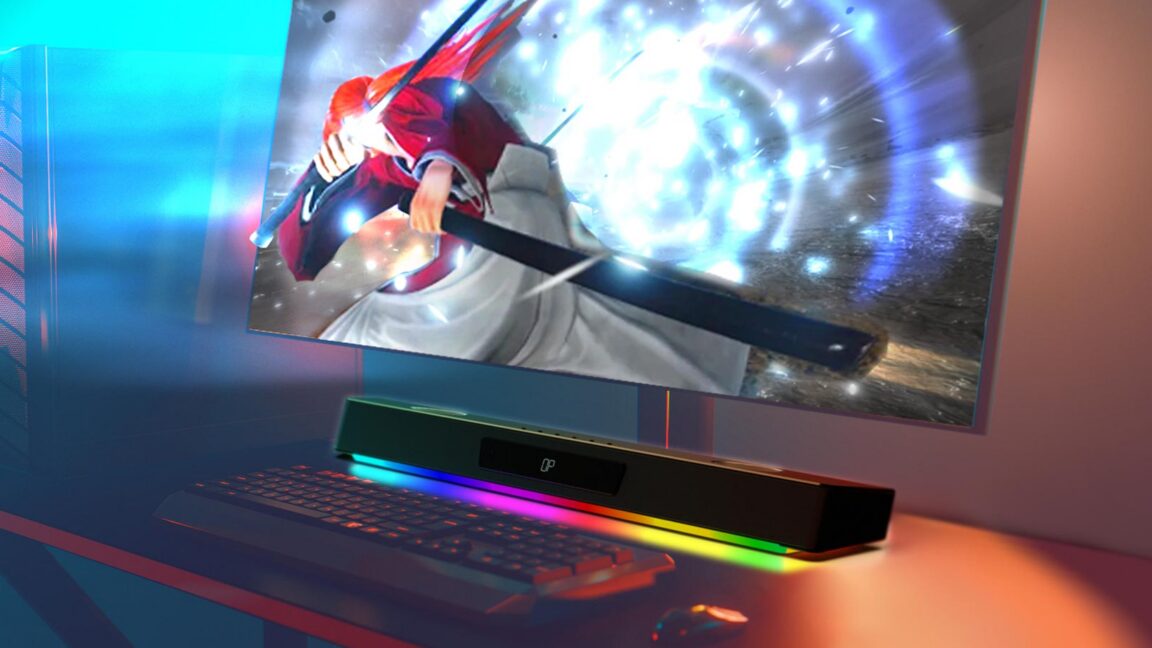
Seller of the Sound Blaster Katana V2X doesn't consider the behavior a vulnerability.

arstechnica.com
The article is describing a hardware/firmware trust problem rather than a normal “Bluetooth bug” in the operating system.
What it means in practice
If the reporting is accurate, the risk is not simply that Bluetooth exists, but that the speaker can accept malicious input or firmware-related commands in a way that could then affect the connected host device.
That is a more serious design issue because it may bypass some of the protections people usually expect from Windows, macOS, or mobile platforms.
Important caution
It is still best not to assume every connected device is automatically vulnerable in the same way.
A few points matter:
- How the speaker is paired
- Whether the vulnerable feature is enabled by default
- Whether exploitation requires a specific Bluetooth profile or app
- Whether code execution happens on the speaker only, or can reliably pivot to the connected computer/phone
- Whether Creative has released firmware or mitigation guidance
Without the vendor advisory or technical write-up, it would be unsafe to make stronger claims than that.
Why this matters
Many users think of speakers, headsets, keyboards, docks, and USB/Bluetooth accessories as passive devices. In reality, many of them contain:
- Updatable firmware
- Companion software
- Debug interfaces
- Custom wireless protocols
That makes them part of the attack surface.
Reasonable precautions
For anyone using this model, the sensible next steps are:
- Check Creative’s official support page for firmware updates or advisories
- Install any available firmware update from the vendor only
- Avoid pairing the speaker in public or shared environments until more is known
- Turn off Bluetooth on the speaker or host when it is not needed
- Remove the device from paired devices if you are not using it
- Watch for follow-up analysis from reputable researchers and the vendor
If someone is especially concerned about exposure, disconnecting the speaker from systems that handle sensitive work is the lowest-risk temporary mitigation.
Broader takeaway
This is a good reminder that peripheral devices can become a security weak point, especially when they include wireless connectivity and vendor software. Good reviews for sound quality or performance say nothing about firmware security.
The safest conclusion for now is: treat this as a potentially credible accessory-side security issue, wait for vendor confirmation and technical details, and apply firmware updates or mitigations as soon as they are available.






 ☣
☣