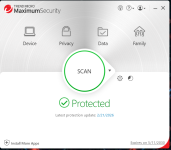
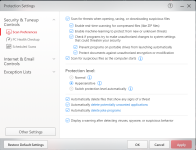
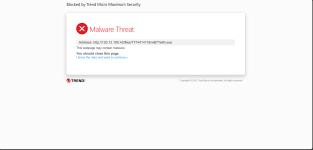
Well, I tried 2 samples. The first one was missed, only an injection attempt (using ZwWriteVirtualMemory which is very well known to be associated with code injection) was blocked. So malware wasn’t allowed to inject, but the original file was running in memory.
Second sample I tried, I appended bytes to it.
First of all, the inventors of the TLSH don’t make proper use of it, few new bytes voided TM detection.
Secondly, executing the sample produced no detections or blocks.
Both samples were realistically downloaded, nothing was tested from desktop.
For both, there was the New File Warning (maybe it can be counted as user-dependent).
However, from my very long-standing tests of McAfee, executables are not a problem for it. Neither are some small, incremental changes to the file.
Second sample I tried, I appended bytes to it.
First of all, the inventors of the TLSH don’t make proper use of it, few new bytes voided TM detection.
Secondly, executing the sample produced no detections or blocks.
Both samples were realistically downloaded, nothing was tested from desktop.
For both, there was the New File Warning (maybe it can be counted as user-dependent).
However, from my very long-standing tests of McAfee, executables are not a problem for it. Neither are some small, incremental changes to the file.