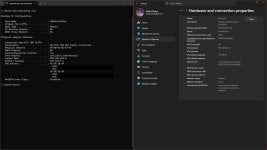
Performance, security and privacy. People, who disabled it, went from 200 Mbps to 1000 Mbps instantly. It is hard to really disable it now, unticking it alone might not do.
Virtually all network problems, I had with WiFi and ethernet, were caused by IPv6. It was supposed to replace IPv4, but since IPv4 is "limitless", everyone gave up on it.
IPv6 can cause leaks via VPN, thus rendering it useless. It can act as GDID and help to identify the device. In my books, enabling IPv6 is like enabling tracking.
Code:
netsh int ipv6 isatap set state disabled
netsh int teredo set state disabled
netsh interface ipv6 6to4 set state state=disabled undoonstop=disabled
reg add "HKLM\Software\Policies\Microsoft\Windows\TCPIP\v6Transition" /v "6to4_State" /t REG_SZ /d "Disabled" /f
reg add "HKLM\Software\Policies\Microsoft\Windows\TCPIP\v6Transition" /v "ISATAP_State" /t REG_SZ /d "Disabled" /f
reg add "HKLM\Software\Policies\Microsoft\Windows\TCPIP\v6Transition" /v "Teredo_State" /t REG_SZ /d "Disabled" /f
reg add "HKLM\System\CurrentControlSet\Services\Tcpip6\Parameters" /v "DisabledComponents" /t REG_DWORD /d "255" /f
reg add "HKLM\System\CurrentControlSet\Services\Tcpip6\Parameters" /v "EnableICSIPv6" /t REG_DWORD /d "255" /fIPv6 can cause leaks via VPN, thus rendering it useless. It can act as GDID and help to identify the device. In my books, enabling IPv6 is like enabling tracking.
It it recommended by those, who invented it, just like QUIC, I disable that too.I found that it is now considered the standard and not recommended to disable.