


The caller says a refund has gone wrong and insists you must send money back. Soon the conversation involves cash, packaging, and a delivery address.
A tracking number can make that request feel organized. What matters is who arranged the shipment and what happens when somebody at the destination collects it.
Overview
The support story ended with cash inside a parcel
A multinational fraud network worked with scam call centers whose callers impersonated technical support, banks, or government officials. Victims were instructed to withdraw and conceal cash before shipping it.
In the earlier account of the network, prosecutors described a common script involving a supposed mistaken refund. Callers demanded repayment of the claimed excess through cash, wires, or gift cards.
The parcels went through express carriers to fictitious recipient names at short-term rental addresses. Fake identities helped members of the network collect the money.
The carrier moved a real package, but that did not make the financial instruction legitimate. The deception existed before the parcel entered the delivery system.
Guilty pleas confirmed the cash-collection system
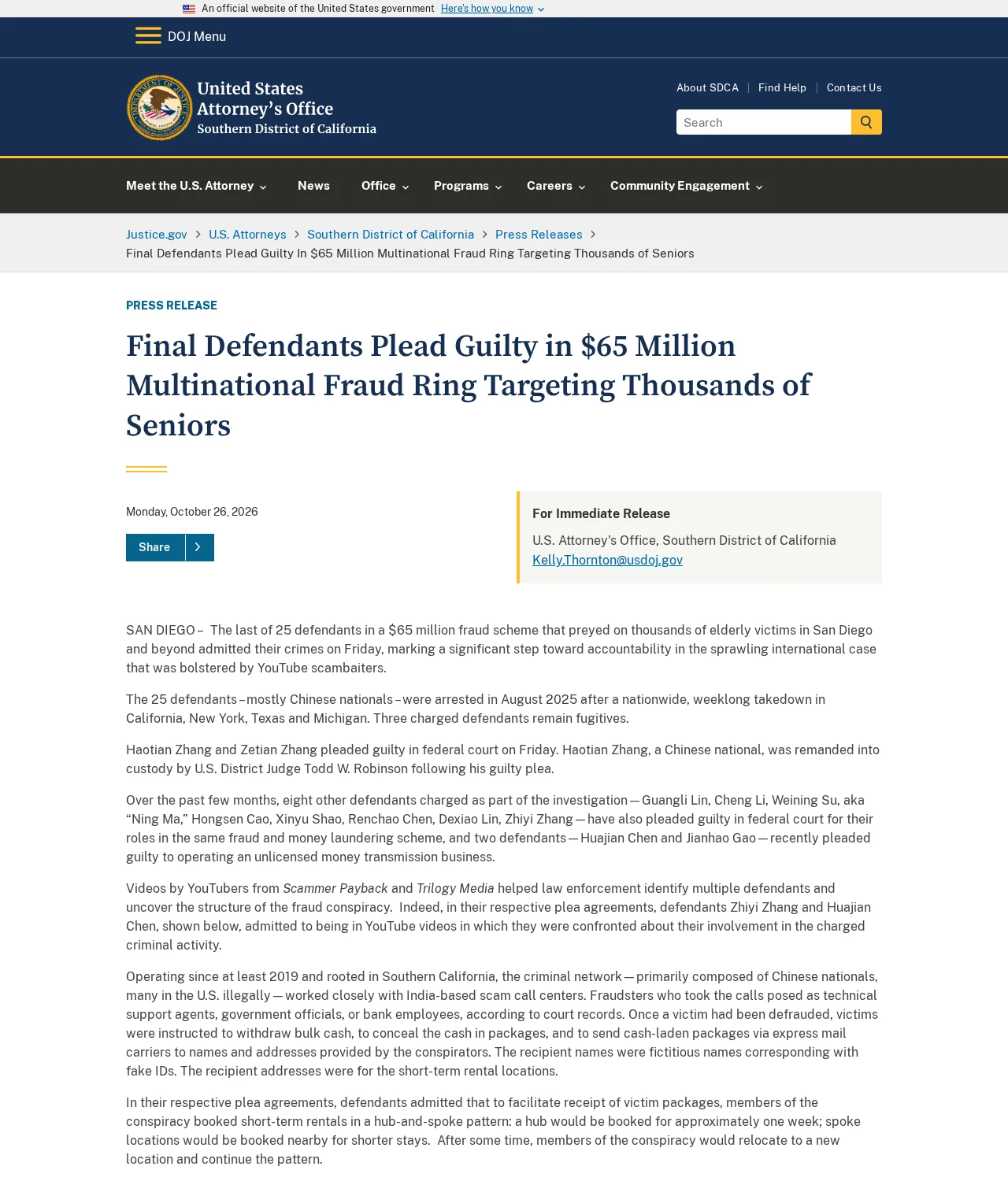
An October 26, 2026 DOJ announcement describes the final guilty pleas among arrested defendants in the $65 million case. Haotian Zhang and Zetian Zhang were the latest to plead guilty.
The case affected thousands of older victims. Participants admitted using temporary rentals as a shifting network of collection locations, rather than permanent customer-service premises.
Three charged defendants remained fugitives in that announcement. Their status should not be confused with the guilty pleas that established other participants’ admitted conduct.
The most useful intervention happens before delivery
If cash is still in your possession, keep it there. If a parcel is moving, contact the actual carrier immediately and explain that it contains money sent because of fraud.
- A domestic address does not authenticate the person requesting your money.
- A real tracking page confirms movement, not the legitimacy of the recipient.
- Concealing cash does not protect it from the people arranging its collection.
- Ask about interception promptly instead of waiting for the caller’s promised update.
Why a Shipment Can Feel More Controlled Than a Transfer
A parcel offers familiar signs of progress: a label, acceptance scan, estimated delivery date, and eventual delivery confirmation. Those signs can make an unusual request feel manageable.
However, they describe the carrier’s task. The carrier can successfully deliver a package while the sender remains mistaken about why the money was requested.
That is the key distinction in this case. Logistics worked as logistics while serving a fraud that had already persuaded the victim to part with cash.
The address could also look ordinary because it was ordinary accommodation. A legitimate property can be temporarily used by people whose reason for receiving money is fraudulent.
You therefore cannot resolve the problem by confirming that the building exists. The question is whether the recipient has an independently verified right to receive your savings.
If that authority comes only from the original caller, it remains unverified. A second person introduced by that caller is not an independent source.
This is different from a normal purchase where you choose a merchant and receive goods. The suspicious instruction asks you to hide money and deliver it under somebody else’s direction.
The right response is to stop the financial action, rather than look for another reassuring delivery detail. Tracking cannot repair a false explanation for the shipment.
How the $65 Million Cash-by-Mail Scam Works
Step 1: A caller claims a trusted professional identity
The network’s callers posed as technical-support workers, bank employees, or government officials. Each identity offered a reason to take the conversation seriously.
The particular story could differ, but the claimed role gave the caller apparent authority. Victims were encouraged to treat financial instructions as part of solving a problem.
Before acting on an unexpected request, leave that conversation and independently contact the genuine institution. Do not let the caller arrange the verification through another supplied number.
Step 2: A supposed refund mistake creates pressure to repay
The common refund script claimed that the victim had received too much money and needed to return the difference. Some callers pressured or threatened victims to obtain payment.
Do not accept the caller’s explanation of an account entry as independent proof of a debt. Contact your bank separately before moving money to correct a supposed mistake.
If instructed to withdraw cash, tell bank staff why you are doing so. The claimed refund and the person directing repayment are important parts of the story.
Step 3: The money is concealed in a package
The instructions included hiding cash inside parcels. Concealment helped turn the shipment into something that could move through a delivery network without openly presenting its contents.
Hiding the money does not create protection for the sender. It can instead reduce the chance that someone recognizes the dangerous purpose before the package leaves.
If asked to describe the shipment inaccurately, stop. The people collecting your money should not control which facts you withhold from the institution handling it.
Step 4: A fictitious recipient receives a real delivery address
Parcels were addressed to false names linked with fake identification. The destinations were short-term rentals used by the conspirators, according to the admitted scheme.
That pairing mattered: the name supplied an apparent recipient, while the rental supplied a place where somebody could collect. Neither established a legitimate financial service.
Step 5: Collection locations shift around temporary hubs
Participants admitted arranging rentals in a hub-and-spoke pattern. A central location could be booked for roughly a week, with nearby locations used for shorter periods.
The address may belong to a lawful property owner who has no connection with the caller. Temporary occupancy can separate the person collecting money from the building’s owner.
The network later relocated and repeated the arrangement. This gave the operation a changing physical presence rather than a stable office a victim could meaningfully verify.
For investigators, the exact address and delivery dates are therefore useful. A location’s current occupant may be unrelated to whoever received a package there earlier.
Step 6: The collected cash is absorbed into the operation
After collection, proceeds were laundered and used to compensate participants and cover expenses. The parcel’s arrival was the theft’s collection stage, rather than proof of protective handling.
The investigation began after a victim contacted an express carrier in December 2020. That report led to the discovery of several cash parcels sent to fake names at rentals.
That history explains why prompt contact with a carrier matters. It does not mean every shipment can be intercepted or every delivered parcel can be recovered.
The Rental Address, the Recipient Name, and the Carrier
A real property can be an unrelated person’s property
An online map cannot show whether the temporary occupant is authorized to handle your money. The existence of a residence answers a different question.
Do not publish accusations against an owner or confront current occupants. Give investigators the destination and dates so they can determine who actually controlled the collection.
Similarly, a rental platform’s involvement in a booking would not independently authenticate a payment request. The underlying financial instruction still needs verification.
The false recipient name helps create distance
Keep the recipient name exactly as printed on the label. It may be fictitious, but the spelling can help connect your package with related shipments.
Do not replace it with the name the caller claimed over the phone. Preserve both identities and note how each was presented to you.
If the caller changes the recipient or destination before shipping, save the earlier instructions too. The change is evidence of the route you were asked to follow.
Delivery confirmation belongs to the carrier’s record
A delivery scan records what the carrier reports about handling the package. It does not tell you whether the caller’s financial promises were honest.
If you see a delivered status, report that fact promptly. Preserve the tracking history and any delivery information already available instead of accepting the caller’s explanation of the outcome.
Do not send a replacement package because the caller says the first one failed. Confirm the shipment’s status through the carrier you independently contact.
If a Package Is Already on Its Way
Find the real acceptance receipt, account booking, or shipping confirmation you used. Identify the carrier and the tracking number without opening a replacement link sent by the caller.
Contact that carrier through its established customer-service route and state that the parcel contains cash sent because of a scam. Give the tracking number and destination.
Ask whether delivery can be stopped, intercepted, or returned under the circumstances. Explain whether the parcel has been accepted, is moving, or is already shown as delivered.
Ask what identification or ownership information the carrier needs from you. Supply it through the carrier’s verified process, rather than forwarding it to the person who requested the shipment.
Write down the request reference and the action the representative says was taken. A request under review should not be mistaken for a package already secured.
If the carrier cannot stop the shipment, retain that answer and notify law enforcement. Do not travel to the destination to retrieve money yourself.
If a package is returned, confirm that it is actually back in your possession. Tell the investigators and keep the delivery records documenting the attempted fraud.
An intercepted parcel protects money that might otherwise have been lost. You do not owe the original caller a replacement shipment or another method of payment.
If You Allowed Access to Your Computer
The earlier case announcement describes remote access to some victims’ computers. Use these steps if you granted access; a suspicious call alone does not establish infection.
Use the branch matching your computer below. The Windows and Mac removal paths are alternatives; they are not consecutive tasks for the same device.
Step 1: End the session and protect accounts separately
Disconnect the affected computer from the internet by unplugging its network cable and turning Wi-Fi off. Use another trusted device to contact your bank and protect accounts.
For a work or school computer, contact authorized IT before changing software or deleting files. Explain the remote session so they can preserve evidence and assess its extent.
On a personal computer, record the program you installed and any access code you supplied. Remove that identified program rather than guessing that unfamiliar applications are malicious.
Step 2: Remove an app you installed on Windows
Open Settings with Windows + I, or right-click Start and choose Settings. This is the starting point for the app-removal path documented by Microsoft.
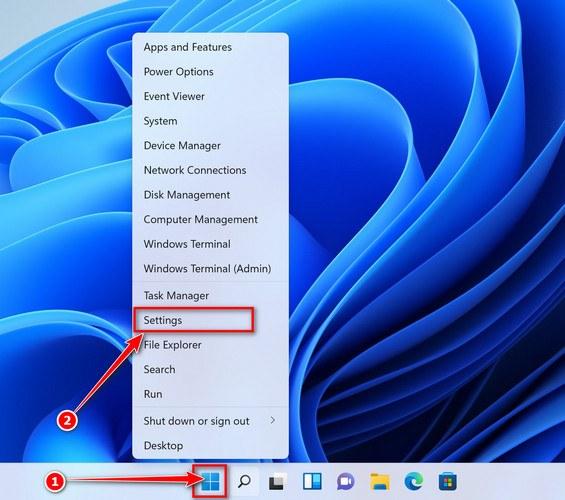
On Windows 11, choose Apps, then Installed apps. Find the identified remote-access app, open its three-dot menu, select Uninstall, and confirm removal.
On Windows 10, open Apps, then Apps & features. Select the identified app, choose Uninstall, and complete the program’s removal prompts.
If Settings cannot remove a desktop program, search Start for Control Panel. Open Programs, then Programs and Features; select the app and choose Uninstall or Uninstall/Change.
Review any prompt before approving it, and restart if required. Reopen the installed-app list afterward to check that the identified program no longer appears.
If you cannot identify the app or removal fails, keep the computer offline and obtain help. Do not delete unrelated system files or disable security controls.
Step 3: Remove an app you installed on a Mac
Quit the identified app, then open Finder from the Dock and choose Applications. Apple’s removal instructions explain the supported uninstall options.
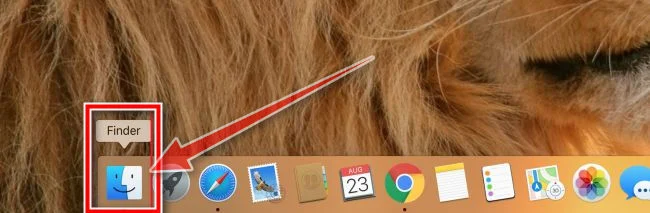
If the app has its own Uninstall or Uninstaller option, use that option. It can remove associated components that dragging an icon alone might leave behind.
Otherwise, select the app in Finder and choose File, then Move to Trash. Authenticate locally if macOS asks; do not provide your administrator password to the caller.
Before emptying Trash, check that it contains nothing you still need. Emptying it permanently deletes those items, so move unrelated files out before choosing Finder, then Empty Trash.
If macOS says the app is in use, quit it or restart, then try again. Do not remove required Apple applications or randomly delete Library files.
Step 4: Check the result before returning to sensitive work
After restarting, verify that the removed app is absent and do not reopen the caller’s downloaded installer. Retain evidence separately instead of running the file again.
Removing an access app does not revoke passwords or codes already disclosed. Tell your bank about that exposure and change affected credentials from a trusted device.
If remote activity continues or you cannot account for changes, keep sensitive accounts off that computer. Ask for independent assistance instead of reconnecting with the original caller.
For Windows, use the MalwareTips removal-help forum to describe the session and failed removal. Keep passwords, banking documents, and access codes out of public posts.
These steps remove an identified access app; they do not certify that every change was reversed. Additional findings require device-specific investigation rather than a blanket promise of cleanliness.
What to Do if You Have Fallen Victim to This Scam
- End the call and stop any planned cash shipment. Keep money and valuables secure, and do not switch to a different payment method suggested by the same caller.
- If the parcel has been accepted, contact the carrier immediately using the real receipt or established account. Request fraud-related assistance and ask about stopping delivery or returning the package.
- Keep the tracking number, label, acceptance time, destination, and recipient name. Save any instructions telling you how to conceal the money or describe the package.
- Tell your bank that a scam prompted the withdrawal. Identify any related pending transfer or payment that might still be stopped, and ask what account protections are appropriate.
- Report the incident to local law enforcement, especially if somebody threatens you or knows your home address. Call emergency services if there is immediate danger.
- For information potentially connected to this case, call the Southern District of California office at 619-557-5610. Identify the $65 million cash-parcel case and request the appropriate victim-assistance contact.
- Describe the connection you actually know, including dates, destinations, and caller details. Ask how to submit records securely and retain the acknowledgment or follow-up instructions.
- If the shipment used U.S. Mail, contact USPIS at 1-877-876-2455 as well. Explain the suspected mail fraud and provide the tracking and payment details requested.
- Keep carrier, bank, and police references together. If a promised callback does not arrive, independently contact the relevant organization again rather than reopening the scammer’s conversation.
- Refuse advance fees for supposed recovery. A stranger offering to retrieve the parcel or unlock a refund may be attempting another theft using details of the first one.
If the caller claimed a real bank or agency, tell that organization about the impersonation through its independently published contact. Do not assume the genuine organization issued the instructions.
Avoid trying to reproduce the confrontations shown in scambaiting videos. Investigation methods are not a safe personal recovery plan for a frightened victim or family member.
The useful evidence is what you already have: communications, shipment details, and the actual amount enclosed. Mark estimates as estimates rather than inventing precision after the event.
If you photographed the parcel before shipping, preserve that existing image with the label and receipt. It can help identify packaging without requiring you to reconstruct the shipment.
Keep personal details in those records private when warning other people. Send unredacted evidence only through a verified reporting route.
Frequently Asked Questions
Does this case involve confirmed fraud?
The official announcement describes guilty pleas and admissions about the collection system. It goes beyond an unverified report about an unfamiliar call or a suspicious address.
Does a U.S. delivery address make the shipment safe?
A domestic destination can be temporary accommodation used by fraudsters. Verify the authority to receive your money rather than merely confirming that a building exists.
Does a tracking number prove the caller is legitimate?
A tracking number concerns the parcel’s movement. It does not authenticate the person who directed you to withdraw, conceal, and ship the cash.
Can the carrier stop a package already moving?
Ask immediately using the actual carrier’s verified contact route. Availability depends on the shipment’s status and circumstances, so obtain a clear answer and a request reference.
Should I go to the rental address myself?
Do not confront occupants or attempt your own recovery. Provide the location and dates to law enforcement so investigators can determine who actually used it.
What if the caller demands another parcel after delivery?
Do not send a replacement or additional payment. Preserve the demand, check the original tracking through the carrier, and add the new contact to your report.
The Bottom Line
Do not hide cash in a parcel because a supposed support agent, banker, or official tells you to. A real carrier and a domestic address cannot make that instruction safe.
If the package is moving, contact the carrier immediately and request fraud-related assistance. Preserve the label and communications, notify the bank, and use verified law-enforcement contacts.

Join the discussion
0 commentsShare your experience or ask a question about this article.
Community experiences
Did this happen to you?
Your experience could help someone recognize the same scam. Submit a private report for our team to review.
I experienced this tooReports are reviewed before publication. Sharing publicly is always your choice.
Discussion
Start the conversation
Have a question or something useful to share? Add the first comment.