


The message offers quick cash for opening a betting account. You’re told the other person will handle the bets, so there isn’t much for you to do.
The account, however, would be in your name. That detail deserves a closer look before you reply.
Overview
A sportsbook account is not a side job
A betting account mule scam recruits people to open or surrender accounts tied to their real identities. The pitch might sound like freelance work or a favor.
The recruiter says you’ll earn money without risking your own stake. What they’re asking for is the ability to act under your name.
A real sportsbook can be involved without being part of the scheme. The person asking to use your account is the one you need to stop dealing with.
Regulators recognize the account misuse
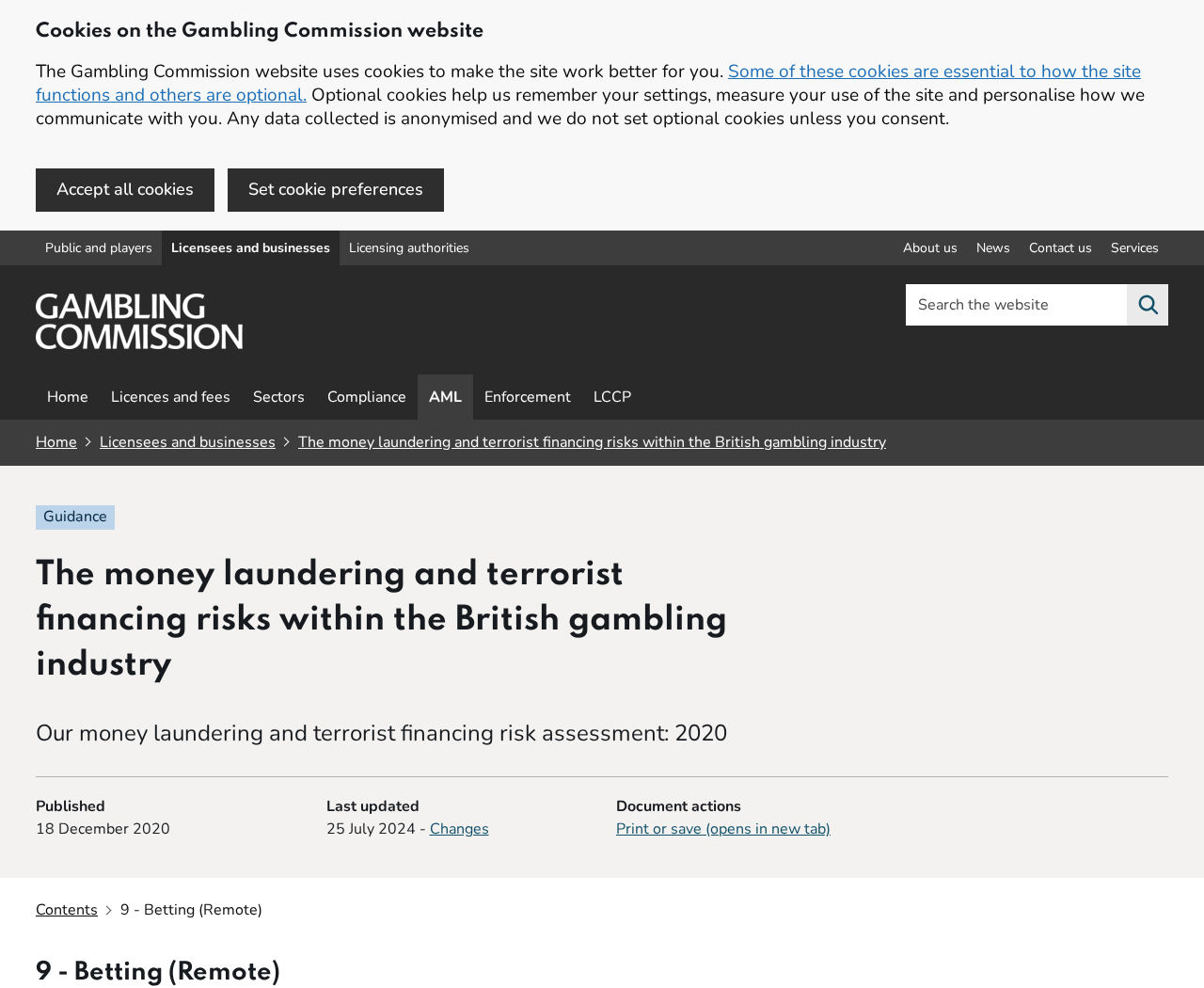
The UK Gambling Commission’s remote betting guidance describes accounts opened with someone else’s identity, with or without that person’s knowledge.
Its guidance covers several purposes for mule accounts. Some involve abusing promotions, while others involve concealing who is gambling or where money came from.
You won’t know which version you’re dealing with just by hearing that the recruiter has a successful betting strategy. The same handover exposes you either way.
What the offer typically asks you to give up
You can recognize the risk before there are any bets. Look at what the recruiter needs from you:
- A verified sportsbook account in your own name.
- A password, a login code or access to your email.
- A photo of your ID or a request to complete verification for someone else.
- Permission to connect a payment method or receive money.
- An agreement not to contact the sportsbook about activity you didn’t control.
Even if you only provide one of these, the request can develop. Someone who starts by asking for an account may later need a code or payment.
How the Betting Account Mule Scam Works
Step 1: A small job that doesn’t sound like gambling
The first message may call the offer a partnership, an account rental or a bonus job. It focuses on what you’ll be paid, not why your account matters.
The recruiter might say they are good at picking winners and only need someone to do the administrative part. They may point to screenshots of earlier payouts.
A picture of a payout cannot tell you who earned it or who lost money along the way. It certainly doesn’t explain why they won’t use their account.
Step 2: Your name goes through the identity check
You’re asked to use your own details to register or to hand over an existing account. That ties later activity to the identity the operator has on file.
The normal verification screen can make the arrangement feel legitimate. It shows you’re on a real platform, not that the platform approved the recruiter or account sharing.
One version asks you to send ID directly to the recruiter. Another asks you to verify it yourself, then give them access after the checks are done.
Neither request makes you a harmless bystander. Your account now carries activity you may not see, and the other person may also have your documents.
Step 3: Someone else controls the account
The recruiter may ask for a password, an approval or a short-lived code. They may describe it as a single login and promise to hand everything back.
If you receive a security prompt, check what it’s actually approving. A code that reaches your phone can still give someone else’s device access.
The FBI’s money mule guidance describes recruitment offers that promise easy money in exchange for receiving or moving funds. The betting account adds another place for activity under your identity.
Don’t leave the account open so you can see what they do. Contact the operator through its official help and report why the other person has access.
Step 4: Payments raise questions the recruiter can’t answer for you
Deposits or withdrawals can trigger questions about payment ownership, identity or unusual activity. The person who rented the account isn’t the person the operator knows.
If an operator sends you an alert, the recruiter may try to answer it for you. They may tell you the account will only unlock after a fee.
Don’t forward money or take instructions from them about how to explain the transactions. Keep the records and speak to the sportsbook and payment provider directly.
A small fee you received earlier doesn’t tell you whether later transfers were authorized. Tell the bank about the full sequence, even if the offer began voluntarily.
Why the Recruiter’s Explanations Don’t Hold Up
“The sportsbook knows about it”
If an operator approved a promotion, its official terms should tell you who can enter and how. A message from the person renting accounts isn’t that approval.
Use the operator’s support contact to verify a claimed relationship if you need to. Don’t use a screenshot of an employee badge or a link from the recruiter.
Even a valid referral program doesn’t require you to surrender your login. A referral and a transfer of control are different requests.
“You can’t lose because we supply the money”
Your own stake isn’t the only thing at risk. You may face unexplained payment activity, a restricted sportsbook account or questions from the payment service.
If you’re asked to send a withdrawal to a third party, that does not become safe because the recruiter says it was their original money.
Tell the bank when you don’t recognize the source or purpose of a transfer. Do not make another transfer while waiting for its instructions.
“Everyone gets paid once”
An initial payment can make a stranger look dependable. It doesn’t prove that the account is safe or that later transactions will be explained honestly.
If you kept any payment, include it in your account of what happened. The amount and timing may help the sportsbook and bank understand the recruitment.
Ask the bank what to do with an unexpected deposit. Sending it back to a different account on somebody’s instructions can create another problem.
What to Do if You Have Fallen Victim to This Scam
- Stop giving instructions or codes. End the exchange, refuse further deposits or transfers and do not pay to release an account or balance.
- Contact the sportsbook directly. Explain that another person obtained or used your account. Ask it to restrict access, preserve transaction records and give you a case number.
- Secure the email connected to the account. Change any exposed or reused password on a trusted device. Review active sessions and turn on available login protection.
- Call your bank or payment provider. Report any linked card, deposit, withdrawal or transfer. Ask what to do about money that arrived without an explanation.
- Save messages and transaction references. Keep the recruiter’s handle, dates and amounts. Use secure support channels for sensitive details and don’t send another copy of your ID.
- Report suspected fraud through an official channel. In the US, the FBI’s IC3 accepts internet crime reports. Elsewhere, use your national fraud or police reporting service.
Don’t delete the sportsbook profile before speaking with support. You want them to stop access and preserve records, not lose the trail of deposits or account changes.
If you shared a bank login rather than just a card number, tell the bank precisely what happened. Ask it to review sign-ins and linked payment methods.
If the recruiter sent threats, keep the messages and seek local help as appropriate. Don’t meet them or agree to “settle” what they claim you owe.
For links you opened, note whether you just viewed a page, entered details or downloaded anything. Those are different exposures and call for different responses.
If you ran unfamiliar software at the recruiter’s direction, tell the operator and your bank. Use a different trusted device to contact them and secure accounts.
If a Sportsbook Account Appears That You Never Opened
An email about a new account might itself be a lure. Open the operator’s official site independently before sending information or clicking a verification link.
If the operator confirms the account exists, say plainly that you didn’t open it. Ask its fraud team to record identity misuse and block further activity.
Keep a copy of the correspondence. If someone obtained your identity documents, check for other unexpected accounts instead of assuming the problem ended with one bookmaker.
The bank needs to know if the activity used a payment method you own. If it didn’t, don’t claim a withdrawal you never made was from your account.
A local identity theft reporting service can help you document the broader problem. In the US, use IdentityTheft.gov for recovery guidance.
What to Keep When the Operator Asks for Details
Make a timeline before the story gets harder to remember. Start with when you first spoke to the recruiter and when the account changed hands.
Distinguish what you personally did from what you later found in the app. It matters whether you opened the account, approved a login or only received an alert.
Keep any legitimate operator notifications in their original form. Note which withdrawals, payment methods and device changes you recognize and which ones don’t belong to you.
Don’t try to get more evidence by letting the recruiter back in. The operator can tell you what records it can preserve without opening another session.
Take the same care with your banking records. If the app shows a payment pending, note its status and ask the bank whether it can act.
You don’t need to send an ID photo to every support address you find. Ask the operator to direct you to its official secure process.
How to Help Someone Who Is Being Recruited
A friend may be more embarrassed than alarmed, especially if the offer came through somebody they already know. Ask what the recruiter needs from them next.
That question gets to the risk faster than arguing about betting. If the next step is sharing a code, you can help them stop it now.
If they haven’t opened the account, don’t create one to test the claim. An operator can explain its terms without putting your details into the arrangement.
If they have handed over access, offer to sit with them while they contact the sportsbook. Let them use the official app and describe what happened themselves.
Help them keep bank and sportsbook reports separate. A restricted betting account and a suspicious withdrawal from a linked bank account may need two different teams.
Warn them about anyone promising a fast fix in return for a fee. A stranger claiming to know an operator’s staff is not an official appeal channel.
If a recruiter is still contacting them, prioritize preserving the messages and stopping access. Getting the final word in the chat won’t resolve any payment issue.
Frequently Asked Questions
Is renting a betting account the same as accepting a referral?
No. A referral introduces a new customer who controls their own account. Renting gives someone else control over an account tied to you.
If the payment depends on sharing login details or letting them make withdrawals, refuse it. Don’t let the word referral disguise the handover.
What if they only want me to verify the account?
Verification is the point at which the account becomes associated with your identity. If it’s being opened for another person’s use, that isn’t a harmless paperwork task.
Don’t send documents to the recruiter. If you already completed verification, contact the operator and explain what happened before there is further activity.
Should I send back the money they transferred to me?
Don’t spend it or send it to a destination the recruiter chooses. Call the bank using its official number and explain why the transfer is suspicious.
If a legitimate reversal is appropriate, the bank can tell you how to proceed. Keep the original transaction and any later messages about it.
What if I didn’t know what they were doing?
You don’t need to establish the recruiter’s motive before reporting that your account was misused. Say what they told you and what access you gave them.
If you’re worried about potential legal consequences, seek independent legal advice in your jurisdiction. Don’t rely on the recruiter’s promise that it was all permitted.
Can I just change the password and move on?
Change it promptly if you can do so safely, but still tell the operator. Changing a password won’t resolve earlier bets, deposits or attempted withdrawals.
Check the email and payment accounts connected to it too. Someone who controls a recovery channel may be able to get back in.
Does this mean the sportsbook itself is a scam?
No. A real operator can be targeted through accounts recruited or opened by outsiders. The warning is about the person asking you to provide your identity.
Use the sportsbook’s own app or help center to report the offer. Don’t ask the recruiter for a special support number.
The Bottom Line
Do not open, verify or rent a betting account for a stranger. Their promise to supply the money doesn’t change whose name is on the account.
If you’ve already handed over access, stop taking instructions from them. Contact the sportsbook and the payment provider before you move any money or share another code.

Join the discussion
0 commentsShare your experience or ask a question about this article.
Discussion
Start the conversation
Have a question or something useful to share? Add the first comment.