


A Borrowly text says your loan request is moving forward. An agent has an update, a specific amount is waiting, and a link promises the details.
But you never requested that loan. Before replying to straighten things out, look at how these messages turn someone else’s financial story into your problem.
Overview
The message starts with an application you don’t recognize
Reported Borrowly texts don’t simply advertise borrowing. They tell recipients an application already exists, an approval has arrived, or a request needs one final confirmation.
That invented starting point matters. You might click because you need money, but you might also click because you want an application canceled.
Either reaction gives an unidentified sender an opening. You don’t need to complete a new financial form to reject a loan you never requested.
The warning comes from more than a suspicious spelling
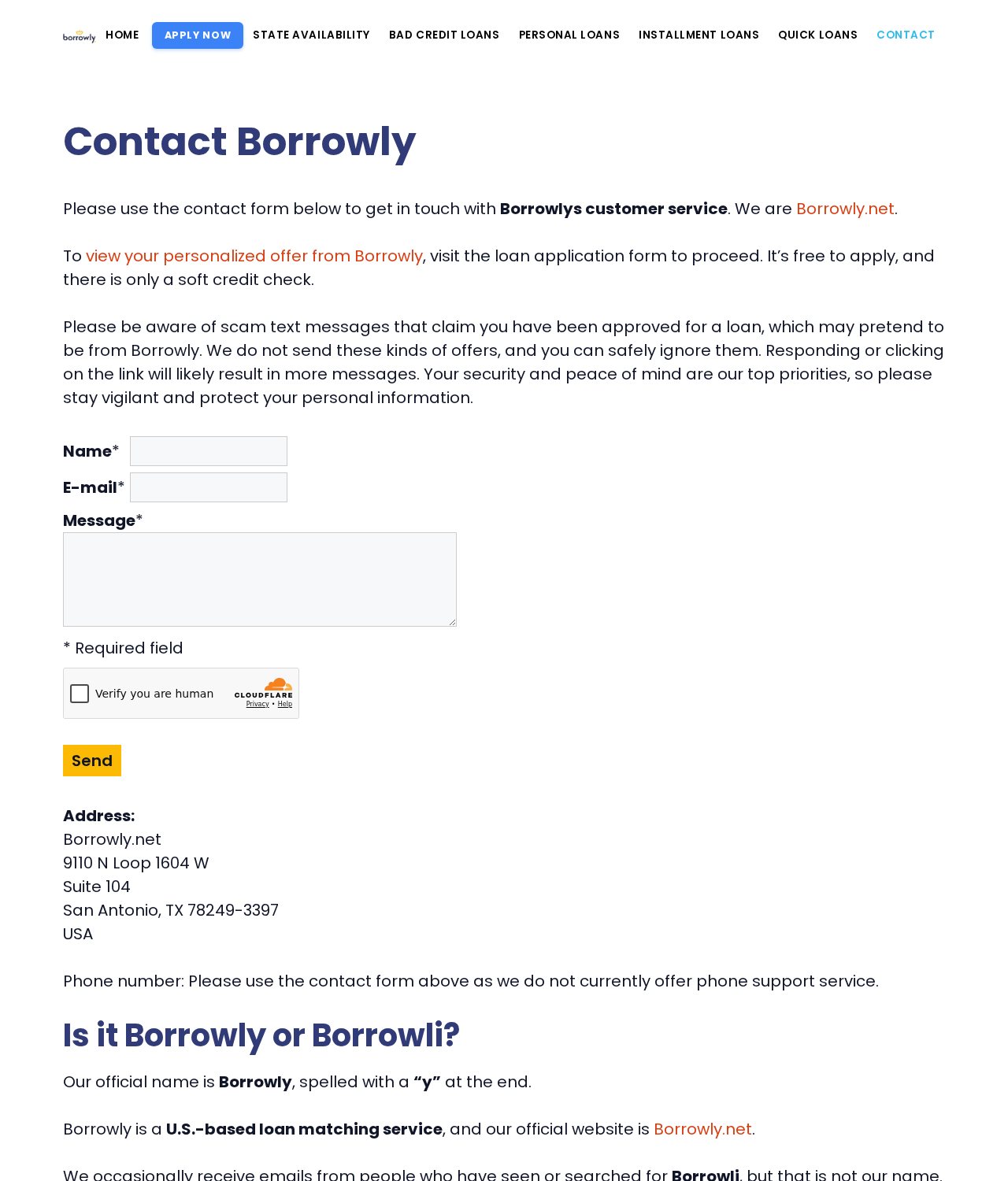
Borrowly.net’s own contact page warns about scam approval texts pretending to represent it. The site says it doesn’t send those offers.
Separate BBB Scam Tracker reports describe unrequested messages, application updates, and links. One includes a sequence using Borrowly and several other loan-related names.
Judge the message, not a familiar-looking logo
Don’t respond to an unsolicited approval or use its link. If you actually applied somewhere, reopen your existing application through records you already trust.
- A named agent does not authenticate an application.
- A short-code follow-up does not establish the sender’s identity.
- Borrowly, Borrowlly, and Borrowli aren’t interchangeable spellings.
- Loan matching isn’t the same thing as a lender approving funds.
- Receiving a text alone doesn’t prove identity theft or device infection.
What the Reported Borrowly Messages Actually Say
A June 15 BBB report describes an unexpected Borrowly approval attributed to an agent called Tony. A regular-length number was followed by three short-code messages.
The recipient said no application had been made. An agent’s first name and a sequence of follow-ups made the claim sound like an existing lending relationship.
A separate June 6 report provides a longer message sequence. It moves from acknowledging a request to announcing amounts and pushing status checks.
The sequence includes Borrowly, CheckGo, Fintara, GoChecks, and PartnerPros. One message uses a recipient name, while a repeated version leaves it blank.
Reported amounts include 2600, 1000, and 400. These are numbers inside messages, not verified account balances or evidence that anyone was entitled to those funds.
The same submission also contains an unrelated Apple impersonation message. Its inclusion doesn’t establish that the Apple and loan messages have one operator.
These are consumer-submitted accounts, not findings about who controls every destination. No completed loan, credential theft, or particular charge was established by these messages alone.
Still, the practical contradiction is clear: a message describes progress on an application the recipient never made. Don’t supply the missing application yourself.
How the Borrowly Fake-Approval Text Scam Works
Step 1: An invented application makes the approach feel personal
Starting with an application update skips the awkward introduction. The sender behaves as though you’ve already chosen the service and authorized a financial conversation.
That framing can catch people who recently compared loans, even when the text has nothing to do with the comparison service they used.
It can also frighten someone who hasn’t borrowed. The obvious question becomes whether another person used their identity, rather than whether the text is truthful.
Check that concern outside the conversation. Your own records and verified financial accounts are useful evidence; a stranger’s invitation to investigate through their link isn’t.
Step 2: A number and deadline make the money feel nearly available
The reported sequence introduces amounts and deadlines, including a same-afternoon cutoff and a limited number of remaining hours. The next click is presented as routine completion.
Numbers make the promise concrete. A deadline then makes pausing feel like losing an opportunity, even though no genuine approval has been established.
You aren’t surrendering available funds by refusing that link. You’re refusing to treat an unsolicited message as a loan agreement.
Step 3: Follow-ups and changing names keep the conversation alive
Some reported messages arrive under different names while repeating the application-update theme. That can make separate approaches seem like departments handling one request.
A message about an accepted request can be followed by another invitation to see options. Neither wording identifies a lender committed to funding that amount.
The Mayline loan-text pattern uses a similar familiar-follow-up hook. That comparison explains the tactic, not a shared operator.
Evaluate any new sender from the beginning. A second message cannot vouch for the first simply by repeating the same financial story.
Step 4: The reply or link becomes the real objective
The FTC’s fake-loan text warning describes this application-already-underway pretext. It can lead to requests for identity or banking information.
A reply can also establish that someone is engaging. You don’t have to disclose an SSN before an unwanted exchange becomes more persistent.
Don’t enter information as a test. Reaching another form doesn’t resolve the original problem: you still haven’t established why this sender claims you applied.
The safe stopping point comes earlier: don’t let an unrequested approval choose where you disclose financial information, and don’t pay to make its supposed problem disappear.
Borrowly.net, Borrowly.io, and Borrowly.us Are Not One Verified Sender
Borrowly.net explicitly warns about the approval texts
The contact page at borrowly.net identifies that address as its official website and describes the service as loan matching. It distinguishes Borrowly from Borrowli.
It also says telephone support isn’t currently offered. A text presenting a callback as Borrowly.net’s support line therefore needs independent scrutiny, not automatic trust.
The warning gives you a way out of the conversation: you can ignore the fake approval without asking the texter to remove an invented loan.
The application page on .io describes information sharing
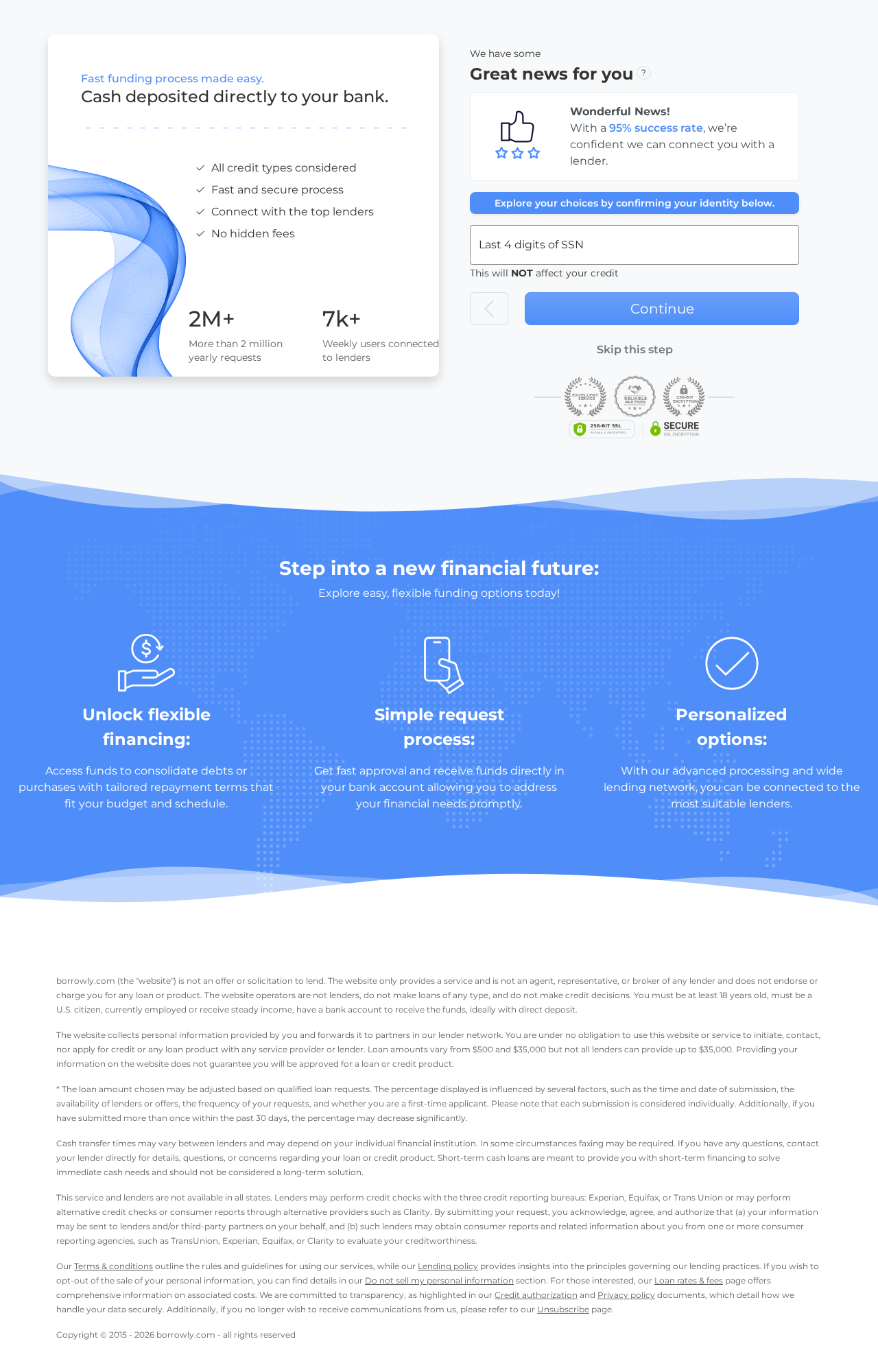
The public page at apply.borrowly.io presents an application interface. Its disclosure says the website isn’t a lender, doesn’t make credit decisions, and forwards submitted information to partners.
It also says submission doesn’t guarantee approval. That distinction matters when an unsolicited text presents a matching process as money already approved.
The loaded page asks for the last four digits of an SSN. Its prominent 95% success message concerns connecting with a lender, not a guaranteed deposit.
Even a partial identifier deserves care. Don’t supply it just because a text says your existing application needs verification.
The live page doesn’t establish who sent a particular text or validate any recipient-specific link. Don’t fill it out merely to investigate an unwanted message.
The .us website names a separate declared operator
Borrowly.us describes a marketing and lead-generation service and names Score Digital LLC in its footer. It says information can be shared with lending and marketing partners.
That is the website’s own disclosure, not proof connecting it to the unsolicited texts or to every other Borrowly domain.
Keep the exact address and legal identity attached to any service you actually used. A search result for a similar name cannot authenticate your sender.
The Extra L and the Misleading Link Labels
The June message sequence includes open.borrowlly.com, go.borrowlly.com, and auth.borrowlly.com. Those addresses use Borrowlly with two consecutive l characters.
That’s different from Borrowly with one l. Borrowli introduces another spelling again. Read the address itself rather than mentally correcting it into the brand you expected.
Words before the main domain, such as open, login, auth, or mylogin, can suggest an account portal. Those labels are not verification badges.
For example, auth.borrowlly.com remains an address under borrowlly.com. The word auth doesn’t make it an authenticated Borrowly.net service.
The reports also contain addresses under checkgo.io, fintara.org, gochecks.org, and partnerpros.org. Listing those domains identifies the reported sequence, not ownership of every website using them.
Some messages include STOP instructions beside those links. A familiar opt-out footer doesn’t independently establish that you consented to contact or that the underlying request exists.
If you recognize a genuine marketing relationship, use that service’s verified privacy or unsubscribe channel. An unknown sender shouldn’t choose a new cancellation website for you.
Recipient-specific endings have been omitted here. Don’t copy somebody else’s unique message link into your browser or send it to a public discussion.
A clean-looking destination or encrypted connection doesn’t settle the approval question. First establish an application you initiated and the business authorized to handle it.
What If You Really Did Compare Loans?
Start with the confirmation you received at the time, not the latest text. Check the original service, submission date, requested amount, and disclosures you accepted.
A loan comparison form may explain later marketing contact. That possibility still doesn’t establish that a specific sender has approved funds or can safely receive sensitive documents.
Contact the original provider through a saved account, known website, or existing correspondence. Ask whether the message and named partner relate to your actual request.
Keep matching, eligibility, and final approval separate. A matching service can pass along a request without making the lending decision described in a text.
Before accepting genuine credit, you need the lender’s actual written offer, borrowing cost, repayment terms, and any fees. A message amount supplies none of those details.
Don’t provide an SSN or bank password to an unknown texter to help them locate an application. Identification should happen through a channel you’ve independently verified.
If a real lender confirms an application you didn’t authorize, handle that as a possible identity-theft issue. Ask its fraud department how to dispute it.
If nobody can establish an application, don’t create one to satisfy the message. An unsolicited claim isn’t a debt, a repayment schedule, or an obligation to respond.
What to Do If You Received or Answered a Borrowly Text
-
Only received it? Report and block without replying.
Use your messaging app’s spam-reporting option or forward the suspicious text to 7726 where supported. Save evidence first if you intend to make a report.
The FTC specifically advises against replying, including answering NO to an invented application. Don’t use a separate cancellation link from the sender.
-
Clicked but entered nothing? Close the page and check what happened.
Look for an unexpected download or permission request. A page visit alone isn’t proof that your SSN was stolen or that your phone needs resetting.
If you installed software, granted remote access, or see new device problems, get help for that specific exposure. Don’t buy a cleanup service from the texter.
-
Shared account credentials? Secure those accounts directly.
Use the genuine app or a known address to replace the exposed password. Change it elsewhere only where you reused that same password.
Enable multifactor authentication and review unfamiliar sessions or recovery changes. Tell your bank promptly if you disclosed banking access or a security code.
-
Shared identity details? Use the appropriate identity-theft steps.
IdentityTheft.gov provides recovery guidance based on the information exposed. Record whether you disclosed an SSN, identification image, account number, or just contact details.
A free credit freeze requires contacting Equifax, Experian, and TransUnion separately. It restricts access used for new-credit decisions until you lift it.
A freeze doesn’t cancel an existing transaction or replace speaking to your bank about account access. Match the protection to the information actually disclosed.
-
Paid someone? Contact the payment provider immediately.
Use the number on your card, your banking app, or the provider’s verified site. Explain the misleading loan promise and ask about reversal or dispute options.
The FTC’s payment-recovery guidance covers different payment methods. Keep transaction references and report any pending transfer quickly; reimbursement isn’t guaranteed.
-
Preserve the message without publishing somebody’s private details.
Keep the sender, date, complete text, linked domain, and any payment record privately. Screenshots help preserve a sequence when messages arrive from changing numbers.
Report suspected fraud at ReportFraud.ftc.gov. Public posts should hide names, personal account information, and individualized links.
-
Reject follow-up demands to release, cancel, or recover money.
Don’t send a fee because someone says an unrequested approval must be canceled. Don’t pay an unknown recovery agent promising to retrieve an earlier loss.
Any genuine payment dispute should continue through the provider you contacted independently, not a new number introduced in the original text conversation.
Frequently Asked Questions
Is a Borrowly approval text a scam if I never applied?
Treat an unrequested approval with a reply or link prompt as unsafe. Borrowly.net warns about such impersonation, and recipients have reported the same false-application pretext.
Is Borrowlly.com the same address as Borrowly.net?
No. The spelling and domain ending differ. Several reported links use the double-l Borrowlly spelling; that isn’t evidence they belong to Borrowly.net.
Does a text from Tony prove a real agent reviewed my request?
No. Tony appears in a reported message, but a first name doesn’t establish employment or approval. Verify an actual application through records independent of the text.
Should I reply STOP to make the messages end?
Don’t reply to an unidentified suspicious loan message. Report and block it through your phone. Manage a recognized service’s marketing preferences through independently verified channels.
Does receiving the message mean someone opened a loan in my name?
Not by itself. Check genuine application and credit records if concerned. Investigate an unfamiliar account with the actual institution, rather than asking the texter to resolve it.
Are all websites called Borrowly part of this scam?
No such blanket connection is established. Borrowly.net, apply.borrowly.io, and Borrowly.us make different disclosures; their existence doesn’t authenticate the messages or prove common control.
The Bottom Line
Don’t reply to or follow an unsolicited Borrowly approval link. The fake-application story is the trap, and you don’t need to complete it to cancel anything.
If you already acted, secure the specific account or information exposed and contact your payment provider about any loss. Verify real borrowing separately from the text.

Join the discussion
0 commentsShare your experience or ask a question about this article.
Discussion
Start the conversation
Have a question or something useful to share? Add the first comment.