

You’ve likely seen the ads: a “weird pink salt trick” that allegedly melts stubborn belly fat overnight. Products like BurnJaro and SlimJaro are being aggressively promoted across TikTok, Facebook, and Instagram with dramatic before-and-after photos and claims of effortless weight loss. The star of the show? A tiny vial of liquid or pill containing Himalayan pink salt and a handful of “natural” ingredients.
It sounds too good to be true—because it is.
In this article, we’ll expose how the BurnJaro and SlimJaro scams work, break down the deceptive marketing tactics, and give you a step-by-step guide on what to do if you’ve already fallen victim.
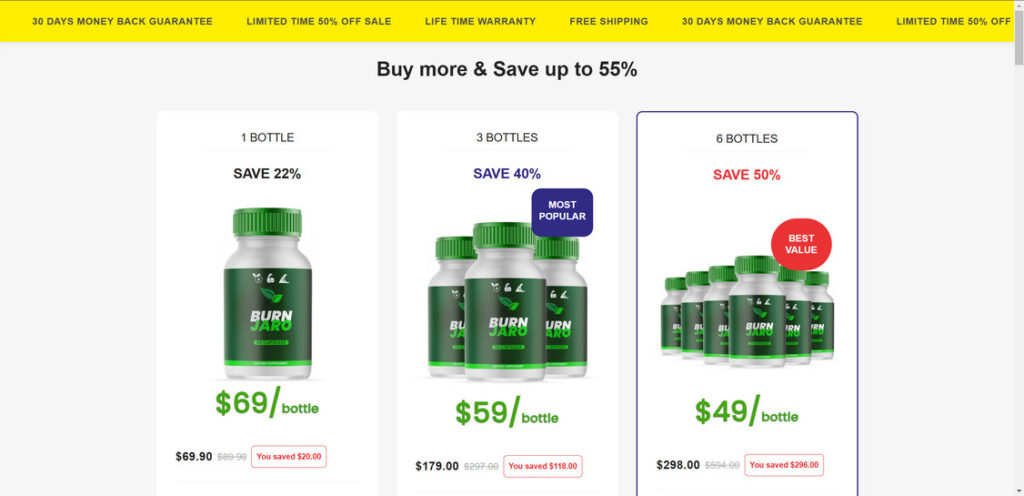
What Is BurnJaro and SlimJaro Really Selling?
BurnJaro and SlimJaro are part of a growing network of weight loss scams designed to exploit consumer desperation and curiosity. Pitched as revolutionary “pink salt trick” supplements, these products claim to trigger rapid fat loss, balance metabolism, and even increase hydration—without dieting or exercise.
These promises are plastered across:
- Facebook ads with fake success stories
- TikTok influencers paid to recite scripted testimonials
- “Breaking news” style video pages with dramatic health claims
- Fake scientific endorsements from unverifiable “experts”
Despite what these flashy ads say, there’s no scientific evidence that a few drops of BurnJaro or SlimJaro will result in sustainable weight loss. Even more concerning: users are often lured into hidden subscription traps, fake testimonials, and deepfake videos promoting these products.
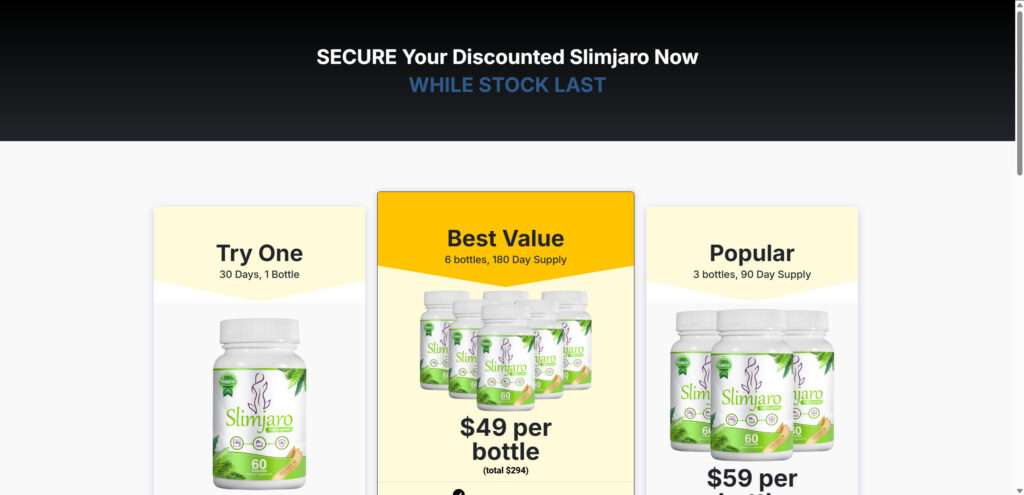
The Claims That Raise Red Flags
BurnJaro and SlimJaro marketers commonly use these over-the-top claims:
- “Lose 45 pounds in just 3 weeks—no diet or exercise!”
- “This rare pink salt blend burns fat while you sleep.”
- “Big Pharma doesn’t want you to know about this trick.”
- “Clinically backed by Harvard scientists” (with no source)
None of these are backed by published studies, clinical trials, or credible reviews from registered dietitians. The supposed “secret Himalayan salt formula” is nothing more than marketing fluff.
Tactics Used to Mislead Buyers
Here are the most common deceptive tactics used:
- Fake Testimonials: The success stories you see are often actors, stock photos, or AI-generated reviews.
- Fake Urgency: “Only 12 bottles left!” or “Offer expires in 15 minutes!” countdowns that reset each time you refresh the page.
- Deepfake Celebrity Endorsements: Some ads even use AI-generated videos claiming approval from celebrities or doctors who have never heard of these brands.
- Disguised News Articles: Many ads link to websites that mimic CNN, Fox News, or Healthline layouts to gain trust.
- Hidden Recurring Payments: Buyers believe they’re making a one-time purchase but are later billed monthly for $89 or more.
How the BurnJaro & SlimJaro Scam Works
Step 1: Targeting Vulnerable Audiences
Scammers target:
- Individuals searching for fast weight loss
- Seniors concerned about metabolism or mobility
- People following health influencers
Facebook and TikTok algorithms push these ads heavily based on user behavior, especially if someone has recently browsed weight loss content.
Step 2: The Viral “Pink Salt Trick” Hook
The ad usually references a “pink salt hack” discovered by a doctor, monk, or forgotten ancient tribe. It promises users they can lose weight while they sleep, all by adding a few drops of a supplement to water each morning.
Once a user clicks the ad, they’re taken to a long-form video or faux-article designed to manipulate emotions and urgency.
Step 3: Fake Science and Emotional Manipulation
The video or article will include:
- A dramatic personal story (someone’s mom lost 60 lbs and reversed diabetes)
- Buzzwords like “detox,” “hormonal reset,” or “blood sugar balancing”
- Fake doctors or “clinicians” with no verifiable medical background
- Graphics and diagrams mimicking scientific studies—but with no citations
Step 4: Pressure to Buy With Discounts and Countdown Timers
The viewer is hit with:
- “75% OFF Today Only!”
- “Buy 3, Get 2 Free!”
- A timer urging immediate action
- Fake testimonials from people claiming it changed their life
At this point, critical thinking is overridden by urgency and emotional appeal.
Step 5: Hidden Subscription Trap at Checkout
The checkout page is where the real scam happens.
- The customer thinks they’re paying $39 once.
- In the fine print: enrolling in a monthly subscription, with auto-renewals of $89 or more.
- No visible customer service contact or cancellation option.
Step 6: Poor Product Delivery (or None at All)
If you receive the product, it often arrives:
- Late or damaged
- With vague labeling and no ingredient list
- Containing ineffective or unverified herbal blends
Some customers report never receiving the product at all, despite being charged multiple times.
Step 7: Impossible Refund and Data Harvesting
Once the charge goes through:
- Refund requests are ignored or denied
- The website may vanish or redirect
- Your email and phone number are sold to other scam lists
- You begin receiving new scam ads (from “related” pink salt products)
What To Do If You’ve Fallen Victim to the BurnJaro/SlimJaro Scam
- Contact Your Bank or Card Issuer
- Request a chargeback citing fraud or unauthorized charges
- Ask to block future transactions from the merchant
- Cancel Any Subscriptions
- Look for emails with subscription or billing links
- If none exist, contact your bank instead to stop auto-payments
- Report the Scam
- FTC: https://reportfraud.ftc.gov
- Better Business Bureau: https://www.bbb.org/scamtracker
- Internet Crime Complaint Center (IC3): https://www.ic3.gov
- Monitor Your Credit and Identity
- Monitor bank statements for unknown charges
- Use https://www.annualcreditreport.com to check credit activity
- Set up a fraud alert with major credit bureaus
- Leave a Review to Warn Others
- Post your experience on forums like Reddit (r/scams), TrustPilot, or ScamAdviser
- Include screenshots and details to help others avoid the trap
- Speak With a Healthcare Provider
- If you ingested the product and feel unwell, consult your doctor
- Bring the supplement bottle to your appointment for a full review
The Bottom Line
BurnJaro and SlimJaro are not miracle solutions. They’re marketing-first scams designed to drain wallets, not fat cells. Their so-called “pink salt trick” is nothing more than a gimmick wrapped in emotional manipulation, fake endorsements, and urgency tactics.
If weight loss is your goal, there are no shortcuts. The healthiest path remains a combination of:
- Evidence-based nutrition
- Physical activity
- Professional medical guidance
When something claims to melt fat “while you sleep” with no effort at all, your alarm bells should ring. Stay alert, stay skeptical, and always do your research before clicking “buy.”
Frequently Asked Questions (FAQ) About the BurnJaro and SlimJaro Scam
Is BurnJaro or SlimJaro approved by the FDA?
No. Neither product is FDA approved. The FDA does not review or endorse dietary supplements for safety or effectiveness.
Does the “Pink Salt Trick” really work for weight loss?
No. There is no scientific evidence that pink Himalayan salt or any variation of it can cause weight loss. The trick is just a misleading marketing tactic.
Are the reviews for BurnJaro and SlimJaro real?
Most of the reviews appear to be fake. They often use stock photos, generic language, and unverifiable names. Some testimonials are completely AI-generated.
What is actually in BurnJaro and SlimJaro?
The full ingredient list is often vague or unavailable. In many cases, the label is missing entirely or lists common herbs with no dosing information.
Why do the ads say “only 3 bottles left”?
This is a false scarcity tactic to rush purchases. The number resets each time you visit or refresh the page.
Can I get my money back?
It’s very difficult. Most users report that refund requests are ignored. Your best chance is to dispute the charge directly with your bank.
Why am I being charged every month?
You may have unknowingly signed up for a recurring subscription. The fine print on the checkout page often hides this information.
Is there a real doctor behind the pink salt trick?
No. The “doctor” used in the ad is either a paid actor, AI-generated image, or a fictional character created to boost credibility.
Why isn’t BurnJaro or SlimJaro sold in stores?
Because reputable retailers have quality and transparency standards that these products do not meet. That’s why they’re only sold through their own websites.
How do I avoid scams like this in the future?
Always research the product and company, check independent reviews, look for third-party testing or transparency, and avoid anything that uses urgency or miraculous claims to get your money.

Join the discussion
0 commentsShare your experience or ask a question about this article.
Discussion
Start the conversation
Have a question or something useful to share? Add the first comment.