


A supplement arrives in a familiar-looking bottle, and the delivery appears to complete an ordinary online purchase. The label seems to explain what’s inside.
For customers in one eBay fraud case, that assumption had serious consequences. The difference between the label and the contents eventually reached investigators and a federal courtroom.
Overview
Counterfeit bottles were sold as genuine diet supplements
The counterfeit diet pills scam involved Carrie Ann Taylor selling falsely labeled products through eBay. Federal investigators found methamphetamine in pills obtained from several shipments.
The DOJ’s sentencing announcement records a three-year prison sentence following Taylor’s guilty plea to mail fraud.
The case concerns her counterfeit shipments, not a finding that the genuine manufacturers deliberately put methamphetamine into their products.
Investigators compared suspect shipments with manufacturer orders
The prosecution describes five separate shipments collected during 2023 and 2024, with every pill tested from those shipments positive for methamphetamine.
Undercover orders labeled PhenQ Ultra and PhenGold tested positive. Separate orders obtained directly from those manufacturers tested negative for methamphetamine.
That comparison is crucial: the copied brand name and bottle presentation didn’t establish that customers had received a genuine product.
The consequences extended beyond an unsuccessful purchase
- Some suspect bottles carried the Skald Oxydynamic Fat Scorcher name.
- Other counterfeit shipments used PhenQ Ultra and PhenGold labeling.
- Reported harms included workplace drug-test problems and legal expenses.
- The sales volume was approximately 1,517 bottles, rather than 1,517 confirmed individual victims.
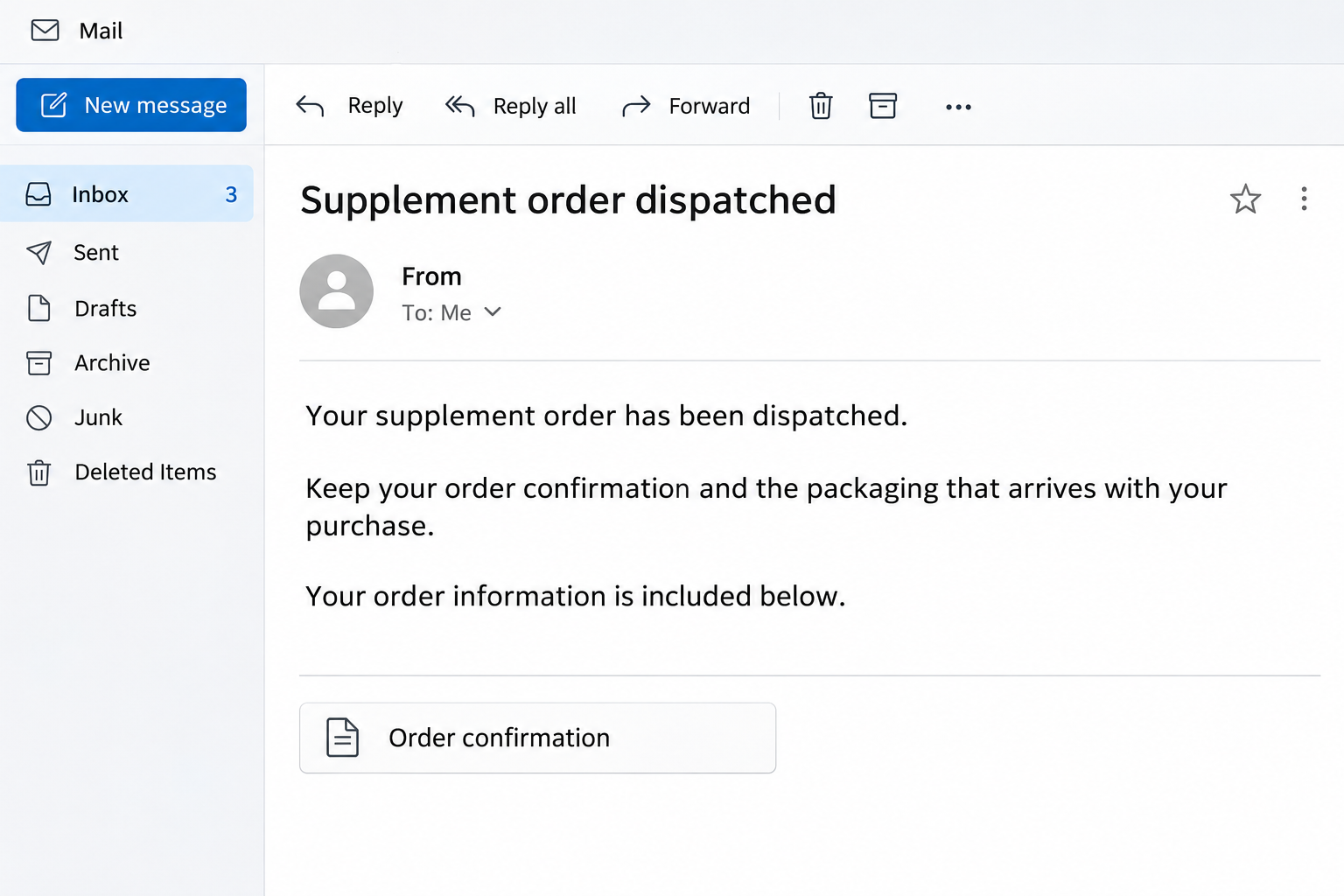
The lead email is a reconstruction of an order-dispatch notice. It isn’t an original Taylor message and doesn’t authenticate the contents of any bottle.
What the Tests Established About the Counterfeit Shipments
The investigation began with a customer’s suspicion after a workplace drug test. Remaining pills were collected, providing evidence beyond the customer’s description of what happened.
Investigators collected pills from five shipments and arranged undercover orders. Laboratory testing then supplied an answer that photographs and a seller’s assurances couldn’t provide.
The problem went beyond disappointing weight-loss results. Pills sold as legitimate supplements contained methamphetamine, exposing customers to a substance they hadn’t knowingly chosen to take.
The manufacturer comparison also narrows responsibility. The suspect eBay products and the directly obtained comparison products weren’t interchangeable merely because their labels used the same names.
For a buyer, the copied label made an ordinary purchasing decision unsafe. Choosing a familiar product name hadn’t protected them from the seller supplying something else.
For someone holding a suspicious bottle, appearance can’t answer the contents question reliably. Don’t take another dose to see whether it produces the effect you expected.
Bundle and refill warning
One documented customer received six counterfeit bottles. The sentencing release doesn’t provide that order’s full price, checkout selection, or any refill consent.
Those missing billing details aren’t evidence of automatic enrollment. If reviewing an old purchase, check the actual receipt and later charges rather than relying on the label.
Do not reorder suspect bottles or authorize replacements. Preserve the packaging and transaction records, and ask your provider about any unrecognized charges.
How the Counterfeit Diet Pills Scam Worked
Step 1: A familiar product name supplied apparent legitimacy
Taylor falsely represented the pills as legitimate supplements made by real companies. Customers therefore encountered branding that implied an established source for the contents.
A recognizable name can make an unfamiliar seller seem less important. You may believe you’re simply choosing another place to buy the same product.
Counterfeit packaging breaks the link between label and source. The seller can copy the outside presentation while delivering something different inside, which is what the prosecution established here.
For a new purchase, evaluate the seller as well as the brand. A marketplace listing isn’t independent proof that the item came through an authorized supply route.
If you’re uncertain about a past order, preserve its seller identity and transaction record. The brand name alone may not identify who supplied the bottle.
Step 2: Delivery made the purchase appear complete
Customers received physical bottles, which can make a transaction feel more reassuring than an order that never arrives. Delivery still doesn’t authenticate the item.
The false labeling was central to the fraud. A product arriving in a bottle carrying the expected name didn’t make the claimed manufacturer connection true.
Keep the shipping label and order details together. They can connect a specific delivered item with the online account that sold it.
Avoid combining pills from different bottles or discarding packaging while investigating a concern. That can make it harder to establish which purchase supplied the remaining material.
Don’t sell or give away suspect products to recover the cost. A refund problem shouldn’t become another person’s exposure to the same unverified contents.
Step 3: The hidden contents created unexpected consequences
Customers described drug-test problems that led them to question the pills. Investigators then tested remaining products rather than assuming that the printed ingredient claims were accurate.
The DOJ describes an Army member facing legal expenses and another victim losing employment after a positive drug test. These were serious consequences of the counterfeit sales.
A reader shouldn’t infer that any unexpected test result must have the same cause. Medical and employment questions require the actual records and qualified assessment.
If you think a suspect supplement affected you, stop using it and tell a clinician what you took. Don’t rely on the seller to evaluate a health concern.
An absence of obvious symptoms also doesn’t authenticate the product. The decision to stop a suspect counterfeit shouldn’t depend on feeling an expected stimulant effect.
Step 4: Testing separated the suspect seller’s products from genuine comparison orders
The undercover purchases provided another way to examine what Taylor supplied. Direct manufacturer purchases of the same named products gave investigators a meaningful comparison.
The positive and negative results described by the DOJ concern those tested items. They shouldn’t be broadened into a claim that every product bearing those brands is contaminated.
Nor can a photograph of a genuine bottle clear a different seller’s stock. The relevant question is where the particular item came from and what it contains.
For consumers, the practical consequence is to retain the exact purchase information. Replacing an old receipt with a manufacturer’s homepage won’t establish the source of your bottle.
You don’t need to arrange a private test before seeking medical help or reporting the seller. Explain what you know and preserve the material safely.
Step 5: Complaints and warnings didn’t make the labels truthful
The sentencing account describes customers telling Taylor the pills were counterfeit and a manufacturer issuing a cease-and-desist notice. The operation nevertheless sold substantial quantities.
A seller’s reassurance therefore shouldn’t be treated as an independent answer to an authenticity concern. Ask the genuine manufacturer through a separately located channel instead.
Keep the seller’s response, including offers of replacement bottles or explanations about sourcing. Those communications may matter alongside the order and packaging.
Don’t take a replacement dose to prove that a new shipment is better. If the source is in question, another bottle from that source doesn’t resolve it.
Taylor’s guilty plea and sentence establish the criminal outcome. Your own medical, payment, or employment issue still needs records specific to the order that affected you.
The eBay Seller, Copied Labels and Genuine Manufacturers
The seller and the manufacturer weren’t the same source
The case describes Taylor’s eBay sales and pills falsely presented as products from legitimate supplement companies. That separation is essential when identifying whom to report.
Give the platform the seller account and order reference, rather than only the copied product name. Preserve messages showing who handled the transaction.
Avoid accusing an unrelated seller because they offer the genuine brand. Establish the connection with your actual purchase and the known case facts first.
A bottle label couldn’t verify the supply chain
The false packaging was designed to represent a manufacturer connection that wasn’t genuine. Familiar graphics and printed names therefore couldn’t authenticate the contents.
If a manufacturer offers an authenticity inquiry route, use contact details found independently on its genuine website. Ask about your specific seller, packaging, and purchase record.
Don’t post serial information or personal receipts publicly while waiting for help. Share necessary details through verified channels and keep copies of your correspondence.
The comparison tests had a specific scope
The negative manufacturer-order results described by investigators distinguish those comparison items from the counterfeits. They don’t establish that a supplement is appropriate for every person.
The FDA notes that dietary supplements aren’t approved before sale. Discuss use and possible reactions with a qualified healthcare professional.
Keep authenticity questions separate from health claims. Even a genuine package isn’t a substitute for clinical advice about your symptoms, medicines, or other conditions.
Return arrangements shouldn’t destroy useful evidence
A normal purchase dispute often leads to returning the item. Suspected counterfeit pills require care because the remaining product and packaging may be relevant evidence.
Ask the platform, payment provider, or investigating authority how to handle the material before mailing it anywhere. Don’t send it unsolicited to a laboratory or government office.
Retain the order details even if a refund is issued. Reimbursement doesn’t explain the contents or replace a health-related report.
What to Do if You Have Fallen Victim to This Scam
-
Stop using any bottle you suspect is counterfeit. If you have serious symptoms or feel acutely unwell, seek urgent medical care rather than waiting for the seller’s response.
Tell the clinician which product you took, when you took it, and where it was purchased. Mention that you suspect counterfeiting or undeclared ingredients.
Keep the bottle and packaging available for identification. Don’t take more pills, change prescribed treatment, or try to manage a possible exposure using advice from the seller.
-
Preserve the remaining product securely, away from children and anyone who might mistake it for an ordinary supplement. Keep each bottle with its own order records.
Save the order confirmation, seller details, shipping label, purchase date, payment record, and relevant messages. Photograph the packaging without opening or redistributing the contents unnecessarily.
Ask the appropriate authority for handling instructions before sending a sample or returning the bottle. Preserve evidence without creating another exposure.
-
Open your actual eBay order through your normal account and use the purchase-help or reporting route available for that transaction.
Explain that you suspect a counterfeit product, identify the seller and order, and ask how the platform wants the remaining item preserved or handled.
Keep its case number and instructions. If the ordinary return window has passed, ask what counterfeit-reporting or safety options remain rather than silently discarding the records.
-
Contact the payment provider through its established app or the number on your card. Describe the suspected counterfeit purchase accurately and provide supporting records.
Ask which dispute category, deadline, and evidence requirements apply. An authorized purchase of a counterfeit item isn’t automatically the same as an unauthorized card charge.
Confirm any refund in your actual account. Don’t accept another bottle or a promise of future credit as proof that the payment issue has been resolved.
-
For a suspected supplement reaction, open the FDA’s reporting guidance and follow its link to the Safety Reporting Portal.
Log in or choose guest reporting, select Start a new report, and choose the voluntary-report option for a private citizen, business, or veterinary provider.
Describe the product, seller, reaction, and timing as accurately as possible. Save the confirmation; submitting a report doesn’t replace urgent medical assessment.
-
If a drug-test, employment, or military matter is involved, preserve the relevant notices and obtain qualified advice promptly. Ask which response procedures and deadlines apply.
Provide the original purchase records and any verified case connection. Don’t assume an online article proves the cause of an individual test result.
Report internet-enabled fraud through IC3.gov when appropriate, keeping the transaction details separate from medical information that should remain private.
Questions Worth Asking About an Older Supplement Order
Start with the actual seller account and date of purchase. A current listing from someone else won’t establish where an older bottle originated.
Check whether multiple products were ordered together or arrived in separate shipments. Keep each product and its documents connected rather than merging everything under one brand name.
Write down when use began and ended, especially if a clinician asks about timing. Distinguish your recollection from dates documented on receipts or medical records.
If the old seller account is unavailable, look for your saved confirmations and payment statements. Those records may still connect the delivery with the person who supplied it.
Ask a genuine manufacturer about the particular item without assuming it can determine contents from a photograph. Packaging review and laboratory testing answer different questions.
Don’t buy another bottle as a comparison test. You can seek guidance and report the concern without creating another financial or health exposure.
Frequently Asked Questions
Does this mean genuine Skald, PhenQ Ultra, or PhenGold contains meth?
The case concerns counterfeit products sold by Taylor. Investigators’ direct manufacturer comparison orders of PhenQ Ultra and PhenGold tested negative for methamphetamine.
Don’t generalize the counterfeit results to every legitimate product or treat a copied brand name as proof of the source.
Were all 1,517 bottles tested by investigators?
The DOJ describes testing material from five separate shipments and reports positive results for every pill tested. The larger number describes bottles sold during the scheme.
Those aren’t interchangeable figures, and the sales count isn’t a confirmed count of individual victims.
Was this only a complaint about pills not working?
The prosecution described counterfeit labeling, tested methamphetamine, a guilty plea, and a prison sentence. That establishes more than dissatisfaction with a supplement’s performance.
A lack of weight loss alone wouldn’t establish the same findings for another product or seller.
Should I keep taking a suspicious bottle until someone tests it?
Stop using the suspect product and obtain medical advice about any concern or reaction. Don’t take another dose to investigate the contents yourself.
Preserve the item safely and ask for appropriate handling instructions before sending it elsewhere.
Should I immediately mail the pills back to the seller?
First ask the platform or relevant authority how to preserve and handle suspected counterfeit material. The remaining product may be useful evidence.
Keep the receipt and correspondence, and avoid sending samples or packages to an unverified address.
Will reporting the case automatically resolve a workplace drug test?
A report doesn’t automatically establish the cause or outcome of an individual employment or military matter. Those processes require their own evidence and qualified guidance.
Preserve the order and testing-related records promptly, and ask the responsible organization or adviser about applicable procedures.
The Bottom Line
Do not take or reorder suspected counterfeit pills from the documented Taylor operation. Familiar labels concealed a confirmed fraud with serious health and employment consequences.
If you still have a suspect bottle, stop using it, seek appropriate medical help, and preserve the purchase records. Report the seller and obtain instructions before returning material.

Join the discussion
0 commentsShare your experience or ask a question about this article.
Community experiences
Did this happen to you?
Your experience could help someone recognize the same scam. Submit a private report for our team to review.
I experienced this tooReports are reviewed before publication. Sharing publicly is always your choice.
Discussion
Start the conversation
Have a question or something useful to share? Add the first comment.