


The HappeningNowUSA page sounds like a chance to get ahead of bills that keep growing. It promises a quick check and puts an enrollment date near the button.
Before you tell the form what you owe, look at what the page is selling and which company would actually receive your information.

Overview
A private offer with a public-program vocabulary
HappeningNowUSA.com promotes a private debt program to people who owe at least $10,000. The sales copy refers to an unnamed major debt relief company.
Elsewhere, the same page discusses mortgage refinancing and cites Fannie Mae and Freddie Mac programs. That reference does not turn the debt questionnaire into a government application.
If you have both housing and credit card bills, this is a consequential distinction. Refinancing a mortgage replaces a loan, while settling card debt involves negotiations with your creditors.
The eligibility check goes to a separate form
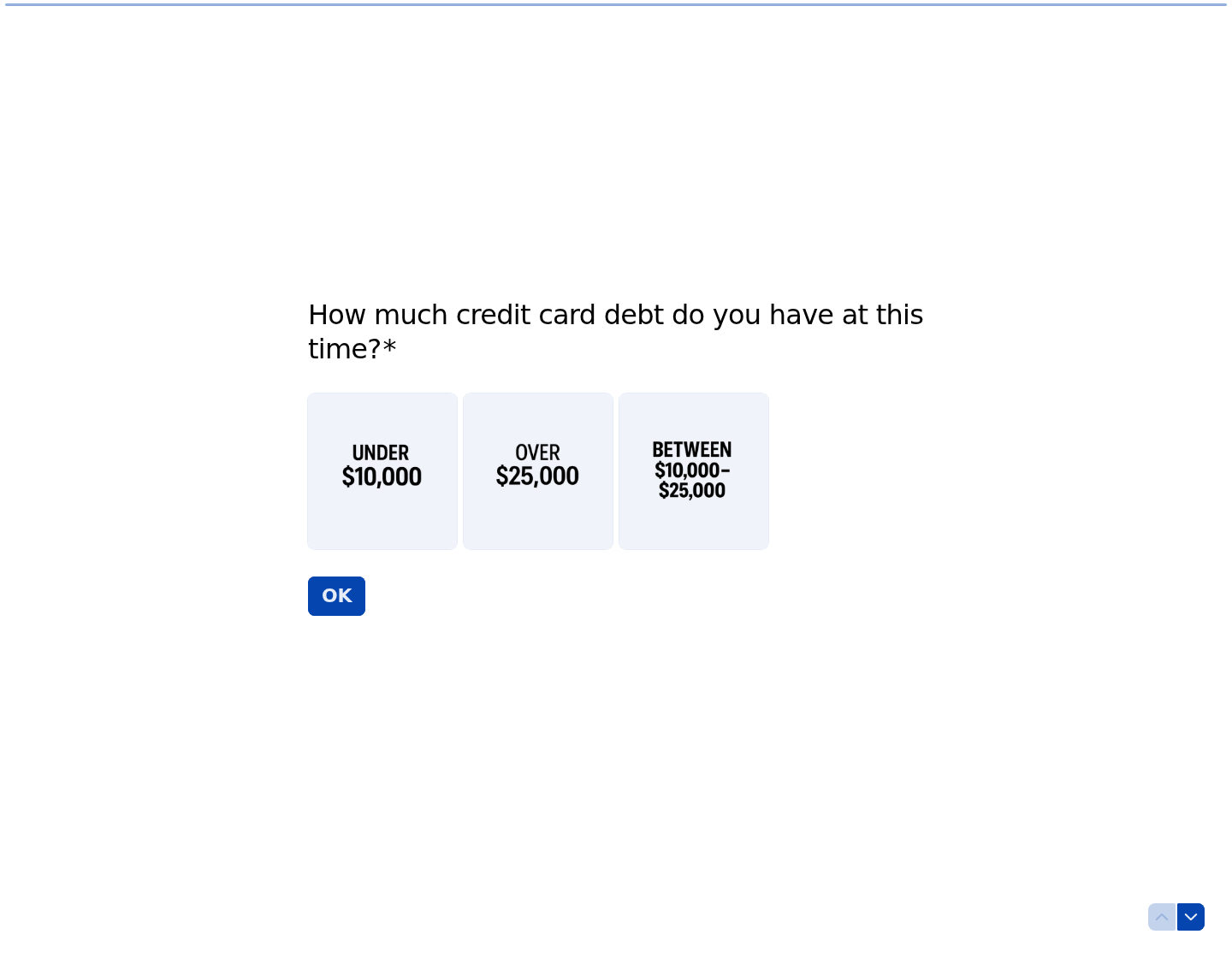
The call to action points to a Typeform page labeled American Finance Relief in its address. Its first question asks how much credit card debt you have.
The loaded screen offers three ranges. It does not show a lender reviewing your mortgage, a creditor accepting a settlement, or an agency awarding money.
There is even a choice for people who owe under $10,000. Selecting an amount on that screen is not proof that you meet the threshold on the sales page.
The referral business and enrollment language need a closer look
The publisher’s own disclosure says it earns referral fees and that compensation may affect ranking. The names in that disclosure do not identify the company that would handle your case.
The enrollment date read November 27, 2026 in the version examined here. An earlier documented visit displayed November 6, so the date should not be treated as an official cutoff.
- The private offer, a possible refinance and a real hardship program should each have a separate provider, application and set of terms you can check.
- Opening the questionnaire is different from signing an agreement or approving a charge. The first screen does not disclose what a debt company would cost.
- If an enrollment date is the only reason to move quickly, use the time to call your existing lender or card issuer instead.
How the HappeningNowUSA Offer Works
Step 1: The page makes a debt problem sound like an eligibility question
The offer names credit cards, personal loans, lines of credit, and medical bills. The wording asks whether you qualify instead of telling you who would negotiate on your behalf.
It also claims that over 500,000 Americans have enrolled. The same block does not identify the operator or provide a report that would let a reader check the number.
Enrollment is not the same as a successful settlement. Even a verified enrollment count would not tell you how many people settled all debts, paid fees, or left the program.
Step 2: The button leads away from the advertisement
In the version reviewed, the button links to a questionnaire on Typeform under the American Finance Relief name. Typeform is the form host, not proof of lender approval.
The form asks about card debt before showing any agreement with a provider. You can choose under $10,000, over $25,000, or the range in between.
No answer was entered or submitted for this investigation. The capture shows the point at which the service begins asking about your finances, not where your completed answers go.
Step 3: The site discloses that it can earn referral fees
HappeningNowAmerica.com appears as the publisher in the disclosure. The same text says that another named domain, CompareandTrust.com, receives compensation from companies behind the featured offers.
Those are statements by the page, not independently verified findings that either name corresponds to a specific legal entity. The disclosure also says compensation can affect how offers are ranked.
Referral marketing is not inherently fraudulent. It means the site can have an incentive to generate inquiries, even when an inquiry would not help a particular reader.
Who Would Handle Your Information and Your Debt?
The advertisement never names the company making the debt offer
A reference to one of the country’s biggest providers sounds reassuring, but it gives you no company name to check for registration, complaints, or previous regulatory action.
Ask for the company’s legal name and the exact service it is offering before you agree to a consultation. A brand on a form may only name the campaign.
The first question is who is selling a service. The next question is whether that same company will process the case, or refer it elsewhere for a fee.
The privacy links send you outside the domain that carries the offer
The page sends its terms, privacy and California notices to HappeningNowAmerica.com. Those destinations did not supply readable policies when checked, so they could not answer basic questions about data handling.
A privacy statement should say who receives information, why it is collected, and whether it is passed to other companies. Without that, a secure-looking button offers little reassurance.
Encryption protects a connection while information travels over it. It does not tell you which company ends up with the information or what permission you gave it to contact you.
A long-running brand claim is not a company record
The footer invokes a history going back to 1998, but provides no registration number or continuous company record that connects that year to the private program today.
For a financial service, request a written proposal that names the contracting company, states each fee, and explains how to cancel. Verify its details through sources you find yourself.
Compare the name on the proposal with the name that would appear on a bank statement. If someone says another company processes payments, get that relationship in writing first.
The ad, form host, and possible service provider are separate roles
HappeningNowUSA hosts the advertisement, while the next visible screen is on Typeform. Neither observation identifies who would negotiate with your creditors or what would happen after a submission.
The reviewed pages do not establish that anyone was charged, enrolled in a service or given a particular result. They do establish that you are asked for debt information first.
If someone contacts you after you used the link, ask how they obtained your information. Do not assume the caller was named on the page or works for your lender.
The Refinance References Do Not Verify the Private Debt Program
The page mentions Fannie Mae’s RefiNow and Freddie Mac’s Refi Possible. Those are real mortgage refinance options. They are not programs that erase credit card balances.
Fannie Mae’s refinance guidance tells borrowers to check whether Fannie Mae owns their loan and discuss eligibility with a lender. That check begins independently of the advertisement.
Freddie Mac’s Refi Possible FAQ likewise says that a qualifying mortgage must already be Freddie Mac-owned. An eligible existing mortgage does not bypass the lender’s review.
If you want to refinance, find the lender and servicer names on your statement. Use the relevant official loan lookup and then request a written comparison from a verified lender.
Compare monthly payment, closing costs, interest rate, loan term and how long you plan to stay. A smaller payment with a longer term can still cost more over time.
The advertisement cites a possible $3,660 in yearly savings in its reference notes. There, the figure rests on a historical estimate for a group of potential refinance candidates.
A historical average is not a quote for your address, loan balance or credit. You need today’s terms and your own closing costs before you can tell whether refinancing pays.
If you are trying to stop foreclosure rather than lower a manageable payment, contact the servicer immediately and use the CFPB’s housing counseling route.
Start With the Bill You Are Actually Trying to Lower
If the immediate problem is a credit card payment, use the number on your statement or in the issuer’s app. Ask for the hardship or payment assistance department.
Tell the issuer why payment is difficult, what you can pay now, and when your income or expenses might change. Ask what happens to interest, fees and credit reporting.
For several unsecured debts, a nonprofit credit counselor can help you compare arrangements. Ask whether the counselor offers a budget review, what it costs, and whether fees can be waived.
A debt management plan is not the same as debt settlement. In a management plan you make an agreed payment; settlement usually seeks acceptance of less than the balance.
The CFPB’s debt relief guide explains why stopping payments can leave you with additional fees, damaged credit, collection activity or a lawsuit.
Do not interrupt payments because an advertisement promises approval. Get the proposed terms in writing and ask each creditor whether it has accepted anything before changing your payment schedule.
What a Written Debt Proposal Should Tell You
Make a simple list of the balances you want help with and the companies that hold them. Keep that list private until you know who will see it.
Ask the provider to name which debts it would handle and which it would leave out. A plan that helps with cards may leave your mortgage untouched.
Have it put the total fees, when they can be charged, and who holds any money you set aside in writing. Ask what happens if a creditor refuses.
Find out whether you can stop the arrangement and get unused funds back. The answers matter more than the size of a discount promised over the phone.
Keep a copy of any proposal before you accept it. Compare that written offer against what creditors and a counselor independently tell you, account by account.
If someone asks to draft your bank account, pause until you know the company and understand the authorization. An initial conversation does not require access to that account.
Do not give up the chance to compare options to meet an advertising deadline. Your servicer can tell you which deadlines actually affect your loan.
For a missed credit card payment, the CFPB’s action guide recommends calling the issuer promptly. Its hardship options are worth hearing before you commit to a settlement company.
What to Do If You Already Used the Form
-
Write down what you actually shared. Save the date, the ad, the first page and any confirmation. Distinguish a debt range from information that can identify or access an account.
-
Screen calls without giving out more details. Ask for the legal company name, website and mailing address. Hang up and check those details through a source independent of the caller.
If you posted a number or email, ask any company that contacts you to stop using it. Keep copies of the request and note repeated unwanted contacts.
-
Reject advance fees for promised debt settlement. The FTC’s debt relief warning explains why legitimate providers do not charge upfront to settle debts they have not yet helped resolve.
-
Call your bank if you shared payment details. Explain what the caller received from you. Ask how to stop an unauthorized debit or dispute a posted charge.
If you shared a Social Security number, use IdentityTheft.gov to review the appropriate protections. That is different from merely clicking a debt range or closing the page.
-
Check any agreement you actually accepted. Find the cancellation terms, identify the company and keep your written request. Confirm that your creditor is receiving the payments you expect.
-
Report a deceptive call or financial demand. If you’re in the United States, send the ad and company details to the FTC’s fraud reporting service.
Keep passwords and security codes out of your report.
Frequently Asked Questions
Is the HappeningNowUSA debt program a government benefit?
The page calls the debt program private and discloses referral fees. Real mortgage programs mentioned elsewhere on the page do not sponsor or authenticate the debt questionnaire.
What does the questionnaire ask for first?
It asks you to choose a range for your current credit card debt. That question appears on a separate survey host, before any agreement with a provider.
Is the enrollment deadline a government cutoff?
There is no basis to treat the displayed date as a public program deadline. Different visits produced different dates, and the page calls the offer private.
Can I go straight to Fannie Mae or Freddie Mac?
Use their own guidance to check who owns your mortgage. Discuss terms and eligibility with a lender, because the lookup is not itself a loan application.
Does filling out the form mean I signed up?
The first screen is a questionnaire, not a contract. Check any confirmation and any separate agreement you accepted to find out what you actually authorized.
What if I only clicked through and closed the page?
A visit alone is not a payment authorization. You do not need to dispute a charge that does not exist or reset a password you did not share.
The Bottom Line
Do not use the HappeningNowUSA questionnaire to seek debt relief. It asks what you owe before establishing who would handle the case or supplying accessible terms for your data.
Start with your card issuer for unsecured debt or your servicer for mortgage trouble. If you already submitted the form, verify any caller separately before sharing more or paying.

Join the discussion
0 commentsShare your experience or ask a question about this article.
Community experiences
Did this happen to you?
Your experience could help someone recognize the same scam. Submit a private report for our team to review.
I experienced this tooReports are reviewed before publication. Sharing publicly is always your choice.
Discussion
Start the conversation
Have a question or something useful to share? Add the first comment.