

Dr. Phil appears to describe a breakthrough for blood sugar, a few liquid drops are presented as the answer, and the viewer is urged to act before the video disappears. The face is familiar, the voice sounds convincing, and the health problem is serious enough to make hesitation feel dangerous.
The endorsement is the trick. Dr. Phil has not endorsed GlycoLean as a diabetes cure, and a synthetic video cannot turn a supplement into proven treatment.
We followed the advertisement through the current GlycoLean pages, the claims about diabetes and insulin, the shifting product name, the seller information, and the checkout red flags that buyers should see before entering a card number.
Overview
The Dr. Phil endorsement is fake
The campaign uses Dr. Phil’s identity to make diabetes-drop claims feel like a trusted television recommendation. Modern face replacement and cloned voices can produce footage that looks natural on a small phone screen, especially when it is surrounded by captions and familiar studio imagery.
A convincing face is not evidence. We found no verified statement from Dr. Phil endorsing GlycoLean, telling viewers to replace diabetes care, or promoting a secret liquid cure.
The product pages make treatment-like promises
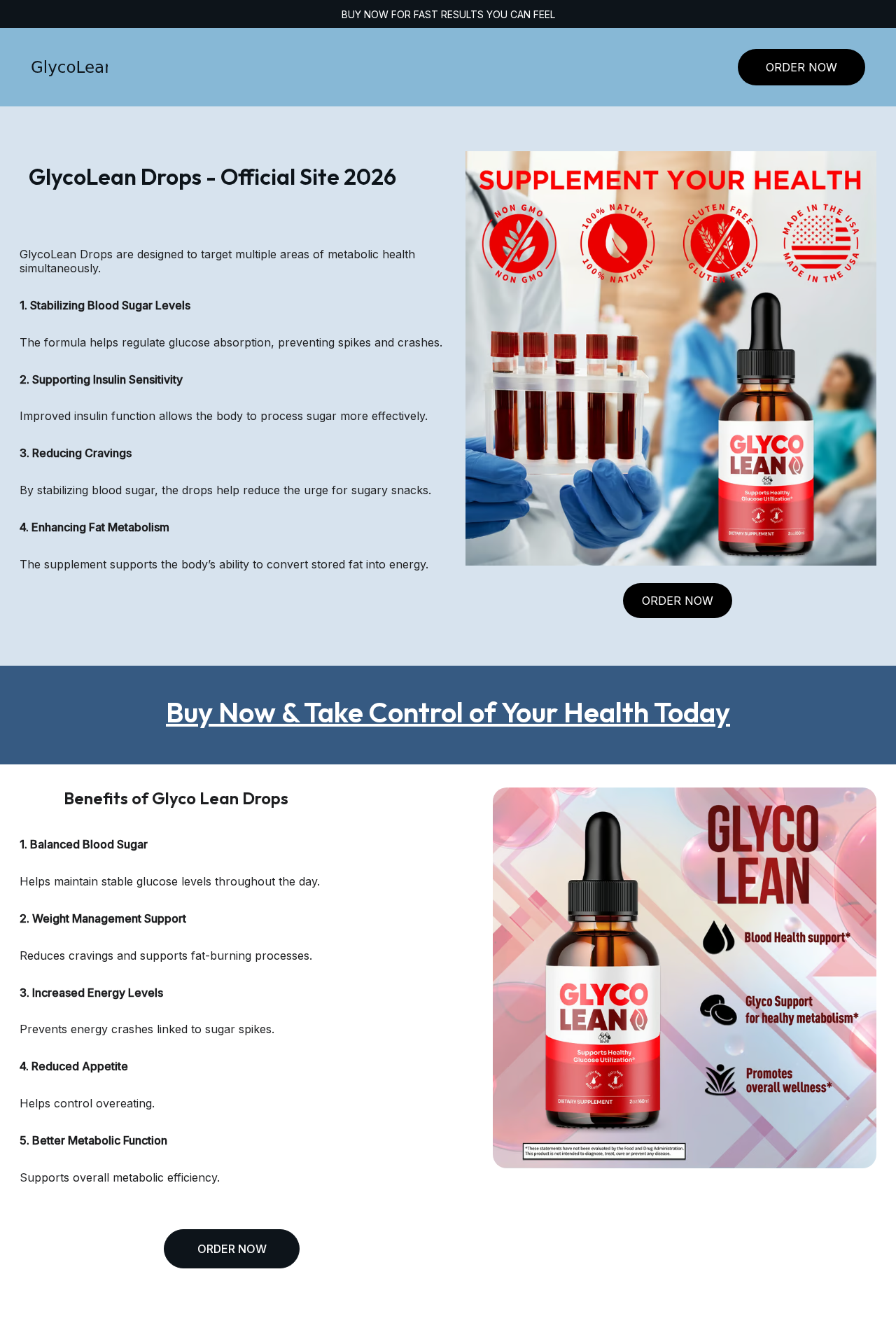
GlycoLean pages say the drops stabilize blood sugar, support insulin sensitivity, reduce cravings, improve fat metabolism, and restore energy. Another version goes further, referring to type 2 diabetes, GLP-1 and GIP activity, and a formula supposedly verified by the FDA.
Those claims go far beyond ordinary nutritional support. Dietary supplements are not preapproved by the FDA as treatments for diabetes, and “FDA verified formula” is not a standard substitute for drug approval.
The seller and product identity are unstable
One GlycoLean site sends its order buttons to a different domain. Contact information is thin, and a displayed telephone number uses the familiar 555 exchange associated with fictional examples. Another page interrupts visitors with a notice saying GlycoLean has been renamed GlucoTonic in two states.
A legitimate rebrand is possible, but the shifting name, redirecting checkout, and unclear legal seller make it difficult to identify who is responsible for the advertisement, payment, formula, and refund.
- The Dr. Phil endorsement circulating with GlycoLean is not authentic.
- The pages make broad blood-sugar, insulin, weight, and diabetes claims.
- One order flow moves visitors from GlycoLean to another domain.
- The public contact number appears to be a placeholder-style 555 number.
- Another sales page says the product is renamed GlucoTonic in certain states.
- The legal merchant, manufacturer, and fulfillment chain are not clearly connected.
- No online drops should replace insulin, metformin, testing, or medical care.
The Fake Dr. Phil Diabetes Drops Story
The advertisement borrows a television personality associated with personal advice and health conversations. That familiarity removes the first layer of skepticism. Viewers feel as though they already know the person speaking.
The video may claim that a simple ingredient restores insulin function, activates a metabolic pathway, or addresses the “real cause” of type 2 diabetes. The story often suggests that pharmaceutical companies or conventional doctors ignore the discovery because it would threaten profitable treatment.
This conspiracy frame protects the sales pitch from criticism. If a doctor warns that the product is unproven, the ad has already taught the viewer to see that warning as evidence of suppression.
The product is introduced only after the viewer has accepted the story. By then, GlycoLean does not feel like a random bottle. It feels like access to a discovery the audience was not supposed to see.
Deepfake technology makes the technique more dangerous. Scammers can copy a public figure’s facial movements, generate a similar voice, and edit old footage into a new script. Compression, fast cuts, large captions, and background music hide the remaining defects.
Always verify a celebrity endorsement through the person’s official website and verified accounts. A paid social post, unfamiliar news page, or video with a purchase button is not independent confirmation.
What GlycoLean Claims About Blood Sugar
The live pages use a mix of cautious support language and much stronger medical implications. Claims include stabilizing glucose, improving insulin sensitivity, reducing cravings, supporting the liver, helping fat metabolism, and restoring youthful energy.
One page describes an “FDA-verified” formula designed to address underlying factors behind type 2 diabetes. It refers to GLP-1 and GIP, terms consumers may recognize from prescription diabetes and weight-loss medicines.
Mentioning the same biological pathways does not make a supplement equivalent to an approved medicine. A plant extract marketed with GLP-1 language is not automatically proven to deliver the dose, receptor activity, clinical result, or safety profile of a prescription drug.
Diabetes is not a single symptom. Safe treatment depends on glucose patterns, A1C, kidney and liver function, cardiovascular risk, other medication, diet, and the person’s ability to recognize high or low blood sugar.
A supplement advertisement cannot perform that assessment. It also cannot promise that one formula will correct the condition for everyone.
GlycoLean, GlucoTonic, and the Changing Product Name
A separate GlycoLean page displayed a pop-up announcing that the product had been renamed GlucoTonic in Kansas and New Jersey because of “trademark regulations.” It told visitors that the formula remained exactly the same and that they would be redirected.
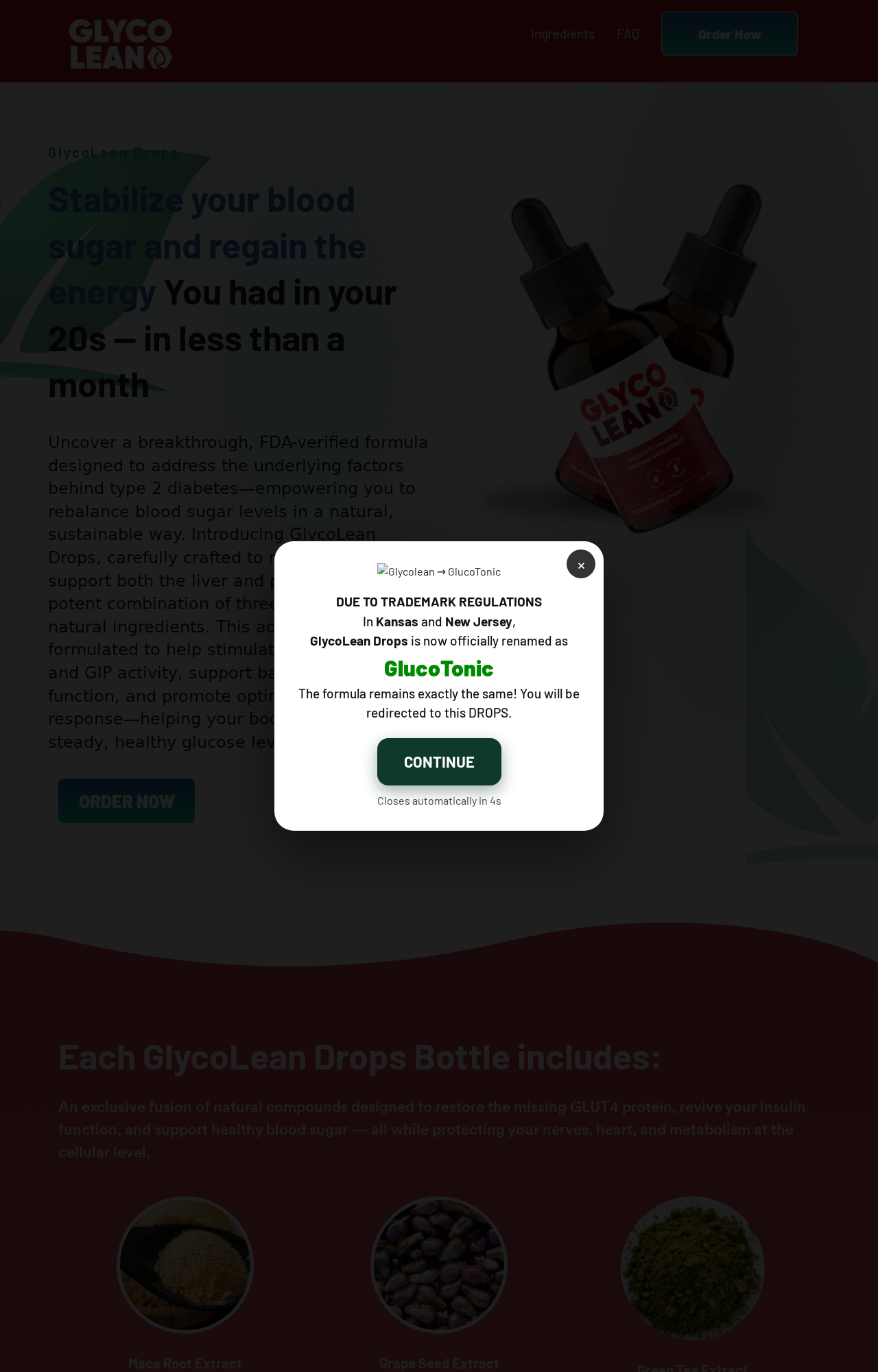
The notice is significant because consumers often search the bottle name when a charge or package arrives. If the same funnel rotates between GlycoLean and GlucoTonic, complaints, reviews, and warnings become fragmented across multiple names.
A rebrand is not proof of fraud by itself. Companies change names for genuine trademark reasons. A responsible seller would still identify the same legal entity, manufacturer, formula, terms, and support channels on both versions.
Here, the surrounding opacity makes the change harder to evaluate. One site uses GlycoLean branding but directs order buttons to fitnessup.org. Another uses a different market and a pop-up redirect. The buyer is left to work out which company will appear on the receipt and card statement.
Scam campaigns benefit from rotating names. When negative search results accumulate, a new label can preserve the same story, creative material, and checkout while weakening the connection to earlier complaints. That is why the story and transaction pattern matter more than one bottle name.
How the Fake Dr. Phil Diabetes Drops Scam Works
Step 1: A deepfake social video steals Dr. Phil’s credibility
The ad appears in a feed, often formatted like a television interview or urgent personal announcement. Dr. Phil seems to say that viewers have been misled about diabetes and that a simple discovery can restore control.
The video may be fully synthetic or built from authentic footage with a cloned voice and altered mouth movements. Neither version represents a genuine endorsement.
Step 2: The ad creates a secret medical discovery
The viewer hears about a hidden root cause, suppressed research, or a natural substance that supposedly activates a metabolic switch. Scientific terms are used without enough detail to test the claim.
The story turns uncertainty into certainty. Complex diabetes management becomes one missing ingredient, which conveniently appears in the product sold at the end.
Step 3: A fake news or interview page extends the illusion
Clicking may open an advertorial designed to resemble CNN, Fox News, a health magazine, or another trusted publisher. The logo and page layout create borrowed legitimacy, but the site address belongs to a marketing domain.
The page may contain a long transcript, fabricated comments, countdowns, and claims that the report could be removed. These features keep the reader inside the funnel and discourage independent checking.
Step 4: The product appears as the only logical solution
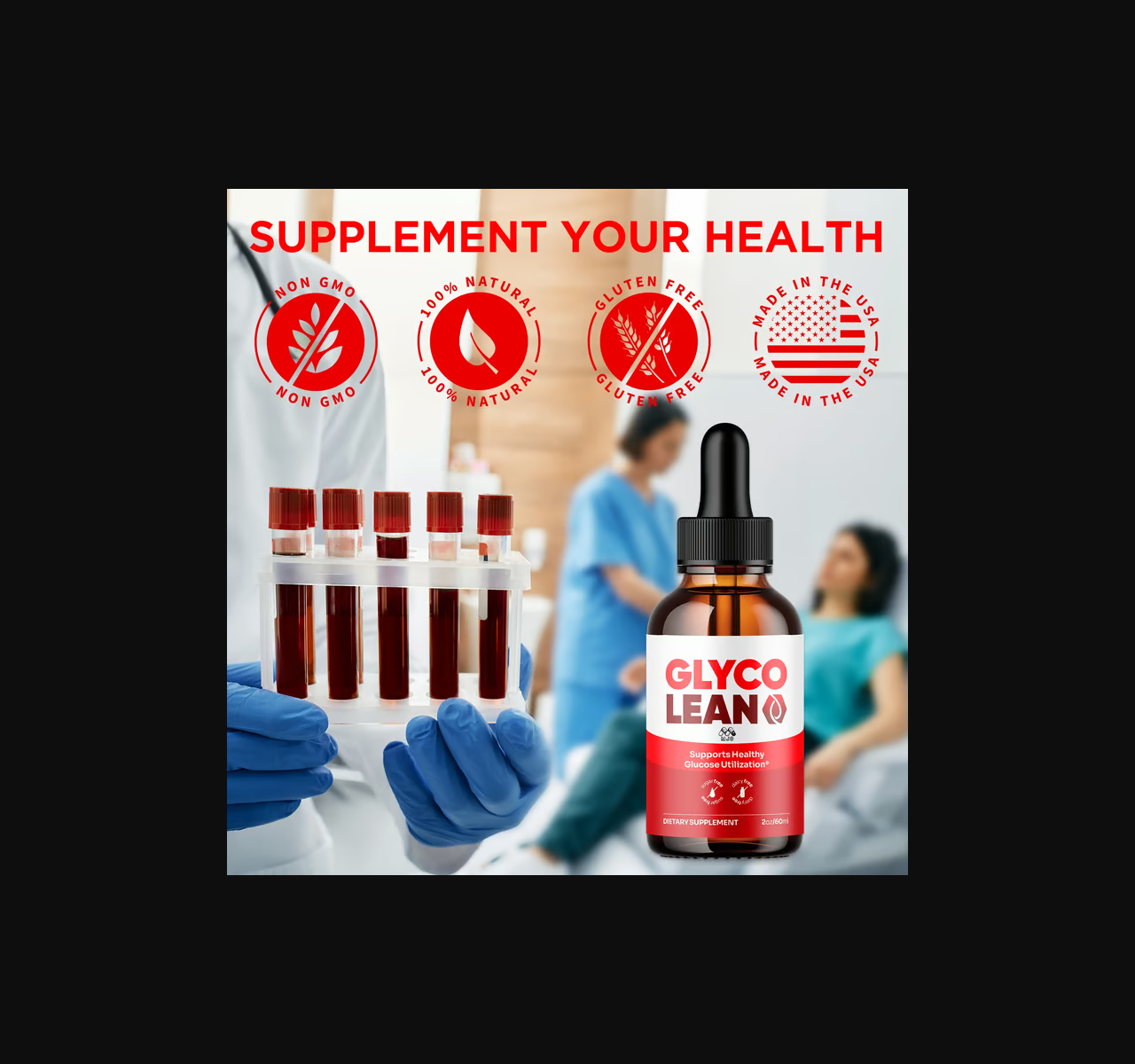
After explaining why ordinary treatment supposedly fails, the page introduces GlycoLean drops. Ingredient graphics and laboratory imagery make the bottle look like a clinical conclusion rather than a commercial offer.
The product image may itself be a digital mock-up. A realistic label does not prove the physical bottle matches the advertised formula or that the pictured laboratory tested it.
Step 5: Buttons redirect to an opaque sales or checkout domain
The domain displaying the claims may not be the domain taking the payment. A visitor who thinks they are ordering from glycolean.net can be moved to fitnessup.org or another processor.
This separation makes accountability harder. The ad publisher, advertorial, brand, merchant, processor, and fulfillment center may all use different names.
Step 6: Bundles and urgency increase the first charge
Sales pages commonly emphasize two, three, or six bottles, with the largest package presented as the best value. Timers, limited-stock messages, and guarantees pressure the customer to commit before checking the seller.
A bundle can turn a moment of fear into a substantial transaction. The per-bottle figure may be more prominent than the actual total.
Step 7: The name can change while the funnel remains
The buyer may later see GlucoTonic instead of GlycoLean, a different descriptor on the card, or another bottle promoted by the same Dr. Phil story. Searching one product name no longer reveals the complete pattern.
This is why the fake endorsement, medical promise, redirect chain, and legal merchant should all be documented at the time of purchase.
Why the “FDA-Verified Formula” Claim Is Misleading
The FDA does not preapprove dietary supplements for effectiveness before they are marketed. A manufacturer may operate a registered facility, and a product may use ingredients that appear in the food supply, but neither fact means the agency verified a formula as a diabetes treatment.
Approved drugs have a defined regulatory pathway, controlled evidence, labeling, manufacturing requirements, and ongoing safety monitoring. A supplement webpage cannot borrow the word FDA to imply that the same review occurred.
Ask for the exact regulatory meaning in writing. If the seller cannot provide an approval number or an official agency record matching the claim, do not interpret the badge as government confirmation.
Be especially skeptical when the page implies that drops can replace prescribed treatment. The FDA has repeatedly warned consumers about products illegally marketed for diabetes because ineffective treatment can allow dangerous glucose levels and complications to continue.
Company, Address, and Fulfillment Checks
The public contact details do not identify a clear operator
One site lists hello@glycolean.com and +1-800-555-0199. The 555 pattern is widely used for fictional or example numbers, which is a serious concern for a seller asking customers to trust it with health and payment information.
A contact line is not meaningful if it does not reach a business that can identify the exact product, order, legal entity, and refund process.
The order domain should match the merchant disclosure
GlycoLean order buttons can lead to a different domain. Before paying, inspect the checkout footer, terms, privacy policy, and card authorization for the legal company taking the money.
If the checkout still hides the merchant’s name and address, leave. A guarantee from an unidentified seller is difficult to enforce.
A fulfillment center is not the manufacturer or headquarters
If a package arrives, the return address may belong to a warehouse that handles many unrelated products. That center can ship a bottle without owning the brand, creating the advertisement, or formulating the contents.
Demand a separate identification of the legal seller, manufacturer, importer, payment descriptor, and authorized return center. Do not combine them into one company without evidence.
Untraceable supplements can create real health risk
Many private-label drops are mass produced. They may come from the US, China, or another country, but origin cannot be proven from a bottle mock-up. The risk is the absence of lot-linked identity, potency, and contaminant testing.
A product promoted for diabetes could also create interactions or delay effective treatment. If the seller will not provide a readable Supplement Facts panel and traceable certificate of analysis, the consumer cannot verify what is being taken.
What to Do if You Have Fallen Victim to This Scam
- Do not stop prescribed diabetes treatment. Contact the clinician managing your diabetes and explain what the ad claimed. Sudden changes to insulin or medication can cause dangerous high or low blood sugar.
- Record the complete funnel. Save the deepfake video, fake news page, GlycoLean or GlucoTonic name, checkout domain, total, receipt, card descriptor, shipping label, and bottle lot number.
- Contact the actual merchant. Use the legal name and support details on the receipt or card record, not only the phone number in the ad. Request cancellation and a refund in writing.
- Revoke any recurring authorization. Ask whether the order enrolled you in future shipments. Demand written confirmation that all subscriptions, memberships, and refills are canceled.
- Call the card issuer promptly. Dispute unauthorized charges and explain the fake celebrity endorsement and misleading health claims. Ask whether the card should be replaced if the checkout appears fraudulent.
- Report the deepfake. Report the ad to the social platform, the FTC at ReportFraud.ftc.gov, and the impersonated person’s official team when an appropriate reporting channel exists.
- Protect your accounts and device. Change any password reused on the checkout. Run Malwarebytes if the funnel downloaded files or requested an extension. AdGuard can reduce malicious advertising and tracking.
- Seek medical help for symptoms. Contact a clinician for unusual glucose readings, vomiting, confusion, weakness, fainting, allergic reactions, or other concerning effects. Bring the bottle and ingredient information.
Frequently Asked Questions
Did Dr. Phil endorse GlycoLean Drops?
No reliable evidence shows that Dr. Phil endorsed GlycoLean or recommended it as a diabetes treatment. Videos making that claim should be treated as manipulated or falsely contextualized advertising.
Is GlycoLean a scam?
The fake Dr. Phil endorsement is deceptive. The opaque merchant chain, placeholder-style phone number, treatment claims, redirects, and changing product name add serious risk. We cannot verify the formula as a proven diabetes treatment.
Are GlycoLean and GlucoTonic the same?
One GlycoLean page says the formula is renamed GlucoTonic in certain states and redirects visitors. Buyers should demand written confirmation of the legal seller, formula, and terms under either name.
Is GlycoLean FDA approved?
We found no basis to treat the supplement as an FDA-approved diabetes drug. Phrases such as “FDA verified” or “made in an FDA-registered facility” do not establish product approval or effectiveness.
Can GlycoLean replace insulin or metformin?
No. Never stop or reduce prescribed treatment because of an online video or supplement page. Changes must be made with the clinician who knows your diagnosis and glucose data.
How do I get a refund for GlycoLean?
Identify the merchant from the receipt and card statement, submit a written cancellation and refund request, and preserve the entire funnel. If the merchant is unreachable or the charge was unauthorized, contact the card issuer promptly.
The Bottom Line
The fake Dr. Phil diabetes drops campaign turns synthetic celebrity authority into a health emergency and then routes the viewer toward an opaque supplement offer. GlycoLean may change domains or names, but the manipulation remains recognizable.
Do not trust the face in the video, do not replace medical care, and do not enter payment details until the legal seller, exact charge, formula, and cancellation terms are independently clear.








