


An email arrives with what looks like a federal court document. The sender says the case is sealed and gives you a deadline.
Then the conversation turns from a case number to cryptocurrency. You’re left wondering which part of the message you can check.
Overview
The paperwork creates a reason to believe a private payment demand
A fake federal court document scam uses official-looking papers to turn a stranger’s demands into an apparent legal obligation. The message can arrive by text or email.
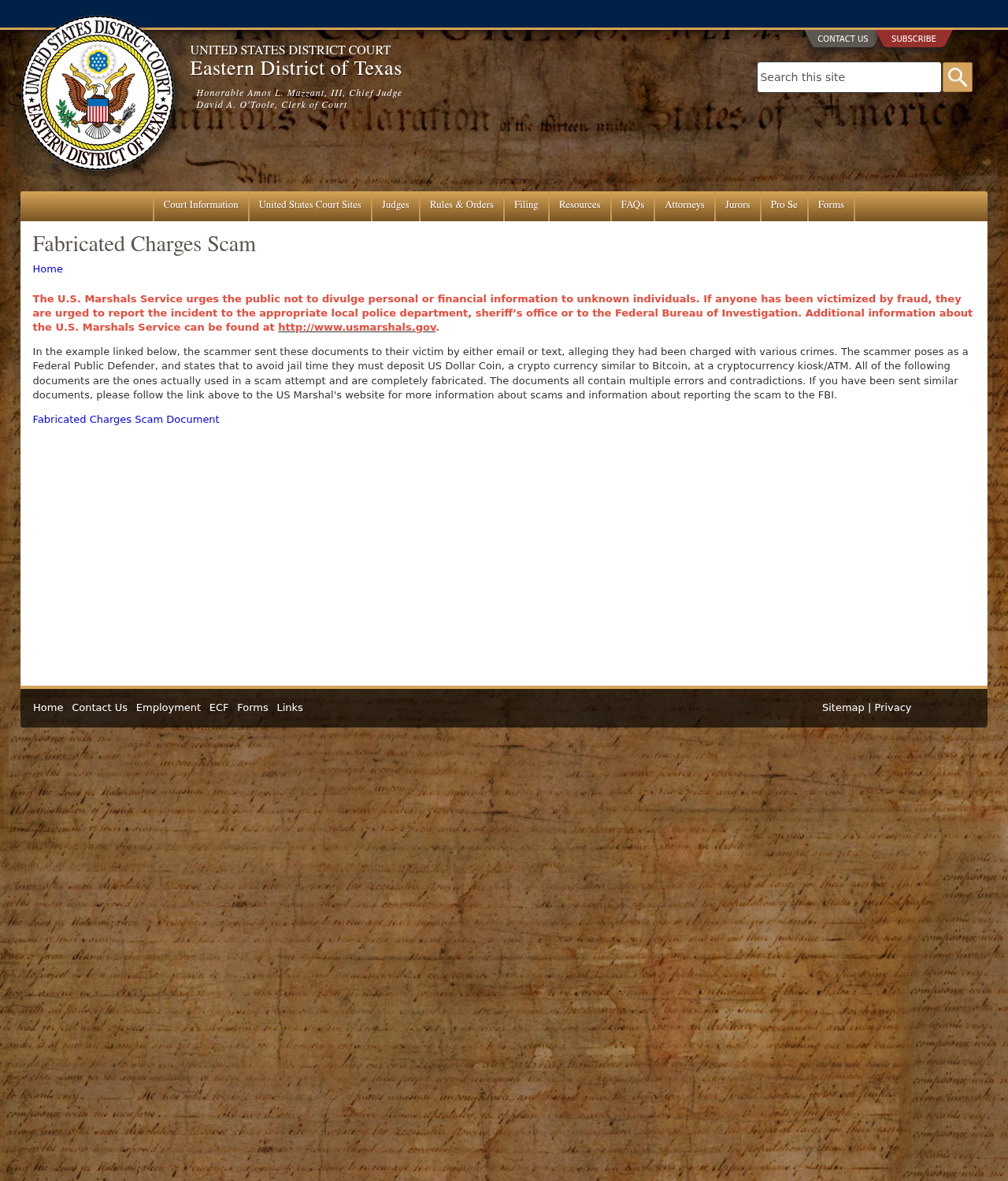
The Eastern District of Texas describes a documented attempt involving fabricated court papers and someone posing as a federal public defender. The impostor demanded cryptocurrency to avoid jail.
The demand is the part you can act on immediately. Stop paying the sender and get any genuine legal question checked through an independent channel.
A claim of secrecy changes the way you try to verify it
One public account described a series of cryptocurrency demands alongside a paper the sender called a sealed federal indictment. The recipient couldn’t locate the case through a public search.
That person’s account describes what they received and what they tried. It does not independently authenticate the paper, establish who sent it or connect it to the Texas example.
Real federal records can be sealed. A missing result is a reason to seek appropriate help, while a demand to send crypto to a stranger calls for immediate action.
A useful report records both the paperwork and the money
The alleged indictment and the payment history tell different parts of the story. Preserve them together so you can explain how one was used to justify the other.
Save the records that establish the sequence:
- The original message and attached document, stored privately.
- The court, district and reference numbers the sender provided.
- Each request for money, its date and the reason given.
- Transaction receipts and identifiers from the exchange or wallet you actually used.
Stop any pending payment while you arrange an independent review of the paperwork. Keep the messages describing when the sender expected the money.
What a Public Court Search Can Tell You
The federal judiciary’s guide to criminal cases explains that most federal criminal records are available through PACER, with exceptions that include sealed materials and older records.
A search result has a limited purpose. It can help you find records available to you and check whether a public number belongs to the court and matter named.
A number on a document can be copied from a real proceeding. Check names, court and dates together before assuming a result concerns you.
If no result appears, keep a record of the search and avoid arguing about it with the sender. You won’t settle the question by agreeing to send money.
Find the court’s contact details yourself and ask what its clerk can verify. A clerk may be able to explain filing and document procedures without giving legal advice.
If you’re concerned about an actual criminal case, speak to a qualified lawyer through a contact route you choose. Let that person review the original correspondence privately.
If someone says they represent you already, compare their claim with your own records of hiring counsel. Confirm any change in contact or payment details using your existing contact.
An invoice from your own verified lawyer concerns a service you arranged. A wallet address supplied in a threat message deserves a separate response to possible fraud.
How the Fake Court Document and Crypto Payment Scam Works
Step 1: A conversation acquires a legal explanation
The message may arrive as an unexpected warning. In longer schemes, a person you’ve already been talking to may introduce an alleged court problem later.
The recent public account began with an inheritance story and later moved to payments said to be connected to a legal matter. That change helped keep the conversation going.
Pay attention to changes in the reason for the demand. A new explanation does not reconcile the earlier payments or tell you who actually received them.
If there are months of messages, put them in date order. Start with the first demand you can find and mark when a legal claim entered the conversation.
Step 2: The sender uses an official-looking attachment
A document can give the story a district name, a case number or a signature. Each element looks as though it can be checked separately.
The Middle District of Pennsylvania’s federal prosecutor described forged papers alleging pandemic relief fraud and an arrest warrant. Additional messages asked recipients to pay in crypto.
That alert concerns a distinct documented example. You can use it to recognize the payment setup without treating every paper that looks similar as part of the same operation.
Preserve the attachment in the form you received it. A screenshot helps show what you saw, but an investigator may also need the email it came with.
Step 3: The threat discourages questions about the payment
A sender who calls the case sealed can offer a ready explanation for why you can’t find it. They can use that uncertainty to keep you talking privately.
In the public account, the person said payment reasons changed and requests for an accounting or documentation drew threats. Those are details worth recording in a timeline.
Ask someone independent to look at the request. Avoid providing the sender with your search results, identity documents or notes about how you plan to verify the case.
A genuine question about court records can wait for an answer from the appropriate office or lawyer. Set it aside while you stop further payments.
Step 4: The person supplies a crypto payment route
The Texas court’s example involved a demand to send a stablecoin through a cryptocurrency kiosk. The sender framed it as a way to stay out of jail.
The way you reached that screen matters to a report. You may have used a kiosk, an exchange or an app you already had.
Save the payment confirmation from the service you actually used. The receipt from that service can identify a transaction that a screenshot from the sender cannot.
If you bought crypto with a card and then sent it, record both steps. The card purchase and the later transfer may need to be traced separately.
Step 5: A later demand keeps the case from ever being resolved
A subsequent message may give the payment a new label or claim another amount is needed. It can arrive even if the last transfer was acknowledged.
Look for the last transaction you can independently confirm. Tell your provider about the sequence, including any payment the sender says failed.
You may also receive messages from people offering to recover the money. Their ability to repeat a payment amount or transaction detail does not authorize them to act for you.
Use the original provider’s own support route. Ask what it can document or review based on the transaction you already made.
Build a Timeline From Records You Control
Separate the sender’s claims from your actions
Write down what the sender said was happening and what you did next. Put the account, document or payment record beside the action it supports.
If the sender gave more than one case number, keep them all. Mark where each first appeared rather than trying to combine them into one supposed file.
If there were multiple people or accounts involved, list the channel and time for each handoff. Investigators can use those details to follow the contact sequence.
Identify the transaction through your own provider
A payment record may show a transaction hash, asset, network and destination. Copy the information as it appears in your own account or receipt.
Use your local time when making notes and keep the original timestamps from the service. They can differ if your provider displays activity in another time zone.
Avoid treating a sender’s screenshot as confirmation of where funds went. If you can’t locate a transfer, ask the provider that processed it for help identifying the record.
Keep sensitive files private
Save original documents and messages where you can retrieve them. If you need to share a summary publicly, remove details that identify you or your finances.
Keep an unedited copy for investigators or your lawyer. A file that includes an address, ID photo or account details can expose you again if you post it.
If a message includes an immediate threat of physical harm, contact local emergency services. Preserve the message after you have addressed any immediate safety concern.
If the Demands Have Continued for Months
A long conversation can leave you with several versions of the same story. Preserve the oldest messages you can retrieve, even if they don’t mention a court.
Make a simple table for yourself with the date, the reason given and the amount requested. Add the payment record only when you can match it.
Keep an entry for a demand you declined. It can show when a new threat, a different sender or another alleged fee appeared in the conversation.
If you paid through more than one provider, open each account through its own app or website. Download records before changing account settings or closing an account.
When you contact providers, give each one the transactions it handled. Keep the full sequence for investigators so separate reports can be connected if appropriate.
If someone claims an earlier payment was refunded, verify through the provider or wallet you used. Record what the actual account shows and preserve the sender’s message separately.
An old payment still belongs in your report. Keep available details even if you don’t have a confirmation number, and label any amount you are reconstructing from memory.
Tell a lawyer or investigator if the sender is still contacting you. Let them advise how to preserve future messages without returning to payment negotiations.
What to Do if You Have Fallen Victim to This Scam
-
Stop additional payments and end the conversation. Keep the sender’s latest request. If there are ongoing threats, save them in a place you control.
Tell someone you trust what happened. A second person can help organize the records while you contact the provider or authorities.
-
Contact the exchange, wallet provider or kiosk operator. Use its official support route. Give the transaction identifier, time, amount and network if you have them.
Ask which details it can confirm and whether it can take action. Keep its case number and distinguish the outcome from anything the sender promised.
-
Notify your bank if you exposed its credentials or used a card. Explain whether you made the purchase yourself or later discovered an unauthorized charge.
Tell it if someone also obtained sign-in details. Ask which accounts or cards need attention and what supporting documents to retain.
-
Verify the court issue separately. Find the court’s official contact details. Ask the clerk about the correct way to raise questions about the document.
If you need legal advice about a possible case, consult a qualified lawyer through a contact you choose. Provide the records privately.
-
File a fraud report with the payment trail. In the U.S., submit the incident to the Internet Crime Complaint Center. Include the document and transaction details when requested.
List which requests you acted on and which you declined. Distinguish an estimate from a confirmed payment amount.
-
Address any identity exposure. If you gave out personal details, document exactly what was shared. Use IdentityTheft.gov for U.S. recovery guidance if information was misused.
Review affected account activity from a trusted device. Keep your provider’s recovery instructions and any report confirmations with the rest of the evidence.
Frequently Asked Questions
Can a real federal indictment be sealed?
Yes. Federal courts can seal documents. If someone cites that fact to demand a crypto payment, stop the transaction and ask an independent lawyer about the paperwork.
What if the number matches a real court case?
Check who and what the case actually concerns. Ask the court about the document or have a lawyer review it. A matching number can be borrowed.
Should I send money while I wait to hear from the court?
Keep the funds where they are. Reach the court through its own directory and report the demand to the payment provider if you’ve already acted on it.
Can I report several crypto payments together?
Yes. Provide a timeline with each transaction’s date, asset, amount and identifier if available. Include the messages that link the payments to the claimed case.
What if I paid at a kiosk and lost the receipt?
Contact the kiosk operator with the location and approximate transaction time. Save the card or bank record and any confirmation you received from the provider.
Should I share the supposed indictment publicly to find out if it’s fake?
Keep it private if it includes identifying information. Send it through the verified reporting or legal channel that can review the document and its context.
The Bottom Line
Stop paying a sender who uses federal court papers to demand cryptocurrency. Have a genuine legal question reviewed through the court or a lawyer you contact yourself.
If money has moved, save the original messages and payment records. Contact the provider that handled each transfer and give investigators the complete timeline.

Join the discussion
0 commentsShare your experience or ask a question about this article.
Discussion
Start the conversation
Have a question or something useful to share? Add the first comment.