


The call log says TD Bank. The person on the line even knows the last four digits of your debit card.
Then they ask you to open your account. Pay attention to what they want to hear next.
Overview
A customer checked the story with TD
A US customer said a caller told them about three debit card charges in Miami. The name and number in the call log looked like TD customer service.
The caller recited the last four digits of the customer’s card.
When the customer logged in, no Miami charges appeared. The caller then asked the customer to read their latest purchases.
The customer hung up and called TD through a separate route.
They said the bank confirmed it hadn’t placed the call and found none of the charges the caller had described.
That last check is what distinguishes this case from a legitimate fraud alert that happens to surprise you. The person with access to the real account records could answer independently.
The list of purchases was the unusual request
It is one thing to ask whether you recognize a particular charge. It is another to ask you to open your bank app and supply a list of recent transactions.
A purchase can reveal where you shop, what you paid, and which card you used. More than one can reveal a pattern. Treat that information as private.
What you can check on your own:
- Whether an unfamiliar purchase appears in pending or posted activity.
- Whether the bank has left an alert inside its app.
- Whether you have the correct card selected in the app.
- Whether a representative reached through your usual number can find the alleged alert.
- Whether changes you did not make appear in your contact information.
The customer reported no theft from the account in this interaction.
It remains unclear where the caller got the last four digits or what they intended to do with any answers.
A familiar number can still bring an unfamiliar voice
Caller ID identifies what the phone displays. The fraud team can confirm who actually contacted you, or whether there is a case, when you reach it independently.
A number in your call history may look exactly like the one on your card.
Use the number printed on the card or shown inside your banking app when you call back.
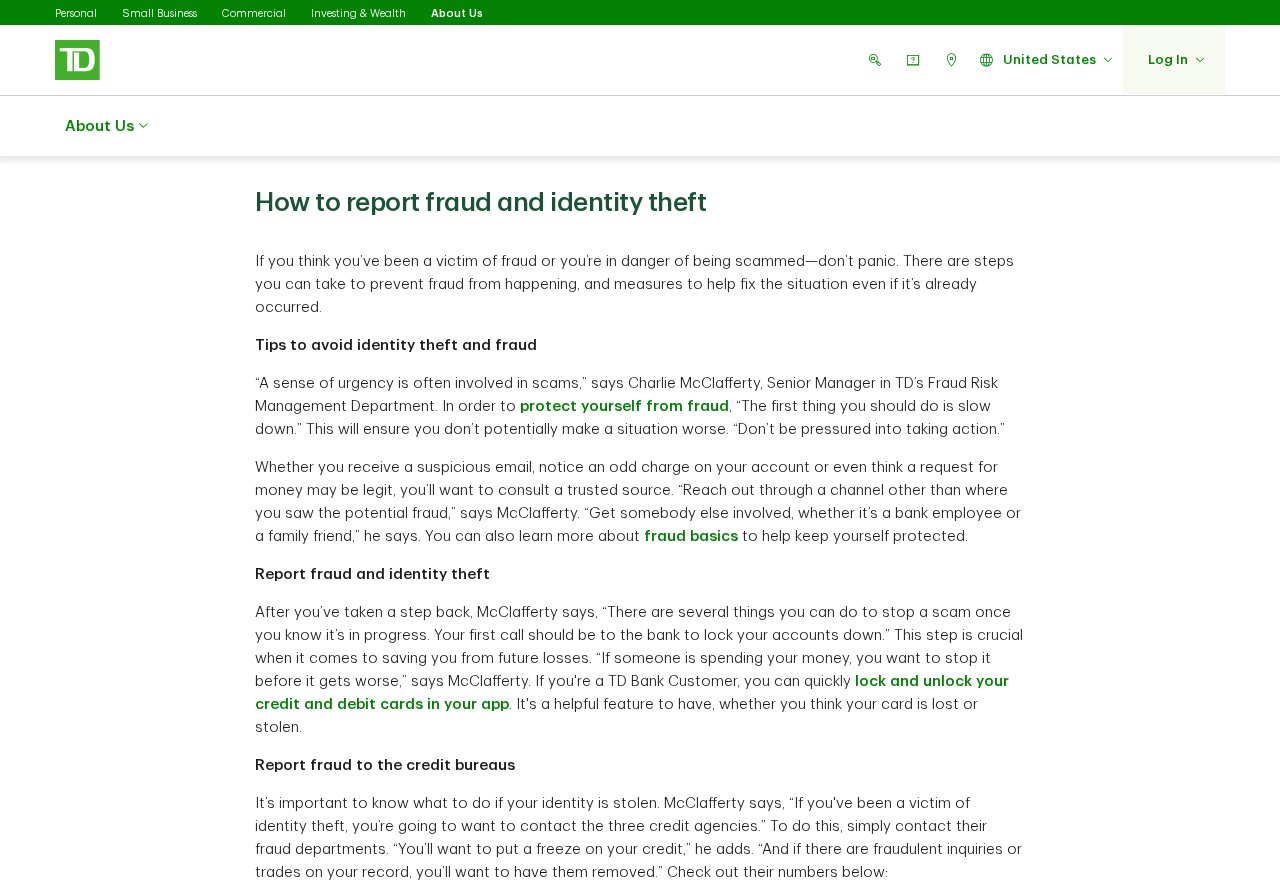
TD’s US fraud reporting page explains how to report unusual calls and unauthorized activity. Save that route before you need it.
How the Scam Works
Step 1: An unfamiliar purchase makes the call feel urgent
Charges in a city you haven’t visited can feel like a reason to act before the caller hangs up. Ask how you can verify the alert from inside your account.
You may hear that the charge is too new to appear.
That can be hard to settle with the caller. The bank can look at authorization activity that you can’t see.
Save the approximate call time and the amounts or merchants the person mentions. You can give those details to the bank after you have reached it yourself.
If you’re driving, at work, or somewhere you can’t check privately, end the conversation. Call the bank when you can pay attention and provide the information safely.
Step 2: The caller knows the last four digits
The last four digits make the call sound specific to you. They also appear in many ordinary records, from receipts and saved payment displays to billing notices.
Avoid guessing which company exposed your details. This customer knew what the caller read aloud. They did not know where it came from.
You can tell your bank exactly which information the caller already had. That is different from the list of things you revealed after answering.
If one card has been replaced, compare the last four digits shown for the active card in your app. Tell the fraud team if the caller cited an older one.
Step 3: The conversation moves into your bank app
Checking your app is a reasonable instinct. Keep what you see to yourself while you’re speaking to someone who called you unexpectedly.
If the caller asks you to read recent purchases, give yourself a moment to end the call instead. You’ll have another chance to discuss them with the real fraud team.
Never share a screen or send a screenshot while the caller waits. A single balance or activity view can show addresses, account names, and more than the transaction in question.
A genuine representative you reach separately can explain what it needs for a dispute. Limit any information you provide to that specific process.
Step 4: An independent callback breaks the story
The customer was able to ask TD two separate questions. Had the bank seen the charges, and had its own team called about them?
Tell the representative if the name or number looked genuine. Give the time of the incoming call so the bank can check whatever records it has.
If the bank sees a transaction you didn’t make, continue with its fraud process. A real transaction can coexist with a fake call. Get direction from the person you reached.
If there’s no charge, still tell the bank about any information you disclosed. Ask what to watch for over the next few days and whether the card needs attention now.
What to Check Once You Hang Up
Look through pending transactions and completed activity. Note the amount, merchant, date, and which card was used. Give your bank the exact entry if something looks unfamiliar.
Leave ordinary purchases in the record even if the caller mentioned them. The times and amounts may help the fraud team understand what the other person appeared to know.
Look at your bank’s recent security messages separately from the transaction list. An unexpected password reset or device notification may need a different response from a debit dispute.
If you suspect the card details were exposed, ask whether a temporary lock is appropriate as you reach the bank. A lock may not stop already authorized or completed charges.
If the bank recommends replacing the card, ask which scheduled bills will be affected. Make a short list of merchants you will need to update when it arrives.
Keep the original contact time and official case number together. If a second call comes in asking about the report, use the number you verified the first time.
If you already read out the transactions
Tell the bank how many you described and which details you included. A merchant name alone is a different exposure from a full account screenshot or a shared login code.
The caller might know more about you in a later call. Name recognition or a purchase they can repeat should prompt you to continue through your established case instead.
If you also read a verification code or entered a password at an unverified page, tell the bank right away.
Ask about securing the login, card, and any affected payment accounts.
Write down which numbers called back and at what times. Keep the records private, especially if they include account numbers or a list of debit purchases.
How to Explain the Call to the Bank
Tell the fraud team what made you call before reading the list of transactions.
A useful opening is that an incoming caller claimed to be TD but asked for unrelated purchase details.
Give the time and the number as displayed. If you have a voicemail or text from the same encounter, ask whether the bank has a secure way to receive it.
Say which card the caller described. If you have a debit and a credit card, make sure the representative knows which last four digits were spoken.
Give the merchant names from the caller’s story separately from the purchases you recognize. That way the fraud representative can check exactly what the caller claimed.
If the true bank finds a transaction, ask for its status and amount. Compare the details with the caller’s account without assuming a match establishes who was on the phone.
Tell the bank if there was a second contact over text, email, or a different number. Give the time and which request arrived in each channel.
Follow the actual activity after the call
Use TD’s alerts information to review which notifications are available for your account. Keep the contact information inside your settings current.
If there are scheduled transfers or bills coming up, ask what happens if the bank secures the account or replaces its card.
Plan for the change without reopening the suspicious conversation.
If you use a joint account, check whether the other holder received a similar call.
They can make their own record of what was requested and mention it to the bank.
Keep an eye on the account after the conversation even if the caller never tried again. Confirm which actions TD took and what it expects from you next.
What to Do if You Have Fallen Victim to This Scam
Start with the bank when money or a sign-in may be at risk. Reach it through the official app or a number you already know is genuine.
-
End the incoming call. Make the next call yourself through TD’s verified contact page, your banking app, or your card.
-
Check the alleged purchases. Ask TD to look for matching authorizations and confirm whether its fraud team contacted you.
-
Describe what you shared. List recent transactions, passwords, approval prompts, card details, and screenshots separately so the bank understands the exposure.
-
Secure affected access. Ask whether to lock or replace the card, reset online banking access, or review linked devices and alerts.
-
Report any actual unauthorized charge. Give the real date, amount, merchant, and payment method. Ask how TD wants you to follow up.
-
Save a private record. Keep the call log, messages, times, and any case or dispute reference. Include the bank’s instructions for what to check next.
If you notice a charge later, link it to the earlier call only if you have evidence. Tell the bank both times and let the fraud team compare them.
Keep checking the account until the bank finishes securing it. A new card can protect future use while a separate investigation looks at an earlier payment.
If you know someone else at home who uses the account, explain that later calls may mention genuine activity. Give them the number they should use to verify it.
For a broader report in the United States, use the FTC’s fraud reporting site. Keep that report number with your bank records if there was a loss.
Frequently Asked Questions
Can a caller spoof the number on the back of my card?
Yes. The number displayed on an incoming call can be misleading. End the call and dial the number from the card yourself, or reach the bank through its own app.
If you copied the number from the call history, you are still relying on the incoming record. Take the extra step of checking it against a genuine source.
What if the caller knew my card’s last four digits?
Tell the bank that those digits were known. Ask whether it recommends monitoring, a lock, or a replacement. Keep an eye out for other information the caller may already have.
Four digits don’t tell you how the person got them. Provide what you observed without assuming the bank, a store, or somebody you know supplied the information.
Does a missing charge mean I can ignore the call?
Check with the bank. It can look for an authorization or alert that you cannot see. If you shared account details or a code, tell it even without a charge.
The person who posted this account said TD could find no matching charges. In your own case, get that answer from the real bank for your active card.
Should I read recent transactions to a fraud representative?
Discuss any information needed for your case after you dial the verified number. Ask which transaction the bank is checking and what it needs to establish that you authorized it.
Avoid reading a purchase history to an unexpected caller. Keep a copy for your private records if you need to refer to it later.
What if I shared nothing but opened the app?
Opening your real app privately is part of checking the story. If you didn’t share the screen or any details, report the call and monitor for unfamiliar activity.
If you entered your login through a link the caller supplied, explain that separately. Ask how to secure online access along with the card.
Will replacing my debit card close the fraud case?
Replacement and dispute review are separate. Ask whether the original charge has been canceled, reversed, or referred for investigation. Save the response and keep your case number.
If you still see a duplicate charge or an unfamiliar pending entry, ask which account record you should monitor after the replacement.
The Bottom Line
When a TD fraud caller asks for your last three purchases, keep that history private. Use the banking app or the number on your card to check the story.
If you shared anything, tell the real bank what it was and when it happened. That gives the fraud team something concrete to work with.

Join the discussion
0 commentsShare your experience or ask a question about this article.
Discussion
Start the conversation
Have a question or something useful to share? Add the first comment.