


A video that looks like a nightly news report says two familiar blood pressure medicines are about to disappear. It promises a home remedy if you keep watching.
Follow the pitch far enough and a different question comes up: why does a supposedly urgent medical announcement end with a choice of supplement bundles?
Overview
The ad turns a drug recall claim into a sales pitch
The clip invokes NBC Nightly News anchor Tom Llamas, then uses Ben Carson’s likeness to promote a supposed remedy. Its central claim is about amlodipine and losartan.
It says the medicines will disappear because they build up a toxin called BPX3. That claim is not supported by the FDA’s published recall information.
The order page tells you what is actually on offer
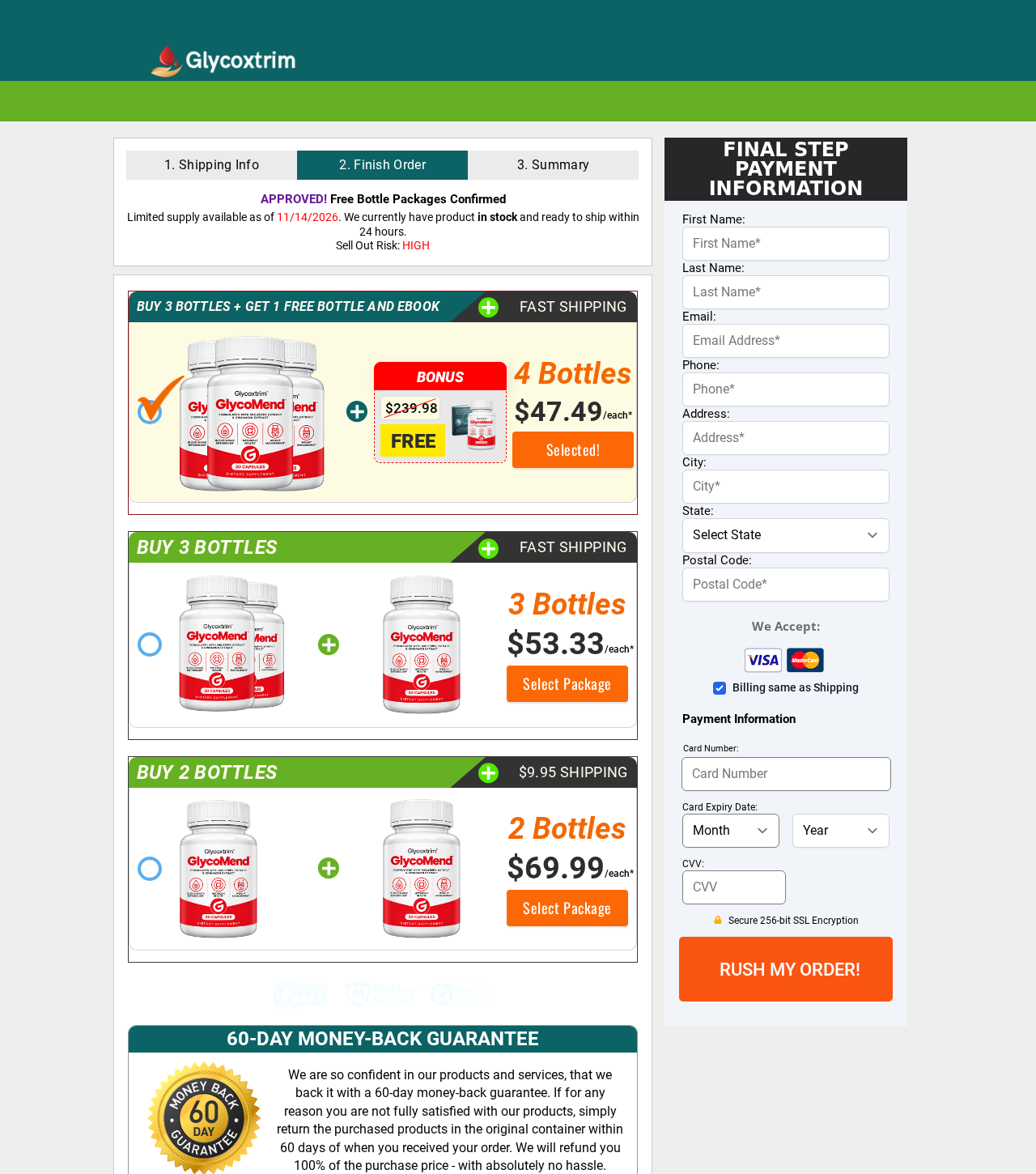
The Glycoxtrim checkout displays a bottle that says GlycoMend. Four bottles were selected when the page loaded, even though the headline price was shown per bottle.
There’s also a separate VitaCrest GlycoMend site. Similar names and artwork don’t make its billing rules, formula, or merchant interchangeable with the Glycoxtrim checkout.
The safest decision is to skip this offer
Do not buy a supplement because a video tells you your prescription is about to be withdrawn. Ask your pharmacist to check the exact medication and lot instead.
- Still watching the ad? Leave the video and open your pharmacy’s contact information separately.
- At checkout? The displayed $47.49 is per bottle in the selected pack, not the payment for one bottle.
- Already ordered? Save the original receipt and ask separately about the parcel, any repeat charges, and a refund.
Bundle and refill warning
The selected Glycoxtrim pack showed four bottles at $47.49 each, implying $189.96 before any additional charges. No order was submitted to verify a settled total.
The page mentions a VIP program, but the checked enrollment control in the markup was hidden. That does not establish an optional visible choice or an actual recurring debit.
Do not pay through a form that leaves renewal unclear. If you already ordered, request written confirmation of the full initial charge and any separate plan.
How the Glycoxtrim Advertisement Leads to a Purchase
Step 1: A news anchor appears to announce an emergency
It starts with a voice and face presented as Tom Llamas. The newsroom setting makes the drug claim look like reporting, not a sales pitch.
Notice the deadline. The drugs are supposedly being pulled tomorrow. That rush leaves little time to check whether the FDA issued a notice at all.
Set the appearance of the presenter aside. What matters is whether the agency actually released a notice identifying these medicines, the affected products, and the stated reason.
Step 2: A borrowed doctor’s likeness supplies the explanation
The segment attributed to Carson blames BPX3 for damage to blood vessels and argues that conventional medicines make the problem worse. It then promises a natural answer.
This is not a reliable way to authenticate a doctor’s advice. An ad can reverse the meaning of real footage, replace the audio, or pair unrelated clips with new claims.
There is no verified Carson recommendation for this offer in the material reviewed. A clip that looks convincing does not answer where the original interview appeared.
Step 3: The home remedy turns into branded capsules
Viewers are offered an at-home mixture and a story about ingredients. The buying route leads to Glycoxtrim capsules, not a published prescription recall or a recipe endorsed by a clinician.
On the ordering page, Glycoxtrim sits in small print over the much larger GlycoMend name on the illustrated bottle. That is a visible link between those names on this offer.
That link does not authenticate every GlycoMend listing. A bottle bearing another company name elsewhere needs to be checked against that seller’s own page and the receipt.
Step 4: A bundle is selected before you enter payment details
The form displayed the four-bottle offer as selected. It put $47.49 in large type beside the package and left “each” in much smaller type.
The package says buy three and get one free, plus an e-book. The footer explains that the advertised price is an average across the bottles in the package.
As advertised, four at that average imply $189.96, not $47.49. That calculation is a way to read the price card, not a verified receipt.
What the FDA’s Actual Recall Notices Say
The FDA’s guide to drug recalls tells people to look for details on the packaging, including the lot number, and to match those details against the recall notice.
Real recalls deserve attention. Relevant past notices identify specific products and lots, including certain losartan and amlodipine combination products. That is not a ban on both medicines.
An example from the FDA’s ARB recall updates involves certain products and nitrosamine impurities. It does not support the advertised BPX3 story or the blanket removal claim.
Match the manufacturer and lot, not just the drug name. Your pharmacy can identify what it dispensed if the label is unclear.
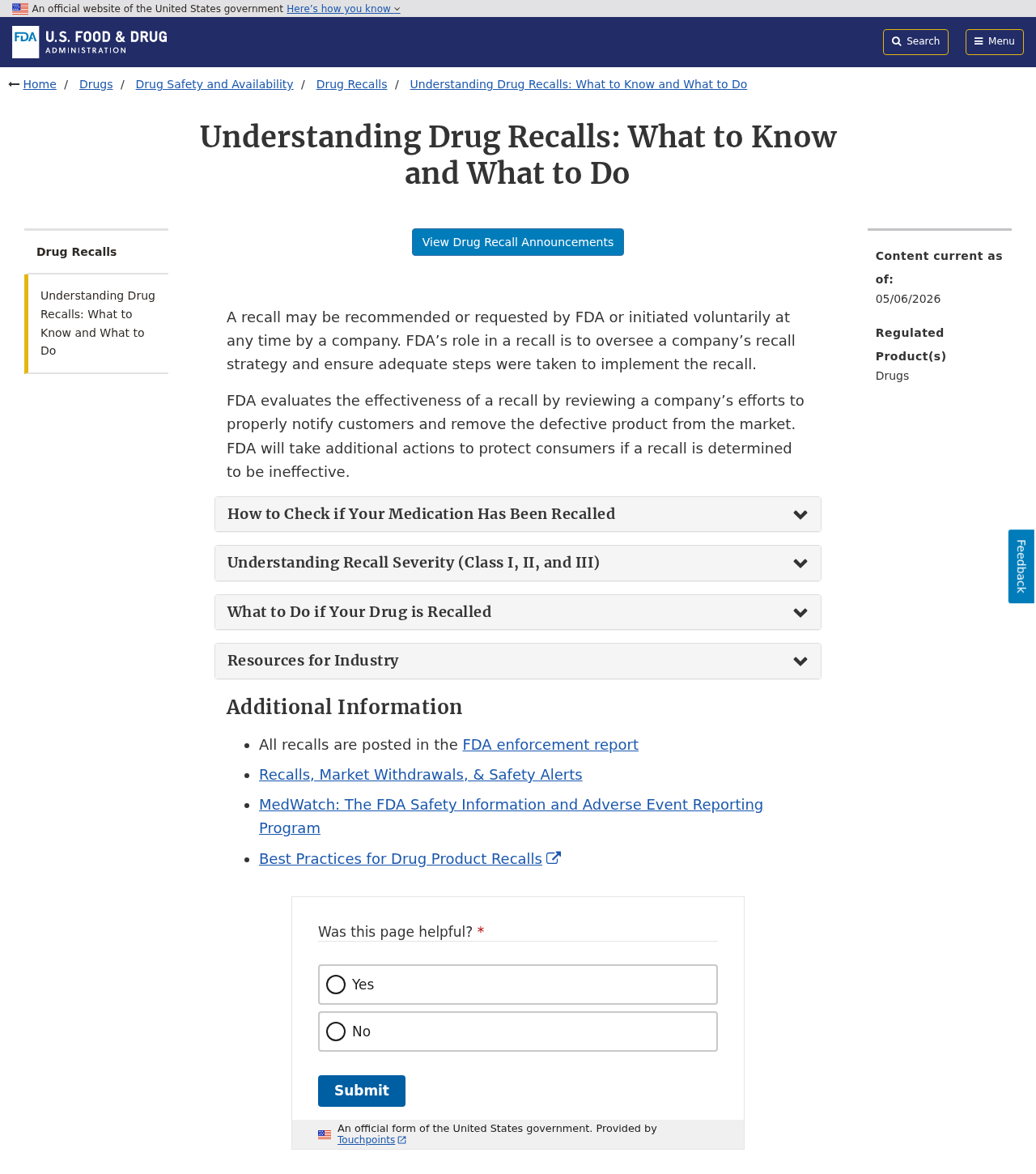
Don’t stop or replace prescribed medicine because of the video. If you think your bottle is affected, ask your pharmacist or prescriber what to do with that specific prescription.
And don’t send a picture of your prescription label to the advertiser. A pharmacy may need the lot number; a supplement seller does not need your prescription details.
A real 2026 example names a specific combination
A 2026 Macleods notice posted by California’s pharmacy board involves tablets containing olmesartan, amlodipine, and hydrochlorothiazide. The stated issue was failure to meet a dissolution specification.
That means the tablets did not meet a test for how the medicine dissolves. It is not an announcement about a toxin from taking amlodipine or losartan.
Suppose your vial says amlodipine. The drug name alone cannot tell you that your vial contains the Macleods combination. Compare the full drug description with the actual notice.
If the clip names a drug you recognize but no combination, maker, or affected lot, you still need the original recall notice. A news-style video cannot supply those missing facts.
Two GlycoMend Labels, Two Different Buying Routes
What the Glycoxtrim order page actually identifies
The Glycoxtrim-branded checkout shows red-and-white GlycoMend bottles with Glycoxtrim above the name. The packaging shown is marketing artwork, not a photograph of a bottle obtained through an order.
The front image names mulberry and cinnamon extracts. It does not show a full Supplement Facts panel with the quantities needed to evaluate the formula.
What the separate VitaCrest page identifies
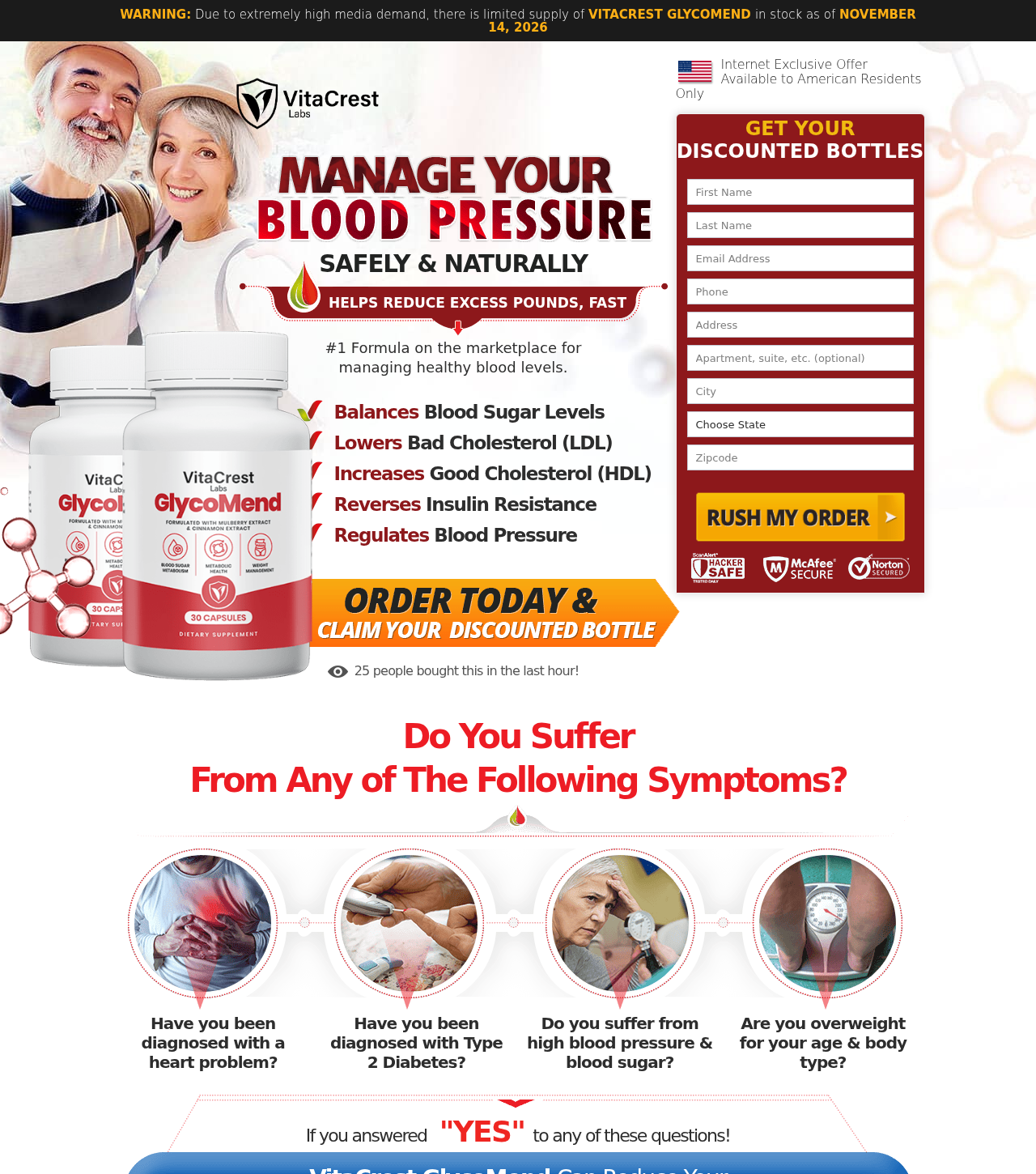
On tryvitacrestlabs.com, the front label says VitaCrest Labs above GlycoMend. The initial public form asks for contact and delivery details without displaying package prices.
VitaCrest’s sales page says the capsules reverse insulin resistance and regulate blood pressure. Those are claims on that page, not results demonstrated by the bottle artwork or by its testimonials.
Nothing observed ties the seller on that second route to the specific video or proves the two packages have identical contents.
Who would help with an actual order?
The Glycoxtrim checkout links to terms and a privacy policy, but those destinations returned not-found pages. We did not verify a reliable return destination or a named legal seller there.
VitaCrest’s separate site names VitaCrest in its terms and lists contact information. Do not use those details to assume VitaCrest handles a purchase placed under the Glycoxtrim checkout.
If you already bought, find the merchant or processor on the receipt and compare it with your statement. Ask that party to identify who can authorize the refund.
Similar artwork is not a supply-chain record
Both views show a white bottle, red label, and mulberry-and-cinnamon language. The company name and ordering pages differ. No manufacturing or sourcing connection is proved by that comparison.
A 30-capsule label also tells you nothing about the amount of each ingredient. That requires a full product label, and a clinical claim requires evidence on the relevant formula.
Even a study on cinnamon alone would not tell you what dose is in either bottle, how the entire blend performs, or whether it is safe with your medicines.
If you received a bottle, keep its lot and expiration date with your receipt. A clinician needs that label, not the graphic from a different website.
The Smaller Packs, VIP Text, and Refund Promise
The three-bottle card showed $53.33 each, or an implied $159.99. The two-bottle card showed $69.99 each plus $9.95 shipping, or an implied $149.93 before tax.
The advertised “fast shipping” language on larger packs does not by itself give you a shipping price. Compare what the checkout actually totals before comparing it with another merchant.
The footer described a VIP discount connected to a monthly Subscribe & Save program. Yet the checkout did not surface an enrollment box next to the payment button in our capture.
The page contained a checked membership input and an enabled VIP value, but the input was hidden. We did not submit the form or test billing.
A shopper should be able to see and understand any recurring obligation before paying. An invisible setting is not a substitute for clear consent.
The footer’s percentage is a stated discount, not the actual amount of a future charge. You would still need the price, quantity, interval, and way to cancel.
The Glycoxtrim page advertises a 60-day guarantee from receipt, with a requirement to return products in their original container. The box does not provide a verified return authorization or address.
Save the guarantee and the timestamp of your first return request. If the merchant replies late, you can show when you asked and which deadline was advertised.
Don’t assume a return deadline for a shipment also stops another shipment. If a seller offers you a refund or credit, ask explicitly whether any future order remains scheduled.
Read older cases such as the fake nerve pain news report for a different example of familiar presenters being used to sell a health product.
What to Do If You Responded or Placed an Order
- If you only saw the video, exit the offer. Use your pharmacy or the FDA’s own site to check any health warning, not the video’s purchase button.
- Save your order evidence. Keep the final order summary, label, receipt, shipment notices, and bank entries. Don’t share those publicly without removing personal details.
- Ask the merchant for specific answers in writing. Identify the order and ask what quantity was purchased, whether a plan started, and how to cancel any future charges.
- Handle the refund separately. Ask for the approved return address, deadline, any required authorization and a written refund amount. Don’t send a package to an address from an unrelated page.
- Contact your issuer about charges you did not authorize. Use the number on your card or contact the issuer through its app. Ask about dispute deadlines and recurring-payment controls.
- Get medical guidance if you used the capsules or changed treatment. Tell your pharmacist or prescriber what you took and share the actual label if available.
When looking for a scheduled refill, match the expected merchant, date, and amount. If the seller says there is no plan, save that reply and keep watching your statements.
For a missing or unexpected package, photograph the shipping label and contents when safe. If you want to preserve return options, ask for instructions before opening an intact product.
Report the ad on the platform. In the United States, you can report deceptive sales to the FTC with the ad and order records you retained.
An ad screenshot helps identify the claim. A receipt helps identify the party that took your payment. Include both when available; neither has to contain your full card number.
Frequently Asked Questions
Did the FDA withdraw amlodipine and losartan because of BPX3?
The advertised blanket withdrawal is not supported by the FDA notices reviewed. Real recalls identify affected products and lots, and may have completely different reasons.
Is Glycoxtrim the same thing as GlycoMend?
One checkout shows a bottle marked with both names. A separate VitaCrest page shows its own GlycoMend label. Don’t treat all offers or formulas as interchangeable.
Are four bottles of Glycoxtrim really $47.49 in total?
No. The displayed $47.49 is the average per bottle in the four-bottle offer. That implies $189.96 before any additional charges, not a $47.49 order.
Does Glycoxtrim automatically enroll everyone in refills?
We saw VIP language and a hidden checked input, but no completed order. That is a billing warning, not proof that everyone was enrolled or charged.
Does Glycoxtrim have a 60-day return policy?
The page advertises 60 days from receipt and calls for original containers. Verify the merchant, return address and conditions from your purchase record before mailing anything.
Can GlycoMend replace a prescribed blood pressure medicine?
Don’t replace your prescription with these capsules. Sales copy and unverified endorsements are not evidence that a supplement is effective or appropriate for your condition.
The Bottom Line
Do not order through the Glycoxtrim ad. Its medication warning sends you toward a supplement with a four-bottle default and unclear VIP billing.
Check any recall with your pharmacist. If you already paid, verify the merchant on your receipt, cancel anything you did not intend to renew, and challenge unauthorized charges promptly.

Join the discussion
0 commentsShare your experience or ask a question about this article.
Discussion
Start the conversation
Have a question or something useful to share? Add the first comment.