

Gorgeous photographs of glittering geode coffee mugs have been flooding social media ads, tempting victims with their natural crystalline beauty. But behind the eye-catching images lies a scam that consumers need to be aware of.
This article will uncover the truth about these mineral crystal coffee mugs, providing an in-depth look at how the scam operates and what victims can do if they have fallen prey to false advertising.
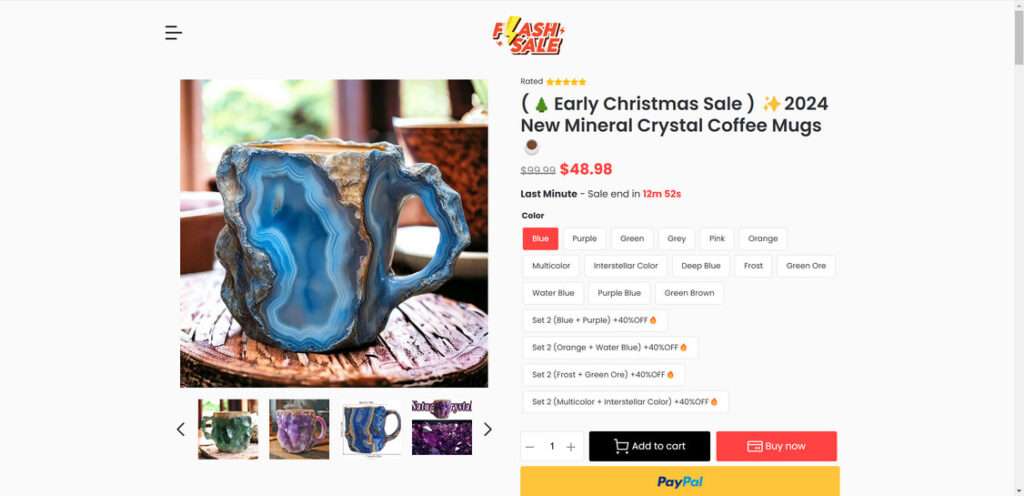
Overview of the Scam
The mineral crystal coffee mug scam typically begins with enticing advertisements on platforms like Facebook, Instagram and TikTok. The vivid product photos depict agate, quartz or geode mugs with mesmerizing natural designs. The mugs appear handcrafted and completely unique.
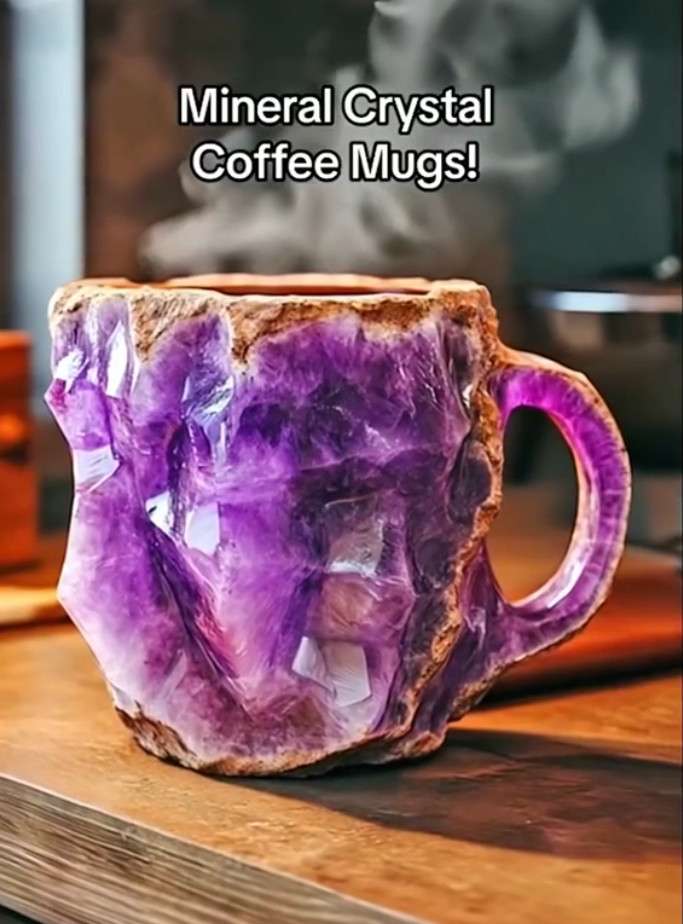
Captivated social media users click on the ads, which lead to professional-looking online stores selling the mugs for $45 to $80 each. The product descriptions boast details like “hand carved from natural stones” and “no two are alike.” Shoppers are led to believe they are buying a high-quality, custom-made mug.
In reality, the mugs buyers receive are cheap plastic mugs with chintzy metal shards glued inside. They look nothing like the advertised photos. The crystals are artificial, the materials are low grade, and the designs are repetitive. Customers find that refunds are impossible to obtain.
The ads are a bait-and-switch scam aimed at defrauding shoppers who are drawn to the beauty of the mug photographs. The scam stores often disappear quickly once enough victims have been hooked.
How the Scam Works
The mineral crystal coffee mug scam unfolds in the following deceptive steps:
1. Eye-catching social media ads
Photos of the mugs are designed to go viral online. The images show glowing natural crystals with striking formations inside beautifully polished coffee mugs. The mugs seem to be high-end and custom-made.
2. “Early bird” limited deals
Scam ads leverage FOMO by offering the mugs at a special discounted price for a limited time only. Countdown timers are used to pressure shoppers.
3. Clickbait to professional-looking websites
When users click on the social media ads, they are led to sophisticated online stores with photos stolen from legitimate businesses. Prices range from $25 to $60.
4. Convincing product descriptions
Scam sites have detailed descriptions claiming the mugs are hand-carved from genuine agate and other gemstones. Terms like “raw” and “handcrafted artistry” falsely suggest authenticity.
5. Low-quality mugs sent to buyers
Victims receive cheap plastic mugs with shards of metal or glass glued inside. They look and feel nothing like the real crystal mugs shown online.
6. Difficulty getting refunds
Scam sites often disappear once they’ve hooked enough victims. Shoppers find it’s impossible to get their money back.
What To Do If You Are A Victim
If you unfortunately fell for the mineral crystal coffee mug scam, here are some tips on what to do next:
- Contact your credit card company or payment provider immediately to dispute the charges and request a chargeback. Provide photos showing how your received product differs from what was advertised.
- Report the scam website to the FTC at ReportFraud.ftc.gov. The more claims that are filed, the better chance there is of catching the scammers.
- Leave online reviews with photos to warn others about scam sites. Search for the website name and list it as a scam on review sites like Trustpilot.
- Report scam Facebook/Instagram ads by clicking the three dots in the ad and choosing “report ad.” Share details on how the products differed from advertised.
- Do a reverse Google image search on the mug photos to potentially uncover the original source. This can provide evidence to payment providers.
- Be aware that getting money back may be difficult if payments are not protected. Avoid paying with methods like wire transfers, gift cards or cryptocurrency.
- Check the company’s terms and conditions before ordering. Scam sites typically do not allow returns or refunds.
Frequently Asked Questions About the Mineral Crystal Coffee Mug Scam
1. What makes the mineral crystal coffee mugs a scam?
The mugs advertised online are deceptively marketed through fake reviews and doctored photos showing beautiful crystalline structures inside the mugs. However, the actual mugs shipped to customers are cheap plastic mugs with chintzy metal shards glued inside. They in no way match the quality or appearance of the advertised mugs.
2. What techniques do the scammers use?
Scammers rely heavily on social media ads with irresistible photos of the mugs. The ads lead to convincing fake websites with stolen images, fake reviews, countdown timers, and money-back guarantees. Descriptions wrongly claim the mugs are handcrafted and carved from real minerals.
3. How much do the scammed mugs cost?
The mugs are advertised at prices typically ranging from $25 to $60. The scam stores portray them as high-end and custom-made. But reviewers report the mugs they receive are extremely cheap quality.
4. What platforms are used to advertise the scam?
Most advertisements are found on Facebook, Instagram, and TikTok through sponsored posts and stories. The compelling images spread widely through bots and engagement bait. YouTube influencer videos are also used.
5. What type of crystals are shown in the ads?
The most common mineral crystals shown are quartz, agate, jasper, and obsidian. Colors range from purple amethyst to blue agate and more. Photos depict raw, polished crystals with fascinating inner structures.
6. Are the crystals and gemstones real?
No, the mugs contain fake crystals made from plastic or glass. Real agate and crystal are porous, so liquid would leak. Reviews confirm the “gemstones” are artificial shards meant to merely resemble the real thing.
7. Can customers get a refund if scammed?
Unfortunately, scam victims report it’s nearly impossible to get money back. The websites often disappear after making enough sales. Banks may deny refunds due to deceptive return policies.
8. What precautions can shoppers take?
Avoid shopping sites you aren’t familiar with, especially if you can’t find reviews. Research the company name online and look for negative reports. Pay only with protected payment methods so you can dispute the charges.
9. Where can I report a scam website or ad?
Report fraudulent websites to the Federal Trade Commission at ReportFraud.ftc.gov. Report scam Facebook and Instagram ads by clicking the three dots in the ad and selecting “report.”
10. Are there any legitimate sellers of these mugs?
There are a small number of artisans handcrafting luxury, customizable crystal mugs. However, these are found on individual artist websites, not social media ads. Verify seller reputations thoroughly before purchasing.
The Bottom Line
The mineral crystal coffee mug scam preys on shoppers through deceptive social media marketing and fake online stores. Thankfully, awareness of the scam is growing, empowering consumers to better protect themselves. By hunting for warning signs like limited-time offers and over-the-top claims, users can avoid being fooled by dazzling, doctored product images. With knowledge of their devious tactics, we can prevent these swindlers from continuing to profit off false product descriptions. Don’t let striking photos blind you – always vet sellers thoroughly before buying.

Join the discussion
0 commentsShare your experience or ask a question about this article.
Discussion
Start the conversation
Have a question or something useful to share? Add the first comment.