

If you’ve seen online ads promising to erase moles, skin tags, and dark spots instantly using a “miracle gel,” you’re not alone. The product at the center of this marketing storm is NatureErase Instant Mole & Spot Removal Gel — often sold under different brand names like Fivifivgo, Oveallgo, and LOVILDS.
These ads are everywhere: Facebook, Instagram, TikTok, YouTube. They show shocking before-and-after photos and claim dermatologists are “stunned” by how fast the results happen. But is it real — or just another slick internet scam targeting people desperate for fast results?
Let’s dig into the truth.
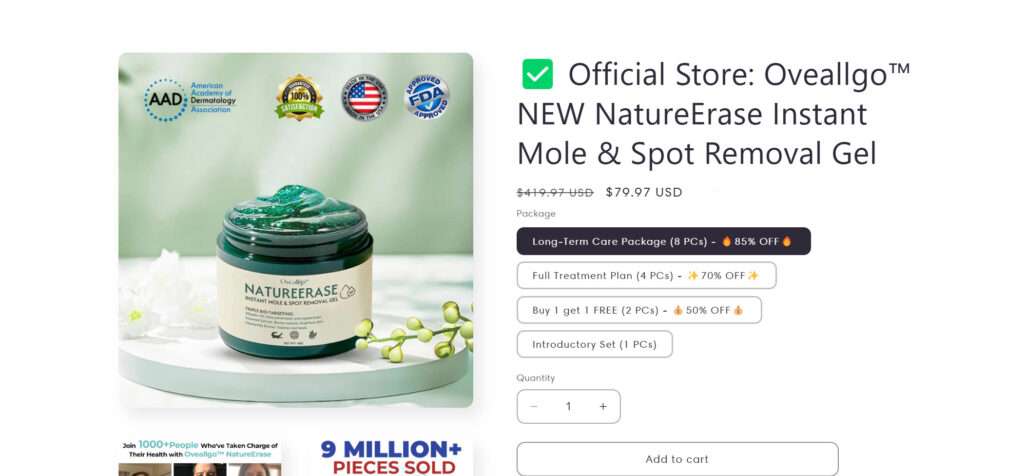
Scam Overview: NatureErase Isn’t What It Claims to Be
NatureErase Instant Mole & Spot Removal Gel is promoted as a powerful topical formula that can remove skin imperfections without surgery, pain, or downtime. The claims are appealing — even irresistible. However, there’s a growing body of evidence that suggests NatureErase is part of a widespread beauty scam network, designed to profit from misleading claims, fake science, and deceptive sales tactics.
Here’s why you should be extremely cautious before clicking “buy.”
Unproven Claims and No Clinical Evidence
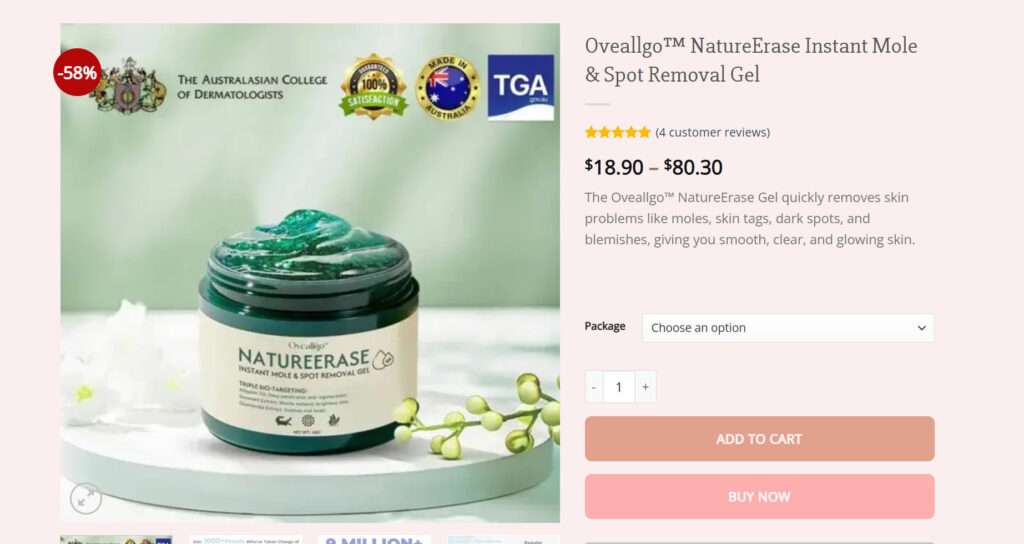
Despite the marketing hype, there are no clinical studies or dermatologist endorsements proving NatureErase works. No peer-reviewed journals, FDA statements, or scientific trials support its claims. The product’s promise to “dissolve moles in seconds” is not just misleading — it’s medically dangerous if people choose this over professional care.
Recycled Branding and Fake Stores
NatureErase is not a single brand. The same product has been rebranded and sold under dozens of store names like:
- LOVILDS™
- Oveallgo™
- Fivifivgo™
- And many others
Each site shares the same copy-paste product page, fake reviews, and “limited-time” offers. These stores often vanish and reappear under new names to avoid negative press.
Fake Testimonials and AI-Generated Reviews
Many “reviews” featured on these product pages are:
- Written by bots or AI
- Pulled from fake review generators
- Attached to stock photos or stolen images from beauty blogs
- Highlighted with glowing 5-star ratings but no verifiable purchases
Meanwhile, real reviews on independent platforms tell a very different story — one of skin irritation, zero results, or never receiving the product at all.
False FDA & Dermatologist Endorsements
The websites often claim the product is “FDA registered” or “doctor approved.” These are blatant lies:
- The FDA does not approve cosmetics or skincare products in this way.
- No actual dermatologists are named or linked to verifiable credentials.
- “Clinical trial” links either don’t exist or lead to fake PDF graphics.
These tactics are intended to create false credibility, luring users who trust official-sounding language.
High-Risk Skin Damage
Some users report serious side effects:
- Chemical burns
- Peeling skin
- Infection
- Worsening of spots and scarring
Attempting to remove skin lesions at home with unverified products is not only risky — it could delay proper diagnosis of more serious conditions like skin cancer.
How the NatureErase Scam Works
This scam is not random. It follows a very specific pattern designed to maximize clicks and conversions, while avoiding accountability. Here’s how it unfolds:
Step 1: Aggressive Ad Targeting
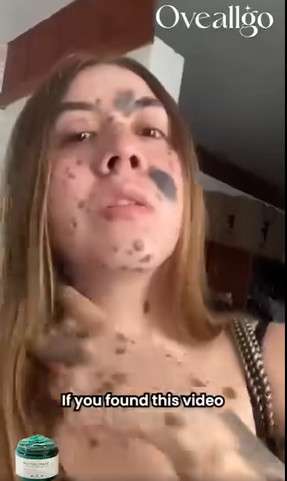
The scam begins with emotionally charged ads on Facebook, TikTok, and Instagram. The ads promise:
- “One drop of this gel removes moles instantly”
- “No doctor, no surgery — dermatologists are stunned”
- “This $29 miracle is replacing laser treatments!”
They often feature viral-style videos, flashy text overlays, and sped-up clips to mimic instant results.
Step 2: Clickbait Landing Pages
Clicking the ad takes you to a suspiciously polished site, often under a different brand name. These pages use:
- Fake news articles
- Stock images labeled as “real customers”
- Countdown timers and phrases like “Hurry! Only 5 left in stock!”
- Testimonials with fake names or repeated copy
These landing pages look like trustworthy online stores — but they are not.
Step 3: Urgency-Driven Sales Tactics
The site pressures you to act quickly:
- “Buy 2, Get 1 Free”
- “75% OFF — Today Only”
- “Risk-Free 60-Day Trial” (but no real return process exists)
These psychological tactics are used to override your judgment, pushing you to buy without research.
Step 4: Shady Checkout and Data Collection
The checkout page often:
- Hides return/refund information
- Doesn’t clearly disclose that no customer service is available
- Collects your full billing info for possible future data resale
Some users report being unknowingly subscribed to monthly charges.
Step 5: Delayed Shipping or No Delivery
Once you place an order:
- The product may never arrive
- If it does, it usually comes without instructions, branding, or safe-use guidelines
- Any attempt to contact customer service is ignored
These fly-by-night companies operate under short-term domains, allowing them to disappear after making sales.
Step 6: Recurring Billing & Data Exploitation
Even if you thought you made a one-time purchase, you might be billed again — weeks or months later. In some cases:
- The product was sold as part of a “trial,” enrolling users in auto-ship
- Customer data is sold to spam marketers
- Fake health newsletters and weight-loss product offers start flooding your inbox
What To Do If You’ve Fallen Victim to the NatureErase Scam
If you’ve been misled into buying NatureErase from LOVILDS, Oveallgo, Fivifivgo, or any other clone store, take the following steps immediately:
1. Cancel the Payment and Request a Chargeback
Contact your bank or credit card company:
- Report the charge as fraudulent or deceptive
- Request a chargeback (credit card companies often support this in scam cases)
- Ask to block future charges from the same vendor
2. Save All Records
Take screenshots of:
- The website
- Your order confirmation
- Any emails received
- Product packaging or lack thereof
This documentation can support your case when disputing the charge.
3. Report the Scam
Help shut down the operation by reporting it to:
- FTC
- Better Business Bureau Scam Tracker
- IC3.gov
- Econsumer.gov (for international buyers)
4. Monitor Your Accounts and Identity
- Check for unusual charges on your account
- Run a credit report
- Set up a fraud alert with your bank or credit bureau
- Use identity monitoring tools if available
5. Warn Others
Share your experience by posting reviews on:
- TrustPilot
- Reddit (e.g., r/scams or r/skincareaddiction)
- ScamAdviser
- Facebook comment threads (where others are being misled)
Your voice may prevent someone else from being tricked.
6. Don’t Use the Product
If you did receive the gel:
- Do not apply it to your skin until you’ve spoken to a licensed dermatologist
- Take a photo of the ingredients and bring it to your doctor
- Report any adverse reactions to the FDA’s MedWatch platform
Frequently Asked Questions (FAQ)
Is NatureErase Instant Mole & Spot Removal Gel FDA approved?
No, the FDA does not approve over-the-counter skincare products like this. Any claims suggesting FDA approval are false and misleading.
Does NatureErase really remove moles or skin tags?
There is no scientific or medical evidence proving that NatureErase effectively or safely removes moles or skin tags. Most dermatologists strongly advise against using unregulated products for skin growth removal.
Why is NatureErase sold under different brand names?
Scammers frequently rebrand the same product under new names like LOVILDS, Oveallgo, and Fivifivgo to escape negative reviews and continue selling to unsuspecting consumers.
Are the reviews on the NatureErase websites real?
No, most reviews on these websites are fake. They often use stock photos, AI-written testimonials, and unverifiable names to create a false sense of legitimacy.
Is it safe to use NatureErase on my skin?
Many users report skin irritation, burns, or worsened blemishes. Without proper regulation or clinical safety testing, this product could pose serious risks to your skin and health.
Can I get a refund if I already ordered NatureErase?
Most users report difficulty receiving refunds or reaching customer service. Your best option is to contact your bank or credit card provider to dispute the charge and request a chargeback.
What should I do if I experienced a reaction from the product?
Stop using it immediately and consult a licensed dermatologist. If the reaction is severe, seek medical attention. You can also report the product through the FDA’s MedWatch safety portal.
Why is NatureErase not available in pharmacies or major retailers?
Legitimate retailers require products to meet specific safety, transparency, and quality standards. Scam products like NatureErase are typically sold only through unregulated websites.
Can removing moles at home be dangerous?
Yes. Dermatologists warn against removing moles or skin tags without medical supervision. It can lead to infection, scarring, or missed early signs of skin cancer.
How can I report the NatureErase scam?
You can report it to the Federal Trade Commission (FTC), Better Business Bureau (BBB), and Internet Crime Complaint Center (IC3). These agencies track and investigate fraudulent online businesses.
The Bottom Line
NatureErase Instant Mole & Spot Removal Gel — whether sold by LOVILDS, Oveallgo, or Fivifivgo — is not a miracle skincare breakthrough. It’s a recycled online scam that uses bold claims, fake science, and psychological tricks to sell an unproven product at inflated prices.
In truth:
- There is no peer-reviewed science supporting its claims
- Most customer reviews are fake or AI-generated
- The company hides behind rotating brand names and websites
- Many customers report no product delivery, poor results, or burns and skin damage
Always consult a real dermatologist for mole removal or skincare issues. If a product claims instant results with no effort, no science, and no credentials — it’s a scam.

Join the discussion
0 commentsShare your experience or ask a question about this article.
Discussion
Start the conversation
Have a question or something useful to share? Add the first comment.