


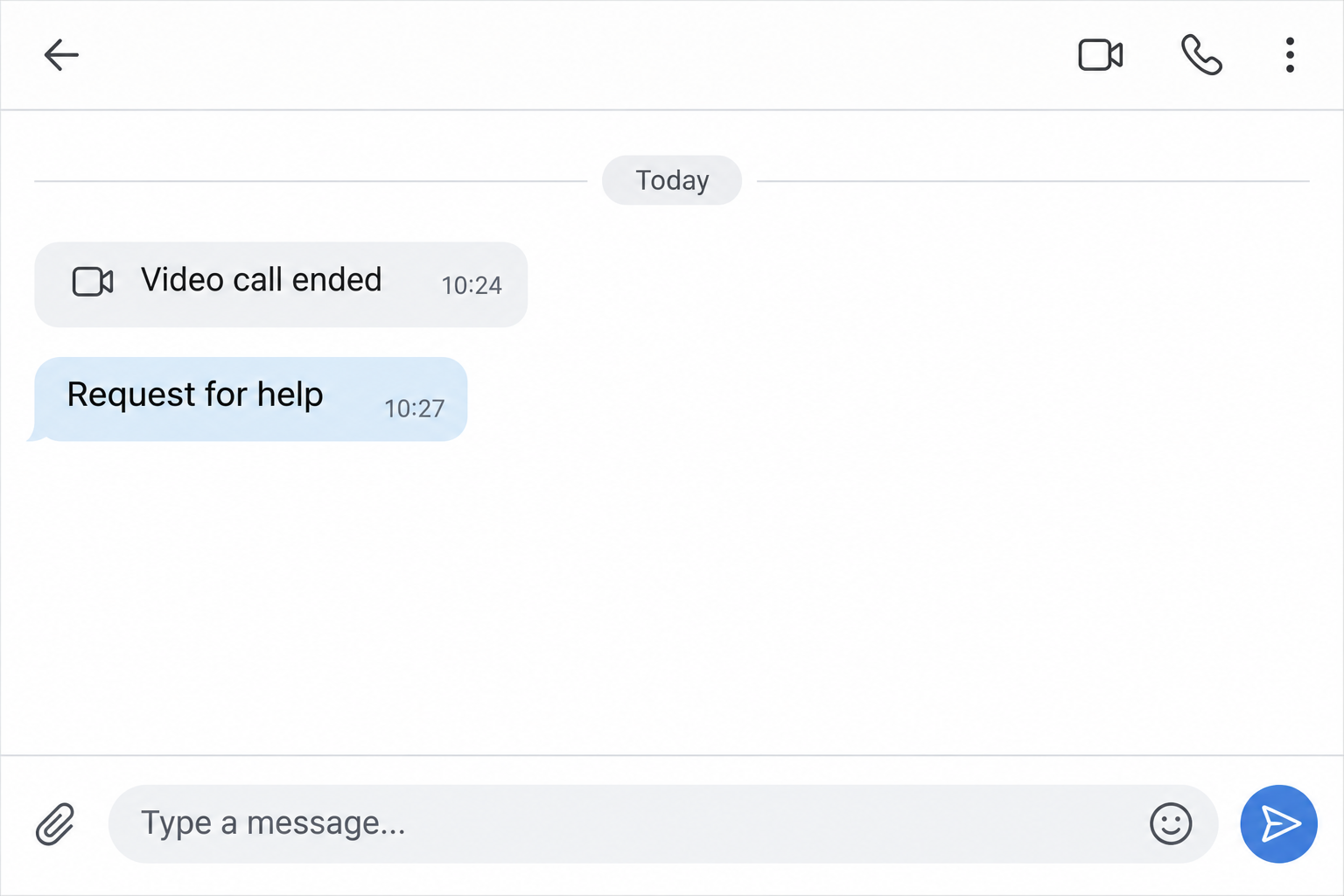
The person you’ve been getting to know finally makes time for a video call. The conversation feels personal, and there’s a real voice on the other end.
Later they ask for money to get through a crisis. The call seemed like proof, but what did it actually prove?
Overview
The Ohio case was about more than fake photos
Federal prosecutors in northern Ohio announced three guilty pleas for conspiracy to commit wire fraud in October 2026. They reported more than $9 million in combined victim losses.
The account of the case describes fake identities used to build close relationships online, often romantic ones. The people targeted included older Americans in Ohio and elsewhere.
The Guardian’s coverage described an allegation that the defendants sometimes used AI-assisted video. A separate Justice Department announcement attributes that detail to the indictments.
The pleas establish the three defendants’ admission to the conspiracy charge. They don’t establish what video technology every victim encountered or mean that anybody else mentioned was found guilty.
A convincing conversation and a real payment are different things
A call can make a relationship feel more real. It still doesn’t authenticate the caller’s identity, emergency, or authority to collect money for somebody else.
Even if the video isn’t altered, the speaker can lie about why they need a transfer. Don’t make your decision about money depend on whether a face looks authentic.
In the Ohio case, prosecutors said people were misled into wiring money to accounts controlled by members of the conspiracy. The wire made the false story financially damaging.
You can end the payment discussion without proving how a video was made. The financial request has to stand on its own evidence.
Three details deserve separate answers
- Who asked for money, and how can you verify the relationship outside the account they use?
- What is the claimed emergency, expense, or plan, and who can independently confirm the details?
- Who will receive the payment, and why is that person or organization entitled to it?
No online conversation answers all three questions just because it feels natural. Keeping the questions separate also helps you explain what happened after a payment.
How the Ohio Romance Scam Works
Step 1: A profile becomes a person you expect to hear from
The contact might begin on a dating site or move quickly into ordinary messages. What feels meaningful may be the pattern of attention, not any distinctive pickup line.
Someone who asks about your day can gradually become part of your routine. It makes sense that you would trust that person more after talking for a while.
A profile with a familiar kind of work, family story, or daily schedule can feel believable without being verifiable. Don’t send documents just to make the relationship feel reciprocal.
When a contact insists on a private channel, remember you can still talk to a trusted person elsewhere. A relationship doesn’t require keeping financial requests secret.
Step 2: A call gives the relationship a sense of proof
In this case, the early federal announcement described alleged use of AI-driven video under fictitious identities. It does not say every person targeted had a call.
A bad connection, a brief appearance, or an odd-looking image needn’t be fraud. The absence of visible glitches is not proof that the story is true either.
You may be shown a familiar face or hear someone answer questions in real time. That doesn’t connect the person to a hospital, airline, employer, or bank account.
If there’s a financial request, you aren’t obliged to keep meeting until you can spot a technical fault. Check the request through independent channels or don’t fund it.
Step 3: A request turns personal trust into a transfer
The Guardian described possible reasons given in the case, including travel and medical problems. What matters for the reader is that the story supplies a reason to move money.
A contact might say the payment goes to a helper instead of directly to them. A different recipient creates a separate question about who controls the funds.
If the issue concerns a real institution, find that institution independently. Don’t arrange verification through somebody introduced by the person asking for money.
Don’t send a small test payment to see whether someone is honest. It can be harder to refuse the next request when you already have money at risk.
Step 4: Earlier payments make later decisions feel harder
A fresh request may be framed as the last step before a visit or refund. It can keep you focused on completing a plan rather than checking the underlying facts.
Try looking at the payments in date order. The pattern of postponed meetings and changing costs can be harder to see while you’re answering each request separately.
If an account says not to tell your bank why you paid, stop following its instructions. The bank needs the true circumstances to handle the transaction.
You can tell a friend or counselor you’re unsure without ending every relationship immediately. The important step is to separate emotional support from the decision to send more money.
How to Help Someone Without Turning It Into an Argument
Start with the next payment, not with the profile picture
Ask if money is due today or if a payment can still be stopped. It’s often easier to agree on a pause than to settle every disagreement about the relationship.
Avoid making the person defend everything they remember about a call. Focus on what is being requested now and who independently confirmed it.
If a relative wants to tell you the whole story, give them enough time to do that. The first version you hear may leave out embarrassing details.
Offer concrete help such as sitting with them while they call the bank. Don’t make yourself the new person who wants their account codes.
Keep the bank conversation private and accurate
Ask the person to call the institution through their own account or a phone number they know. Your role can be to help them remember dates and amounts.
Let the person explain whether they made a payment under false pretenses or noticed a charge they never approved. The bank handles those situations differently.
Keep any written record that explains why they believed the payment was necessary. Give it only to the institution or investigator who needs it.
They may worry that they will be blamed for approving the transfer. Reassure them that accurately describing what happened is how the provider can decide what to do.
Don’t turn the alleged recipient into a target
Someone whose photo was copied may have nothing to do with the fraud. Don’t post a profile picture and invite people to identify or confront the person in it.
A name on a bank receipt can help investigators without identifying the person who made the calls. Record who you spoke to separately from who received the payment.
Use the platform’s reporting process rather than asking friends to message the suspect account for information. Don’t send more funds or share intimate material to collect proof.
If the contact threatens harm or exposure, seek appropriate help and keep the message. A payment demand accompanied by a threat isn’t something to settle privately with the sender.
Forfeiture, Restitution, and Your Bank Are Separate
The Justice Department said the defendants agreed to forfeit seized jewelry as part of the plea agreements. That does not tell an individual victim when any funds could be returned.
A seized item is not a refund notice. If you hear from someone claiming to distribute money recovered in the case, verify that claim through the court or agency.
The bank’s ability to respond depends on the transaction and timing. Don’t wait to contact it because you saw a headline about prosecution.
You can keep a case reference and bank dispute reference in the same folder. Keep them identified separately so you can follow up with the right organization.
An unsolicited recovery company may know facts that appeared in public reporting. Correct names, a court district, or a believable letterhead aren’t evidence the company was appointed to help.
The FBI’s romance fraud guidance recommends notifying the financial institution and reporting the activity. Its reporting guidance does not promise that all transfers can be reversed.
When the Request Isn’t to Send Your Own Money
Pause if somebody asks to use your account
Someone you met online may ask you to receive money, keep it briefly, or send it to somebody else. This isn’t a safe substitute for paying your own funds.
Money sent into your account can come from another victim. The person asking you to move it may be concealing who should actually receive it.
Do not accept a transfer to prove you trust a new partner. If money has already arrived, contact your bank before attempting to forward it or send it back.
Tell your provider which role you were asked to play
You might have sent your own money on one day and received a different payment on another. Don’t describe both as a single transaction when asking for help.
Identify who directed you and any account, address, or recipient listed in the instructions. Give those details privately rather than trying to locate the people yourself.
Keep records of unusual deposits even if they disappeared from your balance. Your provider can distinguish reversals from new activity and can advise what to do.
Protect other people without continuing the conversation
If the profile asked you to bring a relative or friend into the arrangement, warn them through a channel you already trust. Don’t give the suspect contact anyone’s information.
You may want to understand whether something you said or did caused the scam. The practical issue now is stopping new activity, not convincing the person to admit what happened.
If a stranger claims to be a second victim and proposes a joint recovery payment, treat it as a new request. Verify through your provider and the authorities.
What to Do if You Have Fallen Victim to This Scam
End further payments while you check what happened.
Decline the next transfer, travel fee, or supposed reimbursement charge. If another payment is scheduled, ask your own payment provider what can still be stopped.
Check with someone you trust if you feel pulled into solving one more emergency. You can address an urgent banking problem without speaking to the contact.
Get the transaction details to your bank promptly.
Identify the actual payment date, amount, reference, and recipient. Explain when the money was sent and what you were told it was for.
Ask about a recall or other available options. If you paid several ways, contact each relevant provider rather than giving all transactions to the same bank.
Make a record of the messages and payments.
Save the account name, the timeline, payment instructions and receipts you still have. Don’t call the person again just to obtain a video recording.
Keep private material and banking records outside public posts. An official report can contain details that you shouldn’t share with friends or strangers.
Report the contact through the appropriate channels.
Flag the dating or social profile where you first met. In the United States you can report internet crime through the FBI’s IC3 portal.
If you believe your loss relates to the Ohio investigation, say why and give the dates and evidence. Don’t depend on a stranger’s private tip about the case.
Review anything the person learned besides the payment.
If you shared login details or used a password on a page from the contact, secure the actual accounts. Tell a provider when its own security information was exposed.
If the account knew your address or you shared identity material, seek guidance suited to that exposure. Don’t assume every later message is from the same group.
Frequently Asked Questions
Did everyone targeted in the Ohio case speak on video?
The public material does not show that everyone had a call. The government attributed the use of AI-assisted video in the scheme to the indictments.
Does a live conversation prove the story behind the request?
No, a conversation doesn’t verify where the money will go. Check the claimed expenses independently and don’t pay based on the call.
Why does the transfer recipient sometimes have another name?
The contact may describe the recipient as a helper or service. That is a claim to verify independently, not a reason to ignore a mismatch.
Can I report the fraud if I approved the transfer?
Yes, explain that you authorized it based on deception. Give the bank the original request and the transaction details instead of describing it as an unrecognized charge.
Does the guilty plea mean victims have been repaid?
No, a plea and an individual’s repayment are different matters. Ask your bank and the appropriate authorities what options are available in your case.
Should I keep talking to the account to gather evidence?
No, save what you already have and stop further payment. Don’t expose yourself to more requests or send information in exchange for a confession.
The Bottom Line
Don’t wire money to someone you met online because a video call made their story feel real. A call can’t authenticate the emergency or the recipient.
If you’ve sent money, contact the provider now and preserve the records you already have. Report the impersonation and decline any advance fee for a supposed recovery.

Join the discussion
0 commentsShare your experience or ask a question about this article.
Community experiences
Did this happen to you?
Your experience could help someone recognize the same scam. Submit a private report for our team to review.
I experienced this tooReports are reviewed before publication. Sharing publicly is always your choice.
Discussion
Start the conversation
Have a question or something useful to share? Add the first comment.