


Penn Herb sells familiar botanical names alongside promises about purity, energy, and traditional wellness. A bottle can look straightforward while its manufacturing documentation raises harder questions.
The Penn Herb FDA warning concerns what happens before those capsules reach the shelf. Buyers need to connect that record with the exact products offered today.
Overview
FDA named three supplements made at Penn Herb’s facility
The October 19, 2026 warning letter follows an inspection of the company’s Philadelphia facility between May 12 and June 8, 2026.
FDA identifies manufacturing violations affecting Ashwagandha Root, Mexican Sarsaparilla Root, and Black Walnut Hulls supplements. The letter also raises a specific walnut-allergen labeling concern.
- Ashwagandha Root appears in the findings about contaminant limits and finished-product specifications.
- Mexican Sarsaparilla Root also appears in the findings about botanical identity verification.
- Black Walnut Hulls also appears in the identity findings and allergen-label comment.
Current listings still require a product-by-product reading
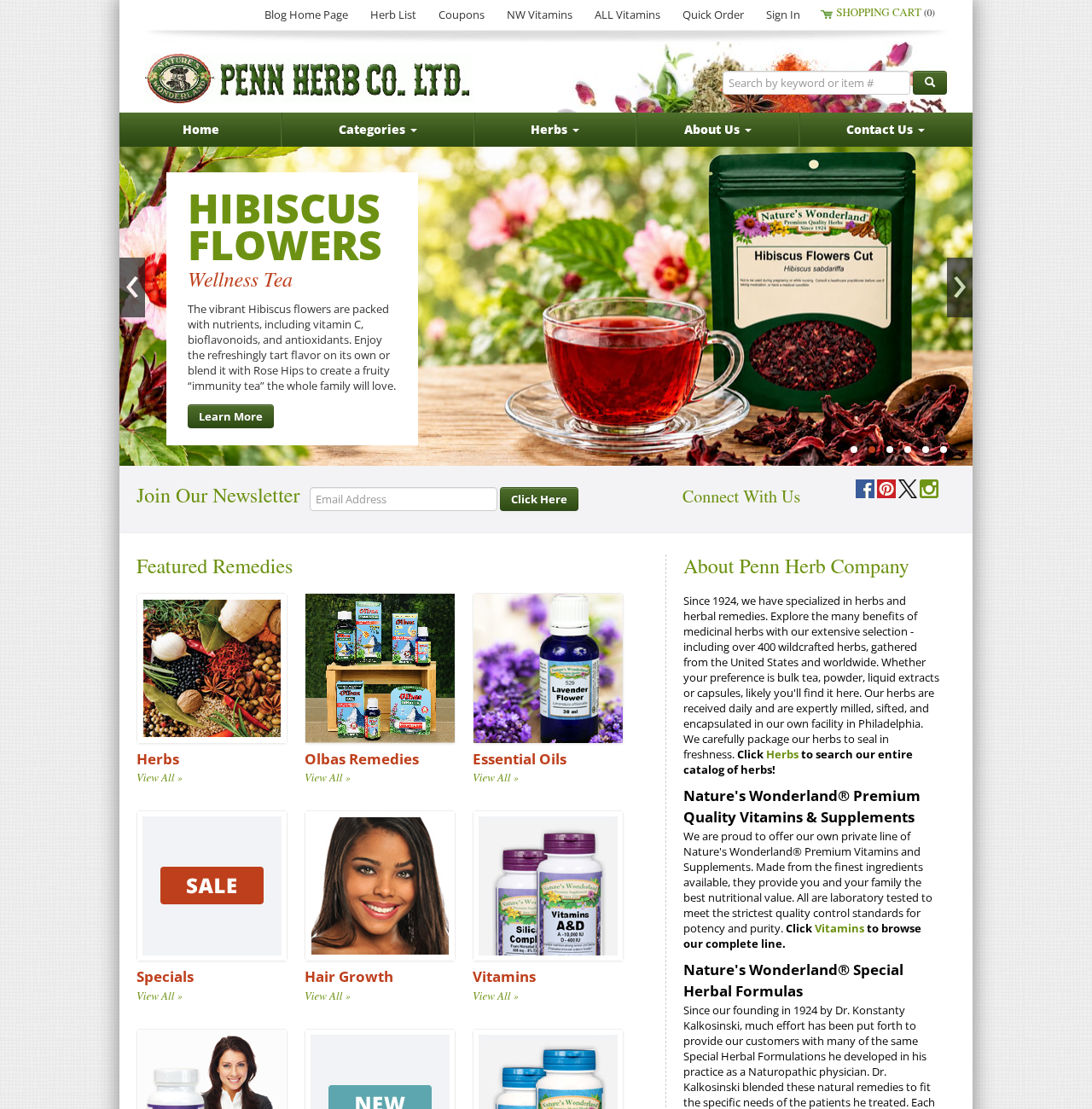
Penn Herb’s website describes milling and encapsulating herbs in Philadelphia. It also makes laboratory-testing claims for its private Nature’s Wonderland vitamin and supplement line.
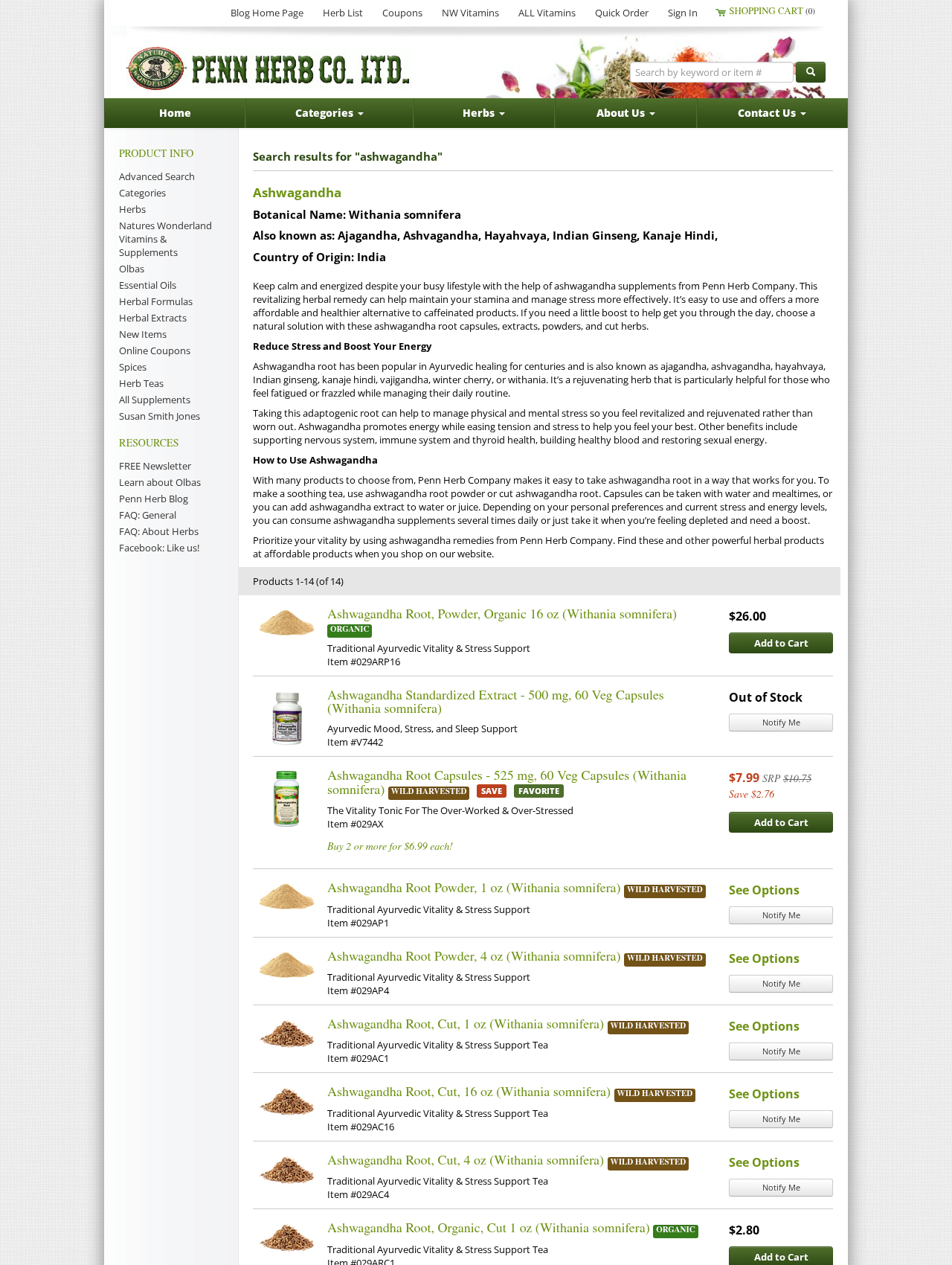
Current listings and linked labels identify the relevant root and hull capsules. They should not be confused with other brands, standardized extracts, bark, or leaves.
A missing safeguard is not a measured contamination result
FDA says the named supplements are adulterated because their manufacturing conditions fail dietary-supplement requirements. That finding matters even without a published test showing contaminated capsules.
Do not buy these three Penn Herb supplements while the manufacturing concerns lack a documented resolution you can verify. Existing buyers should check their bottles and seek guidance.
What the Penn Herb FDA Warning Means for Buyers
Manufacturing rules address more than whether a capsule weighs the advertised amount. They also address identity, purity, strength, composition, and contamination controls.
FDA’s manufacturing backgrounder explains why these safeguards exist. Buyers need confidence that the material inside matches the label and meets appropriate quality specifications.
Recognizing a powder is not necessarily identifying its species
For Mexican Sarsaparilla Root, FDA criticized reliance on sensory features such as appearance, taste, and aroma to identify powdered Smilax officinalis.
Other Smilax species can share those features. The problem is the method’s inability to distinguish the intended species, not proof that a particular substitute was found.
The letter makes a similar point about powdered Black Walnut Hulls and Juglans nigra. More descriptive sensory notes did not resolve that specificity problem.
For a buyer, a correct-looking powder or familiar herbal smell cannot settle that question. Appropriate identity evidence needs to distinguish the actual botanical material.
Capsule weight cannot answer every quality question
FDA says the company lacked contaminant limits for the three named ingredients, including limits concerning microbes and heavy metals that might be present.
The agency also identified missing finished-product specifications. The recorded capsule weight did not establish all the required identity, purity, strength, composition, and contamination safeguards.
This distinction prevents two opposite mistakes: treating a stated milligram amount as complete quality assurance, or treating missing limits as a measured heavy-metal result.
The sanitation observations describe a separate manufacturing problem
The inspector reported powder residue on equipment and room surfaces, including residue after preproduction cleaning. FDA also described residual powder collected for reuse with worn tools.
The letter questions evidence that a cleaning agent was suitable for food-contact surfaces. It also notes an out-of-order hand sink and poorly resealed ingredient bags.
Those are concrete inspection findings, not merely an argument about paperwork. FDA explains that the practices create contamination risks during manufacturing.
However, this inspection record does not reveal the contents of your particular bottle. It also does not establish that the same room conditions continue unchanged today.
Match the Warning to the Right Product
The current catalog helps connect the FDA’s product names to identifiable Penn Herb capsules. Matching the plant part is as important as matching the familiar name.
| Penn Herb product | Current listing and linked label |
|---|---|
| Ashwagandha Root | Item 029AX lists 60 capsules, with 525 mg of Withania somnifera root per one-capsule serving. |
| Mexican Sarsaparilla Root | Item 373X lists 60 capsules containing 575 mg per serving, with Smilax officinalis identified on the product page. |
| Black Walnut Hulls | Item 437X lists 60 capsules containing 675 mg of hull material, with Juglans nigra identified on the product page. |
The ashwagandha category also displays a separate standardized extract. That is not the same preparation as Penn Herb’s 525 mg root capsules.
Likewise, the black-walnut catalog contains bark and leaf products alongside hulls. The warning’s named hull supplement should not silently become an accusation against every listing.
These are current catalog matches, not a list of recalled lots. FDA’s letter does not publish enough unredacted batch information to identify every affected consumer bottle.
What the Public Ashwagandha Certificate Actually Shows
The 029AX product page offers lot-linked certificates and says the first listed lot corresponds to currently available inventory.
The first listed lot, 25323WH, links to a certificate dated November 19, 2025. Its date precedes the 2026 inspection and warning letter.
That document concerns Ashwagandha Root powder, item 029a. It identifies Withania somnifera, the root part, a country of origin, and sensory descriptions.
Its identification entry says the material was verified. The document does not show the analytical method, microbial test results, heavy-metal results, or associated acceptance limits.
Therefore, this particular public certificate does not answer the contaminant-specification concerns raised by FDA. It also is not a finished-capsule release report.
That does not prove the company possesses no additional laboratory records. It means the document available through this link cannot carry that broader assurance by itself.
A useful follow-up would connect the bottle’s lot to relevant test results, methods, limits, and manufacturing release records. A different product’s certificate would not answer that request.
The certificate also does not document remediation of the inspected equipment or sanitation procedures. Ingredient identification and manufacturing hygiene are related safeguards, but different questions.
Two Label Details Buyers Should Not Overlook
The walnut issue concerns an allergen declaration
FDA says the inspected Black Walnut Hulls label did not adequately declare the walnut major-food-allergen information, although black walnut hulls appeared as an ingredient.
The currently linked label PDF still lists the hull ingredient without an added allergen statement. Its presence online does not prove which label accompanies today’s shipped bottle.
Do not interpret a missing separate warning box as reassurance for someone with a walnut allergy. Ask a qualified clinician before considering this product.
FDA’s allergen guidance explains that allergen-source information can appear through different permitted label arrangements. The specific FDA criticism matters, not a blanket demand for one layout.
The linked directions do not always match the webpage
For Ashwagandha Root, the linked PDF says one capsule three times daily. The product page allows one or two capsules three times daily.
The Black Walnut Hulls page and linked PDF also differ in that way. Both versions include warnings that should be discussed with an appropriate professional.
For the ashwagandha bottle, those alternatives would describe a 20-day or 10-day supply. This comparison explains the documents, not a dose you should take.
Bring the actual bottle and both versions to your pharmacist or clinician. Do not resolve conflicting directions by choosing the larger amount yourself.
These discrepancies do not establish a clinical injury. They are practical reasons to obtain a clear, current answer before buying or continuing a product.
Who Makes These Supplements and Handles Returns
The label identifies a manufacturer, not merely a shop
The linked Ashwagandha Root label identifies Penn Herb Company, Ltd. as its manufacturer and distributor. The FDA letter addresses Penn Herb as the inspected manufacturer.
This is not an anonymous retailer whose entire role must be guessed from a logo. The meaningful question is whether its documented manufacturing shortcomings were corrected.
The Philadelphia location matches the inspection record
The company’s contact page lists its corporate offices and factory store on Decatur Road in Philadelphia. FDA inspected the corresponding Decatur Road facility.
A matching location helps establish which business the letter concerns. It does not certify current sanitation, authenticate every product claim, or replace the inspection findings.
Published support offers a route, not a tested outcome
Penn Herb publishes customer-service contact information and a returns procedure. No call, complaint submission, purchase, or return was conducted for this article.
The ordering policy asks customers to contact support within 30 days of receipt for return authorization, then include the authorization and invoice with the return.
It describes refunds usually issued within five days after returned merchandise arrives, with shipping charges excluded. Credit or exchange options are also mentioned.
That is a published commercial policy, not a promise that every refund request succeeds. Ask about your opened bottle or safety-related concern rather than assuming the answer.
The supply-chain answer needs more than a general guarantee
The homepage’s Philadelphia-processing description and private-line testing language create a clear expectation of quality controls. They do not resolve the specific FDA findings.
Ask which evidence applies to the exact ingredient, finished product, and lot. Botanical origin information alone cannot show that manufacturing specifications were met.
Changing a label could address one labeling issue without proving sanitation was corrected. Conversely, an older downloadable label might not represent a newer physical bottle.
Prices, Quantity Discounts, and Recurring-Billing Limits
The current Ashwagandha Root offer lists one 60-capsule bottle at $7.99. Its advertised price for two or more is $6.99 per bottle.
Two bottles therefore total $13.98 in merchandise before any shipping or tax. The lower figure beside the offer is not the entire two-bottle charge.
The loaded public product form starts at quantity one. No active subscription choice or recurring-billing wording appeared on that inspected product page.
The final checkout was not inspected, and no payment or personal information was entered. This is not evidence that every later billing screen offers identical terms.
Bundle and refill warning
One Ashwagandha Root bottle is listed at $7.99; two cost $13.98 before shipping or tax. The quantity discount does not establish a subscription.
The inspected product form starts at one bottle without an active recurring selector. Final checkout terms were not verified, so automatic enrollment must not be assumed.
Do not increase your order to chase the discount while quality questions remain unresolved. Existing buyers should compare their receipt with the quantity and billing terms accepted.
What Would Show That the Problems Were Addressed?
The warning letter says FDA had received no response to the inspection observations as of October 19. That statement should not be extended indefinitely.
FDA requested a written response within 15 working days of receipt. It asked for corrective steps, supporting documentation, and a timetable for unfinished work.
The public FDA listing does not show a linked Penn Herb response or closeout letter. That absence does not prove no later correspondence or correction occurred.
FDA itself cautions that subsequent interactions may change a warning letter’s regulatory status. A credible update should therefore identify what changed and which findings it addresses.
Useful evidence would include revised botanical identity methods, contaminant limits, finished-batch specifications, and records showing those requirements were met for relevant products.
Sanitation findings also need their own corrective documentation. A capsule-weight statement, an old ingredient certificate, or a refreshed website paragraph cannot demonstrate those changes alone.
A warning letter is not a recall announcement. Buyers do not need a recall notice before deciding these unresolved manufacturing questions justify postponing a purchase.
Ingredient Research Does Not Settle Manufacturing Quality
Penn Herb’s ashwagandha marketing emphasizes energy and stress support. The National Center for Complementary and Integrative Health reports possible benefits for some preparations in stress and insomnia.
However, many studies were small and used different preparations. Those findings cannot automatically be assigned to this particular root capsule or its manufacturing quality.
NCCIH also describes safety limitations, including pregnancy and breastfeeding concerns, possible medicine interactions, and cautions for people with thyroid or autoimmune disorders.
That makes the product’s thyroid-support language a reason for medical discussion, not permission to self-treat a thyroid condition. Natural ingredients are not automatically suitable for everyone.
What to Do If You Bought a Named Penn Herb Supplement
-
Identify your exact bottle before drawing conclusions. Record its product name, plant part, item number, lot, expiration information, and purchase date.
Keep the container and remaining contents available. A different manufacturer’s extract or a Penn Herb bark product should not be treated as the named hull supplement.
-
Set the product aside while seeking guidance. Discuss the warning and your actual bottle with a clinician or pharmacist before taking more.
Provide your medication list and any symptoms, especially when considering ashwagandha with thyroid medicines or other treatments. Do not replace prescribed treatment with another supplement.
-
Respond promptly to possible allergic symptoms. Breathing difficulty, throat swelling, or faintness after taking a supplement requires urgent medical attention, not a customer-service wait.
Follow your prescribed allergy emergency plan when applicable. FDA warns that allergic reactions can progress quickly, so an initially mild reaction should not be dismissed.
-
Ask Penn Herb about your lot specifically. Request the relevant finished-product tests and corrective information, rather than accepting a certificate for a different material.
If seeking a refund, contact support promptly about return authorization and preserve your receipt. Ask for instructions before shipping a bottle that may support a safety report.
-
Report suspected harm without claiming proven causation. FDA’s supplement consumer guidance explains reporting suspected adverse events, even when you are unsure the supplement caused them.
Describe the actual product, symptoms, timing, and lot through official reporting channels. Keep medical and payment details private rather than posting them in a public discussion.
Frequently Asked Questions
Does the FDA letter prove every Penn Herb bottle is contaminated?
No, it describes manufacturing conditions and specification failures that make the named supplements adulterated under the cited law. It does not report contamination measurements for every bottle.
Which products does this article recommend avoiding?
Defer buying Penn Herb’s Ashwagandha Root, Mexican Sarsaparilla Root, and Black Walnut Hulls supplements until the identified manufacturing concerns have a credible, verifiable resolution.
Does an available certificate of analysis settle the warning?
No, the publicly linked ashwagandha certificate examined here describes root powder without the contaminant results needed to answer these concerns. Its scope matters more than its heading.
Is the two-bottle price an automatic refill plan?
The observed offer is a quantity discount, not evidence of recurring enrollment. The product page showed no active subscription choice, while final checkout terms remain unverified.
Can I rely on the website instead of my bottle’s directions?
The linked labels and product-page directions differ for some capsules. Ask a pharmacist or clinician to reconcile the actual bottle rather than increasing the amount yourself.
Has FDA confirmed that Penn Herb corrected everything?
No public closeout link was established in the FDA listing checked. Later correspondence may exist, so neither total correction nor permanent nonresponse should be invented.
The Bottom Line
The Penn Herb FDA warning identifies meaningful manufacturing safeguards that were missing, not merely an unpopular ingredient or an unfamiliar seller.
Do not buy the three named Penn Herb supplements while their quality concerns remain unresolved. General guarantees and the public ingredient certificate do not demonstrate a complete correction.
If you already own one, retain the bottle, seek appropriate health advice, and ask Penn Herb about your exact lot and return options.

Join the discussion
0 commentsShare your experience or ask a question about this article.
Community experiences
Did this happen to you?
Your experience could help someone recognize the same scam. Submit a private report for our team to review.
I experienced this tooReports are reviewed before publication. Sharing publicly is always your choice.
Discussion
Start the conversation
Have a question or something useful to share? Add the first comment.