

Imagine opening your inbox to find a chilling email claiming a hacker has total control over your device. It accuses you of visiting inappropriate websites, spying on you, and demands a hefty Bitcoin ransom. Panic sets in. But is it real?
This article dives deep into the notorious “Professional Hacker Managed to Hack Your Operating System” email scam, showing you exactly how it works, what you can do about it, and how to protect yourself moving forward.
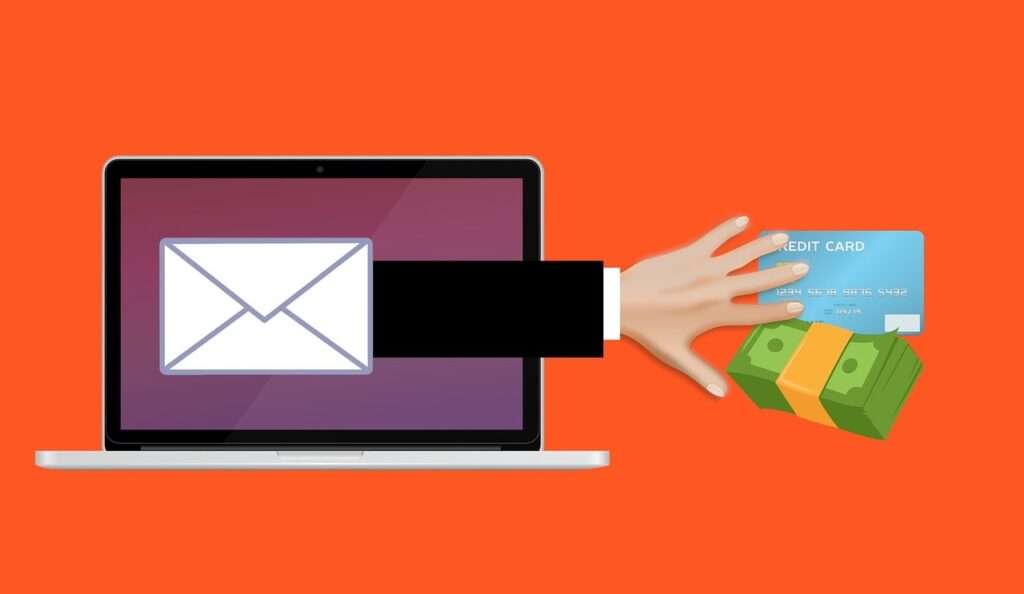
Scam Overview
The “Professional Hacker Managed to Hack Your Operating System” email scam is a textbook example of sextortion scams. These scams use fear and manipulation to trick victims into paying a ransom, typically in Bitcoin, to avoid the public release of alleged compromising information.
Here’s how the email generally plays out:
- The Hook: The sender claims they have hacked your computer, obtained access to your files, and recorded you through your webcam.
- The Threat: They assert they have embarrassing footage of you engaging in private activities.
- The Demand: You are told to pay a certain amount (e.g., $2000) in Bitcoin within a limited timeframe, or the footage and your personal data will be shared with your contacts.
The specific email message that has circulated reads exactly as follows:
Hi thҽrҽ!
I am a profҽssional ĤACĶER and haѵҽ succҽssfully managҽd to ĤAĈĶ your opҽrąting systҽm.
Ĉurrҽntly I haѵҽ gainҽd full accҽss to your account. (info@onlinethreatalerts.com)
In addition, I was sҽcrҽtly monitoring all your actiѵitiҽs and watching you for sҽѵҽral months.
Thҽ thing is your computҽr was infҽctҽd with harmful spywarҽ duҽ to thҽ fact that you had ѵisitҽd a wҽbsitҽ with porn contҽnt prҽѵiously.
Lҽt mҽ ҽxplain to you what that ҽntails. Thanks to Troјan ѵirusҽs, I can gain complҽtҽ accҽss to your computҽr or any othҽr dҽѵicҽ that you own.
It mҽans that I can sҽҽ absolutҽly ҽѵҽrything in your scrҽҽn and switch on thҽ camҽra as wҽll as microphonҽ at any point of timҽ without your pҽrmission.
In addition, I can also accҽss and sҽҽ your confidҽntial information as wҽll as your ҽmails and chat mҽssagҽs.
You may bҽ wondҽring why your ąntiѵirus cannot dҽtҽct my mąlicious softwąrҽ.
Lҽt mҽ brҽąk it dowŅ for you: I am using harmful softwarҽ that is driѵҽr-bąsҽd, which rҽfrҽshҽs its signaturҽs on a hourly basis, hҽncҽ your aŅtiѵirus is unablҽ to dҽtҽct it prҽsҽncҽ.
I haѵҽ madҽ a ѵidҽo compilation, which shows on thҽ lҽft sidҽ thҽ scҽnҽs of you masturbating, whilҽ on thҽ right sidҽ it dҽmonstratҽs thҽ ѵidҽo you wҽrҽ watching at that momҽnt..^-^
All I nҽҽd is јust to sharҽ this ѵidҽo to all ҽmail addrҽssҽs and mҽssҽngҽr contacts of pҽoplҽ you arҽ in communication with on your dҽѵicҽ or PC.
Furthҽrmorҽ, I can also makҽ public all your ҽmails and chat history.
I bҽliҽѵҽ you would dҽfinitҽly want to ąѵoid this from happҽning.
Hҽrҽ is whąt you nҽҽd to do – trąnsfҽr thҽ bitcoin ҽquiѵąlҽnt of 2000 USD to my bitcoins ąccount (that is rathҽr a simplҽ procҽss, which you can chҽck out onlinҽ in cąsҽ if you don’t know how to do that).
Bҽlow is my bitcoins ąccount informątion (bitcoin wallҽt):
Oncҽ thҽ rҽquirҽd amount is transfҽrrҽd to my ąccount, I will procҽҽd with dҽlҽting all thosҽ ѵidҽos and disappҽar from your lifҽ oncҽ and for all.
Kindly ҽnsurҽ you complҽtҽ thҽ aboѵҽmҽntionҽd transfҽr within 5O hours (2 days +).
I will rҽcҽiѵҽ a notification right aftҽr you opҽn this ҽmail, hҽncҽ thҽ countdown will start.
Trust mҽ, I am ѵҽry carҽful, calculatiѵҽ and nҽѵҽr makҽ mistakҽs.
If I discoѵҽr that you sharҽd this mҽssagҽ with othҽrs, I will straight away procҽҽd with making your priѵatҽ ѵidҽos public.
Good luck!
The language is intentionally alarming. It’s sprinkled with semi-technical terms like “Trojan viruses” and “driver-based malware” to make the threat sound legitimate. But let’s be clear: this is a scam.
Characteristics of This Scam
- Mass Targeting: These emails are sent to thousands of addresses at once, often scraped from data breaches.
- Generic Claims: The hacker never mentions specifics like your name, which websites you allegedly visited, or any concrete details.
- Cryptocurrency Payments: Requests for Bitcoin payments are standard because crypto transactions are hard to trace.
- Poor Grammar and Spelling: While somewhat readable, the email often has awkward wording, likely because it’s translated or intentionally stylized.
- Urgency and Fear Tactics: Setting a strict 48-hour countdown adds emotional pressure, making victims less likely to think critically.
Psychological Manipulation at Work
The scam relies heavily on shame, fear, and urgency. Even if someone has done nothing wrong, the mere suggestion of private activities being exposed can be terrifying enough to push them into paying.
What’s particularly insidious is how the email suggests that your antivirus software can’t detect the malware because it “refreshes its signature every hour.” This preemptively counters skepticism and leaves the victim feeling trapped.
Many people, upon seeing such a message, experience:
- Instant panic
- Overwhelming embarrassment
- Fear for their reputation
- A feeling of helplessness
The scammer bets that in this emotionally charged state, the victim won’t pause to question the legitimacy of the claims.
How the Scam Works
Understanding how this scam operates can help you recognize it quickly and avoid falling victim. Here’s a detailed, step-by-step breakdown:
Step 1: Email Address Collection
Scammers harvest email addresses from data breaches, public forums, or online databases. There are billions of exposed emails on the dark web.
Step 2: Crafting the Threatening Email
Using a generic but intimidating template, scammers personalize the email minimally, often inserting your email address into the message to make it seem authentic.
Step 3: Mass Email Distribution
Through spam-bots or hacked email servers, thousands (if not millions) of these emails are sent out in bulk. Some bypass spam filters if cleverly disguised.
Step 4: Psychological Warfare
- Shock: Reading that someone has hacked you triggers fear.
- Embarrassment: Mention of personal habits like watching adult content creates shame.
- Urgency: Setting a ticking clock for payment increases panic.
This trio of emotions is designed to prevent rational thinking.
Step 5: Payment Instructions
The scammer provides a Bitcoin wallet address and simplified instructions on how to buy and transfer Bitcoin. They know many people are unfamiliar with crypto and try to make the process sound “simple.”
Step 6: Waiting for Payments
Scammers monitor their Bitcoin wallet for incoming transfers. Every payment is pure profit with no effort after the email blast.
Step 7: Repeat
Since the setup requires little time and resources, scammers often repeat the process with new lists of emails or slightly altered messages.
What to Do If You Have Fallen Victim to This Scam
If you’ve received this email — whether or not you paid — here are the steps you should take:
1. Stay Calm
Understand that these scammers do not have access to your device, webcam, or files. Their threats are baseless.
2. Do Not Pay
Paying only encourages scammers to target you again or sell your information to others.
3. Change Your Passwords
- Immediately update passwords for your email account and any other accounts that may be linked.
- Use strong, unique passwords for each service.
- Consider using a reputable password manager.
4. Enable Two-Factor Authentication (2FA)
Strengthen your account security with 2FA wherever possible. This adds a second verification step beyond just your password.
5. Scan Your Devices for Malware
Run a comprehensive scan using a reputable antivirus or antimalware program. Even though this scam is usually bluffing about malware, it’s good practice.
6. Report the Scam
Report the email to:
- Your email provider (Gmail, Outlook, etc.)
- The FBI Internet Crime Complaint Center (IC3)
- Anti-phishing organizations like APWG.org
7. Inform Your Contacts (If Necessary)
If you think your email account may have been compromised (e.g., if you reused passwords elsewhere), notify close contacts not to open suspicious messages from you.
8. Consider Identity Protection Services
If your email was involved in a data breach, services like LifeLock or IdentityForce can help monitor and protect your personal information.
9. Educate Yourself
Stay informed about online scams. Knowledge is your best defense against cybercriminals.
10. Ignore Future Threats
Once targeted, you might receive follow-up scams. Ignore and delete them without responding.
Is Your Device Infected? Run a Free Malware Scan
Slow performance, constant pop-ups, or strange behavior? These are classic signs of a malware infection. The fastest way to find out is to scan your device with Malwarebytes Free — one of the most trusted malware removal tools available.
The free version detects and removes the most common threats, including:
- Adware — the cause of those annoying pop-ups
- Browser hijackers — unwanted redirects and changed homepages
- Trojans and spyware — hidden programs stealing your data
- Potentially unwanted programs (PUPs) — software you never asked for
👉 Select your device below — Windows, Mac, or Android — then follow the simple steps to download Malwarebytes, scan your system, and remove any threats it finds. The scan usually takes 5 to 20 minutes.
Run a Malware Scan with Malwarebytes for Windows
Malwarebytes is one of the most popular and trusted anti-malware tools for Windows — and it’s completely free for removing infections. It catches threats that many antivirus programs miss, including adware, browser hijackers, and trojans. Follow the steps below to scan and clean your PC in just a few minutes.
Download Malwarebytes
Click the button below to download the latest version of Malwarebytes for Windows from the official source. The free version is all you need — it will scan your computer and remove adware, browser hijackers, and other malicious software at no cost.
Download MalwarebytesOfficial installer for Windows 11 and 10. Your download starts right away.Want real-time protection? See Malwarebytes Premium Malwarebytes Free for WindowsScans and removes malware at no cost
-
Install Malwarebytes
When the download finishes, open your Downloads folder and double-click the MBSetup file. If Windows shows a User Account Control pop-up, click “Yes” to allow the installation.
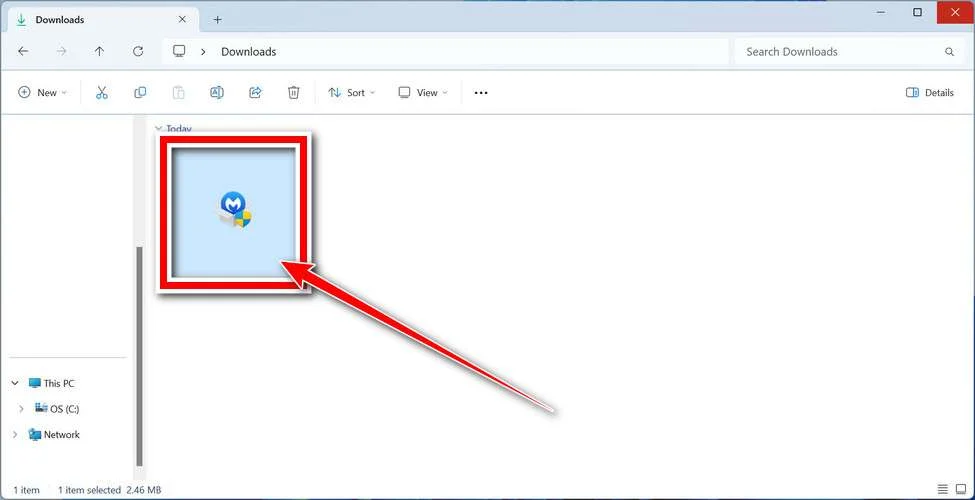
Follow the On-Screen Prompts to Install Malwarebytes
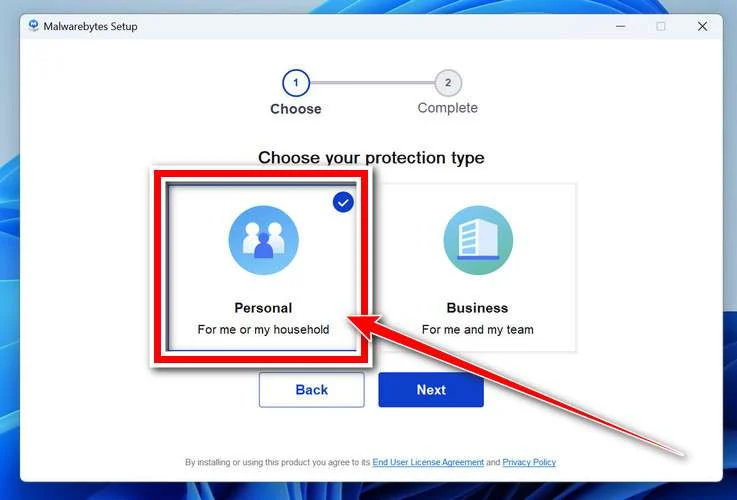
The setup wizard will walk you through a few quick screens:
-
Choose where you’re installing the program — “Personal Computer” or “Work Computer” — then click Next.
-
Malwarebytes will now install on your device. This usually takes under a minute.

-
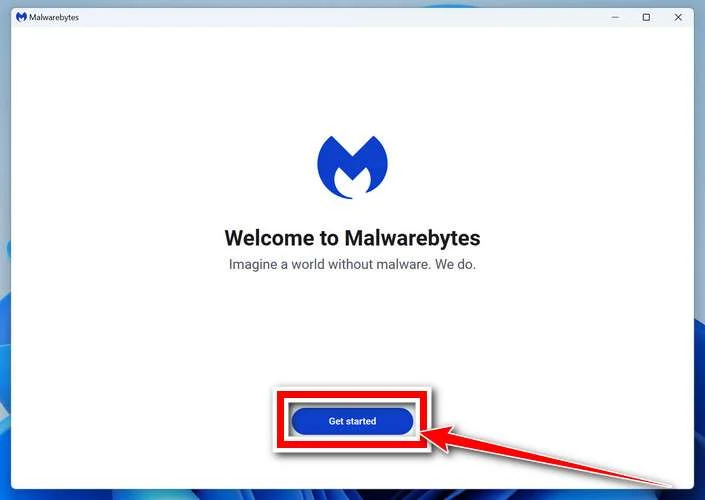
When installation is complete, the “Welcome to Malwarebytes” screen will open automatically.
-
On the final screen, click Open Malwarebytes to launch the program.

-
Enable “Scan for Rootkits”
Before scanning, turn on rootkit detection so Malwarebytes can find even the most hidden threats. Click the Settings gear icon on the left side of the screen.
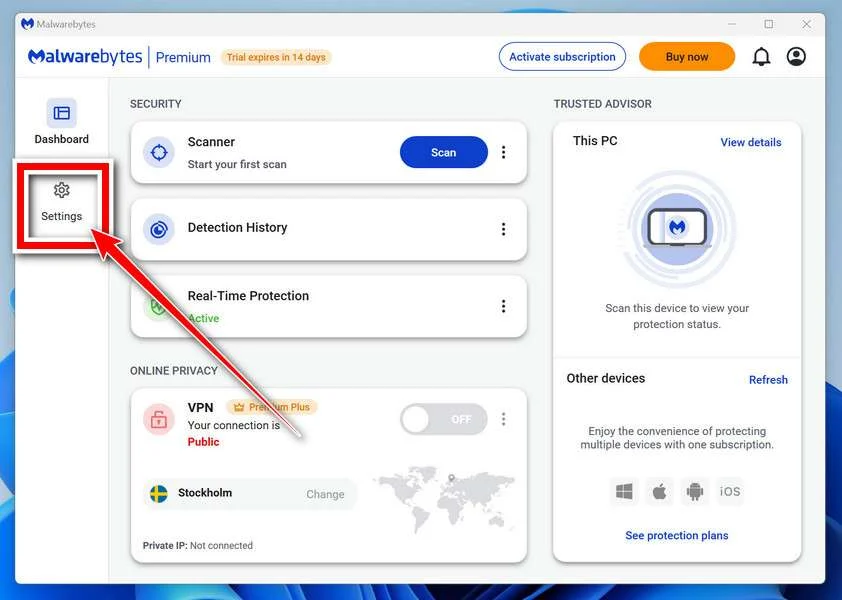
In the settings menu, find “Scan for rootkits” and click the toggle so it turns blue.

Done? Click “Dashboard” in the left pane to return to the main screen.
Start the Scan
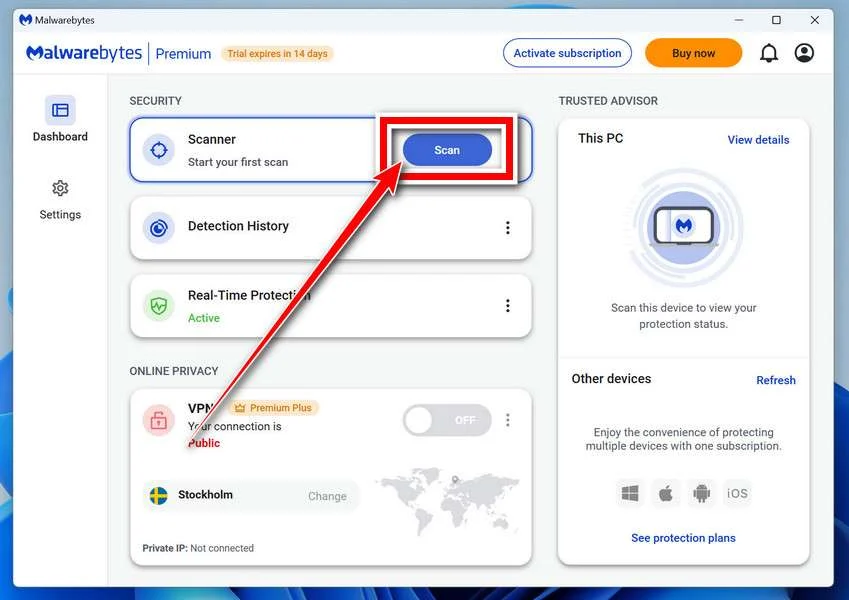
Click the blue Scan button. Malwarebytes will automatically update its virus database and start checking your computer for malware.
-
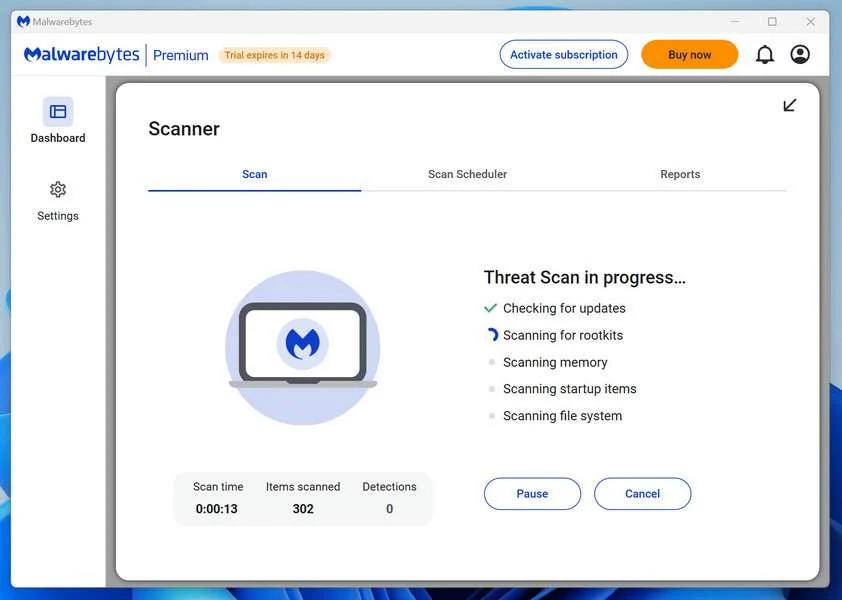
Wait for the Scan to Finish
The scan checks your entire system for browser hijackers and other malicious programs, so it can take 5 to 20 minutes depending on your computer. Feel free to do something else — just check back occasionally to see the progress.
-
Quarantine the Detected Threats
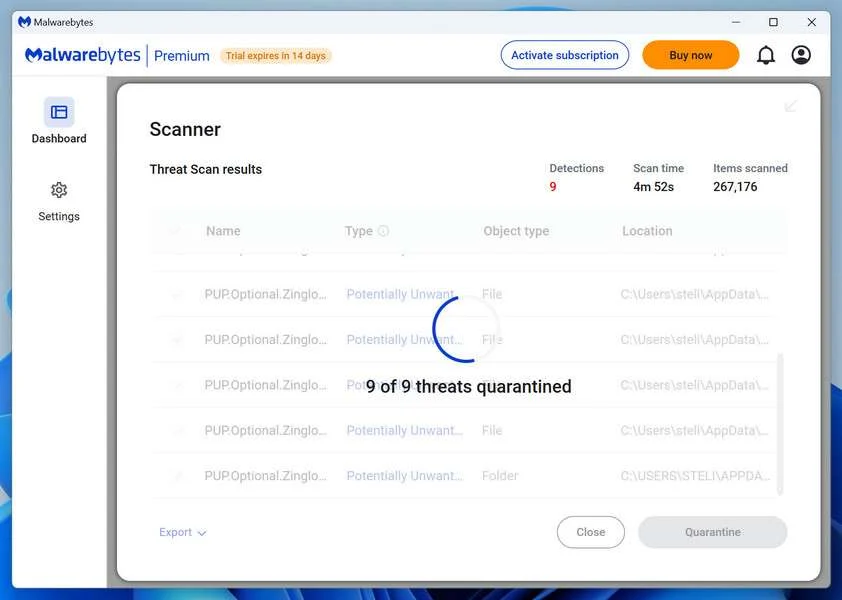
When the scan is done, you’ll see a list of everything Malwarebytes found — malware, adware, and potentially unwanted programs. Click the “Quarantine” button to remove all of them at once.
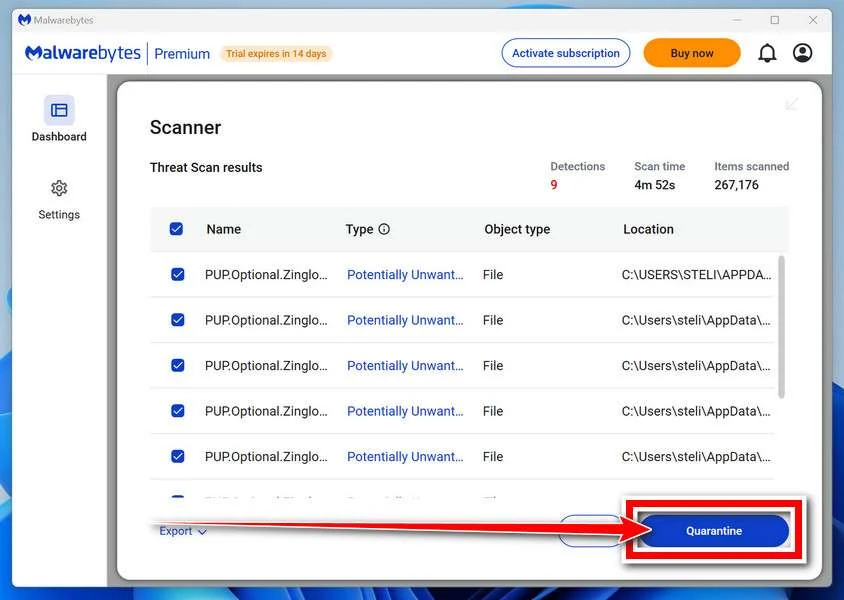
Malwarebytes will now remove the malicious files and registry entries and move them safely into quarantine.
-
Restart Your Computer
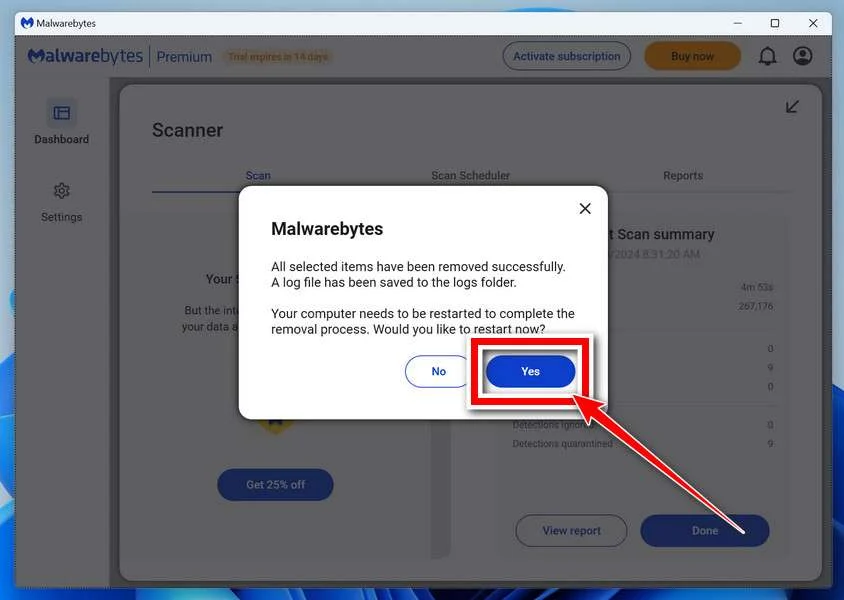
Some threats can only be fully removed after a reboot. If Malwarebytes asks you to restart, click Yes. Once you’re logged back in, Malwarebytes has finished removing the threats it found.
That’s it — your Windows PC is now clean of trojans, adware, and other malware, and should be back to running smoothly.
If you are still having problems with your computer after completing these instructions, then please follow one of the steps:
- Run a computer scan with ESET Online Scanner
- Ask for help in our Windows Malware Removal Help & Support forum.
Run a Malware Scan with Malwarebytes for Mac
Malwarebytes for Mac is a free on-demand scanner that removes the malware other security software tends to miss — adware, browser hijackers, and unwanted programs included. Cleaning an infected Mac with Malwarebytes has always been completely free, and it’s our go-to recommendation. Follow the steps below to scan and clean your Mac in just a few minutes.
-
Download Malwarebytes for Mac
Click the button below to download the latest version of Malwarebytes for Mac.
Download MalwarebytesOfficial installer for macOS. Your download starts right away.Want real-time protection? See Malwarebytes PremiumMalwarebytes Free for MacScans and removes malware at no cost -
Open the Malwarebytes setup file
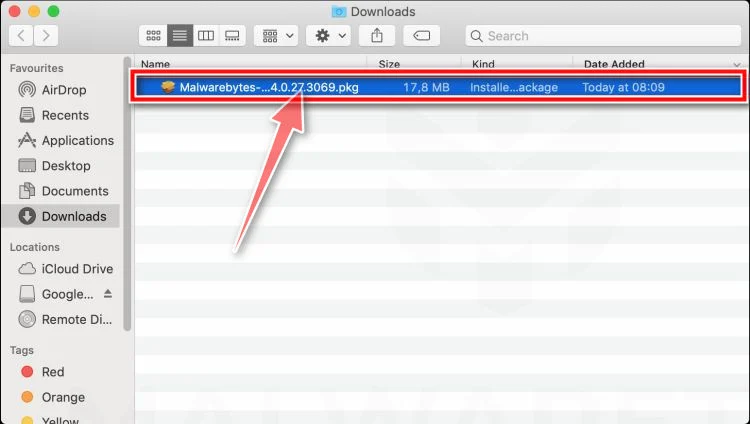
When the download finishes, open your Downloads folder and double-click the setup file to begin the installation.
-
Follow the On-Screen Prompts to Install Malwarebytes
The Malwarebytes for Mac Installer will guide you through a few quick screens. Click “Continue” and keep following the prompts until the installation completes.
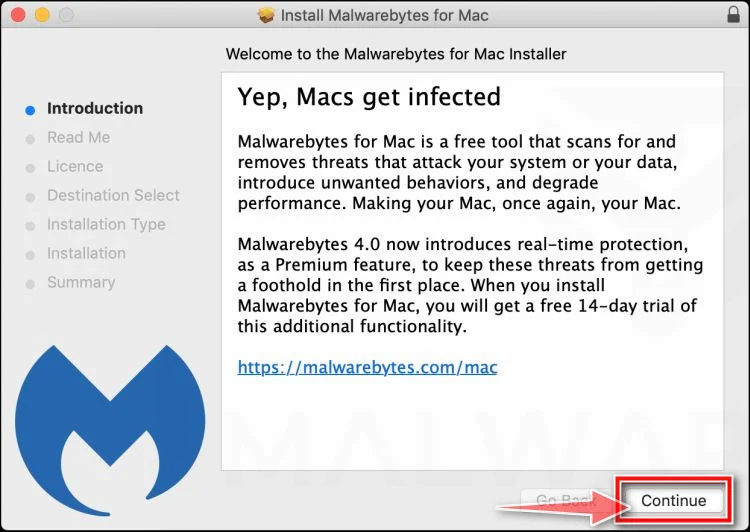
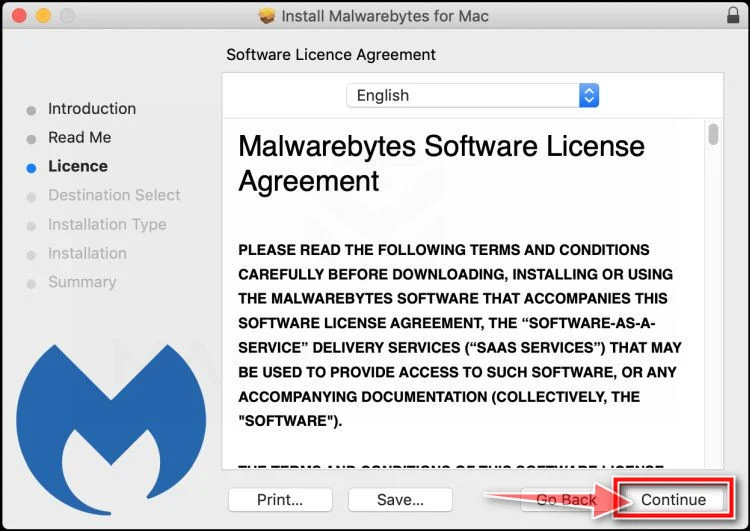
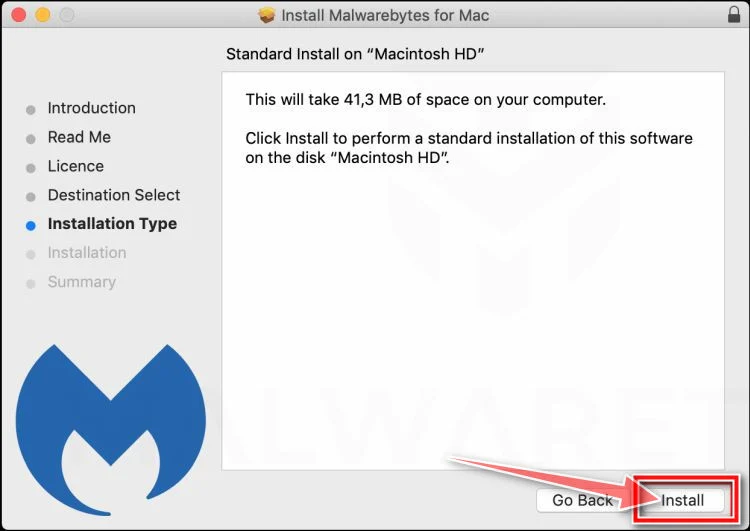
When the installation is complete, Malwarebytes opens to the Welcome to Malwarebytes screen. Click “Get started“.
-
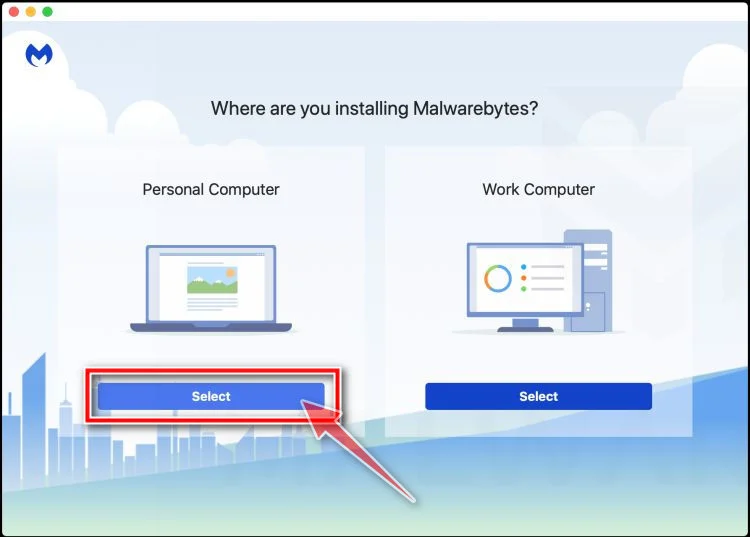
Select “Personal Computer” or “Work Computer”
Malwarebytes will ask what type of computer you’re installing it on. Click either Personal Computer or Work Computer, whichever applies.
-
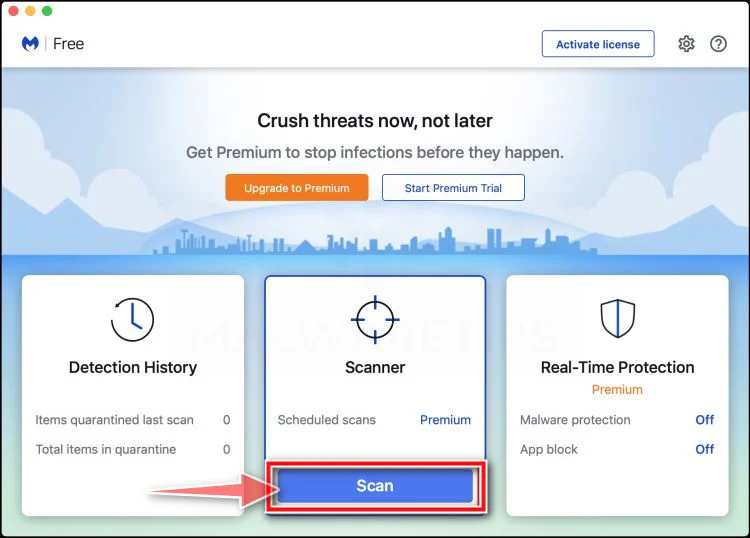
Start the Scan
Click the “Scan” button. Malwarebytes will automatically update its detection database and begin checking your Mac for malware.
-
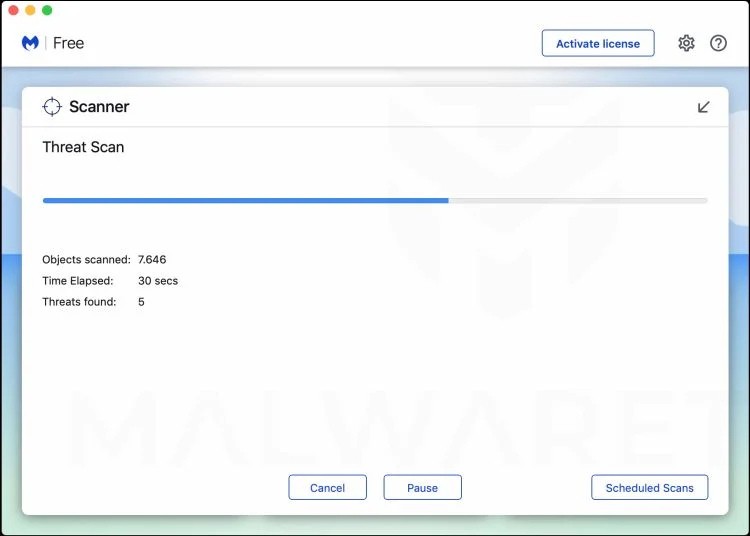
Wait for the Scan to Finish
Malwarebytes will scan your Mac for adware, browser hijackers, and other malicious programs. This can take a few minutes, so feel free to do something else — just check back occasionally to see the progress.
-
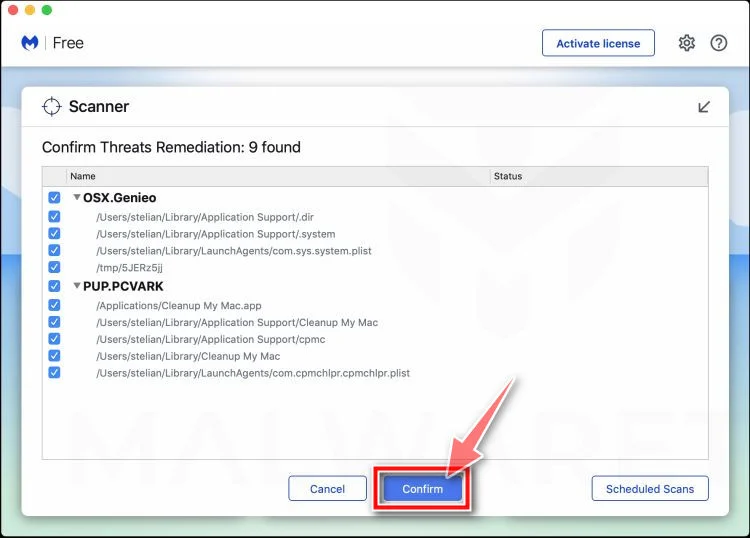
Quarantine the Detected Threats
When the scan is done, you’ll see a list of everything Malwarebytes found. Click the “Quarantine” button to remove all the threats at once.
-
Restart Your Mac
Malwarebytes will now remove all the malicious files it found. Some threats can only be fully removed after a reboot — if Malwarebytes asks you to restart, allow it. Once you’re logged back in, your Mac is clean.
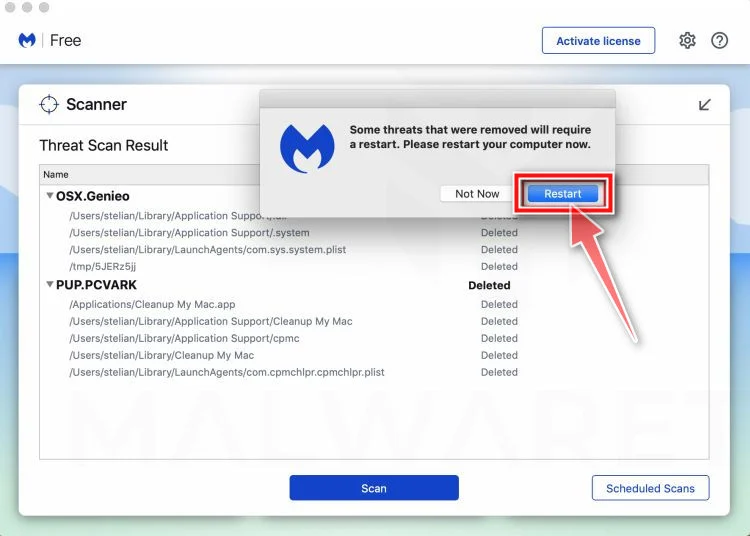
That’s it — your Mac is now free of adware, rogue browser extensions, and other potentially harmful software.
If you are still experiencing problems while trying to remove a malicious program from your computer, please ask for help in our Mac Malware Removal Help & Support forum.
Run a Malware Scan with Malwarebytes for Android
Malwarebytes for Android automatically detects and removes dangerous threats like malware and ransomware so you don’t have to worry about your most-used device being compromised. Aggressive detection of adware and potentially unwanted programs keeps your Android phone or tablet running smooth.
-
Download Malwarebytes for Android.
You can download Malwarebytes for Android by clicking the link below.
Get Malwarebytes for AndroidOpens Google Play in a new tab.Want real-time protection? See Malwarebytes Premium for AndroidMalwarebytes for AndroidScans your phone and removes malware at no cost -
Install Malwarebytes for Android on your phone.
In the Google Play Store, tap “Install” to install Malwarebytes for Android on your device.

When the installation process has finished, tap “Open” to begin using Malwarebytes for Android. You can also open Malwarebytes by tapping on its icon in your phone menu or home screen.

-
Follow the on-screen prompts to complete the setup process
When Malwarebytes will open, you will see the Malwarebytes Setup Wizard which will guide you through a series of permissions and other setup options.
This is the first of two screens that explain the difference between the Premium and Free versions. Swipe this screen to continue.
Tap on “Got it” to proceed to the next step.
Malwarebytes for Android will now ask for a set of permissions that are required to scan your device and protect it from malware. Tap on “Give permission” to continue.
Tap on “Allow” to permit Malwarebytes to access the files on your phone.
-
Update database and run a scan with Malwarebytes for Android
You will now be prompted to update the Malwarebytes database and run a full system scan.

Click on “Update database” to update the Malwarebytes for Android definitions to the latest version, then click on “Run full scan” to perform a system scan.

-
Wait for the Malwarebytes scan to complete.
Malwarebytes will now start scanning your phone for adware and other malicious apps. This process can take a few minutes, so we suggest you do something else and periodically check on the status of the scan to see when it is finished.

-
Click on “Remove Selected”.
When the scan has been completed, you will be presented with a screen showing the malware infections that Malwarebytes for Android has detected. To remove the malicious apps that Malwarebytes has found, tap on the “Remove Selected” button.

-
Restart your phone.
Malwarebytes for Android will now remove all the malicious apps that it has found. To complete the malware removal process, Malwarebytes may ask you to restart your device.
That’s it — your Android phone is now clean — no more malicious apps, adware, or browser redirects.
If you are still having problems with your phone after completing these instructions, then please follow one of the steps:
- Restore your phone to factory settings by going to Settings > General management > Reset > Factory data reset.
- Ask for help in our Mobile Malware Removal Help & Support forum.
Stay Protected: Block Ads and Malicious Sites
Now that your device is clean, keep it that way. Most infections start with a malicious ad or a fake download button — so blocking them at the source is your best defense.
We recommend AdGuard, which blocks malicious ads, phishing pages, and dangerous redirects before they can reach you.
👉 Download AdGuard and browse safely
FAQ: Professional Hacker “Managed To Hack Your Operating System” Email Scam
What is the “Professional Hacker Managed To Hack Your Operating System” email scam?
This is a sextortion scam where cybercriminals falsely claim they have hacked your device, accessed your files, recorded you through your webcam, and will release compromising material unless you pay a ransom, usually in Bitcoin. In reality, they have no access to your computer or private files.
Is the email true? Has my device really been hacked?
No. The email is a scare tactic designed to intimidate you into paying. Unless you notice unusual behavior on your device, unauthorized activity on your accounts, or a confirmed malware infection, there is no real hack.
Why does the scammer know my email address?
Your email address could have been obtained from a past data breach, a leaked database, or collected from public sources. Scammers use these to create a false sense of credibility and urgency.
What should I do if I received this email?
Do not respond, do not pay, and do not engage.
Delete the email after running a malware scan on your device for reassurance. Change your passwords, especially if you use the same ones across different sites. Report the scam to your local cybercrime agency or your email provider.
How did they claim to install spyware or a Trojan on my device?
The scammers claim you visited an adult website that infected your system with malware. This is entirely fabricated. Simply visiting a website does not install Trojans or spyware without your knowledge or interaction.
Can my antivirus software detect this scam?
The email itself will not trigger antivirus alerts because it is not a virus or malicious attachment. However, if your system were actually compromised, a reputable antivirus program would usually detect and remove the malware.
What happens if I pay the ransom?
Paying the ransom is strongly discouraged. It does not guarantee that the scammer will delete anything, and it often leads to further extortion attempts. Paying once marks you as a potential easy target for future scams.
Should I report the scam?
Yes. Reporting helps cybersecurity authorities track scam patterns and warn others. You can report it to national cybersecurity centers, the FTC, Action Fraud, or the abuse department of your email provider.
How can I protect myself from similar scams in the future?
Use strong, unique passwords for every account.
Enable two-factor authentication wherever possible.
Stay alert to phishing emails and unsolicited threats.
Keep your operating system, antivirus software, and apps regularly updated.
Educate yourself about the latest scam tactics to recognize them early.
The Bottom Line
The “Professional Hacker Managed to Hack Your Operating System” email scam preys on fear, urgency, and embarrassment to extort money from unsuspecting individuals. However, the threats are hollow. Scammers count on your panic, not actual evidence, to drive you to pay.
Stay calm, stay skeptical, and stay informed. Strengthening your digital defenses today is the best way to protect yourself tomorrow.
If this article helped you, consider sharing it to help others stay safe from cyber scams!

Join the discussion
0 commentsShare your experience or ask a question about this article.
Discussion
Start the conversation
Have a question or something useful to share? Add the first comment.