


A small strip that dissolves in your mouth can sound like a convenient answer to a difficult problem, especially when the advertising promises impressive results.
For customers drawn to Redwood Scientific’s TBX-Free and related products, the questions eventually reached beyond whether those strips worked to what they had actually agreed to buy.
Overview
Health promises made an ordinary purchase feel worthwhile
Redwood Scientific Technologies marketed dissolvable oral strips for smoking cessation, weight loss and sexual performance. The products included TBX-Free, Eupepsia Thin and Prolongz.
The advertising presented substantial benefits and scientific authority. A customer looking for practical help could focus on the promised outcome while overlooking the transaction itself.
This was not just a debate over whether someone liked a product. The enforcement case addressed false claims, fabricated testimonials and unauthorized recurring billing.
A court found the billing and marketing practices unlawful
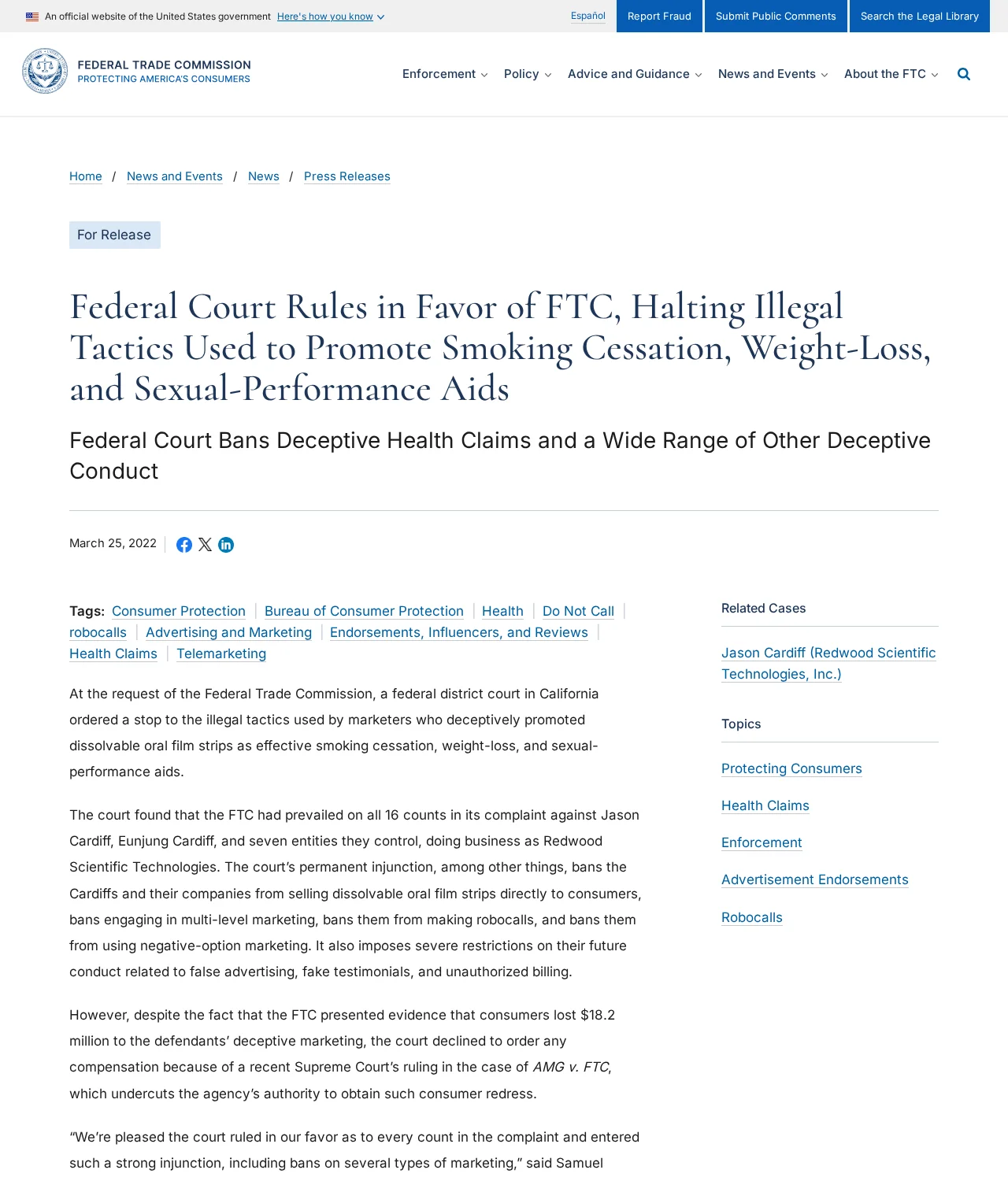
The FTC announced a court ruling in its favor against Jason Cardiff, Eunjung Cardiff and seven controlled entities in March 2022.
The court’s findings included false statements that purchases were one-time transactions, inadequate disclosure of continuity plans and misleading money-back guarantees.
The case establishes deceptive conduct independently of any customer’s online complaint. Later reports about criminal proceedings should not be confused with an announced criminal conviction.
The purchase and the continuing charges need separate attention
A delivered package does not answer whether its buyer consented to further shipments. Likewise, canceling future billing does not resolve a refund for earlier charges.
- TBX-Free was advertised for smoking cessation, while Eupepsia Thin and Prolongz addressed different health or performance concerns.
- The court found false or unsubstantiated product claims alongside separate violations involving billing, testimonials and guarantees.
- The injunction banned negative-option marketing and direct consumer sales of dissolvable oral strips by the covered defendants.
- The 2022 ruling did not order consumer compensation, so an old case announcement is not an open refund application.
The Real Problem Was Bigger Than a Disappointing Strip
Someone can dislike a legitimate product without being scammed. Redwood’s case crossed that boundary through specific representations and billing practices that a federal court found unlawful.
The difference matters for consumers organizing a dispute. Saying a strip failed to help describes a performance complaint; saying you never authorized repeat charges describes a billing problem.
Those experiences can overlap, but they require different evidence. An advertisement supports what you were promised, while an order confirmation helps show what you agreed to purchase.
The final judgment against the Cardiffs identifies false one-time-purchase assurances and failures to disclose automatic enrollment in continuity plans.
That is a concrete finding about consent. It does not depend on assuming that every customer received identical checkout wording or the same number of shipments.
The broader case also included false scientific-proof claims and testimonials. These practices worked at the front of the sale, giving people a reason to trust the offer.
The recurring charges worked after the initial decision. A customer could discover the financial problem only when another package arrived or a statement showed another debit.
Both stages deserve attention because an appealing product promise can make someone less suspicious of the payment details attached to it.
How the Redwood Scientific Scam Works
Step 1: Offer a simple product for a difficult personal problem
Smoking cessation and weight management can require sustained effort. Advertising a convenient oral strip presents an appealing shortcut without the inconvenience associated with other approaches.
That appeal explains why a buyer might pay close attention to results. It also explains why unsupported claims in this setting can influence a meaningful decision.
TBX-Free, Eupepsia Thin and Prolongz addressed different concerns, but the court considered them within the same connected marketing operation.
A familiar-looking product format does not authenticate its claims. The important questions concern the evidence for the advertised benefit and the conditions of the sale.
Step 2: Use scientific language and testimonials to build confidence
The FTC’s original 2018 case announcement identifies advertising that presented TBX-Free as clinically proven and especially effective for quitting smoking.
The later judgment found false or unsubstantiated efficacy and proof claims. It also addressed false claims that Eupepsia Thin testimonialists had used the product to lose weight.
A testimonial can feel more relatable than a technical explanation. When its claimed experience is false, it gives buyers a personal-looking reason to believe an unsupported promise.
Preserve the actual advertisement when documenting your purchase. A later summary of the product may omit the particular claim that persuaded you to order.
Step 3: Present the purchase as a limited financial commitment
A buyer deciding whether to try a product usually considers the price of that order. A money-back promise can make the apparent financial risk seem smaller.
The court found false claims that consumers would not enter an autoship program and would be charged only for a one-time purchase.
That assurance is materially different from clearly choosing an ongoing delivery plan. Having permission to charge for one box does not automatically establish permission for future boxes.
Your evidence should show the amount and terms you accepted. Keep the confirmation, receipt and any message that described the order as a single purchase.
Step 4: Enroll buyers in continuing shipments without adequate consent
The judgment addressed failures to disclose, or adequately disclose, automatic enrollment in a continuity plan when consumers provided billing information for an order.
This is often called negative-option billing: the seller treats a customer’s inaction as permission for continuing charges. Clear consent becomes critical before money keeps leaving.
A recurring shipment can create pressure to accept the arrangement after the fact. Someone may assume that receiving another package means they must have agreed earlier.
Instead, compare the shipment with the order documents. The package proves something arrived; the consent record determines whether that continuing arrangement was authorized.
Step 5: Make the money-back promise harder to use
The court also found false money-back guarantee claims. A reassuring promise at purchase is of little help if the operation does not honor it afterward.
For a customer, the resulting task becomes administrative: locating order numbers, requesting cancellation, asking about returns and trying to determine whether a refund was processed.
A verbal promise to issue a credit is not the credit itself. Check the card statement for the amount and date rather than relying on reassurance.
Keep cancellation and refund correspondence separate in your file. A response confirming one may leave the other unresolved, particularly when several charges are involved.
Redwood Scientific, the Cardiffs and the Sales Operation
Different product names led back to a connected operation
TBX-Free, Eupepsia Thin and Prolongz were different product names in the case. Search those names alongside Redwood Scientific when reviewing your own order history.
A statement descriptor may not match the product printed on the package. Use the transaction date, amount and order number to connect the records.
The judgment addressed the Cardiffs and controlled entities
The FTC’s 2022 announcement identifies Jason Cardiff, Eunjung Cardiff and seven controlled entities doing business as Redwood Scientific Technologies.
Do not assume that every person with a similar business name was involved. Keep the accusation attached to the named operation and conduct established in the case.
Health marketing and recruitment added different kinds of pressure
The injunction also addressed multilevel marketing and robocalls. The court banned the covered defendants from those activities alongside restrictions on product sales and negative-option marketing.
A recruitment opportunity and a retail purchase require different records. If you joined a business program, preserve its earnings presentation separately from the strip purchase.
The court ruling did not create an automatic refund fund
The FTC said it presented evidence of $18.2 million in consumer losses. The court could not order compensation because of the legal authority available in that case.
That figure describes evidence presented in the proceeding, rather than money waiting for every buyer. Do not treat it as an announced current distribution program.
How to Read a One-Time Order and a Subscription Differently
An initial order can involve several separate promises: the product benefit, the total charge, future billing and the conditions for getting money back.
Write those promises down separately when reconstructing what happened. This keeps a dispute about unauthorized renewal from becoming an argument over whether a product worked.
For each charge, identify the date, amount and description on the statement. Then attach the order confirmation or shipment record associated with that charge.
If the seller says you agreed to recurring delivery, request the actual consent record. A generic current policy page may not show the terms presented during your purchase.
If the seller says a refund was issued, request the processing date and reference. Your card issuer can help check whether a corresponding credit reached the account.
Returning a package and stopping future billing are different actions. Get written confirmation of both when both are needed, including any return instructions the merchant provides.
For older Redwood purchases, ordinary dispute deadlines may already have expired. Describe the dates accurately rather than assuming a recent news report starts a new refund clock.
If a current charge appears under a similar name, ask the issuer to identify its merchant. The historical case alone does not identify every later transaction.
What to Do if You Have Fallen Victim to This Scam
-
Match each charge with the order you authorized. Open your card statements and gather receipts, confirmation emails, shipping labels and cancellation messages.
Make a list separating the initial purchase from later shipments. You should be able to point to the exact charge and explain the specific disagreement.
-
Cancel any unwanted continuing arrangement in writing. Use a merchant contact shown on your original receipt or verified by your card issuer.
State that you revoke permission for future recurring charges and request written confirmation. Save the message, sending date and response without supplying another payment.
If the contact fails or the business cannot be reached, retain that evidence and move to the issuer rather than waiting indefinitely.
-
Dispute unauthorized charges with your card issuer promptly. Call the number on your card or statement and identify the transactions you are challenging.
Explain whether you dispute recurring consent, an unprocessed refund or another billing error. Request a case number and ask how to submit supporting documents.
The FTC’s dispute guidance recommends written follow-up. Include the transaction date, amount, account information and a concise explanation, with copies of relevant evidence.
For applicable American credit-card billing-error protections, send notice to reach the issuer within 60 days after the first statement containing the error was sent.
Use the billing-inquiries address rather than the payment address. Debit-card protections differ, so contact the bank immediately and ask which deadlines apply.
-
Confirm that future charges actually stop. Review subsequent statements after cancellation and retain the issuer’s written decision about any disputed transaction.
If another charge appears, contact the issuer with the existing case number and cancellation evidence. Ask how to block further recurring payments from that merchant.
Do not assume replacing a card alone resolves the arrangement. Ask the issuer what action it has taken and what you should watch for next.
-
Check whether the promised refund reached your account. Compare the seller’s stated refund amount and date with actual statement credits.
If the credit is missing, provide the issuer with the refund promise and transaction history. Request a clear response instead of accepting repeated processing assurances.
-
Keep health decisions separate from the advertisement. If you were relying on these strips to stop smoking or address another health concern, speak with a qualified clinician.
Bring the packaging and ingredient information you have. Ask about suitable options for your circumstances rather than substituting another heavily advertised shortcut.
Frequently Asked Questions
Is this based only on complaints about TBX-Free?
No, a federal court found unlawful marketing and billing practices in the FTC case. The findings go beyond individual dissatisfaction with a product.
Did receiving a product mean I agreed to autoship?
No, delivery alone does not establish consent to repeated charges. Check what your original order authorized and preserve any one-time-purchase assurance.
Which products were included in the Redwood case?
The case concerned TBX-Free, Eupepsia Thin and Prolongz oral strips, along with related marketing and billing conduct. Each strip had a different advertised use.
Does the $18.2 million figure mean refunds are available now?
No, that figure concerned evidence of consumer losses presented by the FTC. The announced ruling did not order consumer compensation or establish an open refund portal.
Can I dispute a charge from several years ago?
Ask your issuer about the actual transaction, but ordinary deadlines may have expired. A later case update does not automatically reopen an old billing dispute.
Should I pay someone promising a guaranteed Redwood refund?
Do not pay based on an unsolicited guarantee. Ask for the exact official program and verify it independently before sharing financial details or documents.
The Bottom Line
Do not rely on Redwood’s documented strip-marketing promises or accept repeat charges merely because a package arrived. The court found concrete deception involving claims and consent.
If you were charged, separate cancellation from the refund request, preserve your original order terms and ask the card issuer about the specific transactions and deadlines.

Join the discussion
0 commentsShare your experience or ask a question about this article.
Community experiences
Did this happen to you?
Your experience could help someone recognize the same scam. Submit a private report for our team to review.
I experienced this tooReports are reviewed before publication. Sharing publicly is always your choice.
Discussion
Start the conversation
Have a question or something useful to share? Add the first comment.