


The first box is small. It contains the kind of cheap item you might expect an online retailer to use when training a new quality inspector.
A few weeks later, you have expensive electronics at your door. You’re still working from home, but the packages now raise a question the job description never answered.
Overview
A quality control job that began in an email
A job seeker reported getting an offer by email after months of sending applications.
The company name was unfamiliar, but it was easy to imagine one of those applications had finally worked.
The supposed job was to accept parcels at home, check them, and send them on. The first packages contained small items such as nail decals and costume jewelry.
The job seeker said they later forwarded two laptops and two iPads. When three more iPads arrived, they stopped to question where the goods were coming from.
The test parcels made the work feel ordinary
A low-value delivery can look like a harmless way to practice. You receive it, check the contents, and complete a first assignment without much reason to scrutinize the order.
By the time expensive packages arrive, the person receiving them has an established routine. The new delivery can look like a promotion in responsibility when the actual supplier remains unknown.
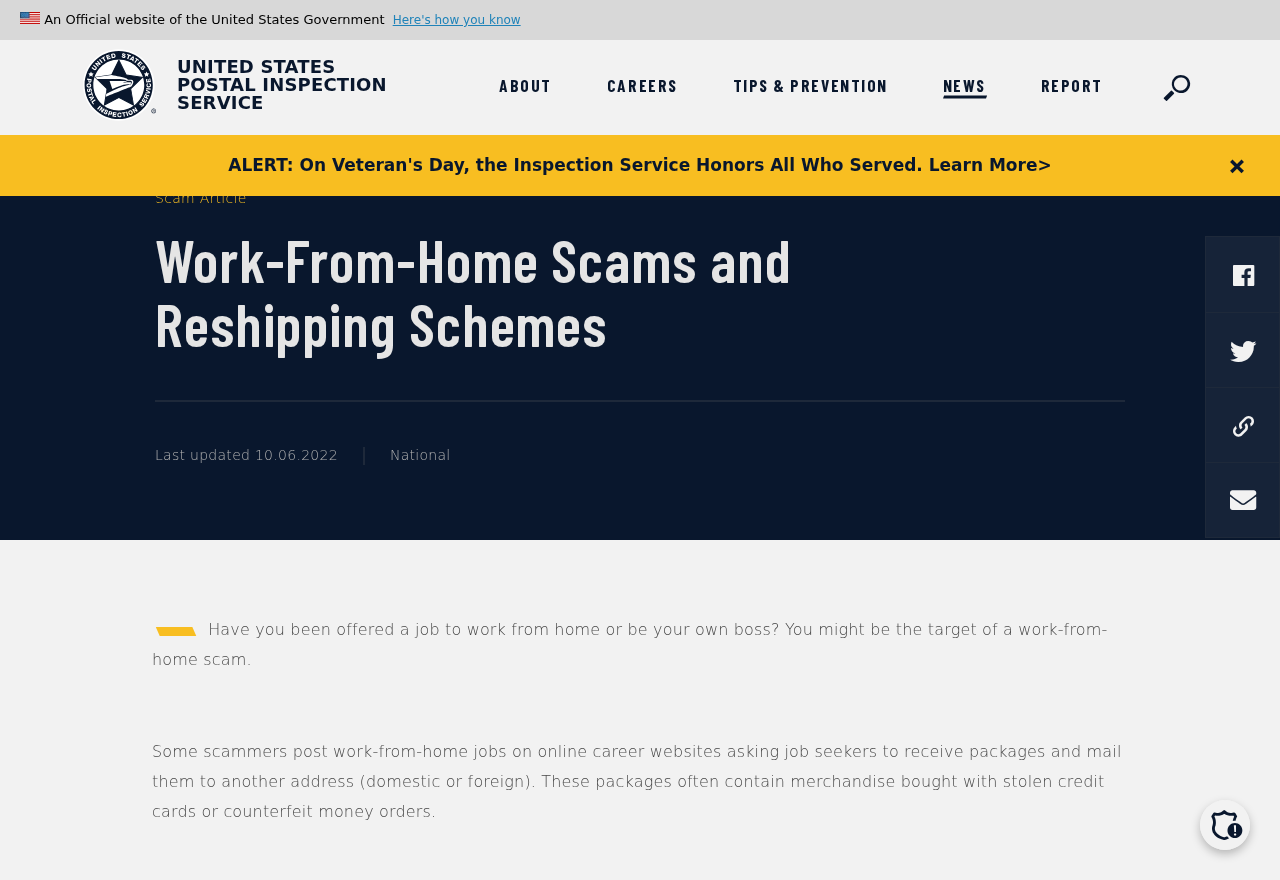
The image above shows the U.S. Postal Inspection Service warning. Postal inspectors describe scammers recruiting home workers to forward goods, including merchandise purchased with stolen payment information.
That warning explains why this job structure is dangerous. The public account cannot establish how any particular device was acquired, which is a question for the merchant and investigators.
The boxes and the identity documents are separate problems
The worker said the organizers had received their Social Security number, driver’s license information, and home address. Stopping the deliveries would address only one part of that exposure.
If you are in this position, keep the goods and your records available for the appropriate authorities. Start protecting your identity even if you have never been paid.
- The advertised job asks you to receive and redirect retail orders from your home.
- The first few items can be cheap enough to make the procedure feel routine.
- Later parcels can contain expensive electronics ordered by someone you cannot identify.
- The labels and tracking numbers can connect the packages to specific orders.
- Any identity documents you sent require attention even after you stop shipping.
How the Scam Works
Step 1: A shipping job arrives while you are applying elsewhere
Someone who has applied for many remote jobs may have no immediate way to remember every application.
A message that sounds like a delayed response can therefore get a fair hearing.
Search your sent mail or job portal for the application before treating the offer as a reply. The absence of an application is a reason to verify the employer separately.
Ask what business owns the goods and where it normally receives inventory.
A real business should be able to identify its operations and show the role through a verified hiring channel.
Names like package inspector, quality control assistant, and shipping coordinator describe the pitch. The actual work instruction is what matters: receive somebody else’s orders and forward them.
Step 2: Onboarding makes the arrangement look official
A fraudster can ask for information that a genuine employer may also request after hiring. A familiar form does not establish that the party collecting it has a legitimate reason.
In the reported case, the organizers got enough information to identify and locate the worker. The source does not describe precisely when or through which form the details were provided.
Before sending a Social Security number or license image, confirm the employer and the channel that will receive it. You should be able to ask about handling and retention.
A home address is necessary for the parcels to arrive. That practical purpose can make the rest of the requests seem ordinary, even when the job itself remains unverified.
Step 3: Cheap test parcels establish a routine
Nail decals and costume jewelry arrived before the electronics, according to the job seeker. The first packages gave them something tangible to do and made the operation seem established.
The value of the test items tells you little about the next order. Each delivery should have a documented owner, destination, and reason to pass through your address.
If the instructions provide a forwarding label but no verifiable order details, stop before using it. A working label shows that a shipment can travel, without establishing who owns it.
Keep the tracking numbers for those first boxes as well. They help show when the job started, what you handled, and when the pattern changed.
Step 4: Expensive goods arrive under the same instructions
The worker reported forwarding laptops and iPads after the test stage. They later received three more iPads. The procedure appeared familiar even though the value of the goods had changed.
In a reshipping scam, your home becomes an extra stop between the retailer and the people directing the order. Your address stays on the delivery record.
The FTC’s job scam guide describes fake home jobs that ask workers to receive packages, repackage them, and forward them. Some tell recruits to discard original packaging and receipts.
Keep both labels if you still have them. One can identify the original shipper, and the other can show where you were told to send the box.
Step 5: The worker is left with packages and unanswered questions
The organizers may stop answering, withhold supposed wages, or demand that you send the remaining goods. The original account does not say how the organizers responded after the worker stopped.
Any outstanding payment is separate from the goods. A promise of a paycheck gives the organizers no authority to have you forward, sell, or dispose of an item.
You may worry that the names and addresses on the labels make the situation look worse. Keep them intact so you can explain where they came from and what happened.
Report the orders that already left and those still at your address. Give investigators a way to distinguish between packages you received, forwarded, or left unopened.
Handling Packages Still at Your Address
Set the remaining boxes aside. Preserve labels and packaging. If a package is already open, avoid activating the device, listing it for sale, or trying to find the buyer yourself.
Photograph the shipping labels and record tracking numbers without posting them publicly. Keep a note of delivery dates and which retailer appears to have sent each parcel.
If you can verify a retailer independently, contact its fraud or order support team. Explain that you received a shipment connected to a suspected reshipping job.
Ask for a case number and verified instructions. A return address supplied by the recruiter can continue the same scheme under a different description.
Report what happened to the U.S. Postal Inspection Service if U.S. mail was involved. Contact the relevant carrier and local police as appropriate, especially if you are holding goods.
If someone appears to collect an item or makes a threat, avoid confrontation. Contact local authorities and retain the message or description if you can do so safely.
For shipments already sent, ask the carrier whether a package is still in transit and what options are available. Give the correct outbound tracking number and follow verified instructions.
Sometimes a merchant will identify an order without disclosing who paid for it. Keep its case reference with the tracking number.
A person claiming to be the original purchaser may contact you after you report it. Refer that person to the retailer or investigator instead of arranging a private handover.
Reconstruct the Path of Each Package
Make one line in your notes for each delivery. Record the date, inbound tracking number, apparent retailer, contents if known, and whether the original packaging is still with you.
For a box you forwarded, add the carrier, outbound tracking number, and date you handed it over. Include the recruiter’s exact instruction that connects the two records.
For anything still at your home, note which boxes remain sealed. Ask the retailer or investigator whether they need photographs before you change the condition of any parcel.
If you handled several similar items, a date and tracking number will distinguish them more reliably than memory. An inbound label is especially useful if the recruiter renamed the shipment.
Keep the original messages as well as your summary. The report should show what you were told before the first package and when the instructions started to look suspicious.
If new packages arrive after you have reported the scheme, add them to the same timeline. Ask the authority or retailer how to handle them using your existing case number.
What to Do if You Have Fallen Victim to This Scam
Start with the goods and the information you handed over. You can take steps on both even if the people who recruited you have stopped answering.
-
Stop accepting new assignments or forwarding boxes. Keep the remaining goods and packaging intact while you seek instructions through a verified retailer, carrier, or authority.
-
Save inbound and outbound tracking numbers. Record what arrived, what you forwarded, when each shipment moved, and where the recruiter directed it.
-
Report the job to the relevant authorities. Contact Postal Inspectors if U.S. mail was involved and use FBI IC3 for the online recruitment and messages.
-
Secure exposed identity information. If you supplied your Social Security number or ID, use IdentityTheft.gov and consider a credit freeze with each major bureau.
-
Call your bank if you shared account details or deposited a check. Explain the fake employment offer and ask what controls are appropriate for your account.
-
Report the recruiter to the job or email platform. Preserve the original offer first so the address, attachment, and claimed job title remain available.
If you wrote a statement, keep your own copy and the case number.
Do not edit dates to make them fit your memory when a tracking receipt gives a more precise record.
A credit freeze can help prevent new credit in your name. Keep monitoring existing accounts because a freeze does not stop someone from trying to use information they already have.
If you receive a new payment or an unexpected check described as wages, contact your bank before using it. Keep the payment message with the rest of your evidence.
Tell anyone at your address to leave unexpected packages in their original condition and to check with you before handing anything over to someone claiming to be a courier.
Frequently Asked Questions
Are the packages definitely stolen?
The Postal Inspection Service warns that reshipping schemes often handle goods purchased using stolen payment information.
The circumstances of an individual order need to be checked by the retailer or investigators.
Avoid guessing about a particular device. Retain the package, label, and tracking number so the people who can verify the order have something to work with.
Can I return the electronics myself?
Ask the retailer or relevant authority for instructions using a number or website you verified independently. Keep a record of any return authorization and tracking number.
A label from the people who hired you is not independent confirmation. It could be another direction to send the goods to the same operation.
What if I already forwarded several parcels?
Write down their dates and tracking numbers, then notify the carrier and the appropriate authorities. It is still useful to report packages that are already delivered.
Tell investigators which items remain with you. Your saved job instructions can explain why you received the boxes and how you were asked to handle them.
Should I sell the devices to cover my expenses?
Leave the devices in your possession until the retailer or authorities give you verified instructions.
Selling or using them can make it harder to resolve what happened to the original order.
Any missing wages or expenses are a separate issue. Keep the promised compensation and receipts with the job records you provide to investigators.
What can I do if they have my Social Security number?
Create a recovery plan through IdentityTheft.gov and consider freezing your credit with the three major U.S. credit bureaus. Keep watch for unexpected account notices.
If you also sent banking details or used a password on their website, address those separately through your bank and the real services where the password was used.
Does a legitimate employer ever ask staff to ship products?
Legitimate shipping jobs exist. A verified employer should be able to show who owns the inventory, where its operation is based, and why your home address is involved.
A job that asks you to redirect unverified retail orders deserves to be stopped and checked. Small test packages cannot establish the source of later merchandise.
The Bottom Line
Stop a reshipping job that routes unknown retail orders through your home. The first packages may look harmless, but an established routine does not verify ownership of the next delivery.
If you already took the job, keep the remaining goods and tracking records for the authorities. Begin protecting your identity if you supplied a license or Social Security number.

Join the discussion
0 commentsShare your experience or ask a question about this article.
Discussion
Start the conversation
Have a question or something useful to share? Add the first comment.