


An investment call can feel less like a sales pitch when someone shows you a page that seems to track your money.
You can see an account, an activity history and a balance, but the most important detail may be the one missing.
Overview
The offer started with a phone call
People were offered investments over the phone and shown online platforms that appeared to be operating, according to Estonian prosecutors.
The Harju County Court said those opportunities did not exist, and it found Artur Yermolayev guilty of establishing and leading a criminal organization.
This was not a case of an investment losing value, because the opportunities described to the people on those calls were fictitious.
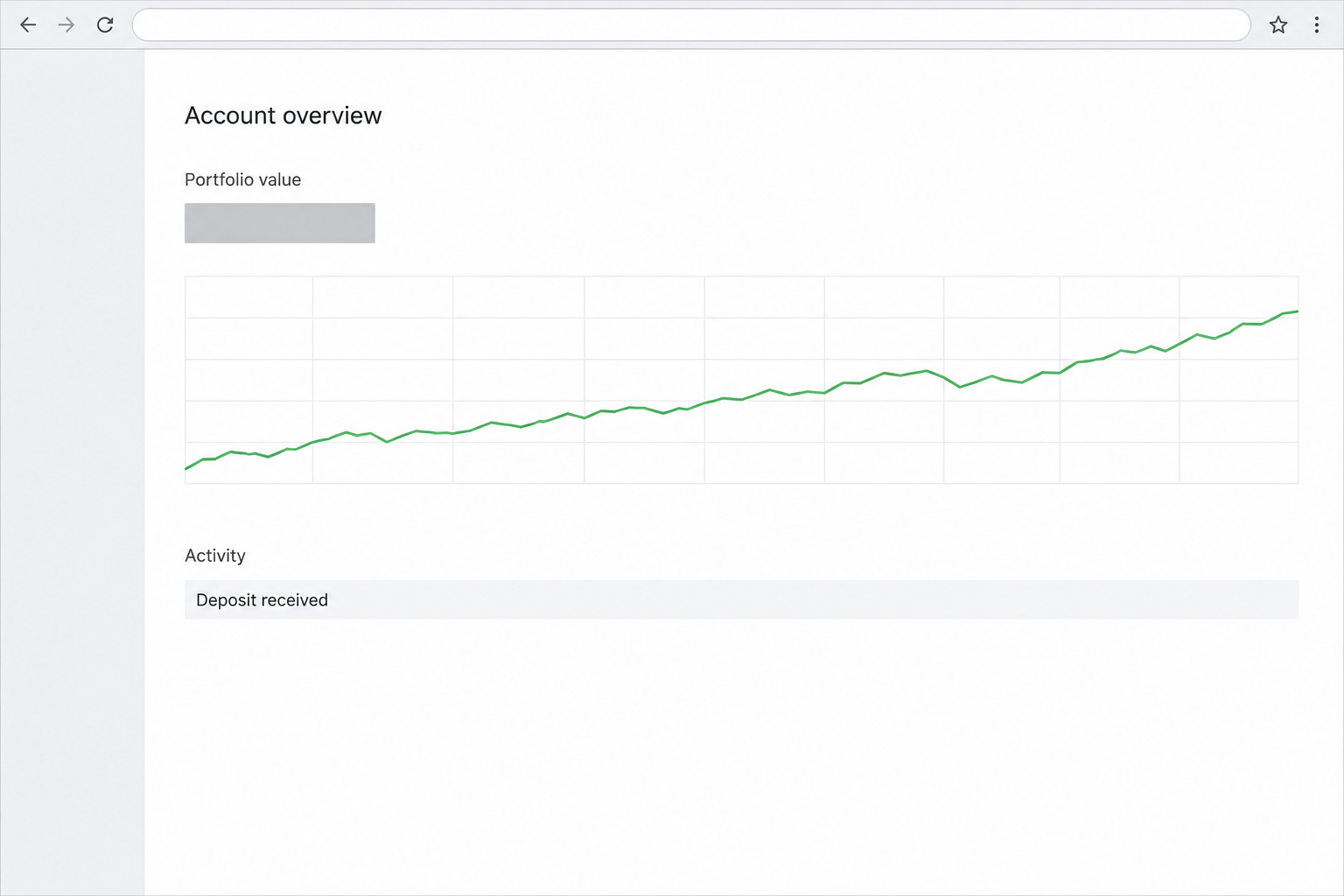
The image is a reconstruction of what an account display might look like, rather than a screenshot recovered from this investigation.
What the court and prosecutors established
The court described a network of call centers in Ukraine, while the documented investment losses it discussed cover the years 2019 through 2022.
Its April 2026 announcement put estimated losses among people in Estonia at €5.4 million, a portion of the much broader international harm.
The court put worldwide losses at more than €100 million, without saying that everyone who lost money would qualify for compensation in Estonia.
Why older victims might hear about the case now
Yermolayev paid €8.5 million to the state, and Estonian prosecutors say funds are intended to compensate people in Estonia harmed by this network.
That payment is not the worldwide loss, and it is not the amount authorities said they had already distributed to victims.
- The original fraud offered nonexistent investments by telephone, with online account pages making the offers seem more like an ordinary financial service.
- The later compensation effort belongs to Estonian authorities, not to the people who sold investments or anyone offering to locate your old balance.
- A new message about the case deserves a separate check, even if its dates and headline figures match an official announcement.
What Happened in the Estonian Case
On April 30, 2026, Harju County Court announced that Yermolayev was convicted under a plea agreement for establishing and leading a criminal organization.
The court announced a five-year sentence, with four months and 26 days to be served and the rest suspended under probation conditions.
It also announced expulsion from Estonia and a ten-year entry ban, and said the judgment was not yet final on announcement day.
The Estonian Prosecutor’s Office describes his role as providing the organization behind the calls, rather than saying he personally made every call to victims.
Its account puts him among four people alleged to have established and led the network, which prosecutors say operated from 2017 to 2022.
That distinction matters if you are looking through old records, because the name in the court announcement may never have appeared on your paperwork.
An email from a salesperson, a payment reference or the address of a trading page can still help investigators assess a connection.
The worldwide estimate comes from the court’s announcement, while both the court and prosecutor agree on the estimated losses among people in Estonia.
For an individual reader, the figure that matters most is still the amount that actually left their own account, supported by bank records.
How the Yermolayev Investment Phone Scam Worked
Step 1: An investment opportunity arrived by phone
The phone call gave the person making the pitch a chance to present the investment before the listener had checked the firm.
The important warning sign was who controlled the introduction, because the caller was also the person explaining why the offer deserved trust.
You can take down a firm’s name without making a decision on that call, even if the person insists the opportunity is time limited.
A genuine offer should withstand a pause while you find your own contact details and ask the firm to identify the product independently.
Step 2: An online platform made the offer look real
Prosecutors say people saw platforms that appeared to function, giving the person on the phone something visible to point to during the pitch.
A page can show an account overview or a transaction history without showing that any trade was actually placed in your name.
The distinction is easy to lose when the same person who gave you the link also tells you what its figures mean.
Before taking a dashboard as proof, ask who holds the assets and whether you can confirm the account directly with that provider.
Step 3: Real money left accounts for investments that did not exist
The court’s account describes money lost through nonexistent investment opportunities, rather than genuine holdings that fell when the market moved against customers.
A receipt from your bank can establish that you sent money, but it cannot establish what the recipient subsequently did with those funds.
Match the beneficiary on your actual payment record to the entity you were told would receive it, rather than a nickname on the website.
If they differ, flag that difference to your bank so it can look at the transfer details instead of relying on the label.
Step 4: The authorities had to connect separate losses to one network
Police have been tracing losses across separate people and accounts, which is different from reading a list of names off one investment website.
The court described a network of offices rather than one account or one caller, so a single keyword may miss the records that matter.
Look for dates, payee details, correspondence and any old police reference, especially if you dealt with multiple people during the same investment conversation.
You can preserve information you already have without signing back into the investment site or asking the caller to confirm your documents.
How to Verify an Investment Offer Without Following the Caller’s Link
In Estonia, open the financial supervisor’s Supervised Entities register, select Investment firms and look for the full legal name the caller gave you.
Open the listing and check whether the activity covers the service you were offered, then compare the firm’s contact details independent of the caller.
The financial supervisor warns that fraudsters can borrow a real company’s name, which makes a matching name alone a weak result.
If the caller’s domain or phone number differs from the firm’s official contact details, use the verified details to ask about the discrepancy.
If a firm claims to operate across borders, check the relevant official register or ask the supervisor directly before moving any money.
An entry for a real company tells you that the company exists, rather than confirming that the person who called works there.
Do not make a small transfer to test the account, because sending money gives you a receipt without answering the question about ownership.
If two pages disagree about the beneficiary, the right outcome is to stop the payment until an independently verified firm explains the difference.
How to Check a Message About the €8.5 Million
Estonia’s prosecutor says police would contact identified potential victims themselves and work with them to establish what each person actually lost.
In November, Estonian Public Broadcasting reported that police had emailed known potential victims, and that some people had not replied to those messages.
The prosecutor told the broadcaster the official letters were in Estonian and sent from the police domain, but a displayed sender can still mislead.
Do not use a contact number that arrived in that message, even if the sender line and the name of the case look right.
Use the Estonian government portal to find an independent route, or take the letter to a police station and ask about it.
Keep the original message so you can give police its date and reference, but wait for a confirmed route before sharing bank records.
The prosecutor’s warning is about possible copycats, which does not mean every letter is fake or that every recipient will receive compensation.
| What you received | What to do before acting |
|---|---|
| A call offering a new investment | Hang up and verify the exact firm through an official register. |
| A letter about the Estonian case | Ask the police through published contacts whether the letter is theirs. |
| A request for an advance fee or PIN | Stop and contact your bank if you shared any details. |
| An old payment you want traced | Save the bank receipt and match it to your messages. |
The promise that some victims may get money back is not a reason to pay a private intermediary who claims to know the investigators.
There is also no reason to assume a letter should reach you merely because a caller sold you an investment during the same years.
What to Do if You Have Fallen Victim to This Scam
Stop sending payments and contact your bank through a route you already trust
End the conversation and call the fraud number shown in your banking app, on your physical card or on the bank’s official site.
Give the exact time, amount, beneficiary and payment reference, then ask whether the bank can stop a pending transfer or request a recall.
Tell the bank whether you made the transfer yourself under pressure or found a transaction you did not authorize, because those are different situations.
Ask for a case reference and the next time to check in, without assuming that a recall request means the payment was recovered.
Protect the account or device you may have put at risk
Tell your bank immediately if you entered a code because a caller requested it, even when you did not intend to approve a transfer.
If you gave someone remote access, disconnect that device from the internet and contact your bank on another device you know is safe.
Use the official account recovery route from a trusted device, change any exposed password and ask support to review active sessions or access.
Ask the bank or your identity provider how to secure Smart-ID or Mobile-ID if a caller led you to approve an unexpected request.
Make a timeline without returning to the suspect site
Save bank receipts, the dates of calls, emails, messages, the address already visible in your history and any account images you already have.
Make a list of each payment in date order and note whose name appears on the receipt, even when the call used another name.
Record what the caller promised separately from what the bank confirms happened, because that comparison can make a confusing set of records usable.
Keep originals private and share them only through a verified bank or police route, rather than sending them to a new caller who asks.
Report the loss and check whether it belongs to this case
In Estonia, report the loss at a police station or use the reporting route listed on the government’s fraud advice page.
Provide your contact details, the payment timeline and any previous report number after you have confirmed you are talking to an official channel.
Outside Estonia, report the loss to local police or your fraud reporting service and mention any credible connection to the network.
Keep your original fraud reference even if someone claims to be arranging repayment, because a new call does not replace the underlying report.
Verify any further offer to recover the money
Do not confirm a payment in your bank app, enter a Smart-ID PIN or transfer a fee because someone says they can release compensation.
If the offer uses details only the original caller seemed to know, show those details to police instead of treating them as identification.
Set aside any unexpected message until you can confirm it independently, and tell your bank promptly if you acted on a new demand.
Frequently Asked Questions
Who is Artur Yermolayev?
Harju County Court identified him as a leader of the criminal organization behind the calls and found him guilty in a plea agreement.
The Guardian used the spelling Artur Iermolaiev in its reporting, while the court and prosecutor use their own spellings in the Estonian announcements.
Was this a loss on a real investment?
The court described offers that did not exist, so the losses are not explained by a genuine investment dropping in price afterward.
A working webpage is consistent with that fraud, because a screen can display account information without there being genuine holdings behind it.
Did Estonia pay €8.5 million to victims already?
That figure is the amount Yermolayev paid to the state, not an announcement that authorities had finished reimbursing everyone harmed by the scheme.
The prosecutor described a process to identify losses among affected people in Estonia, with repayment depending on what authorities can verify.
Should I reply to an email that looks like it came from police?
First verify the message through a separate official police contact, and have its date and reference ready when you ask about it.
A matching sender name or correct case detail can make an email look credible without confirming who sent it or where links lead.
Does a screenshot prove I paid or owned the assets?
A screenshot can help explain what you were shown, but your bank receipts and verified records from an independent provider answer different questions.
Keep both if available, because investigators may need the page to understand the story and the receipt to trace where the money actually went.
What should I do if I only spoke to the caller?
End the conversation and avoid returning a missed call from that number, then note any company name or website the caller gave you.
If you shared personal or banking details, tell the relevant provider what you shared rather than assuming no payment means there is no risk.
The Bottom Line
Do not send money to an investment caller on the strength of an online account page, even when the balance looks convincing.
If money already left your account, contact your bank immediately, preserve payment records and report the loss before responding to anyone offering recovery.
For a message about the Estonian compensation effort, use the police’s published contact details to verify it, and never pay a fee to proceed.

Reviews & discussion
0 commentsShare a firsthand experience, or ask a question.
Community reviews
Yermolayev
Moderated reader experiences, not an editorial verdict.
Start the conversation
Have a question or something useful to share? Add the first comment.