
You are using an out of date browser. It may not display this or other websites correctly.
You should upgrade or use an alternative browser.
You should upgrade or use an alternative browser.
Question Is it worth to use Norton in 2026 for gaming?
Help answer the author's question with clear explanations and useful steps.


Norton backups and disk spaceHi, just like the topic name says so, because I'm not sure if it's worth or not, from the other forums I've heard that Norton is eating too much free space due to backups he makes
Norton 360’s Backup feature normally stores backups in Norton’s cloud storage, not on the local system drive. Therefore, simply having Norton installed should not normally consume large amounts of local disk space because of backups.
However, local space may be used by:
- A backup destination configured as a local folder or external drive
- Norton quarantine items
- Temporary installation or update files
- Security history and report data
- Downloaded Norton installers or recovery media
You can check the backup configuration in Norton under something similar to:
- Open Norton.
- Go to Backup or Settings > Backup Settings.
- Check the selected backup destination and the files included.
- Remove unnecessary backup sets or change the destination if required.
The exact menu names can differ between Norton products and versions. Also check Windows’ storage settings to identify what is actually consuming space:
- Windows 11/10: Settings > System > Storage
- Review Installed apps, Temporary files, and the folders containing any configured backups
Do not manually delete Norton folders, quarantine files, or backup files unless you have confirmed what they contain. If Norton’s own storage display shows cloud usage, that generally does not reduce free space on your Windows drive. The safest approach is to identify the exact folder or storage category consuming space before removing anything.

Depends on your priority,budget and specs.
Norton is not bad but it does consume resources. Of all the Gen Products, Avira and AVG are less resource hog.
If you want to maximize performance since you are gaming, go with ESET. Thou it's pricey compared to others.
Norton is not bad but it does consume resources. Of all the Gen Products, Avira and AVG are less resource hog.
If you want to maximize performance since you are gaming, go with ESET. Thou it's pricey compared to others.

I would not overly recommend Norton or any GenD AVs. Consider Mcafee/Kaspersky/ESET.Hi, just like the topic name says so, because I'm not sure if it's worth or not, from the other forums I've heard that Norton is eating too much free space due to backups he makes
Kaspersky will always be recommended. Only USA thinks differently.I would not overly recommend Norton or any GenD AVs. Consider Mcafee/Kaspersky/ESET.
Yeah. Unfortunately ESET systems are not that snappy as they used to be. Kaspersky which used to be quite resource hog a decade and half back has made large gains in performance. Same can be said for Mcafee.Kaspersky will always be recommended. Only USA thinks differently.

You should not use Kaspersky, But defender, G data, Emsisoft or Trend Micro on a gaming machine
You should be OK with Norton, Avast, AVG, Panda, Webroot or Eset
You should be OK with Norton, Avast, AVG, Panda, Webroot or Eset
We called it Crap-persky 2 decades ago. The program is buggy. But I will admit they got good detections and peeps in their labs since the beginning. Now that everything is fine tuned,they will always be in the conversation fighting for the top spot.Yeah. Unfortunately ESET systems are not that snappy as they used to be. Kaspersky which used to be quite resource hog a decade and half back has made large gains in performance. Same can be said for Mcafee.
Just buy or get what ever is free or cheaper. All AV have gaming mode. Honestly if your running a potato then use gaming mode, but recent hardware I don't bother.
Not accurate tbh. Some solutions significantly affect performance.Just buy or get what ever is free or cheaper. All AV have gaming mode. Honestly if your running a potato then use gaming mode, but recent hardware I don't bother.
Feel free to test some solutions and run some games and watch FPS
Yeah if you own a potato, but who is scanning their system with a full system scan while playing games? Only times my system slows is when doing full system scan.
May as well use MD, no issues or problems.
May as well use MD, no issues or problems.

On the site av-comparatives, there is a section on AV impact (Performance Test) its all a matter of opinion & will always depend on your hardware & other factors but its a start? If you want to get the very best out of your system look at what's in start up that likely will have a greater impact than the AV, a user does not need lots of junk starting with the PC.
Attachments

Me coming here to recommend Defender...

For example, Defender has reputation of being very heavy and slow (to be fair, it was as in the past). If you take a look at latest AV Test, and categories why Defender got 5.5/6, you'll see it only got it because it slows down installation of software. That's totally not important measure you won't feel in every day use (you're not installing software daily I hope). It actually beats Bitdefender in almost every other performance test. Same story with ESET and others. While it's not drastic difference (1-5% you won't feel in daily use), many members of the forum talk about it like the difference is 90-200% between Defender and other 3rd party solutions when in fact the difference is practically non-existent.
Now feel free to mark me as Microsoft employee. I'm just stating the facts that many members of this forum seem to hate.
What people don't understand is that, how efficient antivirus software is on PC doesn't depend only on the software itself, but also the hardware powering everything. And looking at grade antivirus software got on test doesn't mean it's better due to different categories tested.Yeah if you own a potato, but who is scanning their system with a full system scan while playing games? Only times my system slows is when doing full system scan.
May as well use MD, no issues or problems.
For example, Defender has reputation of being very heavy and slow (to be fair, it was as in the past). If you take a look at latest AV Test, and categories why Defender got 5.5/6, you'll see it only got it because it slows down installation of software. That's totally not important measure you won't feel in every day use (you're not installing software daily I hope). It actually beats Bitdefender in almost every other performance test. Same story with ESET and others. While it's not drastic difference (1-5% you won't feel in daily use), many members of the forum talk about it like the difference is 90-200% between Defender and other 3rd party solutions when in fact the difference is practically non-existent.
Now feel free to mark me as Microsoft employee. I'm just stating the facts that many members of this forum seem to hate.
Last edited:

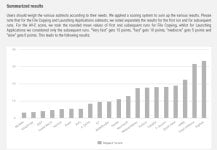
Microsoft Defender nowadays has less performance impact than Bitdefender. If I install Bitdefender, I can feel its impact on almost everything. App launching is the most obvious one, where it is probably the slowest among top AVs. Every single time, it has a delay. I first noticed this probably 3 years ago and after that, all AVC performance tests also started showing this behavior. So it's a common factor.Me coming here to recommend Defender...
View attachment 299200
What people don't understand is that, how efficient antivirus software is on PC doesn't depend only on the software itself, but also the hardware powering everything. And looking at grade antivirus software got on test doesn't mean it's better due to different categories tested.
For example, Defender has reputation of being very heavy and slow (to be fair, it was as in the past). If you take a look at latest AV Test, and categories why Defender got 5.5/6, you'll see it only got it because it slows down installation of software. That's totally not important measure you won't feel in every day use (you're not installing software daily I hope). It actually beats Bitdefender in almost every other performance test. Same story with ESET and others. While it's not drastic difference (1-5% you won't feel in daily use), many members of the forum talk about it like the difference is 90-200% between Defender and other 3rd party solutions when in fact the difference is practically non-existent.
Now feel free to mark me as Microsoft employee. I'm just stating the facts that many members of this forum seem to hate.
With that said, AVs like ESET and Kaspersky are definitely lighter than MD in almost every aspect. If I install ESET, I can immediately feel the speed. A friend (not an AV expert) even once asked me how my PC feels faster even though my (his) PC's config is significantly better? The reason was simply ESET. After ESET, Kaspersky is second for me on performance.
Defender causes some app launching slow down here and there, but not as frequently as Bitdefender for me.
When VS Code is updating, the CPU usage of Defender goes as high as 96% in default settings on my system. That is a bit absurd.
For the same activity, ESET's CPU usage reached a max 12%, Kaspersky ranges from 17-25%, Avast 20-40%. So Defender is definitely more CPU-heavy at times.
But I agree that for most average users doing basic things, Defender should feel fast. Web browsing is clearly the fastest with MD. I am using Defender now even though I have been getting an ESET Smart Security Premium license for free from ESET for the last 3 years. I don't want anything affecting my internet connectivity and compatibility-wise, Defender is the best too for obvious reasons. Call of Duty and Fortnite players often report issues with Bitdefender. Proton VPN apparently doesn't work with ESET at the moment. ESET also writes a significant amount of data on disk on signature updates, which is followed by a scan.
BD, ESET, Kaspersky all of them also downgrade QUIC connections to HTTP/2 in Chromium browsers (Chromium limitation, not an AV issue), so users are also not getting the speed benefit of QUIC while using them.
To answer OPs question, for gaming alone, Microsoft Defender is the best. If Defender isn't your cup of tea then Kaspersky or ESET.

RoboMan
Level 39
Verified
Honorary Member
Top Poster
Content Creator
Well-known
High Reputation
Forum Veteran
I would discourage you from buying Norton 360.
I used to be a big Norton fan, SONAR was really acurrate and efficient. The product was not perfect, but it was solid.
Since the acquisition from Gen Digital, it's become a bloated product that pushes notifications to buy garbage products. My copy of 360 for Gamers even has red alerts in the GUI because it has "discovered junk files" I must pay to remove.
In terms of protection, well, it's Gen Digital, it's solid enough. But it's your call. I bought a license for $1 and ended up uninstalling.
If you're able to pay for a premium subscription, my top 3 solutions would be, in order:
I used to be a big Norton fan, SONAR was really acurrate and efficient. The product was not perfect, but it was solid.
Since the acquisition from Gen Digital, it's become a bloated product that pushes notifications to buy garbage products. My copy of 360 for Gamers even has red alerts in the GUI because it has "discovered junk files" I must pay to remove.
In terms of protection, well, it's Gen Digital, it's solid enough. But it's your call. I bought a license for $1 and ended up uninstalling.
If you're able to pay for a premium subscription, my top 3 solutions would be, in order:
- Kaspersky Standard
- BitDefender Total Security
- Microsoft Defender with DefenderUI + VoodooShield CyberLock

This is the best summary! I am exactly like you! I don't want anything affecting my internet speed. Didn't know about that QUIC limitation, thanks for pointing it out. I stopped using ESET years ago even though I was a long time user of NOD32 (since 2002) as it was the lightest back then but now with the HTTP scanning, I can feel webpages load slower and uploading large files to sharing websites is also slower.Microsoft Defender nowadays has less performance impact than Bitdefender. If I install Bitdefender, I can feel its impact on almost everything. App launching is the most obvious one, where it is probably the slowest among top AVs. Every single time, it has a delay. I first noticed this probably 3 years ago and after that, all AVC performance tests also started showing this behavior. So it's a common factor.
With that said, AVs like ESET and Kaspersky are definitely lighter than MD in almost every aspect. If I install ESET, I can immediately feel the speed. A friend (not an AV expert) even once asked me how my PC feels faster even though my (his) PC's config is significantly better? The reason was simply ESET. After ESET, Kaspersky is second for me on performance.
Defender causes some app launching slow down here and there, but not as frequently as Bitdefender for me.
When VS Code is updating, the CPU usage of Defender goes as high as 96% in default settings on my system. That is a bit absurd.
View attachment 299202
For the same activity, ESET's CPU usage reached a max 12%, Kaspersky ranges from 17-25%, Avast 20-40%. So Defender is definitely more CPU-heavy at times.
But I agree that for most average users doing basic things, Defender should feel fast. Web browsing is clearly the fastest with MD. I am using Defender now even though I have been getting an ESET Smart Security Premium license for free from ESET for the last 3 years. I don't want anything affecting my internet connectivity and compatibility-wise, Defender is the best too for obvious reasons. Call of Duty and Fortnite players often report issues with Bitdefender. Proton VPN apparently doesn't work with ESET at the moment. ESET also writes a significant amount of data on disk on signature updates, which is followed by a scan.
BD, ESET, Kaspersky all of them also downgrade QUIC connections to HTTP/2 in Chromium browsers (Chromium limitation, not an AV issue), so users are also not getting the speed benefit of QUIC while using them.
To answer OPs question, for gaming alone, Microsoft Defender is the best. If Defender isn't your cup of tea then Kaspersky or ESET.
AVG/Avast allow you to modify components and remove everything but the file shield which is another good option but Norton doesn't give that option unfortunately.

Rollers127
Level 1
I think it must vary between different machines, I have gone from Eset to Bitdefender (Due to cost of multi seats) and find Bitdefender every bit as light and snappy as Eset, so a win for me. Microsoft defender is painfully slow on my machine. I guess every computer is different, so its a trial and error thingMicrosoft Defender nowadays has less performance impact than Bitdefender. If I install Bitdefender, I can feel its impact on almost everything. App launching is the most obvious one, where it is probably the slowest among top AVs. Every single time, it has a delay. I first noticed this probably 3 years ago and after that, all AVC performance tests also started showing this behavior. So it's a common factor.
With that said, AVs like ESET and Kaspersky are definitely lighter than MD in almost every aspect. If I install ESET, I can immediately feel the speed. A friend (not an AV expert) even once asked me how my PC feels faster even though my (his) PC's config is significantly better? The reason was simply ESET. After ESET, Kaspersky is second for me on performance.
Defender causes some app launching slow down here and there, but not as frequently as Bitdefender for me.
When VS Code is updating, the CPU usage of Defender goes as high as 96% in default settings on my system. That is a bit absurd.
View attachment 299202
For the same activity, ESET's CPU usage reached a max 12%, Kaspersky ranges from 17-25%, Avast 20-40%. So Defender is definitely more CPU-heavy at times.
But I agree that for most average users doing basic things, Defender should feel fast. Web browsing is clearly the fastest with MD. I am using Defender now even though I have been getting an ESET Smart Security Premium license for free from ESET for the last 3 years. I don't want anything affecting my internet connectivity and compatibility-wise, Defender is the best too for obvious reasons. Call of Duty and Fortnite players often report issues with Bitdefender. Proton VPN apparently doesn't work with ESET at the moment. ESET also writes a significant amount of data on disk on signature updates, which is followed by a scan.
BD, ESET, Kaspersky all of them also downgrade QUIC connections to HTTP/2 in Chromium browsers (Chromium limitation, not an AV issue), so users are also not getting the speed benefit of QUIC while using them.
To answer OPs question, for gaming alone, Microsoft Defender is the best. If Defender isn't your cup of tea then Kaspersky or ESET.
KEEP EXPLORING
Similar threads
Another perspective. Your next conversation.
-
 Software Review Symantec Endpoint Protection 2026
- Started by Shadowra
- Replies: 24
-
 On Sale Norton 360 Premium 2026 [10-D, 2-YR] 22.99 €
- Started by Brownie2019
- Replies: 7
-
 Poll Paid vs Free Antivirus in 2026: What are you using, and is it worth paying for?
- Started by Bot AI
- Replies: 159
-
M
-
 Accountant from Kyiv diving into security — be patient with me
- Started by olenakovalenko5
- Replies: 27

Security tip
Make your test reproducible. When posting AV results, include product versions, relevant settings, sample dates, and the method used. Clear conditions make the discussion far more useful.