

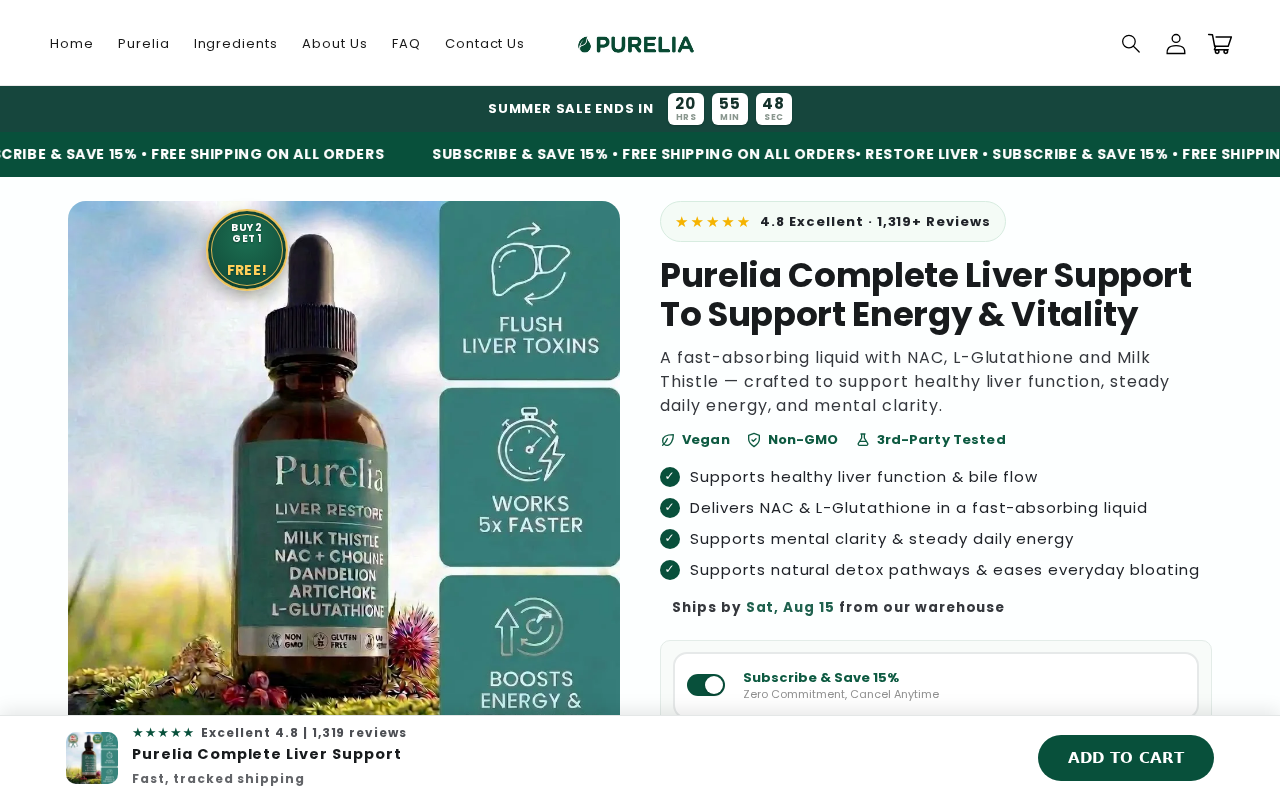
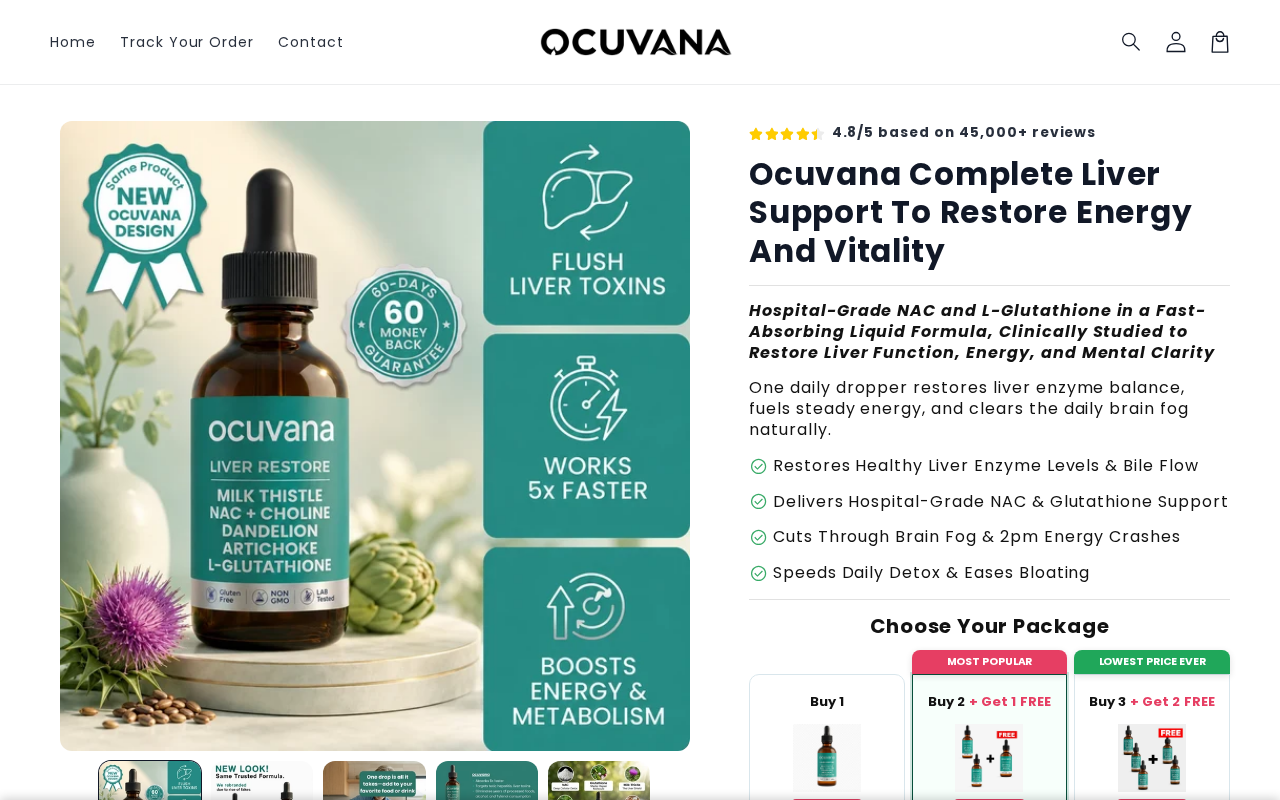
A polished bottle of “Complete Liver Support” appears in an advertisement. Search the product name, and another nearly identical bottle appears under a different brand. Search one full ingredient sentence, and the same formula, testimonials, warnings, discounts, and guarantees spread across store after store.
This is the white-label liver drops network behind names such as Dovi, Purelia, Purella, Livora, Ocuvana, Aloura, Rosalyssa, Orchid, and others. The products may physically exist, but the marketing creates an illusion of independent brands and unique medical solutions that the evidence does not support.
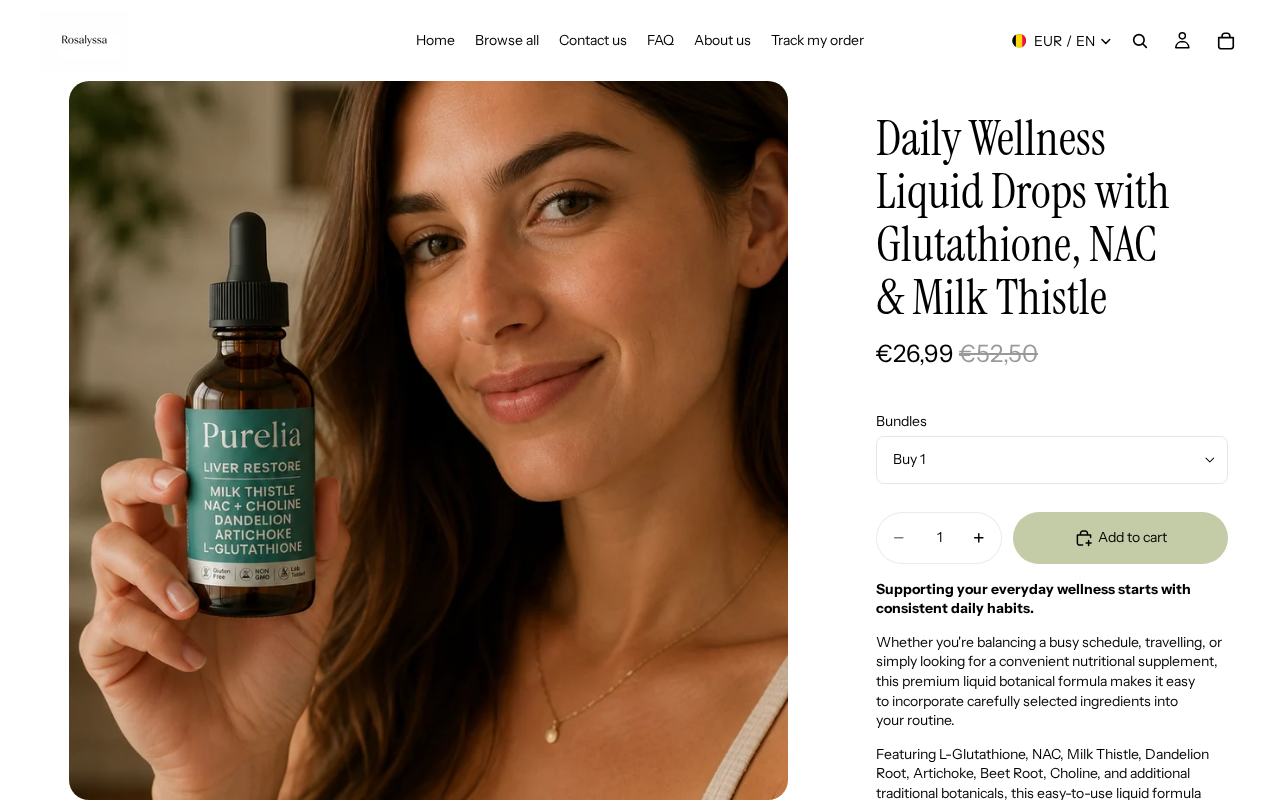
Complete Liver Support Drops Scam Overview
The common product is a liquid dietary supplement usually sold in a 2 fl oz bottle.
The recurring formula lists glutathione 50 mg, an incompletely disclosed amount of NAC, milk thistle extract 30:1 at 200 mg, dandelion 4:1 at 200 mg, artichoke 4:1 at 100 mg, beet root 30:1 at 100 mg, choline citrate 50 mg, and a 100 mg proprietary herbal blend.
Brand names, colors, prices, and bundle counts change, but the deeper content remains unusually stable. Stores reuse stories about liver enzymes, fatty liver, hospital NAC, silent scarring, fatigue, alcohol, dramatic blood-test changes, and buyers who supposedly became loyal subscribers.
We found active subscription funnels on some stores, optional refills on others, and sold-out pages with subscription policy infrastructure still present. The correct verdict must be brand-specific: Aloura preselected recurring delivery; ourvitality.org added a monthly plan through its main button; official Purelia offered refills but did not preselect them; Purella and Ocuvana were sold out when checked.
The Brands and Companies We Traced
Read the individual investigations for Purella Liver Support, Purelia Liver Support, Livora Liver Support, Ocuvana Liver Support, and Aloura Liver Support. Each article documents that store’s checkout, refund rules, company disclosures, and screenshots separately.
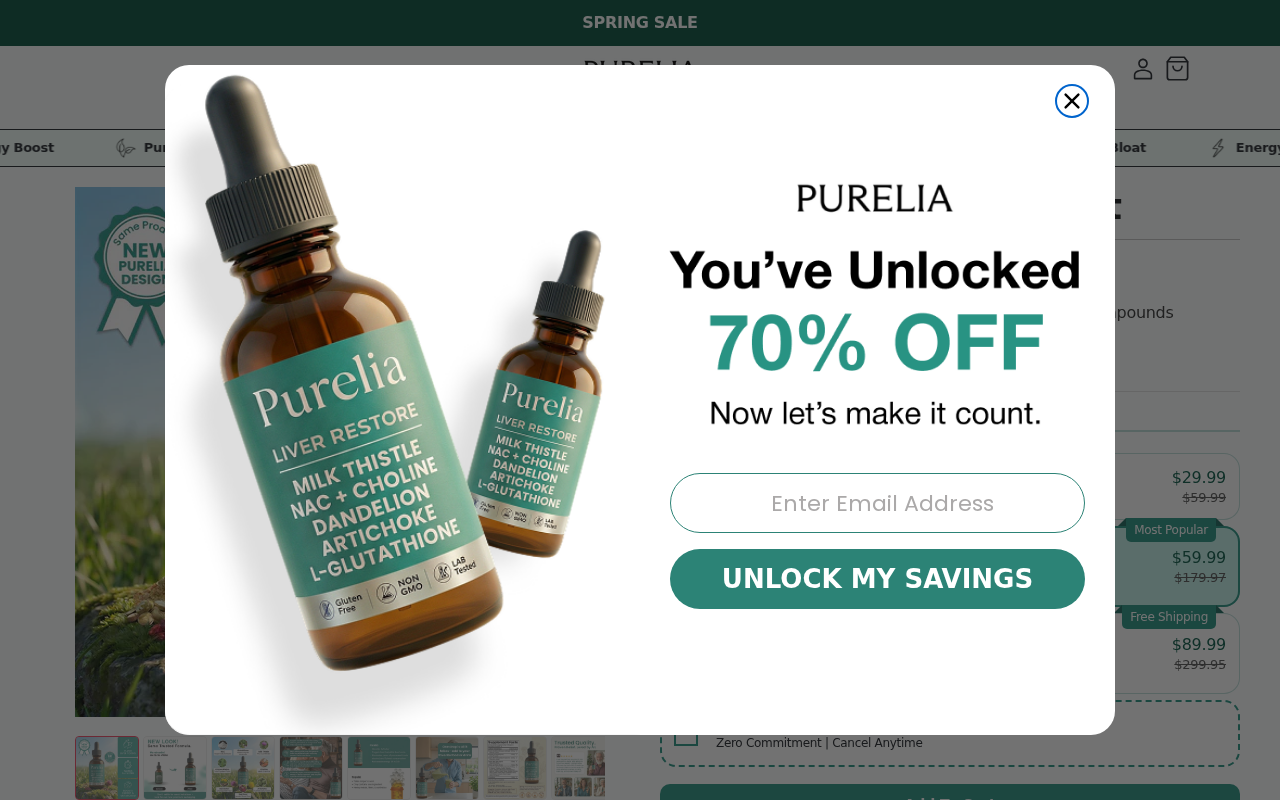
Purella and Upfront Ecommerce LLC
Purella names Upfront Ecommerce LLC, +1 (448) 867-7548, and 5001 Lake Front Dr in Tallahassee. Florida records confirm an active LLC filed May 26, 2026, with unit F8 at that address and no FEI/EIN shown. Property records identify the location as a large apartment complex, not a factory or warehouse.
This is not proof of a fake company. It indicates a very new ecommerce entity using a residential address while the website does not disclose the actual manufacturer or fulfillment center.
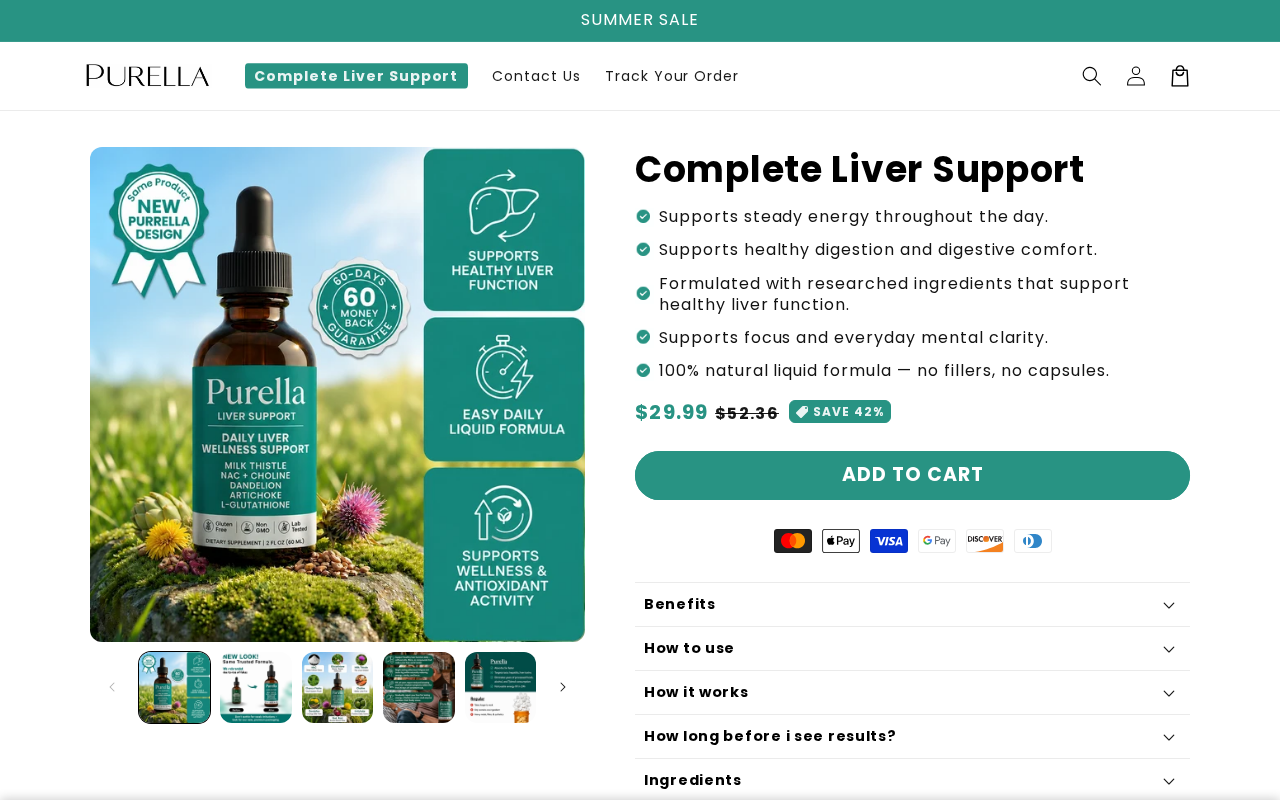
Purelia and JFM Holding Group, LLC
Official Purelia lists JFM Holding Group, LLC, +1 (218) 543-2824, and 175 Central Avenue, 3rd Floor, Albany, NY. New York data identifies an active LLC filed November 13, 2024, and a 2026 trademark application connects the company to the Purelia supplement name.
Regus openly markets the same third floor for coworking, virtual offices, business-address services, and call handling. It is a real office location but not evidence of a supplement plant or warehouse.
The telephone area code is associated with Minnesota, and a BBB Scam Tracker report tied to the number alleges difficulty canceling automatic refills. That report is an unverified consumer account, not an official finding.
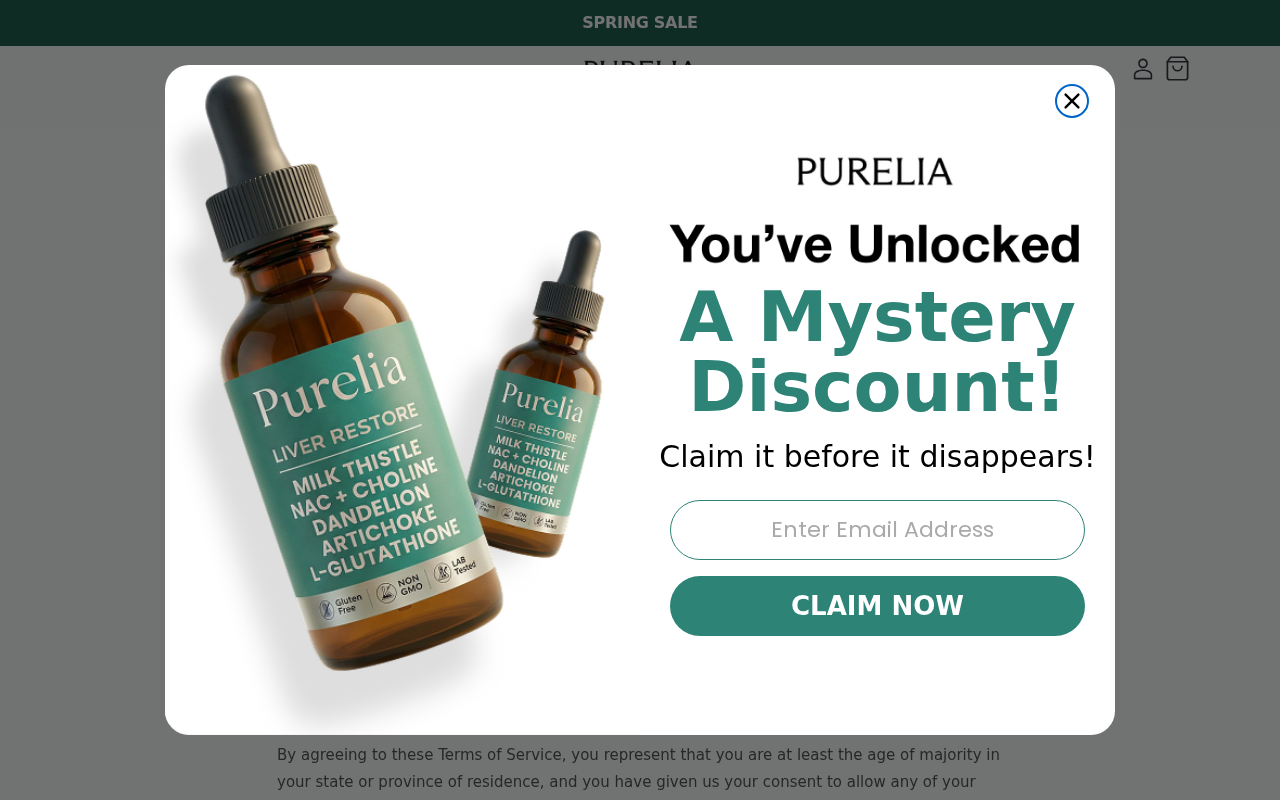
Livora/Purelia on ourvitality.org
Search results recently showed Livora on ourvitality.org, but the live site now uses Purelia. Its terms publish a Los Angeles post-office box and Thermatech@wholebodycollective.com; the contact page uses support@purelia.com. No legal entity, telephone number, street office, manufacturer, or fulfillment facility is identified.
A PO box is not a warehouse. We cannot prove the operator is fictitious, but a buyer cannot independently identify the contracting company from the disclosures provided.
Ocuvana LLC and Tarot Club LLC
Ocuvana says Ocuvana LLC operates its store. Aloura’s footer names Tarot Club LLC. Neither store publishes the LLC’s jurisdiction, registration number, street address, responsible manager, telephone number, factory, or fulfillment center.
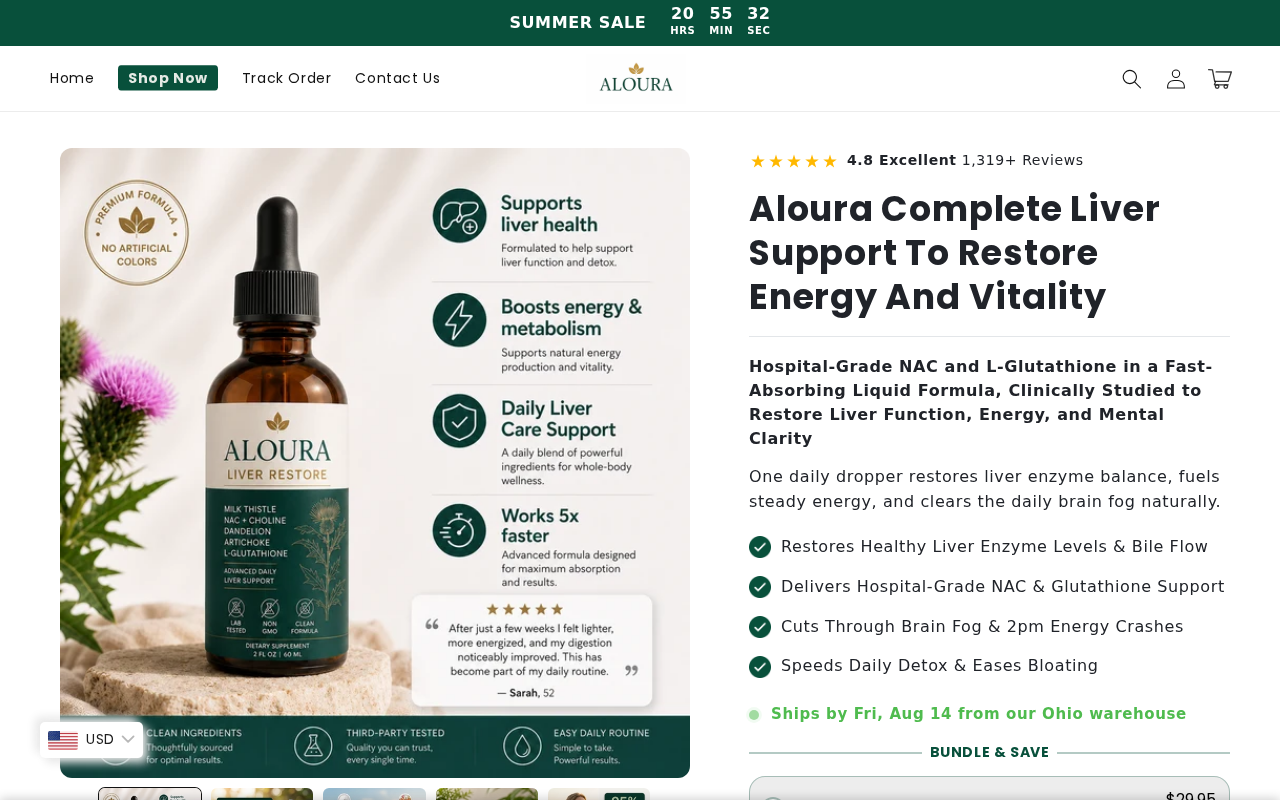
Because LLC names can repeat across states, a name without a jurisdiction cannot be matched safely to a random registry result. The honest conclusion is “unverified from the seller’s disclosures,” not “confirmed nonexistent.” Aloura does provide info@alourahealth.store, while Ocuvana provides support@ocuvana.com.
Rosalyssa and SCADI EIENDOM AS
Rosalyssa is more transparent. It names SCADI EIENDOM AS, organization number 936 428 169, at Trondheimsveien 26B, 0560 Oslo. Norway’s official Brønnøysund register confirms an active company at that address, registered October 22, 2025.
The registry classifies its main activity as development and sale of building projects, not supplement manufacturing. The company also appears behind unrelated ecommerce stores and an Airbnb management business. That supports the picture of a general ecommerce operator using outside suppliers, not a specialized liver-health laboratory.
What the Address Investigation Actually Proves
- Residential address: a company may lawfully operate from a home, but the address does not prove manufacturing or fulfillment capacity.
- Virtual or coworking office: the business may receive mail and calls there, yet inventory can be handled elsewhere.
- PO box: this is a mail destination, not a return warehouse or physical headquarters.
- Registered company: formation proves an entity was filed, not that its advertising, product quality, or testimonials are truthful.
- No address or jurisdiction: the company cannot be reliably verified from public information supplied to the buyer.
- Third-party fulfillment: common in ecommerce and not automatically suspicious, but the seller should disclose return logistics and remain accountable.
We found no reliable evidence establishing that every bottle ships from China. Some white-label products may be made or fulfilled by overseas suppliers, while others may use U.S. contract manufacturers or logistics providers. The country of manufacture should appear on the physical label or import documentation; the storefronts generally do not supply enough verifiable information.
How The Complete Liver Support Drops Scam Works
1. A direct-response ad identifies a hidden health fear
The funnel begins with common symptoms: low energy, belly discomfort, difficulty losing weight, poor sleep, brain fog, or feeling unwell after drinking. The advertisement implies these unrelated experiences share one hidden cause, usually a sluggish, fatty, or overloaded liver.
The reader is encouraged to self-diagnose before seeing the product. Once the fear is established, a simple daily dropper feels easier and less frightening than medical testing.
2. Medical facts are blended with unproven outcomes
The pages describe real biological concepts such as oxidative stress and glutathione. They may mention legitimate hospital use of NAC, then imply an undisclosed amount in a consumer supplement provides a comparable effect. That leap is not product evidence.
NCCIH says milk-thistle research for liver disease is conflicting or too limited for definite conclusions. A recent randomized NAC trial in MASLD found no significant improvement in liver fat or key enzymes compared with placebo. The complete drops have not been shown to reverse fibrosis or predict exact lab changes.
3. The same supplier formula receives a fresh identity
A store changes the bottle label, brand name, color palette, and product photography. The identical ingredient block becomes a “doctor-inspired” or “advanced” system. Because consumers search the new brand rather than the full formula, they may never see the other copies.
This brand multiplication also fragments complaints and reviews. A warning about Dovi may not appear when someone searches Aloura, even if the underlying formula and page are almost the same.
4. Testimonials are recycled as independent proof
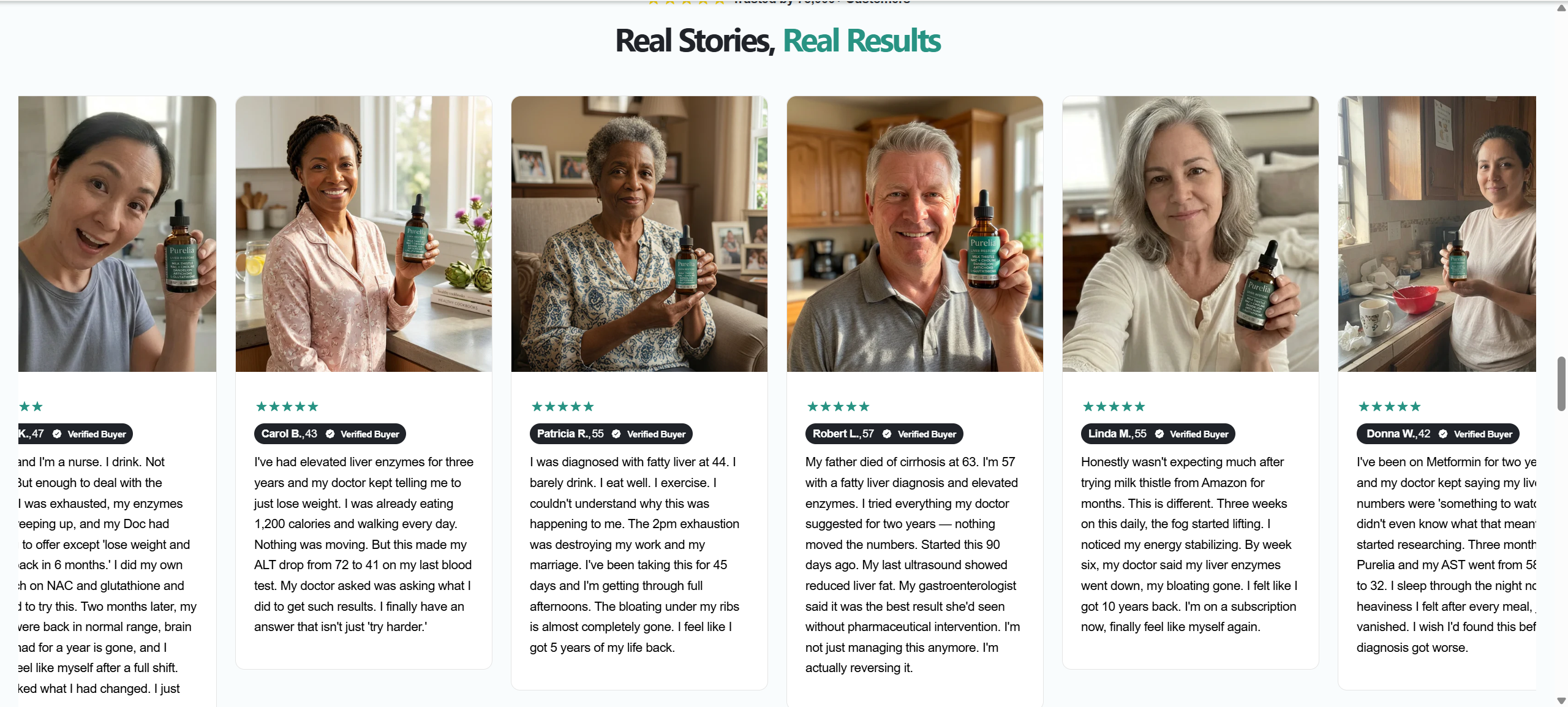
In this case, “AI-generated” is not merely a visual guess. Ocuvana serves the customer portraits from Shopify files named ChatGPT_Image_Jun_23_2026. Official Purelia displays the same people in the same rooms and poses, but the dropper label has been changed from Ocuvana to Purelia.
The claimed identities and medical stories travel with the portraits. Carol B., Patricia R., Robert L., Linda M., Donna W., and Sarah K. appear as “Verified Buyers” for multiple brands. That makes the galleries manufactured advertising, not independent visual proof of customers using each product.
Long testimonials describe exact blood tests, doctors surprised by results, new energy, weight changes, and the decision to subscribe. When substantially identical stories appear under different products, they cannot all be independent experiences of each named brand.
Some pages show inconsistent totals such as 1,319 reviews on one section and tens of thousands elsewhere. Without a verifiable third-party review record, those figures should be treated as marketing claims.
5. Bundles and timers increase the initial order
One bottle is made to look inefficient while three or five bottles carry 50% or larger advertised savings. Timers, stock counters, and “successful checkouts today” messages create pressure to buy before reading the policy.
A larger order increases the amount at risk and the return burden. If the policy excludes opened or sale items, the customer may discover that the headline guarantee does not protect the bundle as expected.
6. Subscribe-and-save turns one decision into repeat billing
Aloura preselects a Shopify selling plan. The Livora/Purelia funnel on ourvitality.org adds recurring billing through its main button without a normal visible purchase selector. Official Purelia offers automatic refills for 25% off but left the control unchecked in our session.
These differences matter, yet all rely on the discount attracting more attention than the renewal. A valid subscription should require a clear affirmative choice and repeat the amount, frequency, cancellation method, and deadline immediately before payment.
7. Conflicting guarantees delay the refund discovery
Many product pages promise 60 days, empty bottles, and no questions asked. Their formal policies may require unused original packaging, prior authorization, customer-paid return shipping, or exclude sale items. Ocuvana’s policy even switches to a carbon monoxide detector.
The generous headline gets the sale; the narrow policy appears only when the buyer tries to leave. This is why screenshots taken before checkout can be more valuable than a later copy of the page.
8. Opaque ownership makes accountability difficult
A brand may vanish, move domains, or be replaced while the funnel continues. Livora’s quiet replacement by Purelia is a clear example. When the legal operator, manufacturer, and fulfillment center are missing, customers struggle to identify the correct party for a refund or complaint.
What to do if you have fallen victim to this Scam
- Identify the exact merchant and plan. Check the confirmation, card descriptor, domain, support email, quantity, and whether the order renews.
- Cancel every recurring authorization in writing. Use the merchant’s email and account portal. State that you revoke future charges and require written confirmation.
- Save the entire sales funnel. Keep the ad, product page, selected control, checkout disclosure, guarantee, refund policy, and all communications.
- Request an authorized return address. Do not assume the registered office is a warehouse. Get an RMA, use tracking, and photograph the return.
- Demand the advertised guarantee. Quote the exact promise and ask the seller to explain any conflict with unused-item or sale exclusions.
- Monitor the payment account. Watch for renewals and unfamiliar descriptors for at least two cycles. Ask the issuer about a merchant block if cancellation is not confirmed.
- Dispute unauthorized or unresolved charges. Provide a dated timeline and evidence that recurring billing was hidden, preselected, continued after cancellation, or materially misrepresented.
- Report the pattern. File with the FTC, state consumer authority, and FDA safety reporting where appropriate. Mention related brand names and copied formula so investigators can connect the network.
- Seek medical care when needed. Stop the drops after a suspected reaction and bring the label to a clinician. Do not delay evaluation of abnormal liver results or serious symptoms.
How to Spot the Next Clone
- Search exact ingredient doses and the proprietary-blend sentence.
- Reverse-search bottle images and distinctive testimonial phrases.
- Compare review names, laboratory stories, FAQ answers, and guarantee wording.
- Inspect whether subscribe-and-save is preselected and whether the cart declares recurring charges.
- Verify the legal entity in the appropriate official registry.
- Classify the address correctly as residential, coworking, PO box, warehouse, or undisclosed.
- Ask for the manufacturer, country of origin, lot-specific testing, and authorized return location.
Are These Stores One Company?
We found strong evidence of shared product and page materials, but not proof that one organization owns every domain. Different legal names, support contacts, countries, and subscription configurations appear across the network. A common supplier, template vendor, advertising kit, or fulfillment partner could explain the similarities without common ownership.
That distinction matters. An article should not accuse a registered Norwegian property company of controlling a Florida LLC simply because both sell the same drops. The defensible link is the repeated formula and marketing system; ownership connections require corporate, payment, domain, or contractual evidence.
Why do the same errors appear across brands?
Copy-and-paste deployment is the most likely explanation. Brand names remain in the wrong page, refund policies mention unrelated products, review totals conflict, and medical narratives move intact. These are observable signs of shared source material, though they do not identify who created it.
Does white-label automatically mean scam?
No. Many legitimate retailers sell contract-manufactured products. The risk grows when the brand implies exclusivity, hides the manufacturer and origin, recycles testimonials as brand-specific proof, exaggerates disease outcomes, preselects subscriptions, or contradicts its own refund terms.
A transparent white-label seller can still identify the responsible company, provide accurate labels and batch tests, state where returns go, and obtain affirmative consent for recurring billing. The stores reviewed here repeatedly fall short on one or more of those basics.
The network should therefore be tracked by formula, wording, contacts, and checkout behavior rather than by logo alone. New names can appear faster than search results and consumer complaints catch up, while an old name may disappear without the underlying offer changing.
The Bottom Line
The Complete Liver Support network is not one proven criminal organization, and several named companies legally exist. The documented problem is a shared white-label marketing system: copied medical narratives, recycled social proof, opaque supply chains, inconsistent guarantees, and subscription designs that range from optional to preselected.
A registered LLC, apartment address, virtual office, or PO box does not validate the supplement. Until a seller identifies the finished-product manufacturer, batch testing, billing terms, return location, and responsible legal entity clearly, the safest choice is to avoid these cloned liver drops.








