


The caller says someone tried to buy a firearm with a credit card opened in your name. A few minutes later, you’re looking at an apparent federal agent.
The person has credentials and a flag behind the desk. Then the interview turns to your driver’s license.
Overview
The handoff begins with a supposed bank problem
A fake FBI video call can begin with somebody pretending to be a card issuer. The first caller describes an alarming charge and offers to put you through to investigators.
A report about this approach described an American Express impersonator claiming a new card had been used at a firearms retailer. The handoff led to a video meeting.
The person who reported the call independently reached the card issuer after being asked to hold up identification. They said the issuer couldn’t validate the card described.
The video meeting is part of the impersonation
The FBI’s Chicago field office has documented fraud that moves from a supposed financial institution to a video call with someone impersonating an agent.
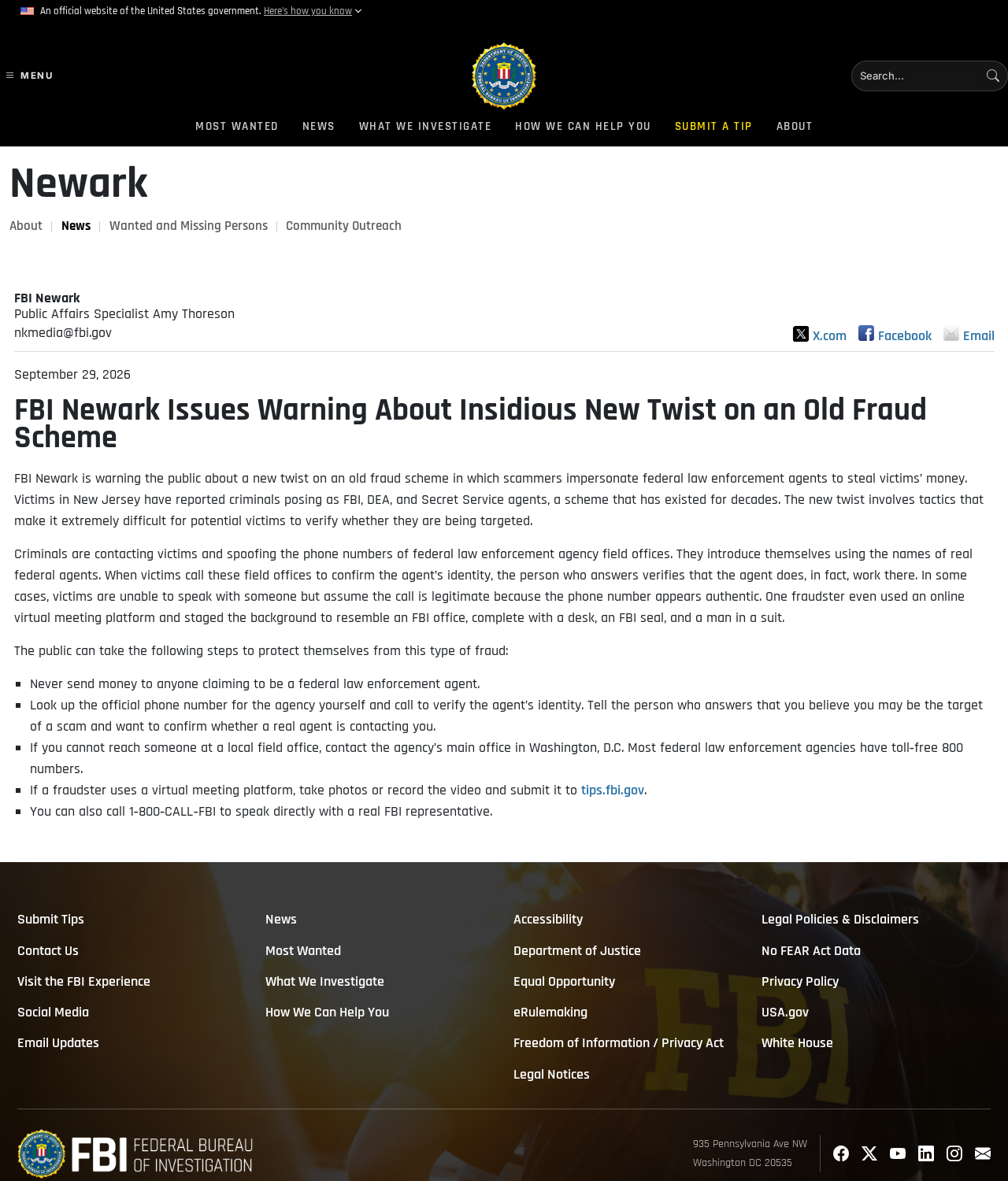
A more recent FBI Newark warning describes a staged virtual office and impostors using actual agents’ names. Those details can survive a superficial check.
The particular caller in the American Express account used Microsoft Teams. An ordinary meeting service can carry a fraudulent conversation just as an ordinary phone line can.
The first request may be for identification
Money demands are part of the wider scheme documented by investigators. A video interview can also begin with a request for your driver’s license or other identifying information.
Look for the decisions you’re being asked to make, especially these:
- Accepting a transfer arranged by an incoming caller instead of reaching the agency through its own public directory.
- Turning on the camera and putting an identity document close enough for an unfamiliar participant to read.
- Treating credentials shown over video as permission to discuss accounts, make a payment or send an image.
You can stop at any point. What the first caller told you does not have to travel with you to the agency or bank you contact next.
How the Fake FBI Video Call Scam Works
Step 1: A bank impersonator creates a reason to stay on the line
A dispute over a firearm purchase sounds more urgent than a routine card problem. The caller invites you to explain a charge or account you never opened.
The report about American Express included specific purchase and card details. It sounded like the caller was reading a file rather than asking you for your own card number.
That’s a powerful opening because you can answer several apparently harmless questions before being asked to do anything sensitive. It also makes the story feel increasingly personal.
Separate the claim from the conversation. You can ask your actual card issuer about an unknown account or transaction after ending the call.
Step 2: The supposed bank decides which agency you need
The caller suggests the matter belongs with law enforcement and offers a transfer. To the person listening, this can sound like a service the bank is doing for them.
A handoff also limits your ability to choose who you speak to next. You don’t get to consult a directory or tell a new person the story yourself.
Notice whether you are being discouraged from making that independent call. A claim that you won’t reach the right department quickly can keep you inside the impostor’s route.
If the bank really needs to speak with you, you can reach its published fraud department and explain the claim. Treat the agency question as a separate call.
Step 3: The second caller makes it look like a formal interview
The next person can repeat details supplied by the first caller. The repetition feels like confirmation because you heard the story from a different voice.
Then the format changes. A calendar link or video meeting can feel more formal than a phone call, particularly if you recognize the meeting service.
The FBI’s account of the impersonation scheme describes actors using convincing surroundings and props. Those props are visible from the angle the participant chooses.
Don’t let the meeting’s formality rush the decision. End it before moving on to documents, account information or any instructions involving money.
Step 4: The interview moves from talk to evidence collection
The American Express report describes a request to show a driver’s license on camera. The person left the meeting without providing it.
Once a document comes into view, another participant could record it or take a screenshot. A request to tilt the card or hold it closer can expose more detail.
You may be asked to prove you are the person under discussion. Get the supposed agency to verify the contact through a number you found yourself before providing documents.
Other documented versions press for cash or sensitive information. Verify the contact independently before following any of those demands.
How to Verify a Real Agent Without Relying on the Caller
Confirm the contact itself
Call the office using the number on the agency’s website. Explain that someone used an agent’s name and ask how to verify the contact.
The Newark warning makes an important distinction. A receptionist may truthfully say a named agent works there while the caller who borrowed that name is someone else.
Ask whether the agency can confirm the contact or connect you through its own switchboard. A quick yes about employment answers a much narrower question.
If the office sends you to a specialist, note the new contact route. Then use that route yourself for any follow-up so you can return to the same case.
For a genuine callback you requested, ask the switchboard what to expect. It can tell you which office is handling your inquiry and how to reach it again.
If the office can’t connect you immediately, keep the original request on hold. A delay leaves you time to verify what you were asked to do.
Check the financial story separately
Open the bank app you already use or call from your card or statement. Tell the issuer the first caller described an account opening or a transaction.
If a new account really exists, ask for the bank’s identity-theft process. A fraud inquiry through the issuer gives you a record you can follow up on later.
A suspicious call and a genuine unauthorized charge can occur on the same day. Let the bank investigate the account activity through its established process.
If you don’t bank with the issuer the person named, find the issuer’s consumer support independently. Avoid reading the caller’s supposed card details into an unfamiliar form.
Preserve details already in your possession
The platform name, invitation time and claimed office help investigators understand the handoff. Save the meeting invitation you already received without rejoining the call.
Make a short record of what happened before the video started. Note whether the first person asked about an unknown account and whether the next person requested identification.
Keep a distinction in your notes between what you saw and what someone told you. A flag was visible. An employment claim came from a participant.
Store those notes away from public posts. A meeting invitation or screenshot may carry your name, email address or information that a later impersonator could reuse.
How Much of Your Identification Could They See?
A brief appearance on camera
Start with what came into view. You may have shown your face while keeping your license, account screens and other records outside the frame.
Tell the agency what the caller actually requested. That detail can matter even when you stopped the interview before complying. You can report an attempt without proving a loss.
Avoid returning to the meeting to find out if the person recorded you. Save the original invitation and a description of what was visible from memory.
A readable document or a file sent through chat
If the caller could see the front of a license, list the fields it showed. If they saw the reverse or received a photo, record that too.
A document upload may remain available to the person who received it. Keep the name of the service and the sending time for your report.
Check what else was shared in the same conversation. A license photo alongside a date of birth or a separate account number deserves a different account of the exposure.
If the first caller claimed somebody already used your identity, tell the bank about that claim separately. Ask it to confirm whether an application exists.
A request to move money after the meeting
The FBI’s account also covers demands for money. Once the call has shifted to an alleged investigation, a payment may be described as cooperation or protection.
A withdrawal, wire or payment to another person can leave a record at more than one institution. Note the method used and who processed it.
If you’re still at the bank or payment counter, tell the employee there what the caller said. Ask them to stop the transaction while you check with the agency.
For a completed payment, keep the exact amount and destination information. Give them to the bank and investigators through independently verified channels.
What to Do if You Have Fallen Victim to This Scam
-
Leave the meeting and end the phone call. If the first person calls back, let it go to voicemail while you find the real institution independently.
Write down the time and which parts of the conversation involved a bank or agency. That helps you explain the sequence without calling either impersonator again.
-
Reach the issuer through a known number. Ask whether there is an account or purchase matching the claim. Report any activity you didn’t authorize.
If you supplied card details or banking information, say what you shared and when. Ask the issuer which access needs to be blocked and which records to keep.
-
Tell the relevant agency about the impersonation. Reach the FBI through its published contact route, or submit what you already have at FBI Tips.
Include the name and office the caller used, the time of the meeting and what they requested. Avoid including information unrelated to the report.
-
Act on identification exposure. If your driver’s license was visible, ask the issuing agency for guidance. Tell it whether the photo, address or document number could be read.
In the U.S., IdentityTheft.gov can help you make a recovery plan if your personal information was misused. Check for unfamiliar accounts if the caller discussed a new card.
-
Contact the payment provider immediately if you sent money. Explain that an impersonator told you to transfer it. Ask what can still be stopped or recalled.
Keep receipts and confirmations. Describe accurately whether you approved the transfer yourself or discovered it afterward, because those are different facts for a provider to investigate.
-
Review account access if the meeting went beyond video. If someone obtained a password or saw a sign-in approval, secure the affected account from a trusted device.
Use the provider’s account security tools to check sessions and recovery details. If you installed anything or granted control, tell the person helping you secure the device.
-
Be careful with follow-up help. A second person may claim to have your report or know how to return your money. Verify new contacts yourself.
Keep any case number from your actual report in your own records. Give it only to the agency or financial institution you contact through an official route.
Frequently Asked Questions
Is a meeting on Microsoft Teams proof that the FBI contacted me?
Teams is a platform people can use to hold a meeting. Ask the actual office to verify the contact through its public number before sharing information.
Why would the caller say someone tried to buy a gun?
The claim creates fear that an unauthorized purchase has become a criminal matter. Call the issuer yourself to check whether any account or purchase actually exists.
What if the name on the badge belongs to a real agent?
The name can be borrowed. Ask the independently reached office to verify that the person contacted you or to connect you through its own phone system.
I joined the video but kept my documents out of view. What should I save?
Keep the invitation, call times and what the caller asked you to show. Tell the bank or agency whether you revealed anything, accepted any prompts or sent money.
Does showing a license mean someone has opened credit in my name?
It creates an identity exposure that deserves attention. Contact the issuer of the document and check for unfamiliar financial activity rather than guessing what the caller did.
Can an official-looking investigation require payment to keep me out of jail?
Treat a demand to move money during one of these calls as fraud. Verify any real legal matter through the agency or court using contact details you find independently.
The Bottom Line
End a supposed fraud investigation when an incoming caller routes you to a video interview and asks for identification. Verify the bank claim and the agency contact yourself.
If the caller saw your documents or received money, report exactly what they obtained. Start with the card issuer, payment provider or document issuer whose help you need.

Join the discussion
0 commentsShare your experience or ask a question about this article.
Discussion
Start the conversation
Have a question or something useful to share? Add the first comment.