


The brush fits in the palm of a hand, but the videos make it look like it can do the work of an entire facial.
One minute you’re looking at a cheek marked with a grid. A few strokes later, the jawline looks different enough to make you pause the video.
Overview
The object in the video is an ordinary curved brush
A lymphatic drainage face brush is generally a small curved handle with a band of soft bristles. It moves when you move your hand, without any powered mechanism.
In this hands-on brush video, the reviewer shows a striped curved handle and golden bristles. He describes the brush as soft and pleasant against his skin.
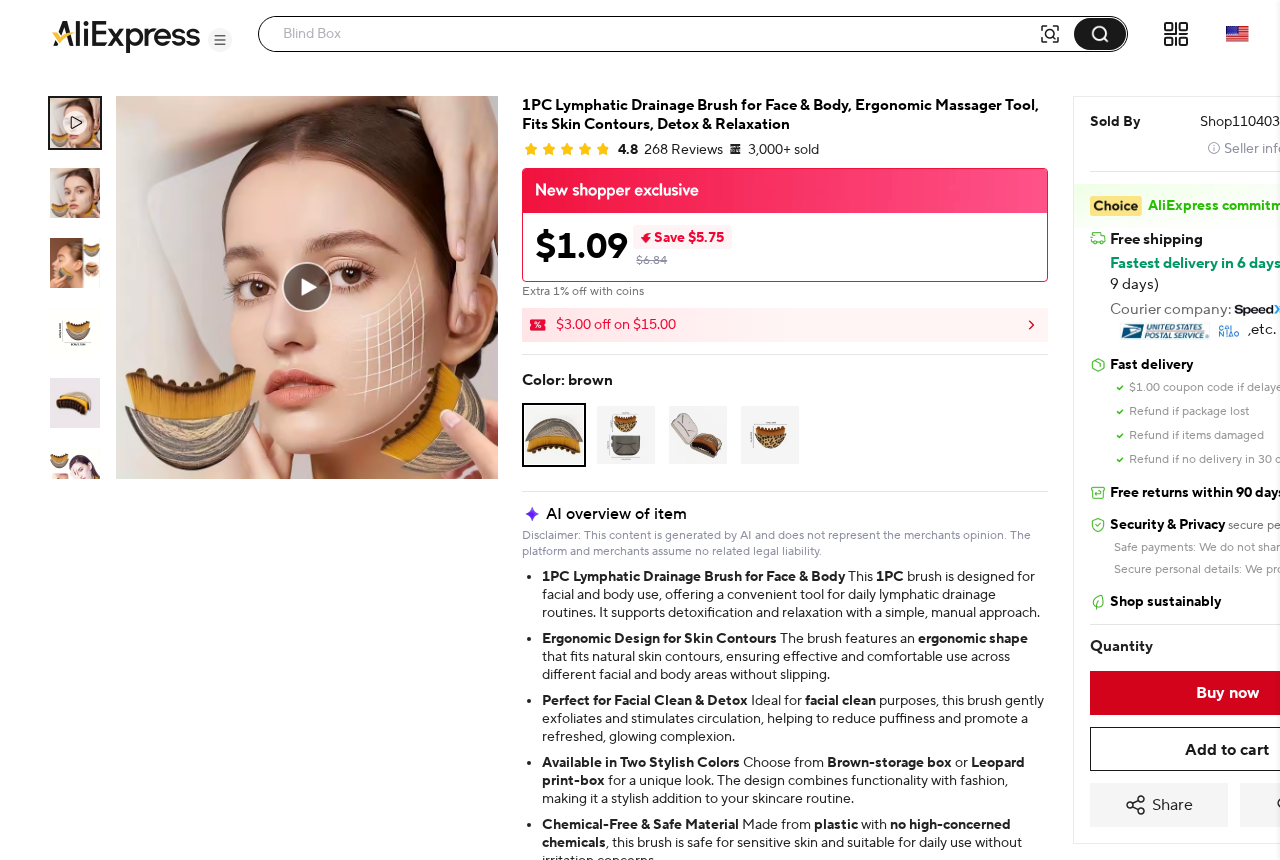
The link in the video leads to this AliExpress product. The listing shows the same pictured design with several options, including versions packaged with a storage case.
The selling point is bigger than a soft brush
That AliExpress listing uses detox language in its title and a face-contour grid in its main image. The product is shown being swept across the cheek toward the jaw.
A separate offer under the name GlowLift promises a more defined jawline and visible lift with repeated use. Its headline suggests you can transform your appearance in five minutes.
Those are beauty claims, not measurements. A brush can feel pleasant, but the comfort of the bristles doesn’t tell you what changed in the skin or how long it lasted.
The research and the sales pages answer different questions
Manual lymphatic drainage is a real treatment used in some clinical settings. The trials cited around these brushes generally look at different people, techniques, and reasons for swelling.
- The physical product: Look for the handle shape, bristle material, case and the exact option selected.
- The result promised: A temporary change in how a face looks is different from lasting contour changes or treatment of a medical condition.
- The purchase: An introductory marketplace price, a branded storefront bundle and each seller’s return policy cannot be assumed to match.
The important question is whether someone tested this brush against the claim printed beside its price. A study about skilled massage after surgery doesn’t make that connection.
How Lymphatic Drainage Face Brush Ads Sell the Result
Step 1: A quick demonstration stands in for a comparison
The outline drawn on a cheek tells you where to look. A close-up lets you see the brush move, which makes the change seem immediate and easy to reproduce.
But face position and lighting affect where the shadows fall. Tilting your head up slightly can move the shadow under your jaw without telling you whether the tissue itself changed.
That is a limitation of the demonstration, not an accusation that a specific photo was edited. Even honestly recorded footage can make a small shift in appearance look more significant.
For a lasting sculpting claim, look for a comparison taken under consistent conditions, with measurements repeated well after the session. The first swipe doesn’t establish the last result.
The reviewer who held the brush could describe its feel firsthand. He didn’t report a controlled test that measured a lasting change in his face or compared two different brushes.
Separate the symbol from the evidence. A grid printed over the cheek may look like a measurement, but the listing does not show that the grid represents recorded dimensions.
Watch what the ad asks you to remember. If it only gives you a model’s best angle, you have no comparison for the same face later in the day.
Step 2: The word detox supplies a medical-sounding explanation
On the linked marketplace page, detox already appears in the product title. A separate on-page summary describes the brush as supporting detoxification and makes additional claims about the material.
That box is identified as generated by AI rather than written by the merchant. It should not be treated as a seller’s ingredient disclosure or an independent product assessment.
Ask what the ad says is being removed, how it was measured, and who took part. A reference to the lymphatic system doesn’t answer those questions.
The same distinction applies to claims about immunity. An observation about a biological measurement in one research setting isn’t evidence that brushing your cheek prevents illness or makes you healthier.
If you want a soft cosmetic tool, compare that feature honestly. Paying more for the word detox buys no clearer answer about what the brush does.
Step 3: A clinical study gives the sales story borrowed credibility
A 30-person randomized study looked at manual lymphatic drainage in patients who had jaw surgery. The researchers measured how facial swelling changed as those patients recovered.
They reported a faster decline in measured swelling in the treatment group. The same study did not find a significant difference in patients’ perceptions of swelling or pain.
A later systematic review and meta-analysis did not find a statistically significant swelling reduction from manual lymphatic drainage at the postoperative time points it analyzed.
That disagreement matters, but neither paper tested this retail brush. Neither compared a five-minute brushing routine with the results promised on a product page for healthy shoppers.
People who have had surgery begin with swelling associated with a specific procedure. A shopper looking for a sharper jawline isn’t starting from the same place.
The trial compared a specific treatment with a control. A video of someone trying a brush alone can’t make that comparison by showing two snapshots.
Professional guidance matters more than a beauty demonstration if you’re recovering from a procedure. Ask the clinician managing your recovery before using a skin-contact tool on the area.
There is also a difference between an appearance change from swelling going down and changing the shape of your face. A facial brush isn’t a substitute for a professional evaluation.
Step 4: The same category is sold at very different prices
One U.S. view of the linked marketplace item showed $1.09 as a new-shopper offer, against a crossed-out $6.84. That price is conditional, not what every visitor will pay.
The separate Camonda GlowLift page makes a much larger beauty promise. It showed a single brush option at $13.90 and a two-brush option at $22.24.
At $22.24 for two, the price is $11.12 each. If you came for one brush, the bundle still costs $8.34 more before any later changes to the order.
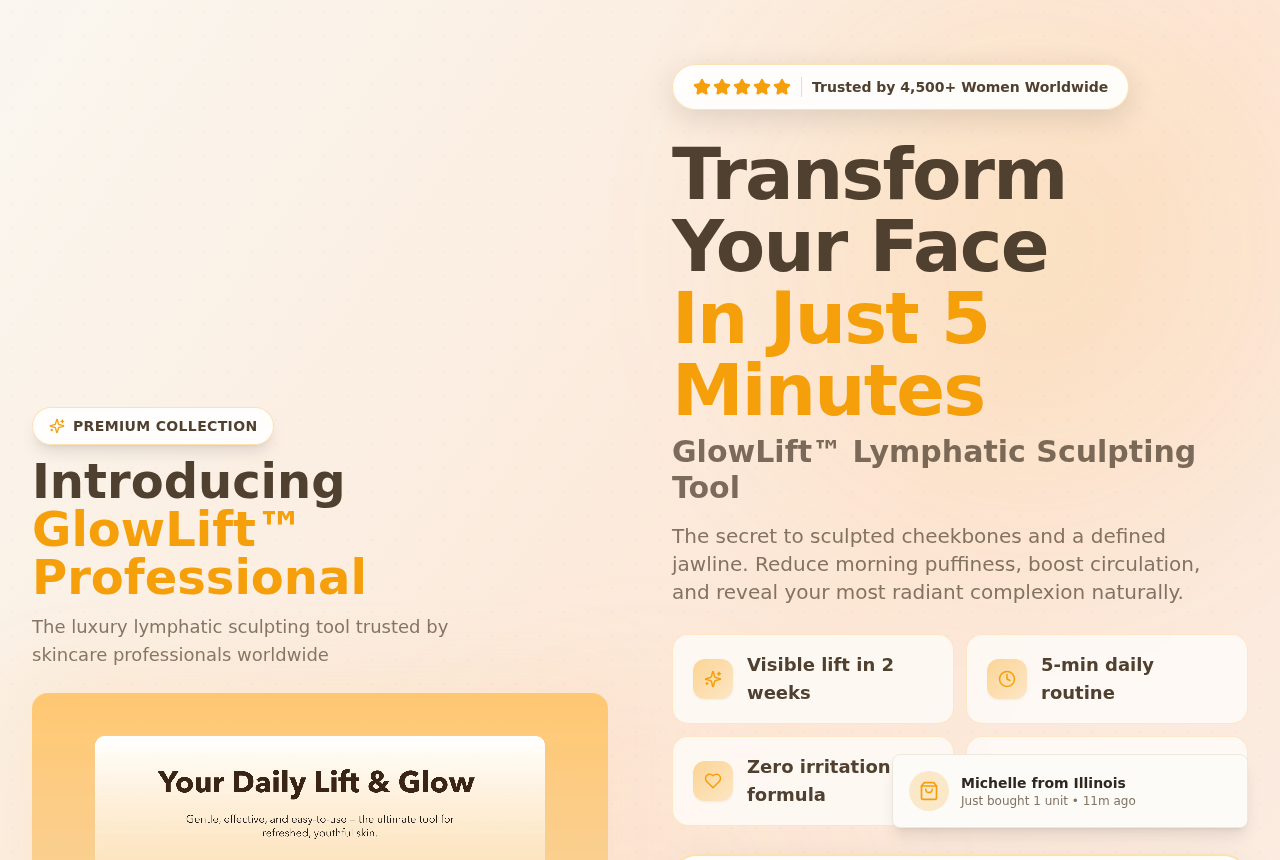
The single-item cart showed one unit and $13.90 with free shipping. That confirms what the cart displayed, not what a customer would ultimately be charged.
The stores show visually similar curved brushes. The lower price doesn’t establish Camonda’s sourcing or prove that its brush uses the same materials.
It does show why you should decide what you want before comparing prices. A storage case or specified bristles can matter to you; an unverified promise of lasting lift shouldn’t.
The seller also presented a low-stock display. It showed urgency, but it didn’t let a shopper verify the remaining stock or whether the discount would actually end.
The strongest reason to choose two would be that you already need two. The unit-price discount does nothing for a second brush that ends up in a drawer.
Seller, Price, and Return Checks
GlowLift is a product name, not a billing identity
The Camonda page calls the product GlowLift Professional, while the source-linked item is sold through an AliExpress shop. Keep their purchase records separate, even if the goods look similar.
The marketplace provides an order history tied to the seller from whom you bought. For a standalone offer, check the company on the invoice and the descriptor on the payment.
The Camonda offer did not clearly identify the legal seller. A storefront name or checkout badge doesn’t identify the party responsible for a refund.
There is no verified link between the pictured brushes and one factory
A curved handle that fits the jaw is a design feature. You still need a meaningful product specification if the seller charges extra for a particular material or fiber.
The listing includes a case option, while the GlowLift sales material emphasizes its beauty story. Those details do not establish where either order would be made, shipped, or returned.
Keep any barcode, item label, or material information that arrives with your order. If it differs from the listing, that evidence is worth more than another generic product photo.
A money-back promise needs a route you can use
The GlowLift FAQ says it will refund a dissatisfied purchaser within 30 days. The offer’s promise doesn’t tell you, by itself, where to send a brush or how to qualify.
In particular, ask what starts the clock, whether a brush used on your face is eligible, and who pays postage. Find the applicable contact route before relying on the promise.
Save the exact wording that appeared when you ordered. A seller can change its home page without changing the screenshot or purchase confirmation you already kept.
The marketplace page showed a free-returns banner. Use the return conditions in your actual order, rather than applying the marketplace banner to a purchase made on the branded site.
If the seller won’t explain how to start a return, consider that part of the cost. A low unit price may still be poor value if the remedy is unclear.
Look for the article behind the magazine name
The GlowLift page displays names including Vogue, Elle, and Allure in a feature section. The names did not link to supporting stories in the offer reviewed.
A magazine can mention a cosmetic tool without testing it. Even a real feature wouldn’t establish lasting lift unless it measured that outcome for this product.
Check whether a link goes to the publisher, a seller-controlled page that resembles a feature, or nowhere at all. Only the publisher can confirm its own coverage.
Ask for the actual story, how it identified the brush, and whether it describes an independent test. Without that, the magazine name adds no evidence to the buying decision.
What to Do If You Ordered a Facial Drainage Brush
-
Pull up your order rather than the video. Confirm which shop took the payment, which option you picked, and whether you paid for one brush or a bundle.
Take a screenshot of the ad if its promise influenced you. Compare it with your invoice, including any shipping charges, and preserve both records separately.
-
Request a return before the deadline passes. Ask whether an opened brush qualifies and where to send it. Keep the seller’s written reply with your receipt.
If yours came through an app or marketplace, start in its order history. Do not mail it to an address from an unrelated branded storefront.
-
Document the exact issue if the order is wrong. Photograph any damage, missing case, or incorrect quantity. Keep the external packaging until the order question is resolved.
If no item arrived, record the tracking status and delivery date shown on the receipt. Ask the seller to explain the next step instead of sending a second payment.
-
Stop if the tool makes your skin feel worse. Don’t treat unexplained, persistent swelling as a reason to buy a stronger brush or press harder.
Ask a clinician about a new or concerning change, especially if you bought the tool as a substitute for care. Bring the product details if relevant.
-
Escalate an unresolved charge with the right evidence. Tell the payment provider which promise, order detail, or charge you dispute and ask about its deadline.
Share the order confirmation and your attempts to resolve it. A dated receipt helps more than a public review of a similar product.
Frequently Asked Questions
Can a lymphatic drainage face brush permanently sculpt my jawline?
The linked video and clinical studies do not establish that this retail brush makes lasting changes to jawline shape. A change in appearance after use doesn’t answer that question.
Is a facial brush the same as clinical manual lymphatic drainage?
Clinical studies examine specific patients, techniques and outcomes. The fact that massage can be studied as a treatment does not make a retail brush an equivalent replacement.
Did the video show the exact GlowLift brush from Camonda?
It shows the curved brush linked on AliExpress. The GlowLift page is a separate example of similar marketing, not a verified seller or manufacturer match for that unit.
Does the $1.09 price apply to every order?
No universal price follows from a new-shopper offer. Check the selected variant and the payable total on your own order before comparing the marketplace price with a branded offer.
Do the beauty magazine names mean the brush was tested?
A magazine name in a storefront banner doesn’t document a test. Look for a full article that identifies the brush and explains what anyone measured.
Can I trust the 30-day guarantee after using the brush?
Ask the actual seller whether an opened or used brush qualifies. A 30-day headline does not answer the condition requirement, return address, or shipping costs.
The Bottom Line
Don’t buy a lymphatic drainage face brush to detox, permanently change your jawline, or treat swelling. The documented product is a cosmetic brush, not a tested substitute for care.
If you already paid, save the offer and use the seller named on your receipt for a return request. Ask for written eligibility before mailing the item back.

Join the discussion
0 commentsShare your experience or ask a question about this article.
Community experiences
Did this happen to you?
Your experience could help someone recognize the same scam. Submit a private report for our team to review.
I experienced this tooReports are reviewed before publication. Sharing publicly is always your choice.
Discussion
Start the conversation
Have a question or something useful to share? Add the first comment.