


A headline says New Zealand pension payments have been cancelled. A different story says Inland Revenue is about to pay people income or dividends.
Both headlines can matter to someone planning their next bill. Read carefully when the story stops explaining a public payment and starts promoting private trading.
Overview
The pension or dividend story is the hook
New Zealand’s Financial Markets Authority warns that fake news articles use the names of politicians and business leaders to send readers toward fraudulent investment platforms.
Among the headlines it identifies are false claims that pension payments have been cancelled and that Inland Revenue is about to send people income or dividends.
- The news format makes the financial claim look as though it came from a newsroom.
- The next page can ask for contact details rather than money, giving the promoter a reason to call.
- The regulator warns that balances and profits shown later may be fictional and that withdrawal demands can bring further fees.
There are two different questions to verify
Check a public payment through the agency responsible for it. A real question about NZ Super or a tax refund does not belong with an investment promoter.
Check any separate investment independently, including who would take your funds. A familiar politician’s image does not identify a licensed operator or guarantee where the money goes.
A recent warning update is not a new government benefit
The FMA notice was updated on November 11, 2026. Its warning covers an ongoing pattern, not a single new platform or a change to public entitlements.
The published list now includes Earnfern AI, among other names. It does not establish which of the listed platforms used a particular pension or dividend headline.
How New Zealand Fake Investment Ads Turn a Headline Into a Deposit
Step 1: Make the reader fear a loss or anticipate a payment
A pension-cancellation headline gives people a reason to worry about a payment they may depend on. A supposed government dividend appeals to the hope of extra income.
The FMA documents both stories alongside more traditional fake celebrity endorsements. Neither story needs to show a realistic investment balance before it catches a reader’s attention.
Do not confuse one person’s missing payment with a claim that an entire pension has ended. A nationwide change would need confirmation from the agency responsible for it.
The headline may sit beside ordinary articles in a feed. Appearing in the same place as real news does not tell you whether the linked story came from a newsroom.
Step 2: Borrow names, images and the appearance of reporting
The regulator has seen imitation news articles using false quotations or endorsements. Some promotions also include manipulated videos or pictures that appear to feature recognized New Zealanders.
You do not need to diagnose whether a particular clip is generated to reject the investment pitch. Start with whether the original newsroom or named person actually published the story.
Search from the outlet’s genuine site rather than trusting its logo on the page you opened. Go independently to the official agency for any claim about public money.
Keep the endorsement question separate from the investment question. Even a real interview about retirement would not give an unrelated trading platform authority to handle your money.
Step 3: Ask for contact details before asking for money
In the sequence the FMA describes, the story can lead to a form promoting investment services or educational material. The initial request may be just for contact information.
That first form gives someone a reason to call and present themselves as a broker. It does not tell you which entity would hold your funds.
The regulator describes an initial investment of around US$250 in its general warning. This is a reported example of the pattern, not a fixed fee for every named offer.
If someone calls after you fill in an enquiry, you can stop there. Sharing a phone number does not make the later payment request part of an official process.
Step 4: Show gains on screen and make withdrawals conditional
A later login can show an apparent balance, and the FMA says scammers use fictional profits to persuade people to increase their deposits. The display is not settlement evidence.
When people ask to withdraw, the warning says they may be told to pay another fee before funds can be released. Paying does not verify that the balance exists.
Do not let a promoter calculate eligibility for a government dividend from the figures on a private trading screen. These are two unrelated claims that need independent verification.
If you have a receipt for a real deposit, that is evidence money left you. A rising number later on the platform does not prove money came back.
Where to Verify a Real Pension or Inland Revenue Payment
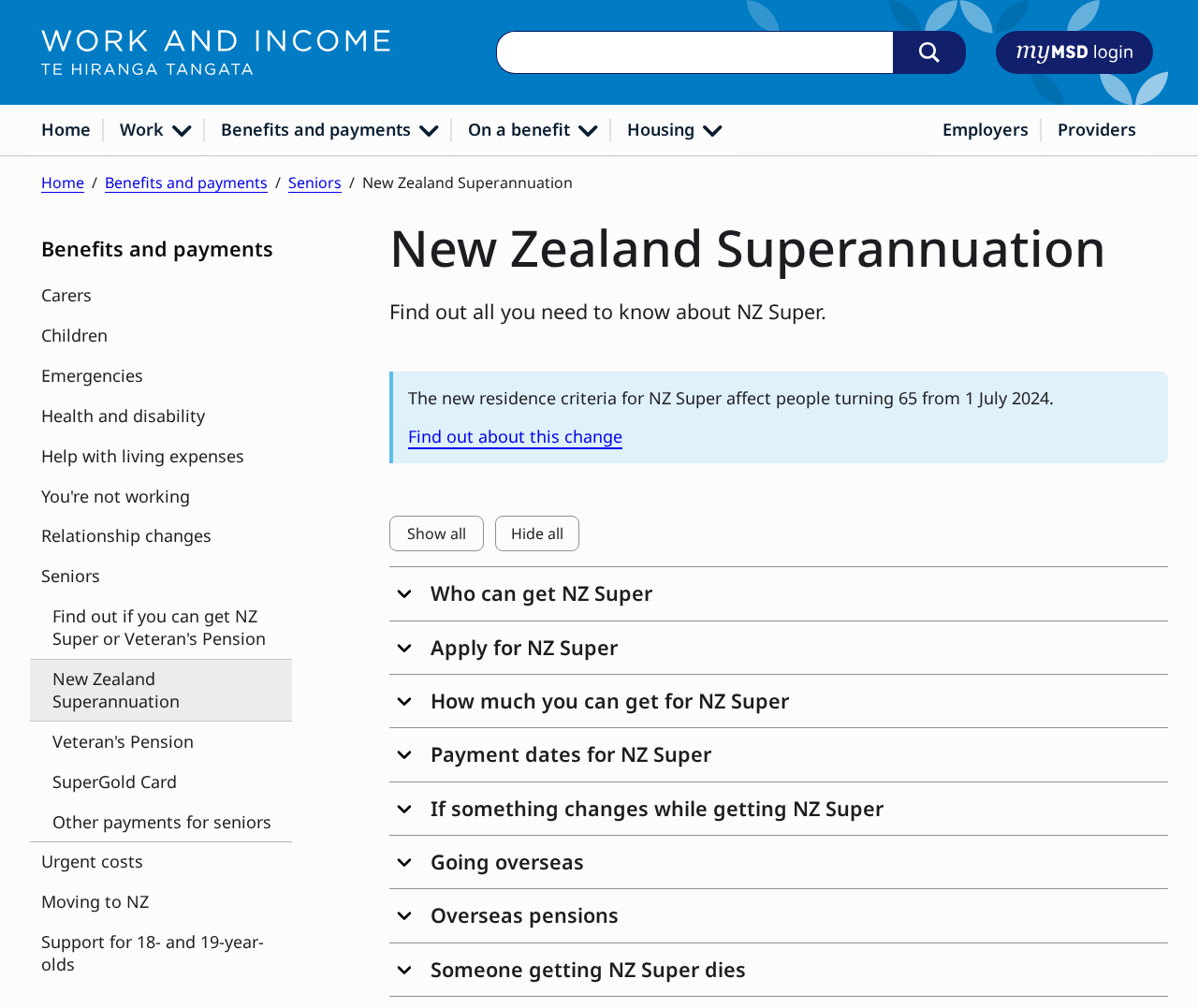
Use Work and Income’s NZ Super guidance for an entitlement, application or payment question. Reach your normal account separately, without going through the trading ad.
It is possible to have a genuine individual payment problem. In September, Work and Income described particular payment suspensions during a review process and said it had contacted affected clients.
That notice is not support for a headline claiming all pensions have disappeared. If your own receipt or payment has changed, give the agency your actual dates.
For tax matters, start from Inland Revenue and your independently reached myIR account. Its scam guidance says it does not include refund amounts in emails and texts.
There are real tax rules concerning dividends from investments. That is not the same as an ad promising a new dividend paid to ordinary readers by the tax agency.
The FMA says Inland Revenue rejected the fake stories about income or dividend payments. A private trading account is not a route to government payments.
Keep the financial and government records separate
If you speak to Work and Income, describe the concern about the public payment and whether it is missing. Ask about the record tied to your actual account.
If you speak to your bank, describe the card payment or transfer you made through the platform. Give it transaction details rather than only the pension headline.
If you already hold a legitimate investment, contact its provider from information you had before the advertisement. Do not let the caller transfer you to a supposed verification desk.
What an actual agency notice looks like in this case
The September notice says the issue arose during reviews of people’s circumstances. It refers to the Winter Energy Payment for some NZ Super and Veteran’s Pension recipients.
That is a specific affected group, an administrative explanation and a route back to the agency. None asks the reader to fund a trading account.
Compare the scope carefully if someone sends an alarming screenshot. Removing words such as “some payments” can turn a genuine service update into a very different claim.
A government announcement and an account notice also serve different jobs. The first explains a policy or incident, while the second tells you how it applies to you.
If you copy the official page to help a relative, share the actual notice location in a new conversation. Do not reply to the original investment advertisement.
What Inland Revenue says about social media contact
Inland Revenue says it does not privately message people on social media to obtain their details. A conversation about a supposed dividend outside myIR is not an account notice.
Its scam guidance also warns that lookalikes can ask for tax or bank data. Check whether your actual account shows a change before relying on somebody’s screenshot of it.
If you use a tax agent, ask them through your normal contact whether they made a change you see. Do not use a number advertised inside the investment story.
A real tax adviser can discuss the tax treatment of dividends. They do not need you to send a deposit to prove that a fake news story was right.
What to Do If You Registered or Paid Through the Advert
-
Stop responding to the person who contacted you and do not send a deposit or withdrawal fee. Use your own agency contact if a public payment worries you.
-
If money moved, contact your bank or payment provider promptly. Ask what it can do with the current transaction and which documents it wants.
-
Record the headline, source feed, time, platform name and payment reference. Keep the advertised balance separate from the amount you actually paid or received.
-
If you shared tax or banking logins, contact the relevant provider through its own website. Explain exactly what you entered and whether you approved a request.
-
If the caller obtained remote access, get trusted technical help and notify affected account providers. Do not use the affected device for sensitive account changes until it has been checked.
-
Report the investment offer to the FMA and the advertisement to the platform that showed it. Preserve evidence without forwarding an active link to another potential target.
Before you pay a second time
A new message may use a different name and still refer to the same balance. Check whether anyone asking for a fee is connected to an earlier conversation.
Do not pay a broker or recovery firm just because it claims to have spoken to an agency. Confirm any official case through that agency yourself.
Ask your payment provider to explain what recovery steps are actually available. No advertisement, regulator listing or case number can guarantee a reversal.
Help a relative compare the source, not the video quality
Ask them what the story promised first: a benefit, a tax payment or an investment. Then find the official agency responsible for that part of the claim.
If they have a real payment concern, deal with it on the agency’s own site first. That makes it easier to leave a broker’s demands out of the decision.
If nobody paid anything, you can still report the deceptive advertisement. Use a redacted capture rather than posting personal records or an active payment link.
Read the FMA Warning Without Treating It as a Broker Directory
Earnfern AI appears in the row added on November 11. The warning’s examples of false headlines sit separately from that table, so don’t combine them into an unsupported claim.
Write down the name as it appeared on your own paperwork. A similar name in a warning warrants caution but may not identify the account that received your transfer.
The warning can still help even if the name used in your ad is different. It sets out the difference between a documented payment and a fictional trading balance.
Do not treat an absent name as a license to pay. The ad, broker name and recipient may change before a regulator can list every example.
If the platform says its regulator listing is obsolete, verify that through the official regulator rather than accepting an image provided by the promoter.
Give investigators the actual spelling you saw, the name on the payment and the approximate date. Those details are more useful than guessing which operation controlled the page.
If the name on the payment differs from the advertised broker, note both. Do not assume that an intermediary appearing on a receipt is the investment operator.
If an advertisement shows a famous person and a broker claims they invested personally, ask what independent document links the endorsement to the firm. Do not pay while you wait.
A real story about the economy can still be copied into an unauthorized promotion. Check whether the article has added a registration link absent from the original version.
Frequently Asked Questions
Did New Zealand cancel pension payments in the ads?
The FMA identifies cancellation headlines as a deceptive hook, not an announcement ending NZ Super. Contact Work and Income directly about a change to your own payments.
Is Inland Revenue offering the advertised dividend?
The regulator says Inland Revenue confirmed those fake-story claims were false. Verify tax messages in myIR rather than through a trading registration page.
Does the FMA list prove which platform used my exact ad?
The list identifies names and contacts the regulator warns about. It does not by itself tie each platform to a particular headline, person or creative.
Why does the offer begin with a small deposit?
The FMA describes a pattern of encouraging an initial payment and later using apparent profits to seek more. An account display does not prove real gains.
Will a fee release the balance on the trading screen?
Do not send a fee to release the balance. Contact your bank about the money you already transferred and keep the platform messages for your report.
What if I only entered my phone number?
Do not continue with an unexpected broker or send identification. Keep the original advertisement and report any follow-up calls that try to obtain money or sensitive information.
The Bottom Line
Do not open a trading account because a fake news story promises an Inland Revenue dividend or claims your pension has ended. Check public payments with the responsible agency.
If you paid through the promotion, stop making transfers and contact your bank now. Use your actual payment records rather than trusting a balance shown in the trading portal.

Join the discussion
0 commentsShare your experience or ask a question about this article.
Community experiences
Did this happen to you?
Your experience could help someone recognize the same scam. Submit a private report for our team to review.
I experienced this tooReports are reviewed before publication. Sharing publicly is always your choice.
Discussion
Start the conversation
Have a question or something useful to share? Add the first comment.