

A voicemail says your AT&T account is about to lose a 50% monthly discount because the billing system has not received a response. To keep the lower rate, you must call back immediately using the number shown on caller ID.
The message sounds like routine customer retention, but the discount does not exist. The callback reaches scammers who may ask for account information and an advance payment through Target, Apple or another gift card. Once the card number is shared, the money is usually gone.
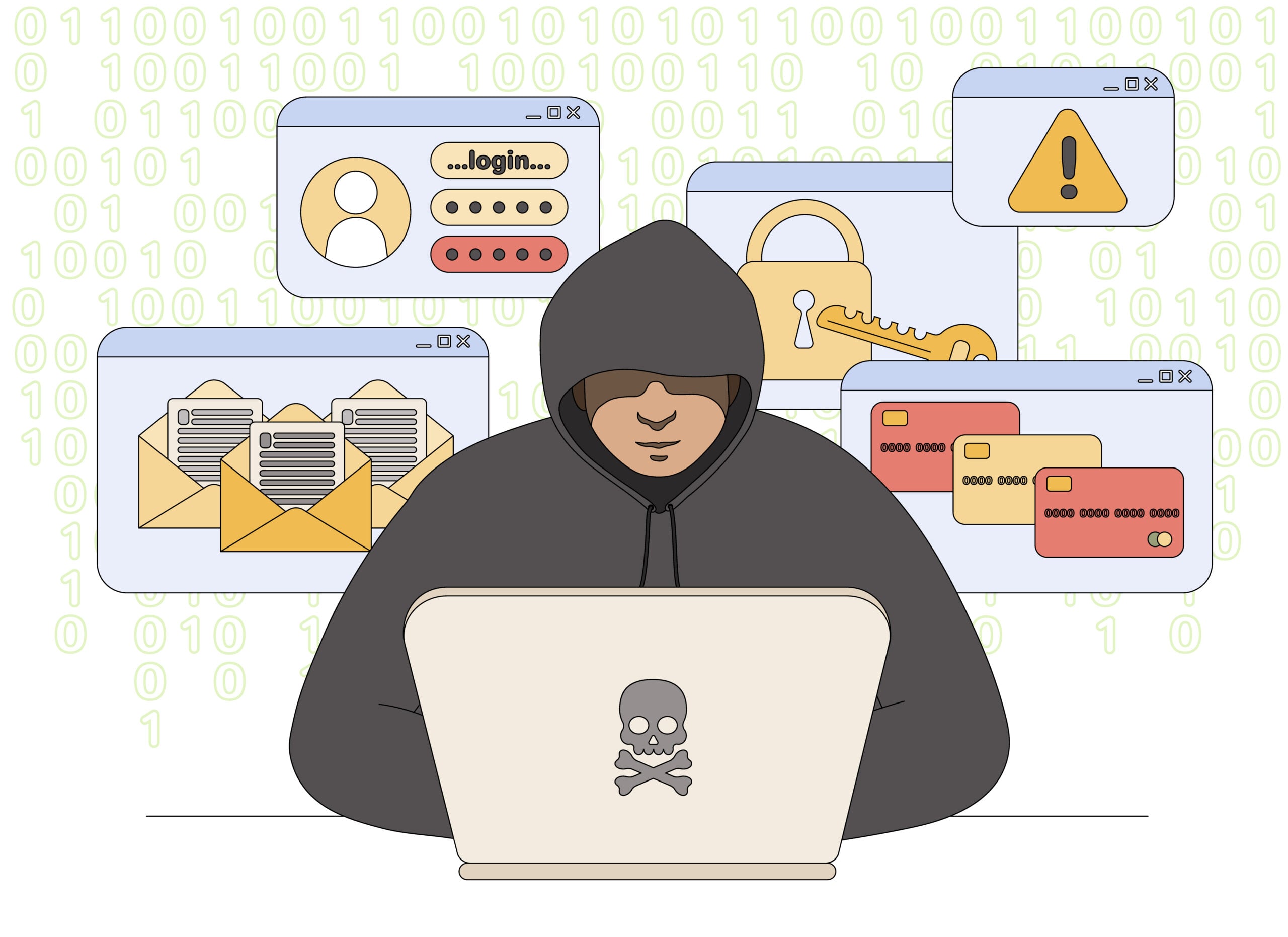
AT&T 50% Discount Scam Overview
The AT&T discount call is a business impersonation scam. Criminals use robocalls, spoofed caller ID and professional call-center scripts to pretend they are protecting an existing promotion or offering a new 40% to 50% reduction on phone, internet or television bills.
The reported voicemail often says the customer must respond before the discount expires. Some versions add free devices or explain that a retail partner is sponsoring the promotion. The condition is always unusual: pay several months in advance with gift cards, prepaid cards, cryptocurrency or a transfer.
AT&T warns that it will not contact customers to request a PIN or sign-in code, ship a phone to an unknown address, or accept a gift card as payment. A caller who makes any of those requests is not completing a legitimate account promotion.
The 50% offer is intentionally dramatic because a normal loyalty discount would not require an unusual payment method. The caller may know your name, carrier or approximate bill amount from leaked or purchased data, then claim that a promotion with a retail partner can cut the bill in half. That small amount of accurate information is used to make the false discount feel account-specific.
The trap appears when the caller requires several months of service to be prepaid with gift cards, often while remaining on the line as the cards are purchased. Gift-card codes work like cash and cannot be applied to a legitimate AT&T account by a random promotion agent. End the call and check offers in the official AT&T app or by dialing a verified number from your bill. A promotion that exists only through the inbound caller is not real.
The caller may even send a text containing the first gift-card brand to buy or remain on the line while you visit a store. That supervision is meant to prevent a cashier, family member or real AT&T representative from interrupting the payment.
Why the Call Feels Real
The scam does not need to know whether you are an AT&T customer. Millions of calls can be sent cheaply, and a large share will reach people who use AT&T, DirecTV or a related service. Correctly guessing the provider feels like account knowledge.
Caller ID can also display AT&T, a local number or a toll-free line. That label is supplied by the phone network and can be forged. The only safe verification is to end the call and contact AT&T through the app, statement or official website.
- The discount appears unexpectedly. You did not request a plan review or promotion.
- The call threatens a higher bill. A supposedly existing 50% rate will disappear today.
- The callback number is controlled by the caller. You are told to use caller ID instead of official support.
- Upfront payment is required. Several months must be paid before the savings begin.
- Gift cards are presented as payment. Real telecom billing does not work through retail gift card codes.
- Codes or credentials are requested. A sign-in code can let the scammer take over the account.
How the AT&T Discount Scam Call Works
Step 1: A robocall announces an expiring discount
The automated message says the customer is about to lose a 50% monthly discount or has qualified for a limited promotion. A familiar company name makes the interruption feel relevant.
The recording asks for a fast callback, preventing the recipient from seeing the offer in their real online account first.
Step 2: Caller ID supplies false credibility
The displayed number may look local, toll-free or connected to AT&T. Scammers can spoof the caller ID label and number without controlling the real company’s phone system.
Some voicemails specifically say to call the number shown on the screen, turning the spoofed display into part of the verification story.
Step 3: A live agent confirms the promotion
The callback reaches an agent who knows the same script and may ask for the name, service address or current bill. Friendly conversation makes the promotion feel like a normal retention offer.
Questions that sound like verification can actually collect enough information to target the account or create more convincing follow-up calls.
Step 4: The offer becomes more valuable
The agent may add a free device, locked rate or multi-year guarantee. The promised savings are made large enough to justify an unusual upfront step.
A fake partnership with Apple, Target or another retailer can be introduced to explain why ordinary AT&T payment methods are not being used.
Step 5: Gift cards are demanded as advance payment
The victim is told to buy gift cards equal to several months of service and call back with the numbers and PINs. The scammer may stay on the phone while the purchase is made.
Gift card codes work like cash. Once redeemed, they do not create a payment on the AT&T account and are difficult to recover.
Step 6: Account codes may be stolen too
The scammer may trigger a real password reset or one-time code and ask the victim to read it aloud. That code can provide access to the genuine AT&T account.
Account access can be used to change contact details, order devices, redirect upgrades or gather billing information for additional fraud.
Step 7: Another payment excuse follows
After the first gift cards are redeemed, the agent may claim that one code failed, tax was not included or a larger payment is needed to activate the rate.
There is no discount waiting. Each new explanation is designed to extract more money before the victim contacts AT&T independently.
How To Verify an AT&T Promotion
- Hang up without pressing buttons. Do not use the callback number supplied by the message.
- Open the official AT&T app or website. Look for the offer and any account alert after signing in normally.
- Call a verified number. Use the contact information on your bill or AT&T.com.
- Check the payment method. A promotion requiring gift cards, crypto or a transfer is fraudulent.
- Protect every sign-in code. Never read a one-time PIN to an unexpected caller.
What To Do If You Paid or Shared Information
End the call and contact AT&T through the official app, website or number printed on your bill. Tell the fraud team exactly what the caller received: account name, PIN, password, one-time code, device information, payment details or gift card numbers. Different disclosures require different actions.
If gift cards were used, call the issuer immediately while some balance may still remain. Keep the physical cards and purchase receipts. Ask for the fraud department, provide the card numbers privately and request that unused funds be frozen. Never send the cards to the caller or pay a second fee for a supposed refund.
If you shared a sign-in code, password or account PIN, assume the AT&T account is compromised. Change the password and PIN, verify the recovery email, remove unknown authorized users and inspect recent orders, SIM or eSIM changes, upgrades, shipping addresses and call-forwarding settings.
If the caller received a Social Security number, bank account or card number, protect those accounts separately. Contact the bank, replace exposed payment credentials and freeze credit when identity information can be used to open new accounts.
- Secure the AT&T account first. Use a clean device and a trusted connection to change credentials.
- Check every device and order. Cancel unauthorized upgrades, lines, shipments or account changes.
- Call the gift card issuer. Act immediately and keep the cards and receipts as evidence.
- Notify the bank. Block unauthorized debits and replace compromised cards or account numbers.
- Freeze credit when necessary. Do this if a Social Security number or full identity profile was disclosed.
- Save the voicemail. Preserve caller ID screenshots, callback numbers, names and payment instructions.
- Report the fraud. Notify AT&T, the FTC, the phone carrier and local law enforcement when money was lost.
- Ignore recovery callers. Nobody can guarantee gift card recovery for another upfront payment.
Frequently Asked Questions
Does AT&T offer real discounts?
Yes, but a legitimate offer can be verified in the official account or through a trusted AT&T contact channel. It will not require retail gift card codes.
Can an AT&T caller ID be fake?
Yes. Caller ID spoofing can display a trusted company name or familiar number. End the call and start a new contact through the official app, bill or website.
Why do scammers want gift cards?
The codes can be redeemed quickly and are difficult to reverse. Gift cards are intended for gifts, not payment of a phone or internet bill.
What if I only shared a one-time code?
Treat it as an account compromise. Change the password and PIN, review account activity and contact AT&T fraud support immediately.
The Bottom Line
A real 50% discount should appear in your genuine account and use normal billing. It should never depend on a hurried callback, gift cards or a sign-in code read aloud.
Hang up and verify separately. That one pause breaks the scammer’s control over the number, the deadline and the payment story.








