

The Bikenda Silicone Reline Denture Set is a new product marketed as an affordable, high-quality dental solution for achieving natural, comfortable dentures. This article provides an in-depth review and analysis of the product to determine if it delivers on its claims or if there are concerns consumers should be aware of before purchasing.
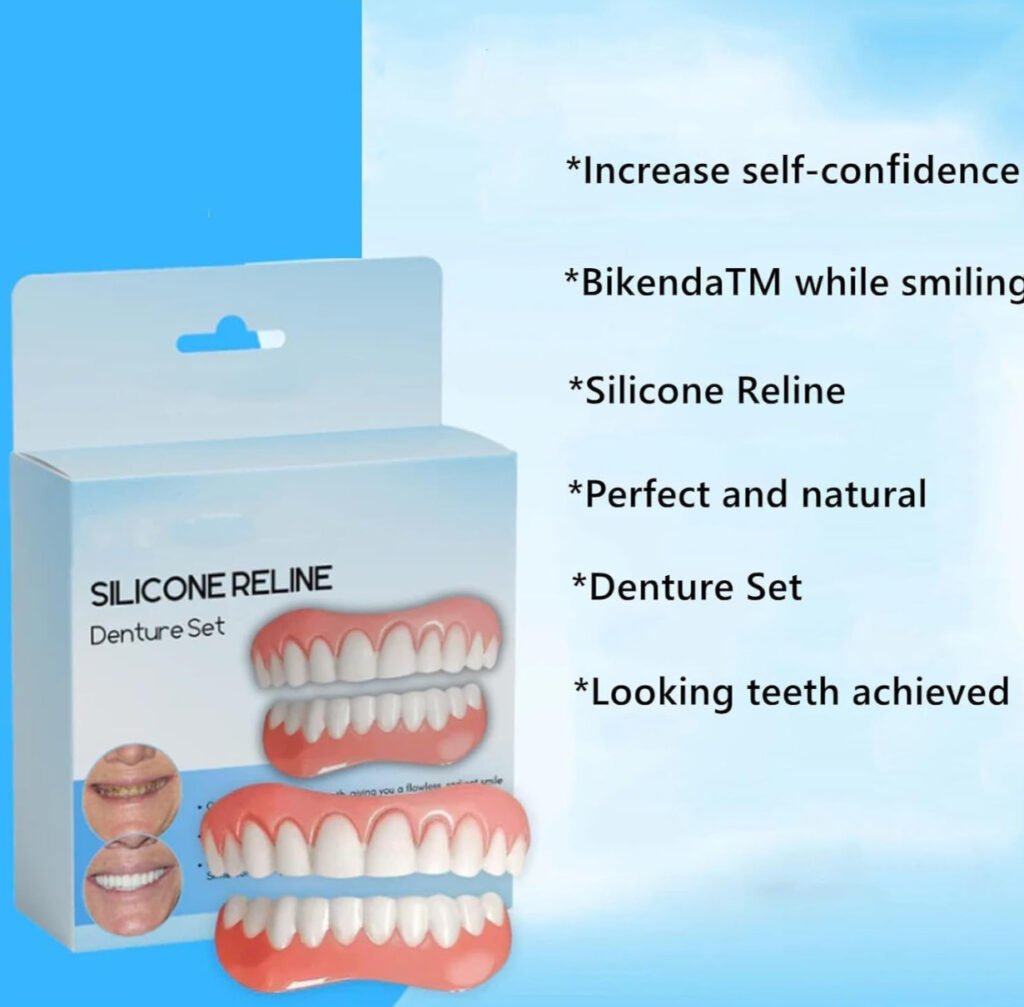
Overview of the Bikenda Silicone Reline Denture Set
The Bikenda Silicone Reline Denture Set consists of a silicone-based material designed to create a custom, snug fit for dentures to relieve soreness from poorly fitted ones. The company claims the product is durable, waterproof, and provides long-lasting stability suitable for everyday use. It is advertised to have a cure soft, natural feel allowing users to speak, eat, and smile with confidence.
The set comes with easy at-home application instructions and offers a 100% satisfaction guarantee. The company emphasizes how the product can provide an “instant perfect smile” and “immediate relief” through a customized fit.
Analysis of Product Claims and Marketing
While the Bikenda Silicone Reline Denture Set makes impressive claims about its benefits, our research identified several areas of concern regarding the validity of these claims, as well as the marketing tactics used to promote the product.
Lack of Endorsement from Dental Professionals
Most notably, the product lacks endorsement or certification from dental professionals for safe and effective use. The company does not provide any evidence that dentists or dental associations have validated the safety or performance of the product. This absence of credible, third-party validation can understandably lead to doubts about the reliability and trustworthiness of the Bikenda Silicone Reline Denture Set.
Exaggerated Product Claims
Many claims made about the product appear exaggerated or too good to be true. Phrases like “instant perfect smile,” “immediate relief,” and “universal compatibility” seem overstated given the nuances of custom dental fittings. Very few dental products can deliver such quick and flawless results for every user. The lack of specifics or clinical evidence supporting these claims makes them seem unrealistic.
Questionable Marketing Tactics
The marketing language encourages an impulse to purchase with phrases like “order now” and “limited time offer.” While special offers and satisfaction guarantees are common promotional strategies, they can also pressure customers to buy before properly evaluating the product.
The money-back guarantee is a positive gesture but may lack substance if the company makes returning the product difficult. Most concerning is that the marketing does not address risks or limitations of the product, which is important for consent and managing expectations.
Affiliate Promotions
Further investigation revealed that most of the positive reviews and hype for this product come from affiliate marketers. Affiliates often overstate or make misleading claims about products to earn commissions from their sales. This affiliate promotion strategy frequently backfires by deteriorating consumer trust.
Assessing the Risks of Buying This Product
Given the lack of dental professional endorsements, exaggerated claims, aggressive marketing tactics, and primarily affiliate-driven promotion, there are several risks consumers take when purchasing the Bikenda Silicone Reline Denture Set:
- The product may be unsafe and cause oral health problems since its materials and application method have not been professionally validated.
- It likely will not provide the instant, universal relief promised, leading to disappointment.
- Returns may be difficult if the customer service is unresponsive.
- It may cost more than higher quality dental options, wasting money.
- The overall purchase experience damages consumer trust in dental products and services.
Expert Recommendation: Avoid Purchasing This Product
Given the multiple issues identified in the claims, marketing, endorsements, and promotions of the Bikenda Silicone Reline Denture Set, the expert recommendation is to avoid purchasing this product. While the concept may sound appealing, the concerns regarding safety, effectiveness, and company integrity indicate high risk to the consumer. Those dissatisfied with their dentures would be better off consulting their dentist for customized options backed by professional expertise and certification. Companies should earn consumer trust through transparent communication and ethical practices.
Conclusion
This investigative review aimed to provide a comprehensive analysis of the Bikenda Silicone Reline Denture Set based on available information from the company and affiliate marketers. Several significant concerns emerged leading to the conclusion that consumers should approach this product with extreme caution. No dental product or service can deliver perfect results instantly, underscoring the importance of research and professional consultations for appropriate solutions. Companies must substantiate claims with data and address limitations. Ultimately quality, safety, and integrity should drive dental innovation – not marketing exaggerations. Hopefully this analysis equips consumers with the knowledge needed to make informed decisions about their oral health investments.
Here is a detailed, SEO optimized FAQ section for the Bikenda Silicone Reline Denture Set scam:
Frequently Asked Questions
1. What is the Bikenda Silicone Reline Denture Set?
The Bikenda Silicone Reline Denture Set is a product marketed as an affordable at-home solution for creating custom-fitted dentures using silicone material. The company claims it provides instant relief and a perfect smile by allowing users to mold the silicone to the shape of their gums.
2. How does the Bikenda Silicone Reline Denture Set work?
According to the company, you use the silicone material in the kit to reline your existing dentures for a more custom, snug fit. The silicone supposedly molds to your gums and then becomes durable after it cures. The company claims this provides comfortable, long-lasting relief.
3. What are the potential risks or downsides to the Bikenda Silicone Reline Denture Set?
Our investigation found several risks including lack of endorsement from dental professionals, exaggerated marketing claims, affiliate promotion concerns, and no evidence that the product is safe or effective for denture wearers. Relining dentures at home carries risks.
4. Does the Bikenda Silicone Reline Denture Set require approval from a dentist?
No, the product does not require any dental professional involvement or approval. This lack of professional oversight is one of the major concerns, as the safety and effectiveness are questionable.
5. How long does the Bikenda Silicone Reline Denture Set last?
The company claims it provides durable, long-lasting relief but does not provide specifics on longevity. Silicone can deteriorate over time, requiring reapplication. Durability claims appear exaggerated.
6. Is the Bikenda Silicone Reline Denture Set FDA approved?
There is no indication that the FDA has approved this product. The lack of FDA approval raises concerns about unsafe materials being used.
7. Does the company offer a money-back guarantee?
Yes, they claim to offer a money-back guarantee. However, many customers report difficulty getting refunds approved. The guarantee may be mainly for marketing purposes.
8. Are the before and after photos real results from this product?
The dramatic before and after photos used in marketing are unlikely to be from actual customers. More likely stock photos or retouched images to exaggerate the results.
9. Is the Bikenda Silicone Reline Denture Set recommend by dentists?
No, there are no recommendations from dental professionals or associations endorsing the product. Verify medical claims with licensed healthcare providers.
10. What is the expert recommendation for the Bikenda Silicone Reline Denture Set?
The expert recommendation is to avoid purchasing this product based on the identified concerns, exaggerated claims, and lack of professional dental oversight or endorsements. Consult a licensed dentist instead.
This article is for educational purposes only and does not constitute professional, financial or legal advice. The content is intended for general information and should not be construed as definitive guidance. Information contained herein is subject to change without notice.  For concerns, please contact us via the provided form.
If you are the owner of the website or product in question and wish to offer clarifications regarding your business or website, please reach out to us through the provided Contact Form.

Join the discussion
0 commentsShare your experience or ask a question about this article.
Discussion
Start the conversation
Have a question or something useful to share? Add the first comment.