

Dr. Sanjay Gupta appears to be explaining a red vitamin recipe for diabetes. The clip suggests a missing answer is finally being discussed in public.
For someone tired of managing readings, appointments, and medication, that is a compelling opening. Before waiting for the recipe, take a closer look at the invitation.
Overview
The medical authority comes from an invented endorsement
The Dr. Sanjay Gupta diabetes cure scam uses his recognizable medical-news identity to promote a supposed breakthrough. The commercial recommendation attributed to him is fabricated.
Documented versions connect a Japanese or Okinawan red vitamin story with Glycopezil drops and fake CNN material. Other promotions attach Gupta to Sugar Clean Drops.
These are not reliable sources for his treatment advice. The same familiar person can be placed in several unrelated sales narratives without participating in any of them.
A recipe promise conceals a supplement decision
The advertised discovery sounds like something viewers will learn to prepare. Eventually, the solution becomes a bottle that must be ordered.
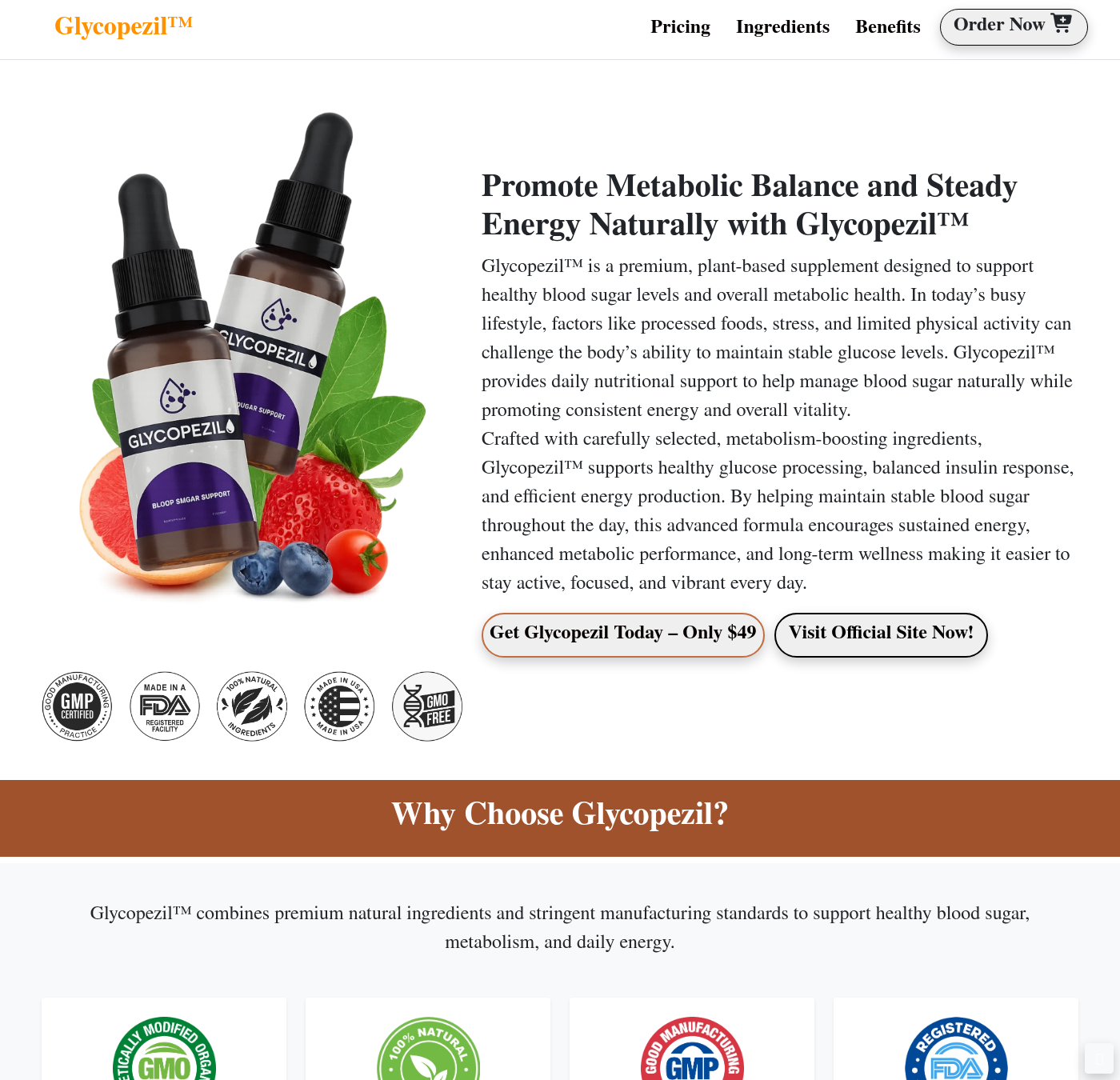
The captured Glycopezil promotional page illustrates that distinction. It offers metabolic-support drops and a purchase route, not a verified Gupta interview or a clinical recipe.
A separate page using the product name does not establish one common seller behind every advertisement. Its existence also does not validate the campaign’s university or cure claims.
- A news doctor’s likeness does not authenticate a commercial video.
- A red vitamin nickname does not identify a medically established treatment.
- A supposed university connection needs an original institutional source.
- General metabolic support is not the same claim as reversing diabetes.
- A replacement product name does not repair the invented recommendation.
The safe decision is to reject the cure pitch
Do not buy a diabetes remedy because a video says Gupta revealed this secret. Keep prescribed care separate from a presentation designed to sell drops.
If an order has already been placed, preserve both the cure claim and the payment records. The advertisement and the transaction answer different questions.
The Problem With Borrowing a Real Doctor’s Voice
A familiar physician explaining health news can feel more reassuring than an anonymous seller. The viewer may reasonably expect context, limitations, and scrutiny of a surprising claim.
The campaign borrows that expectation without delivering the underlying journalism. It makes the audience feel they are hearing an explanation rather than encountering a sales message.
Authentic footage can be repurposed around false words. A convincing likeness therefore cannot settle whether the doctor discussed the formula, recommended it, or approved the advertisement.
Even a genuine discussion about nutrition would need context. It would not automatically endorse a dropper bottle placed beside the recording by another publisher.
That distinction protects the reader and the impersonated doctor. The warning belongs to the fabricated commercial recommendation, not to the person’s legitimate professional work.
The same rule applies to the other people shown. A cluster of doctors, entertainers, or researchers does not create independent corroboration when the presentation supplies all their supposed statements.
Instead of counting recognizable faces, identify the original claim. Who published it, what exactly was tested, and where is the evidence for the finished product?
An advertisement that cannot answer those questions should not influence a decision about diabetes treatment, however polished the recording appears.
How the Dr. Sanjay Gupta Diabetes Cure Scam Works
Step 1: Frustration with daily management creates an opening
The pitch addresses people who already understand the effort involved in managing diabetes. A short routine promises relief from something that normally requires sustained attention.
The red vitamin or Japanese recipe description makes the answer sound discoverable rather than expensive. A viewer may stay because they expect practical information.
It can also suggest that geography explains the secret. An Okinawan or Japanese setting sounds distinctive, but a place name is not a clinical finding.
Pay attention to whether the promised instructions become more specific. If the presentation keeps postponing the ingredient and preparation, it is not delivering the information that attracted you.
Step 2: A counterfeit news setting supplies borrowed credibility
A documented Glycopezil version imitates CNN and places Gupta within a manufactured medical narrative. Television-style presentation makes the story appear to come from an independent newsroom.
The viewer may recognize the doctor’s face before noticing the page address. That reaction is precisely why the copied setting is useful to the advertiser.
Check the actual publisher through established news channels. A familiar logo inside an unrelated webpage is not confirmation that the newsroom produced its contents.
A search result repeating the headline is not enough either. Promotional pages can duplicate the same story while directing readers toward the same commercial goal.
Step 3: A university name makes the recipe sound scientific
The red vitamin campaign invokes MIT and several purported medical authorities. These references create the impression that recognized research institutions stand behind the drops.
A university connection should be traceable to the institution’s own publication, named researchers, and a relevant study. A logo or narrated assertion cannot supply that chain.
Likewise, a paper about an ingredient is not automatically research on the finished mixture. The participants, dose, comparison group, and measured outcomes have to fit the claim.
Do not let a long list of scientific terms overwhelm that simple test. The advertised product needs evidence, not merely words associated with real science.
Step 4: A hidden-cause story promises unusually rapid reversal
One recorded version describes a diabetes-related parasite and presents the recipe as an answer. That dramatic explanation encourages viewers to reinterpret an ongoing condition as a concealed simple problem.
The advertisement has not assessed the person watching. A prepared video cannot determine the cause of an individual’s readings or decide which treatment is appropriate.
Promises of rapid reversal should therefore prompt better evidence, not faster payment. The stronger the outcome claimed, the more meaningful the supporting research needs to be.
Statements that pharmaceutical interests want the discovery suppressed can make ordinary skepticism seem suspicious. That narrative does not replace missing evidence about the advertised formula.
Do not abandon monitoring or prescribed medicine to see whether the story is true. Discuss any proposed treatment change with the professional managing your care.
Step 5: The missing recipe becomes a proprietary bottle
The video eventually directs attention toward drops or another supplement. The viewer is asked to accept the commercial product as the practical form of the discovery.
That is the critical handoff. Interest in a household preparation is being converted into a transaction whose formulation and terms require their own examination.
Glycopezil and Sugar Clean Drops appear in documented promotions. Their different labels are not interchangeable evidence, and neither name authenticates a Gupta endorsement.
Check what the actual page claims. A product described as supporting metabolic wellness should not silently inherit the video’s much stronger promise of curing diabetes.
Also obtain the full ingredient amounts. A marketing nickname such as red vitamin cannot help a pharmacist evaluate interactions or overlapping supplements.
Step 6: Bundles, extras, and future charges become transaction questions
The payment decision may involve several bottles, a discount option, shipping, or an additional offer. The full authorization matters more than the smallest price printed beside a bottle.
Some promotions in this category have been reported to involve recurring charges. That pattern does not establish the terms of every current site using one of these names.
No completed payment authorization was tested here. Use your own selection, confirmation, and accepted terms to establish the amount and any ongoing arrangement.
If the brand changes along the way, stop and resolve the mismatch. You should not have to infer which product will arrive or which merchant will charge you.
Save the terms before they change. A later landing page cannot reliably reconstruct the purchase agreement that accompanied your order.
What Would Count as Evidence for a Diabetes Treatment?
A useful study must match the question. Research on a plant, an isolated compound, or laboratory cells cannot automatically demonstrate that a branded oral mixture reverses diabetes.
Look for the finished formulation, actual amount taken, relevant participants, and measured outcomes. Also ask whether other treatments changed during the study.
A testimonial about feeling more energetic does not establish sustained glucose control. Nor does a single favorable reading explain why a change occurred.
People naturally pay attention to improvement after starting something new. Without an appropriate comparison, unrelated changes can be attributed to the product.
Federal health guidance cautions against replacing established diabetes treatment with unproven supplements. Interactions and delayed effective care can matter even when a product is described as natural.
FDA registration language is another common distraction. Dietary supplements do not receive prescription-drug-style premarket approval for effectiveness, so a facility badge cannot validate a diabetes cure.
None of this requires dismissing nutrition. It requires keeping everyday dietary choices, a tested medical treatment, and an advertised miracle formula in their proper categories.
Ask your care team about your own goals and readings. An individualized discussion is more useful than trying to imitate a result shown in an unverifiable video.
How to Help a Relative Who Believes the Video
Begin with the part that felt convincing. Was it Gupta’s face, the university claim, the apparently simple preparation, or the hope of fewer medicines?
That question is more productive than telling someone they should have recognized a fake. The presentation was built to exploit trust and a genuine health concern.
Offer to find the original interview together. Keep the focus on a precise recommendation rather than turning the conversation into a general argument about technology.
If they already ordered, help collect the documents while the details are fresh. Financial recovery should not wait until everyone agrees about every aspect of the advertisement.
Encourage a prompt discussion with their clinician if medication or monitoring has changed. Explain the change honestly, including what the video suggested.
Do not publish their medical records or order confirmation to prove the point online. Useful evidence can be shared privately with the appropriate provider or complaint service.
What to Do After Responding to a Gupta Diabetes Cure Ad
-
Continue your established care unless your treating professional directs otherwise. Contact them promptly if the advertisement caused you to stop medicine or alter monitoring.
Bring the actual bottle label and explain the promised outcome. A clinician needs the formulation and your situation, not only the advertised recipe name.
-
Preserve the commercial claim, complete destination, and any order confirmation. Keep the fake interview separate from ordinary product descriptions so the deception remains clear.
If you only watched and did not submit information or install anything, there may be no account or payment exposure to resolve.
-
Send the merchant a specific written request covering the unwanted order. Ask how the applicable guarantee works and when its deadline starts.
Before returning a parcel, obtain the correct authorization and destination. Retain proof of delivery and any conditions the seller instructed you to meet.
-
Examine whether you accepted future deliveries, a membership, or another continuing charge. Ask to terminate any arrangement you do not want.
Keep the cancellation confirmation and check later statements. A request to remove your email from advertising does not settle billing.
-
Escalate an unresolved charge or misleading sale to the payment provider. Explain the invented medical endorsement, selected package, and response from the merchant.
Ask for the evidence and time limits relevant to your payment method. Describe authorized and unauthorized transactions accurately rather than treating them as interchangeable.
-
If a risky link prompted software installation, run a Malwarebytes check. AdGuard can help limit exposure to intrusive advertising that carries similar promotions.
Secure any account whose credentials you disclosed. These actions address digital exposure; they do not validate a supplement or replace a refund request.
-
Report the false medical promotion to the platform that distributed it. Include the exact destination and the claim falsely attributed to Gupta.
Ignore paid recovery agents approaching afterward. A stranger promising effortless reimbursement can create another loss while you are dealing with the original purchase.
Frequently Asked Questions
Did Dr. Sanjay Gupta introduce the advertised red vitamin cure?
The recorded sales campaign invents his commercial recommendation. It is not an authenticated explanation of a treatment he developed or endorsed.
Did MIT create the drops because the advertisement says so?
The campaign’s institutional claim is not a genuine development record. Look for an original university source tied to the exact product and research.
Are Sugar Clean Drops and Glycopezil the same investigation?
They are separate product names appearing in related deceptive promotions. This story addresses the false Gupta endorsement; each formula and transaction needs separate product checks.
Can a normal-looking supplement page make the fake interview legitimate?
No. A working retail page may show that a product is offered, but it cannot authenticate someone else’s participation in the advertisement.
Should I stop prescribed treatment while trying the drops?
Do not make that change because of a sales video. Discuss treatment decisions, supplement interactions, and monitoring with the professional responsible for your care.
What if the next advertisement uses another supplement name?
Check the recommendation again rather than starting from trust. A renamed bottle cannot turn an invented medical-news appearance into authentic advice.
The Bottom Line
Do not buy a diabetes cure on the strength of the fabricated Dr. Sanjay Gupta red vitamin story. The borrowed medical authority is the trap.
If you already acted, protect your treatment first, document the purchase, and pursue the merchant and payment-provider remedies that apply to your actual order.

Join the discussion
0 commentsShare your experience or ask a question about this article.
Community experiences
Did this happen to you?
Your experience could help someone recognize the same scam. Submit a private report for our team to review.
I experienced this tooReports are reviewed before publication. Sharing publicly is always your choice.
Discussion
Start the conversation
Have a question or something useful to share? Add the first comment.