

A little plug promises to make your next tank last much longer. If you’re tired of watching the pump total climb, that’s an appealing offer.
Eco Fuel Saver wraps that promise around a story about a mistake hiding inside your car. Before reaching under the dashboard, look closer.

Overview
A fuel-saving chip with a very large promise
Eco Fuel Saver is promoted as a plug-in device that supposedly corrects wasted fuel in cars made after 1996. The advertising promises substantial savings without mechanical work.
One live promotional page says consumption can fall by 30%. Its browser title raises the figure to 35%, without explaining the difference.
That’s not a small efficiency improvement. A claim this large needs controlled testing on identified vehicles, with the actual device and meaningful results.
The presentation supplies a memorable explanation instead: your car contains an old mistake, and a simple chip can fix it.
The terms lead somewhere the sales story doesn’t
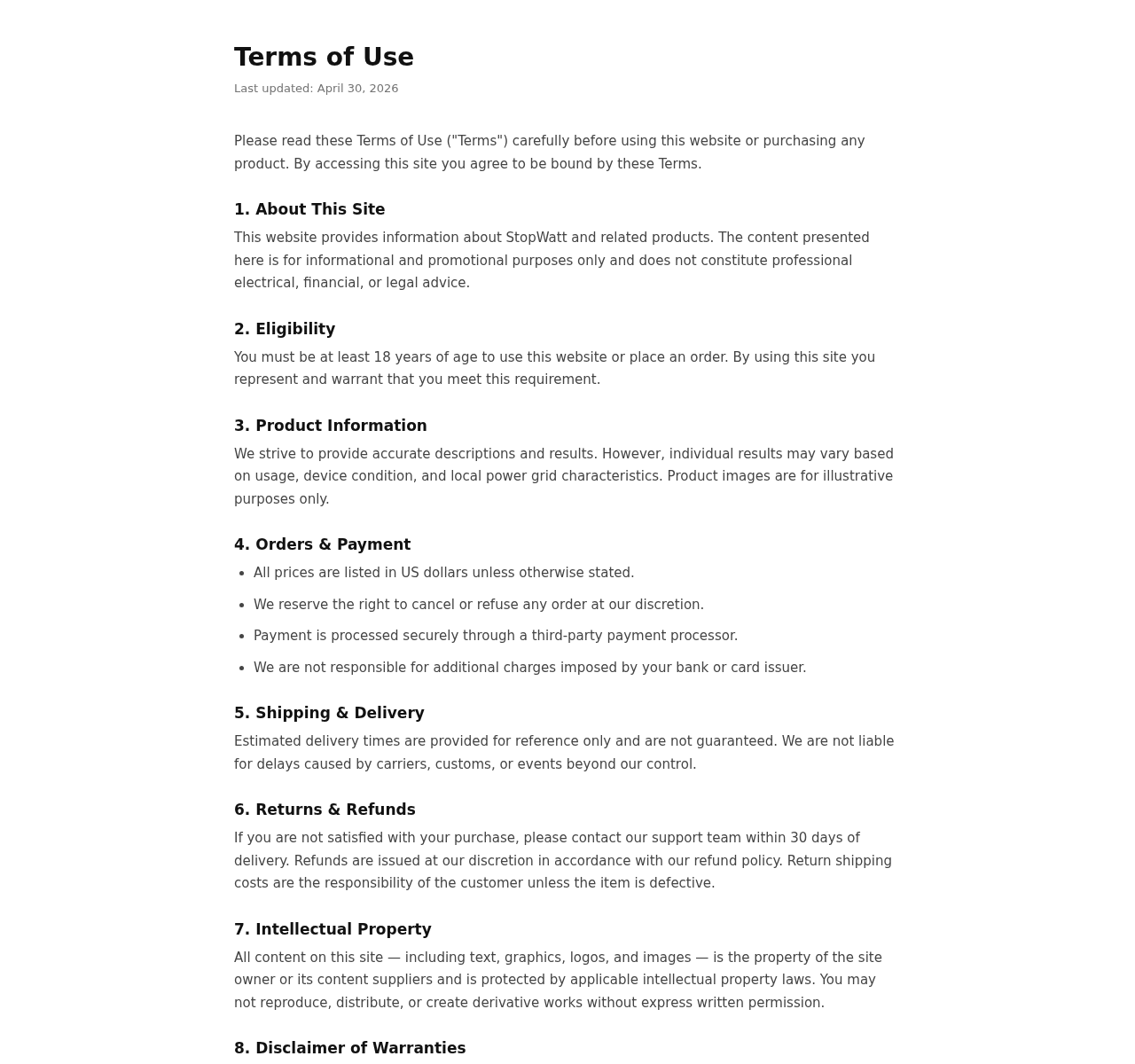
The page’s legal link opens terms for StopWatt, an electrical product. Those terms discuss local power grids rather than vehicle engines.
A driver shopping for a fuel chip should not have to guess whether an unrelated electricity-saving policy governs the purchase.
The mismatch matters before any argument about the electronics. It leaves the basic contract, support route and applicable return promise unclear.
- The advertised saving is not accompanied by a product-specific test report on the promotional page.
- A social-style comment area presents mileage success stories, not controlled comparisons.
- The purchase link passes through another domain, making the final merchant important.
- The visible terms do not establish an Eco Fuel subscription, dispatch country or authorized return destination.
The buying decision
Do not buy Eco Fuel Saver through this pitch. Unsupported performance claims and terms naming a different product are enough to reject the offer.
That recommendation doesn’t require pretending every chip has been dismantled or every order includes hidden fees. Neither happened in this investigation.
The warning concerns this advertised fuel-saving device, not unrelated businesses using “Eco Fuel” for fuel supplies, industrial services or other legitimate work.
What an OBD Plug Can and Cannot Establish
An OBD connector gives compatible equipment access to vehicle diagnostic information. A connector’s familiar shape does not establish what the attached electronics actually do.
A useful scan tool can read faults. Some specialized equipment can communicate with control modules. Neither fact validates a universal fuel-saving accessory.
Actual calibration changes depend on the vehicle, software and operating conditions. They can also affect emissions compliance, reliability and warranty questions.
A green casing, flashing light or claim that a device is “learning” your driving doesn’t demonstrate a successful engine adjustment.
Ask which parameters change, on which engines, and under what test conditions. A seller promising the same large benefit across unrelated cars needs unusually strong evidence.
The EPA’s aftermarket-device program publishes technical evaluations. It also explains that participation does not amount to EPA endorsement or approval.
That is the right direction for checking a performance claim: an identifiable report, an identifiable product and results you can examine.
How the Eco Fuel Saver Sales Funnel Works
Step 1: Start with a bill drivers already resent
The pitch begins with fuel prices and family budgets. That makes the product feel like relief from an immediate problem rather than another accessory.
The recorded promotion also connects the expense to world events and oil-company profits. Real financial frustration supplies the emotional starting point.
But fuel-price explanations and device effectiveness are different questions. Even a completely accurate account of rising prices would not prove the chip saves fuel.
Step 2: Give the expense a hidden mechanical cause
The story shifts from expensive gasoline to supposedly programmed waste. It suggests a long-standing design mistake has been costing drivers money.
The post-1996 reference sounds technical and includes a large audience of vehicle owners. It doesn’t identify a particular defect or repair procedure.
No manufacturer service bulletin or model-specific engineering explanation accompanies the headline. Drivers are asked to accept a sweeping claim about decades of cars.
This is where the sales argument needs evidence most. Naming a problem is easy; demonstrating that it exists across those vehicles is much harder.
Step 3: Make the plug look like the missing fix
The device appears to offer a shortcut: connect it below the dashboard and let it correct what the manufacturer supposedly left wrong.
That simplicity is central to the appeal. You don’t need a repair appointment, a different car or a change in driving habits.
In the recorded pitch, a 300-mile tank supposedly becomes a 390-mile tank. That example deserves its own arithmetic check.
Traveling 30% farther on the same fuel corresponds to roughly 23% less fuel per mile, not a 30% reduction in consumption.
This discrepancy doesn’t independently test the product. It does show why attractive percentages should not be accepted without a consistent definition.
For comparison, using 30% less fuel per mile would take that same hypothetical tank about 429 miles, assuming everything else stayed equal.
Ask whether a claimed saving refers to fuel volume, cost per trip or distance per tank. Switching between those measures can exaggerate the impression of improvement.
Step 4: Replace measurement with familiar-looking reactions
The promotional page displays comments, reactions and stories about improved mileage. These details resemble the reassurance people seek before buying something unfamiliar.
However, the comments sit within the seller’s presentation. Their appearance doesn’t establish verified purchases, independent moderation or representative outcomes.
A claimed jump from 35 mpg to 47 mpg is particularly striking. Without comparable routes, fuel records and installation details, it cannot establish causation.
A change in traffic, weather, tire pressure or driving speed could alter mileage. A useful evaluation must account for those factors rather than credit everything to the plug.
Step 5: Move the shopper toward a separate purchase destination
The buy link travels through a different domain. Redirects are common in affiliate advertising, but they mean the first page may not be the actual seller.
At that handoff, the shopper needs to stop following the story and start checking the transaction: product name, selected quantity, total and billing terms.
The destination available during checking did not provide a usable final order summary. No payment information was entered.
Consequently, an exact current selling price, automatic membership and post-payment bundle change cannot be asserted here. Claims about those details need the actual order record.
Step 6: Let the refund promise carry the remaining doubt
A guarantee can make a questionable accessory feel inexpensive to try. The catch is that a refund depends on the applicable merchant’s written conditions.
Here, the linked terms name StopWatt rather than Eco Fuel. They mention contacting support within 30 days of delivery and customer-paid returns in ordinary circumstances.
That is not a clean, product-specific promise to a fuel-chip buyer. Don’t assume an appealing button or general guarantee resolves the contradiction.
Seller, Support and Return Checks
The footer name needs to match the party taking payment
The promotional footer lists Genesis E-com Group LLC. A name on an advertising page is not enough to identify the merchant on a separate checkout.
Compare it with the receipt and card descriptor. If another business appears, keep both records and ask which entity accepted the order.
Don’t direct complaints at a company found through a similar product name. The transaction trail is more useful than whichever search result looks most official.
The listed address is not a return authorization
The footer gives 30 N Gould St Ste R, Sheridan, Wyoming. The page does not establish that this is an Eco Fuel factory or returns warehouse.
Mailing an accessory there without authorization could create another dispute about whether the merchant received a valid return.
Get the destination and required reference number in writing first. A domestic contact address does not establish where an individual package shipped from.
Support must answer the fuel-chip question
The legal page points shoppers toward contact information on an “official website” without resolving which product’s support applies.
No support call or message was made for this article. There is therefore no basis to claim a phone is disconnected or every email goes unanswered.
The actionable problem is already visible: the advertising doesn’t provide a straightforward, consistent path from fuel-chip promise to fuel-chip return policy.
The supply chain is still unidentified
No verified factory, country-of-origin label or teardown of the exact unit was available. A generic-looking shell alone cannot establish Chinese manufacture.
What matters for this purchase is missing product accountability. The page doesn’t provide the engineering documentation needed to substantiate its unusually broad claim.
Cheap hardware can be sold honestly. Expensive hardware can be misleadingly advertised. Price or country is not a substitute for checking performance evidence.
Why a Quick Mileage Test Can Mislead You
It’s tempting to install the plug, take one drive and watch the dashboard average. That isn’t a reliable way to isolate a device’s effect.
Some trip displays reset after refueling or a manual reset. A short highway journey can look dramatically better than the previous week’s stop-and-go driving.
Even fuel-pump shutoff differences can change a single tank calculation. The result can look impressive without any change in the car’s efficiency.
For ordinary mileage tracking, record distance and fuel added across several comparable fills. Note unusual traffic, towing, weather or maintenance.
This is a way to understand your existing expenses, not a recommendation to buy an unsubstantiated device for an experiment.
If consumption suddenly worsens, use the owner’s maintenance guidance and a qualified mechanic. A warning light deserves diagnosis rather than a plug promising to hide the problem.
Keep expectations proportional. A seller claiming a major universal improvement should supply the convincing test before taking your money.
What to Do If You Ordered Eco Fuel Saver
-
Capture the purchase trail. Save the ad, final checkout, receipt and payment descriptor. Include the promised quantity, total and advertised mileage claim.
If the offer changes later, these records connect your complaint to what you actually agreed to buy.
-
Request cancellation promptly. Contact the merchant shown on your receipt and ask whether shipment can be stopped. Request a written response, not another promotional explanation.
If it has shipped, ask for the exact return process and deadline applicable to your order.
-
Do not ship to a guessed address. Obtain written authorization, required packaging instructions and a traceable destination before paying return postage.
Keep photographs of the package and proof of dispatch if you proceed with an authorized return.
-
Check the whole charge. Compare the statement with the final order total. Ask about any extra units, protection plans or separate membership entries.
Unexpected billing should be documented specifically. It should not be assumed merely because other online accessory offers use subscriptions.
-
Escalate an unresolved payment dispute. Ask your card issuer or payment provider which remedy fits non-delivery, an incorrect amount or goods misrepresented in advertising.
Supply the evidence and observe its deadlines. A dispute outcome is not guaranteed, so don’t wait indefinitely for the seller.
-
Deal with vehicle concerns safely. If an installed accessory coincides with warnings or unusual behavior, stop using it and seek model-appropriate advice.
Don’t experiment while driving, disconnect essential equipment or pay another stranger who promises guaranteed recovery of your purchase money.
Frequently Asked Questions
Does Eco Fuel Saver really reduce fuel use by 30%?
The promotional page does not supply a controlled, product-specific test establishing that result. Its headline and mileage example also use inconsistent calculations.
Don’t spend money on the assumption that the advertised percentage is a measured benefit for your car.
Is an OBD connector proof that the device changes engine settings?
No. The connector allows suitable equipment to interface with a vehicle. It doesn’t show which functions a particular accessory implements.
A technical specification and independent measurements matter more than lights, casing color or a claim that the chip needs time to learn.
Why do the Eco Fuel terms mention StopWatt?
The linked document identifies StopWatt and discusses electrical conditions. The page doesn’t explain why those terms accompany a vehicle fuel-saving pitch.
Buyers shouldn’t have to resolve that mismatch after paying. It is a material reason to reject this offer.
Will an Eco Fuel purchase definitely create monthly charges?
That was not established for this order flow. A separate final checkout, receipt or billing record is needed to identify any recurring agreement.
Inspect yours for an interval, fee and cancellation route. Challenge an unrecognized charge based on its details rather than a general rumor.
Is the device confirmed to ship from China?
No verified shipment or origin label was inspected. Similar-looking products and a mailing address don’t establish the origin of this exact accessory.
The purchase warning rests on its documented advertising and policy problems, not an unsupported manufacturing allegation.
Should I install software to investigate the chip?
Don’t download unfamiliar diagnostic tools from an advertiser. A mechanic or established vehicle-tool provider can explain appropriate equipment for your model.
Merely seeing this ad doesn’t mean your phone or computer is infected, so a malware scan isn’t the main remedy for this purchase.
The Bottom Line
Do not buy Eco Fuel Saver on this sales pitch. The mileage promise lacks convincing supporting tests, and its legal link describes a different product.
If you’ve paid, preserve the order evidence, seek written cancellation or return instructions, and involve your payment provider if the merchant doesn’t resolve the problem.

Join the discussion
0 commentsShare your experience or ask a question about this article.
Discussion
Start the conversation
Have a question or something useful to share? Add the first comment.