


You clip a Smart Coupon, choose the matching item, and expect the advertised price. At the register, the savings disappear into a higher total.
For shoppers planning essentials around small discounts, that difference matters. The Family Dollar pricing case examines what happens between the advertised offer and the receipt.
Overview
The case concerns real stores and advertised prices
The FTC and 17 states filed a pricing case against Family Dollar Stores, LLC, on November 12, 2026. It concerns the retailer’s own sales practices.
This is not an investigation of a stranger impersonating Family Dollar through a fake coupon link. The allegations address shelf labels, circulars, websites, and app promotions.
Digital coupons are part of a broader checkout problem
The complaint describes Smart Coupons that customers reportedly could not load, attach, or redeem. It also alleges register prices changed before matching shelf labels were updated.
Those problems are related, but they are not identical. A failed coupon and an outdated shelf label can produce different evidence even when both increase checkout costs.
The proposed settlement is not an open refund application
The FTC case page lists the matter as pending. The filed order is proposed, and Family Dollar neither admits nor denies the complaint’s allegations.
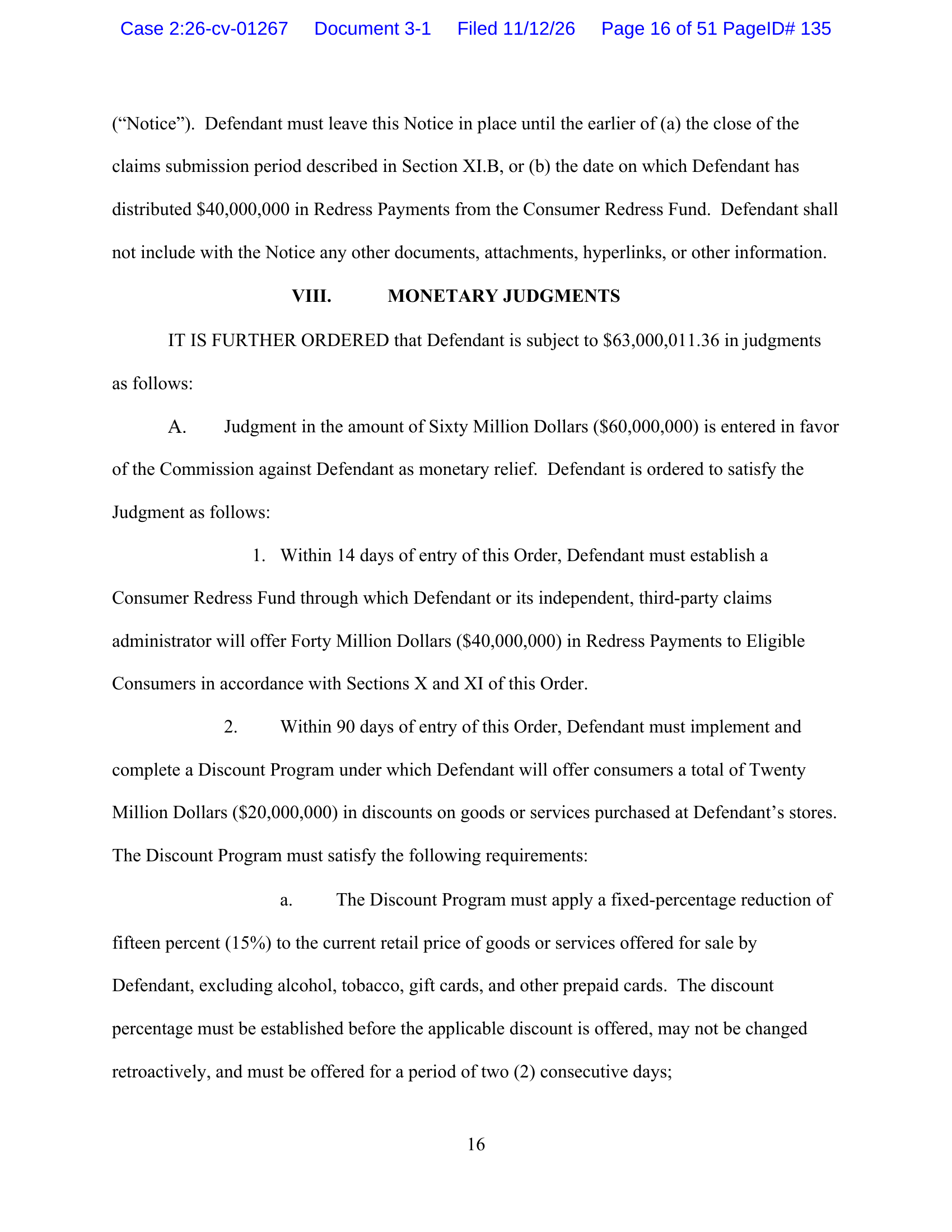
- The proposed consumer redress fund would provide $40 million.
- A separate discount program would provide another $20 million.
- State payments account for the remaining $3,000,011.36.
- The filings do not supply an active claims website or individual award.
What the Family Dollar Complaint Actually Describes
A shopper may encounter several prices before paying: the shelf tag, a circular offer, an app listing, and a coupon-adjusted amount. Their conditions must be compared carefully.
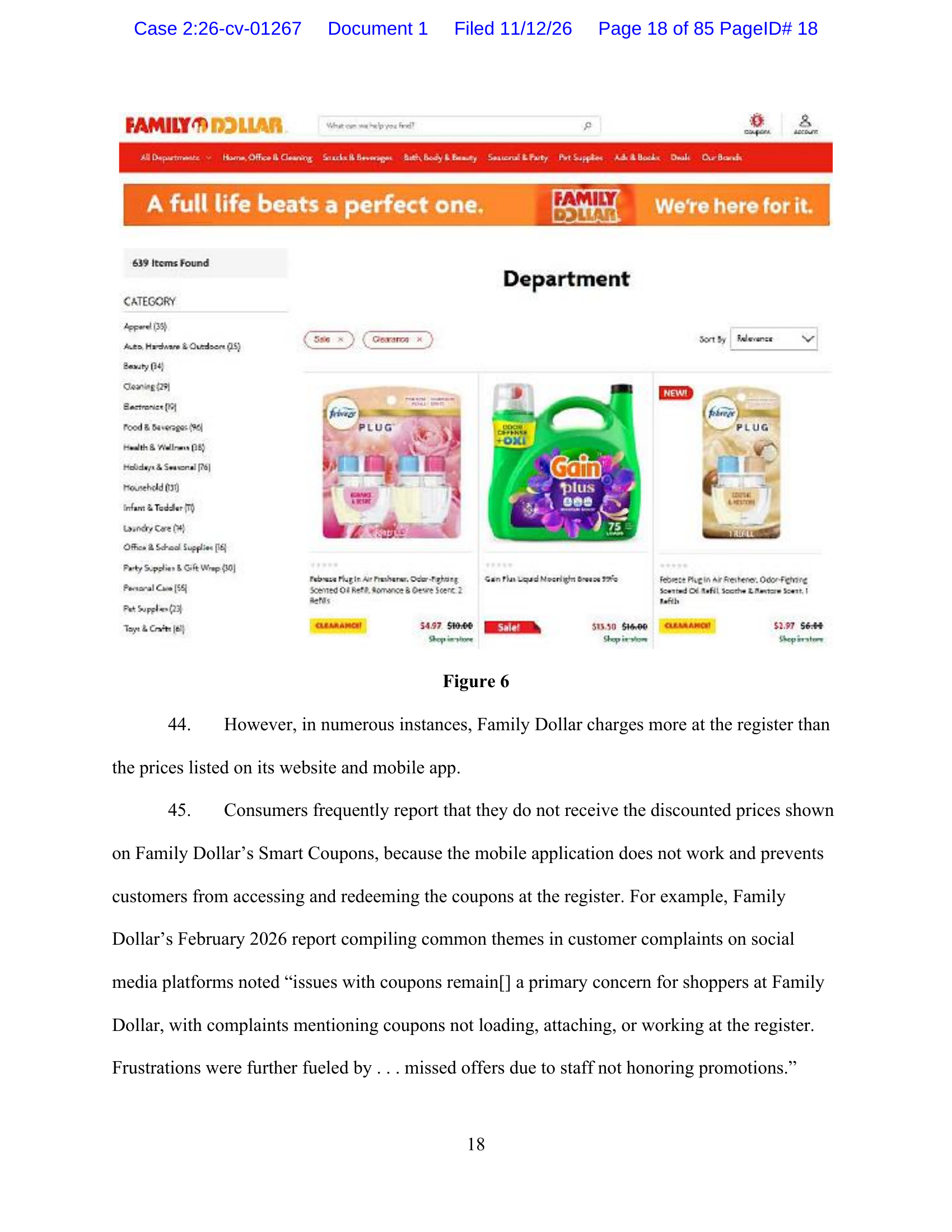
The official complaint alleges that Family Dollar repeatedly charged more than advertised across these surfaces. Its evidence includes regulatory inspections, company records, complaints, and undercover purchases.
The digital issue is more specific than someone forgetting to clip a coupon. The filing describes customer reports of an app that prevented access or redemption.
It cites the company’s own summaries discussing coupons that did not load, attach, or work at checkout. Some reports also described staff declining to honor promotions.
Those accounts help explain the alleged customer experience. They should not be converted into a claim that every coupon fails, every cashier refuses corrections, or every shopper overpays.
A promotional offer may legitimately depend on quantity, size, dates, or another stated condition. Documenting those terms helps distinguish an eligibility mismatch from an advertised discount not working.
For example, a hypothetical discount requiring two qualifying packages cannot be assessed from a receipt showing one different size. The exact product and conditions matter.
Conversely, an inaccessible coupon cannot be explained away merely by calling it a digital promotion. The complaint alleges shoppers were offered savings they could not actually obtain.
The FTC’s Purchases Provide Concrete Examples
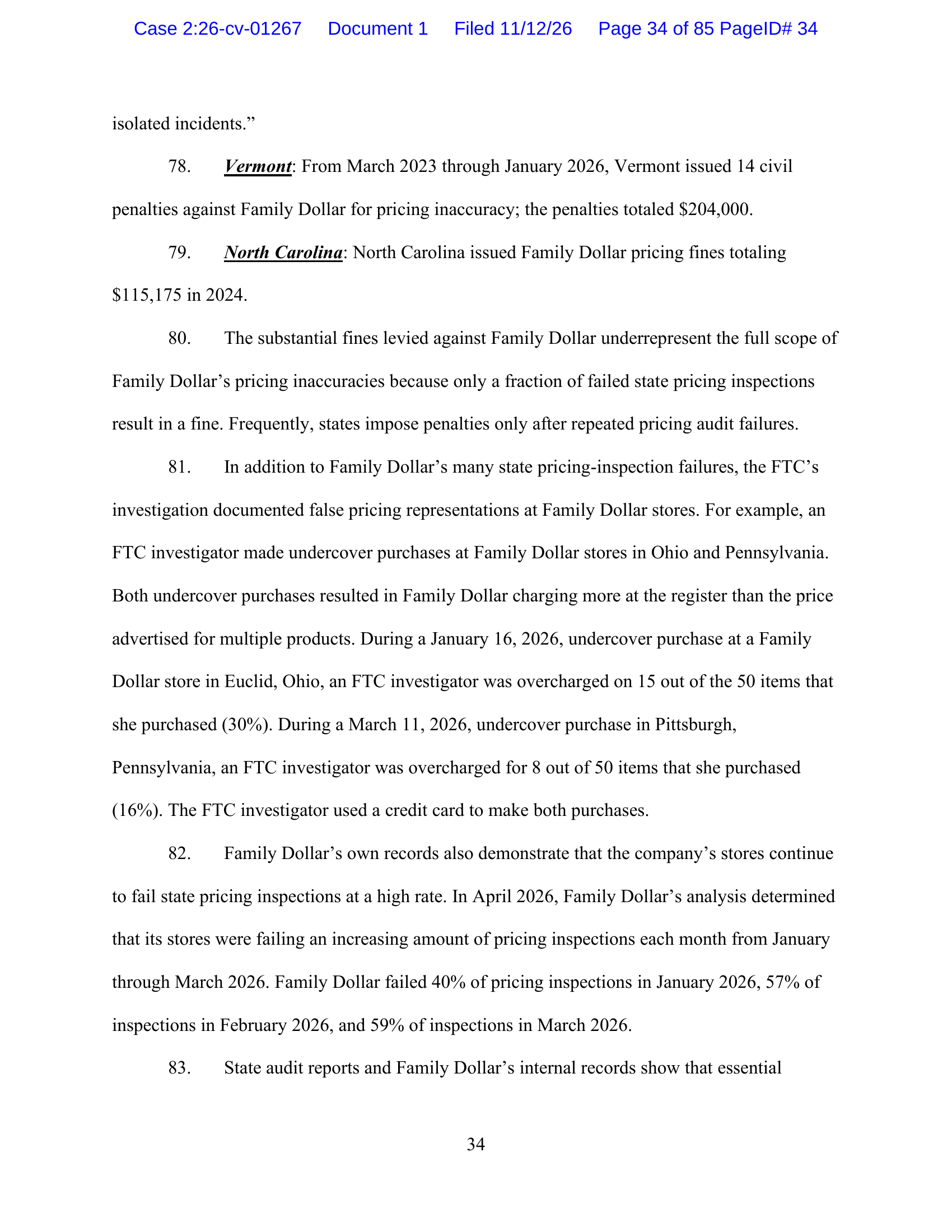
The complaint describes an FTC investigator buying 50 items in Euclid, Ohio, on January 16, 2026. According to the filing, 15 items cost more than advertised.
It describes another 50-item purchase in Pittsburgh, Pennsylvania, on March 11, 2026. The investigator allegedly paid more than advertised for eight items in that purchase.
These were the FTC’s purchases, not MalwareTips shopping tests. They are examples within the agency’s allegations, not a nationwide estimate of how often shoppers were overcharged.
They also do not measure Smart Coupon failures alone. The broader case covers multiple types of advertised prices, so those item counts should not become coupon-failure statistics.
How an Advertised Saving Can Disappear at Checkout
Step 1: An offer establishes the expected price
The shopper sees an advertised price before reaching the register. It may appear on a shelf, in a circular, or beside a product in the app.
That offer influences which item goes into the basket. Someone comparing basic necessities may choose a particular size or brand because the displayed saving fits their budget.
Step 2: The promotion or price system must match that offer
According to the complaint, register prices could update automatically before employees finished replacing shelf labels. That left customers seeing an older, lower price beside the merchandise.
The app raised another issue: advertised coupon savings still required working access and redemption. A price on a phone is not itself evidence that the discount reached checkout.
Step 3: The register calculates the actual purchase
The receipt reveals what the shopper was charged, including any discount that applied. Comparing only the basket total can hide which item caused the difference.
A higher total might also include tax or another item. Comparing individual product lines and promotional conditions makes a correction request more precise than disputing an unexplained total.
Step 4: A correction needs the original offer and transaction
The most useful evidence connects the advertised terms with the same product and purchase. Save the receipt alongside the relevant shelf photo, circular, or coupon display.
If an app error blocked the discount, record that error too. It describes a different problem from receiving a higher register price after successfully attaching the coupon.
The Company and Pricing Controls Behind the Dispute
The defendant is the retailer’s named legal entity
The complaint names Family Dollar Stores, LLC, doing business as Family Dollar. It is a civil enforcement case involving an operating retailer, not proof of a counterfeit storefront.
Keeping that identity clear also prevents confusion with unrelated Family Dollar messages. A supposed refund text needs its own verification, even when it mentions this real case.
Register updates and shelf labels require coordination
The alleged operational failure matters because a technically updated register can still charge more than the price presented to the shopper. Accurate systems must account for both.
The proposed order would require pricing controls rather than simply promising that errors are unusual. Its provisions address price changes, verification, and the treatment of discrepancies.
A store correction and a settlement claim serve different purposes
Asking a store to correct a specific receipt does not submit a claim to a settlement administrator. Each process has its own records, decision, and possible outcome.
Keep any correction or refund confirmation with the original receipt. If a later claim form asks about prior reimbursements, an accurate record will help you answer honestly.
The proposed controls would create continuing obligations
The order also contains complaint-recordkeeping and compliance-reporting requirements. Those would give regulators information about how the company handles the pricing issues covered by the case.
These are proposed obligations, not evidence that every store has already completed every change. A settlement announcement does not independently verify the price of your next basket.
Where the Proposed $63 Million Would Go
The headline amount is not a promise to distribute $63 million in cash refunds. The proposed order separates consumer payments, future discounts, and state payments.
| Proposed component | Amount | What shoppers should understand |
|---|---|---|
| Consumer redress fund | $40 million | Valid claims would be reviewed and paid under the approved process. |
| Separate discount program | $20 million | This provides purchase discounts rather than individual refund checks. |
| Payments to states | $3,000,011.36 | These payments are not another consumer claims fund. |
The exact proposed total is $63,000,011.36. Rounding that figure to $63 million is reasonable in a headline, but combining its different components would mislead readers.
The discount program would offer 15% off qualifying store purchases for two consecutive days. Alcohol, tobacco, gift cards, and other prepaid cards would be excluded.
The order distinguishes those discounts from other planned promotions, manufacturer offers, and app coupons. Existing promotional savings would not count toward this separate program’s required amount.
Do not assume that an ordinary sale weekend is the settlement event. The actual dates and approved notice must identify the program before shoppers plan around it.
Who the Proposed Refund Definition Includes
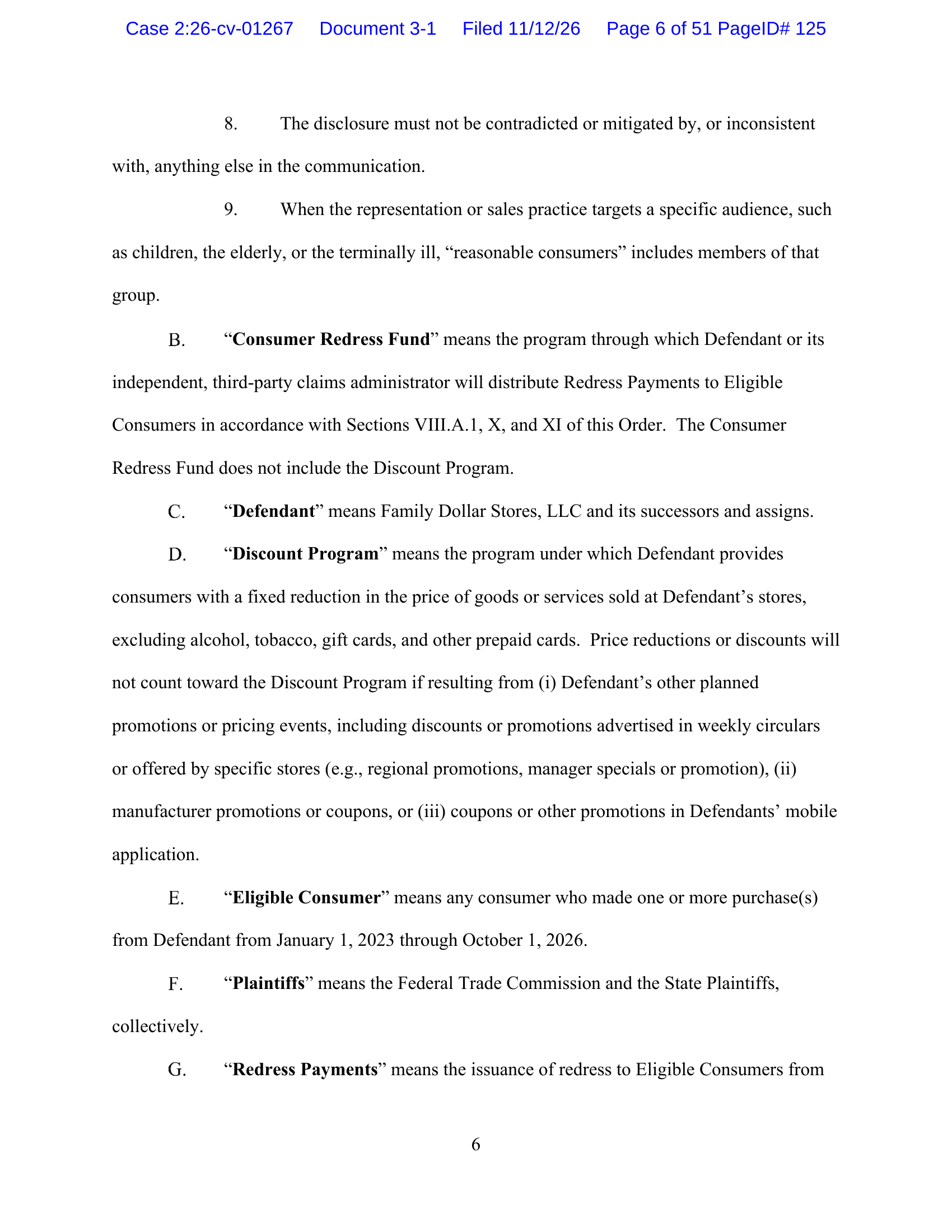
The proposed order defines an eligible consumer as someone who made one or more Family Dollar purchases from January 1, 2023, through October 1, 2026.
That definition is broader than saying only people who already proved an overcharge may apply. However, eligibility language is not a guarantee that every shopper receives money.
Claims would still undergo validation under the approved process. The proposed fund also has a payment limit, so the purchase window alone does not establish an award.
The filed order does not specify a per-person payment amount. It also does not provide the final claim form’s evidence requirements, such as a particular receipt rule.
Preserving receipts is sensible, but saying receipts are mandatory would invent a condition. Saying no proof will ever be requested would make the opposite unsupported promise.
The proposed submission period could run up to 180 days from when the claim form first becomes available. November 12 is not automatically the beginning of that clock.
Payments would follow review of valid claims, subject to the fund’s terms and cap. Do not calculate your expected payment by dividing a headline amount among guessed shopper numbers.
Do not mistake a proposed notice for a live claim form
The filing contains a sample notice with a placeholder link. It is not a working refund application, and this article does not identify an open claims portal.
The proposed notice would direct shoppers toward an approved route once implemented. Check the FTC case page for updates rather than guessing a settlement website from its name.
Choose the Problem You Need to Address
These three situations require different next steps. Expand the situation matching your records; none of these options submits personal information or files a claim.
A current receipt shows more than the advertised price
Match the exact item and promotional conditions, then request a correction through the store. Preserve the original receipt and any explanation or reimbursement confirmation.
The app prevented me from using a Smart Coupon
Save the coupon terms and any error display you already have. Describe whether loading, attaching, or redemption failed, rather than reporting only that your total seemed wrong.
I bought during the proposed eligibility period
Keep available purchase records and monitor the official case page. Wait for approved claim instructions before entering information into any site advertising settlement payments.
What to Do About an Incorrect Family Dollar Price
-
Compare the receipt with the exact advertised offer. Check the product size, quantity, purchase date, and any stated conditions before calculating the difference.
For a shelf issue, include enough context to connect the tag to the item. A close photograph of a number alone may omit the product description.
-
Ask the store to review the mismatch and correct the transaction. State the advertised amount, actual charge, and relevant coupon or offer without accusing individual employees.
If the request is refused, write down the explanation and keep the transaction details. Ask for a reference number when using an official customer-service channel.
-
Preserve app evidence before the offer expires or changes. Include its conditions and any loading or redemption error, but avoid posting account details publicly.
Keep originals privately and make redacted copies when sharing your experience. Other shoppers do not need your payment details to understand a pricing mismatch.
-
Report unresolved pricing concerns to the appropriate state or local consumer-protection or weights-and-measures office. Include the store location and the specific transaction evidence.
Describe what happened to you rather than adopting every allegation in the federal complaint. Your receipt can document your purchase without proving another shopper’s experience.
-
Use the official FTC case page for settlement developments. Follow the approved claim instructions when available, including the actual deadline and requested supporting information.
Do not pay someone merely to unlock an alleged refund. An unsolicited message promising a fixed payment is not authenticated simply because it cites this genuine case.
Frequently Asked Questions
Is the Family Dollar pricing settlement already final?
The FTC case page lists the matter as pending. The filed stipulated order is proposed, so its remedies should not be described as completed or currently available.
Does every Smart Coupon fail at checkout?
The complaint alleges recurring access and redemption problems, not universal failure. Compare your coupon’s exact terms with the matching product and the discount shown on your receipt.
Is the entire $63 million for individual refunds?
No, the proposed package separates $40 million in consumer redress, $20 million in discounts, and $3,000,011.36 in state payments. Those components should not be combined as cash refunds.
Who falls within the proposed eligible-consumer definition?
The definition covers consumers with one or more purchases from January 1, 2023, through October 1, 2026. Claim validation and the fund’s limits would still apply.
How much money would each shopper receive?
The proposed order does not establish an individual amount or final claim-form evidence requirements. Avoid websites presenting an invented guaranteed payment as an official settlement term.
Where can I apply for a Family Dollar settlement refund?
The reviewed filings do not provide an active application URL. Monitor the official FTC case page and use the approved administrator route when claim instructions become available.
The Bottom Line
Check Family Dollar receipts against the actual offers and request corrections for documented mismatches. The complaint describes substantial pricing concerns, but it does not replace your transaction evidence.
If you purchased during the proposed eligibility window, preserve your records and watch the official case page. Do not treat this proposed settlement as an open or guaranteed payout.

Join the discussion
0 commentsShare your experience or ask a question about this article.
Community experiences
Did this happen to you?
Your experience could help someone recognize the same scam. Submit a private report for our team to review.
I experienced this tooReports are reviewed before publication. Sharing publicly is always your choice.
Discussion
Start the conversation
Have a question or something useful to share? Add the first comment.