


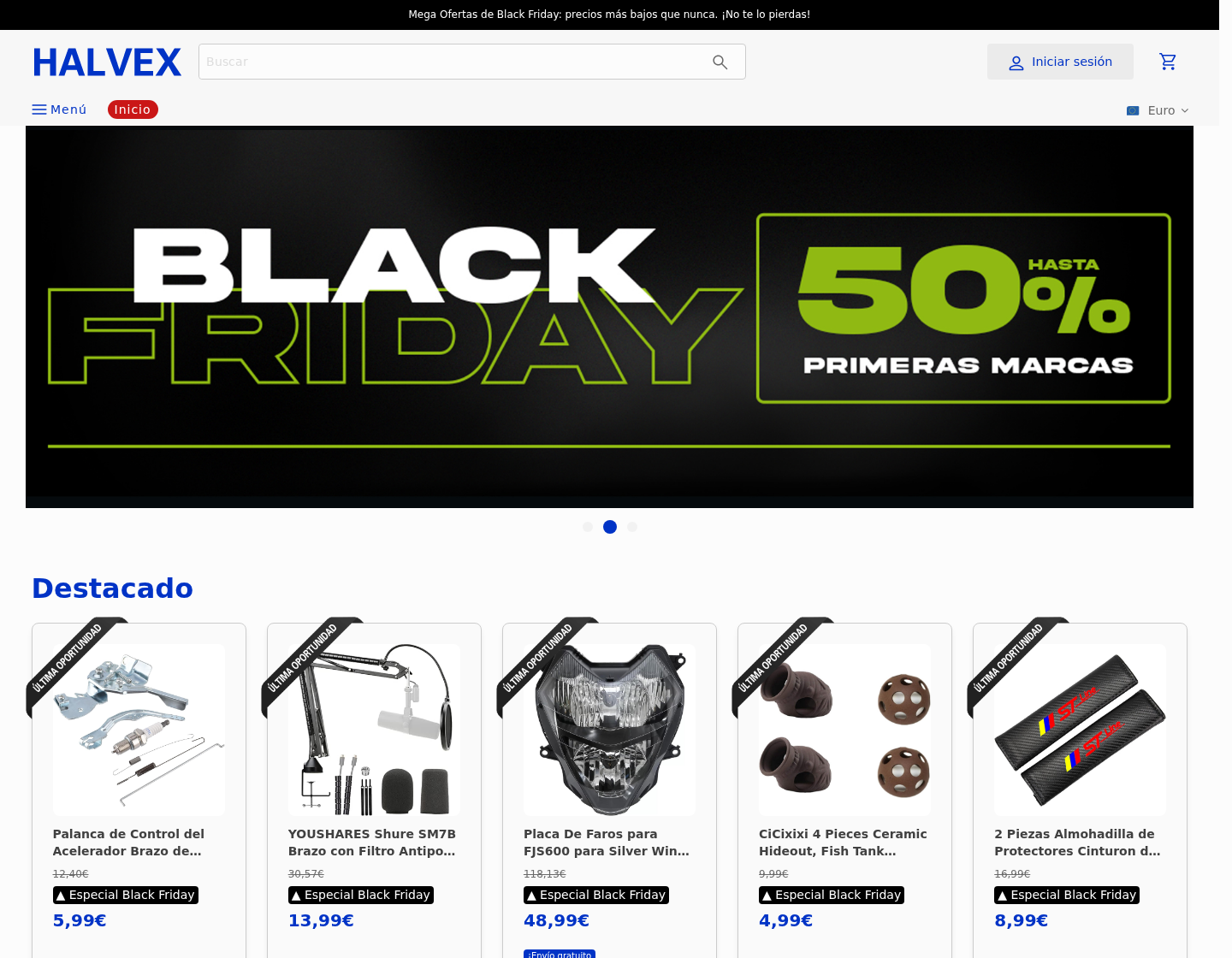
HALVEX advertises Black Friday savings across a Spanish-language catalog. One listing shows an Atmotube PRO air-quality monitor with a €42.99 price and a 30-day return badge.
The monitor is a real product, but the seller is a separate question. The price comparison and the shop’s own delivery terms are worth checking before you pay.
Overview
HALVEX is the display name on market.halvs.com
The storefront spells the name HALVEX, while the browser address uses market.halvs.com. Match the domain as well as the name when checking a receipt or seller policy.
That distinction prevents a similar company name from becoming an accidental endorsement. The offer reviewed here is for this particular website, not every business called Halvex.
The same monitor has a separate documented price
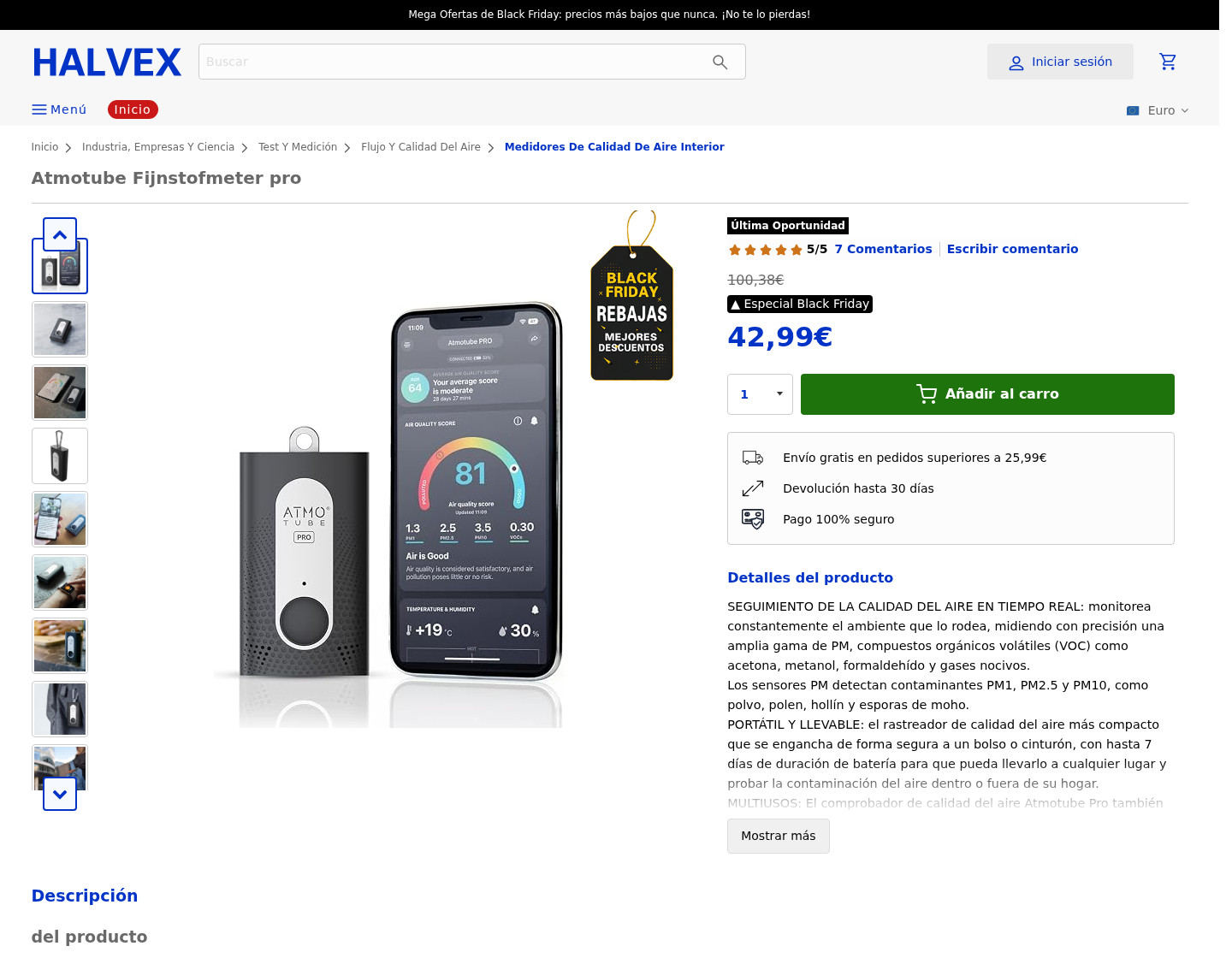
The HALVEX listing displays €42.99 next to a struck-through €100.38. The manufacturer’s European store lists the original Atmotube PRO separately at €149 and shows it as sold out.
That comparison verifies the model and shows a substantial advertised price difference. It does not establish where HALVEX gets the monitor or whether it has stock.
Compare the terms that matter if the deal goes wrong
- Confirm the model, condition and supplier before comparing prices for a device that’s hard to find.
- Separate the shop’s dispatch estimate from the date a parcel should reach your address.
- Find a legal seller name and usable return instructions rather than relying on a payment graphic.
I would not order through this listing. The product is real, but the storefront did not give a verifiable operator or a return destination in the checked pages.
How the €42.99 HALVEX Offer Is Presented
Step 1: Match the original model rather than the newer version
The listing is labeled Atmotube Fijnstofmeter pro and uses an image of the original Atmotube PRO. The device is presented as a portable air-quality monitor.
The manufacturer’s page for the original PRO describes particle and volatile organic compound sensors. It shows a different product from the newer model called PRO 2.
That is why comparing HALVEX with the price of an Atmotube PRO 2 would be misleading. The model, accessories and seller all need to match when comparing a deal.
Step 2: Read what the price and icons actually promise
The product page lists €42.99 for the monitor, with a single unit selected. The price sits beside a Black Friday label and an advertised secure-payment badge.
Another line offers free shipping on orders above €25.99. The listed item price exceeds the threshold, but that does not confirm the final charge for a particular destination.
The crossed-out €100.38 is the shop’s own reference amount. The €149 on the official EU page is a separate listing price, not evidence of the shop’s earlier price.
Step 3: Check the delivery window underneath the urgency
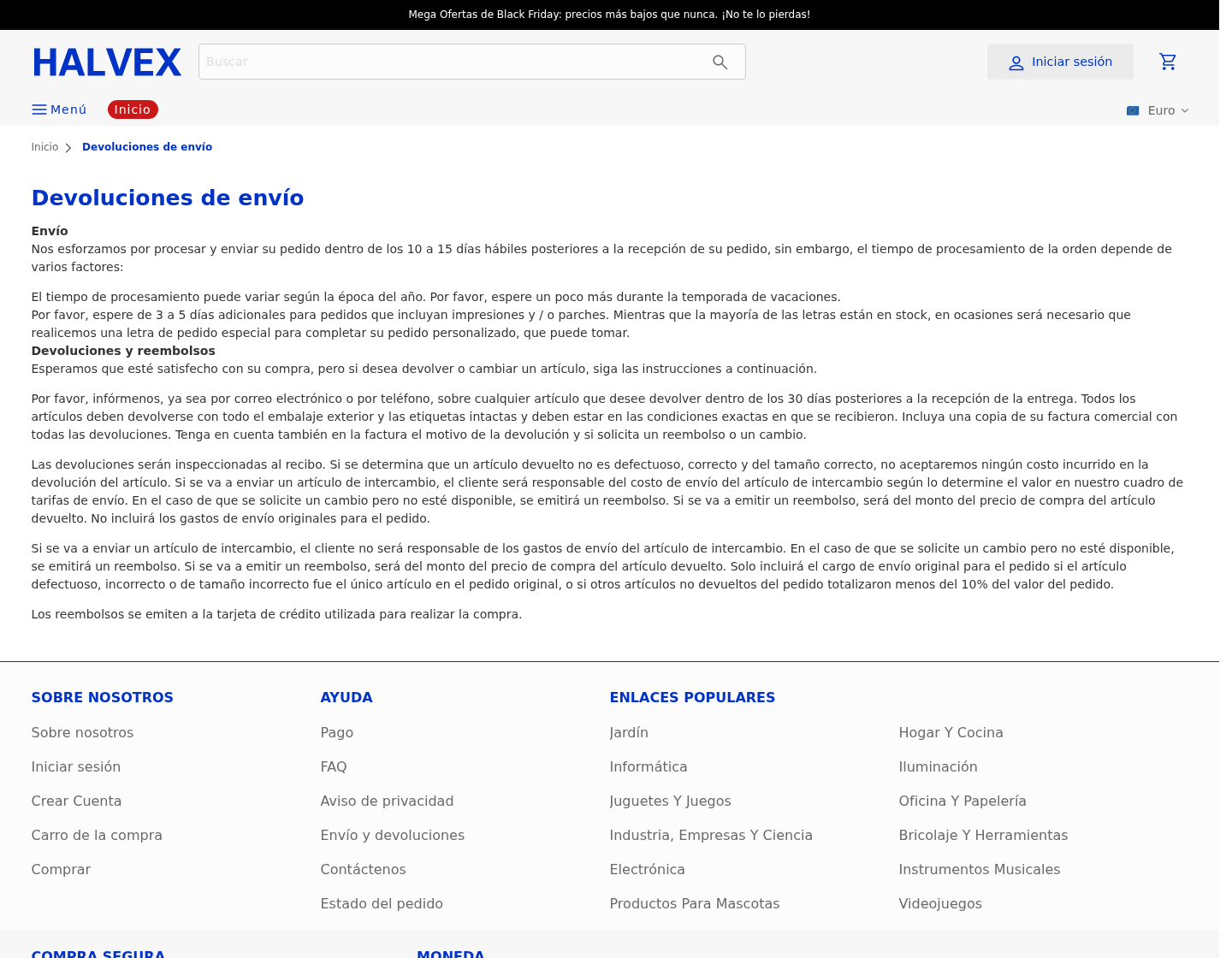
The shipping page says the shop aims to process and send orders within 10 to 15 business days of receipt. It warns that the timing can vary during holidays.
Sending a parcel and delivering a parcel are not the same event. Even if a shop meets its dispatch estimate, a delivery date still depends on the carrier and destination.
The same page asks for extra time on orders with lettering, printing or patches. Those examples are difficult to apply to a boxed air-quality monitor.
Step 4: Find out where a damaged or unwanted unit would go
The policy says to notify the shop within 30 days of delivery. It calls for original packing and labels and asks customers to include a copy of the invoice.
For an ordinary return, the shop says it will not cover the costs if the product is correct and not defective. The page does not provide a destination.
Before relying on a badge about returns, ask for a written location and cost. A policy about making a request is not a label you can hand to a carrier.
The Seller, Customer Contact and Return Address
The storefront does not clearly identify the legal trader
The Contact page gives an email on the store’s domain. The About page describes a business with direct supplier relationships but does not name the legal entity behind the sale.
A brand, domain and legal trader can have different names. That is not unusual by itself, provided the site explains who takes payment and accepts purchase complaints.
European consumer guidance on what traders should disclose before a purchase emphasizes the business’s identity and address. Spanish copy and euro prices do not establish where HALVEX is legally based.
The About page and the footer do not resolve the gap
The footer has social and app-store icons, but the links checked point to general platform pages. They do not identify a HALVEX account or an app published by the seller.
Card network logos similarly do not identify the business that will appear on a card statement. A processor can work with many unrelated retailers.
The payment policy describes card authorization online or by phone. The contact page does not show a phone number, even though the returns policy also mentions calling.
That mismatch matters if support asks you to pay again by telephone. Locate the merchant using your original receipt and ask your issuer about the first transaction before acting.
A buyer report describes a different payment name
One public consumer report about this exact website says the receipt came from a different domain and the statement showed Tuskfury. The writer says the goods never arrived.
That is an account from a buyer, not a verified statement or proof that a company with that name owns the shop. We did not make a purchase.
The useful takeaway is to keep the order confirmation and payment entry together. If the charge, date or descriptor differs, ask your provider to identify the merchant.
The 30-day label leaves the cost of a return open
The policy treats a correct item differently from one that is defective or sent in error. It describes return shipping, exchange shipping and original postage as separate costs.
For a correct item, the policy says a refund normally covers the purchase price, not original shipping. A faulty or wrong item can be treated differently under its conditions.
Check whether an existing order already includes a seller address. If it does not, request return instructions in writing rather than sending the monitor to a name you found elsewhere.
What the Low Price Does and Does Not Tell You
The shop’s own comparison puts this offer €57.39 below its crossed-out €100.38. The price is €106.01 below the manufacturer’s separate listing for the original monitor.
Those figures answer two different questions. One shows the discount the shop claims; the other compares two displayed prices for what appears to be the same model.
The manufacturer’s sold-out notice doesn’t prove other sellers have no stock. It also doesn’t explain why this storefront can advertise the original device at this amount.
Before treating the difference as a bargain, look for a clear condition statement. Sealed, open-box and refurbished units can have different accessories, warranties and reasons for their pricing.
Ask whether the retailer can put the exact model and condition in writing. A generic response about special offers does not establish that the pictured monitor is ready to ship.
The policy’s 10 to 15 business days applies to processing and dispatch. Keep the order date and dispatch estimate separately if a seller later changes the delivery explanation.
A return for a wrong or defective unit raises different questions from a change of mind. Request the shop’s written position before committing to return postage.
If you see an apparent duplicate catalog page, compare the support address and payment descriptor rather than assuming the same pictures identify its owner. Product photos alone aren’t enough.
Check the Monitor Separately From the Seller
The official product page confirms that the original Atmotube PRO is a real wearable monitor. It lists sensors for particulate matter, volatile organic compounds, temperature, humidity and pressure.
A genuine product description can appear beside an unverified offer. Confirm the seller independently instead of assuming the use of the right technical terms ties it to the maker.
The manufacturer maintains a specification page for the original PRO. Use it to distinguish the model before comparing prices or deciding on a replacement.
A portable air-quality monitor also should not replace the safety equipment you bought it to complement. Its technical specifications explain what the device is designed to measure.
Check which accessories are listed and whether the device can pair with the app named by the manufacturer. A low price is less useful if key accessories are missing.
If a parcel actually arrives, keep pictures of the outer box, manufacturer label and model marking. The name in the online description doesn’t settle which item you received.
Save the warranty terms from the retailer you choose. A manufacturer’s specifications explain the device but do not show that an unknown shop offers genuine warranty service.
If you need the monitor for a time-sensitive project, ask for confirmed stock and an arrival estimate rather than counting from the date the sale banner appears.
If you already own a similar device, check the manufacturer’s documentation for the exact model on your unit. Similar housings need not mean identical sensors or specifications.
The listing mixes a Dutch product label with Spanish purchase terms. Translate the terms before ordering, particularly the sentences about return costs and when its dispatch clock starts.
Keep the untranslated receipt too. The retailer or issuer can match the original wording to the merchant’s site even if your translated copy uses a slightly different phrase.
One practical comparison is the delivered cost of a device from a known retailer against the amount you would risk if this seller made a return impractical.
Keep the seller’s answers if you have already paid. Your records should show whether a problem concerns the seller’s delivery promise, the model received or a separate warranty issue.
What to Do If You Already Ordered From Market.halvs.com
-
Save the receipt, item page, selected quantity and promised shipping charges. Record the site’s address and the HALVEX name so your bank can match the offer to the payment.
Capture the shipping estimate and any updates separately. An estimate that changed after purchase may not be the one on which you relied.
-
Find the carrier independently rather than accepting a delivered status shown only on the seller’s site. Ask for the earliest acceptance scan and the latest tracking event.
If delivery is disputed, ask the carrier what proof it can provide for your own address. Do not request information about an unrelated recipient.
-
Make a written request for proof of dispatch, cancellation or a refund, depending on what happened. Give the order number and avoid sending extra identity or banking documents.
If the seller sends a return address, check that it applies to your order. Confirm postage, package condition and any proposed deductions before shipping it.
-
Ask your card issuer or payment service about filing a dispute through its own app or published number. Explain whether the order was missing, incorrect or never authorized.
Keep a record of when you first complained and when you were promised a response. The seller’s next reply does not change your payment provider’s deadline.
-
If the seller says payment failed but your account shows a pending amount, ask your provider whether it is a temporary authorization or a completed transaction.
Do not send a second payment to try to cancel the first one. Keep duplicate or unfamiliar entries separate when you explain what happened.
Frequently Asked Questions
Does HALVEX really sell an Atmotube PRO for €42.99?
That is the price shown on the listing, with one unit selected. It is not confirmation of stock, a completed purchase or the final delivered price for your address.
Is the Atmotube PRO device itself fake?
The original PRO is a real Atmotech product with its own specifications. The separate concern is whether the website using the HALVEX name can fulfill this offer.
Does HALVEX have a 30-day return policy?
The policy describes notifying the shop within 30 days of delivery. A correct, nondefective item can leave you responsible for shipping and does not have a published return destination there.
Who operates market.halvs.com?
The checked storefront names HALVEX as its display identity and publishes a support address on the domain. That does not independently identify its legal operator or payment recipient.
Do its logos confirm which payment method I used?
No, use the actual charge and your receipt to check that. A logo displayed before checkout does not establish who collected your payment.
What if an order email says the parcel has already shipped?
Check the carrier’s independent scan history. If the shipment has no acceptance scan or was delivered to the wrong area, save that evidence and contact your issuer promptly.
The Bottom Line
Do not buy the €42.99 monitor through HALVEX at market.halvs.com. The discount graphic does not resolve who is selling it or where a return goes.
If you already ordered, keep the receipt and check the shipment with the carrier. Use your payment provider’s dispute process if the merchant does not resolve the problem.

Join the discussion
0 commentsShare your experience or ask a question about this article.
Community experiences
Did this happen to you?
Your experience could help someone recognize the same scam. Submit a private report for our team to review.
I experienced this tooReports are reviewed before publication. Sharing publicly is always your choice.
Discussion
Start the conversation
Have a question or something useful to share? Add the first comment.