


The woman he met on a dating site said a studio was paying her $700,000. She wanted to share it with him.
Then she sent a screenshot that seemed to show the money had arrived. There was one condition before he could touch it.
Overview
A fake balance gives the story a place to land
The Netzorn Bank scam used a website dressed up as a bank to make a promise from a dating match seem real.
The supposed payout was $700,000 for a project.
A family member reported that the match wanted him to open an account.
Once he did, she sent him an image showing a deposit. Access to the money was supposedly tied to progress on the project.
By then he had shared his Social Security number, driver’s license and mortgage information. The family later saw unfamiliar credit inquiries, including one from a home equity agreement provider.
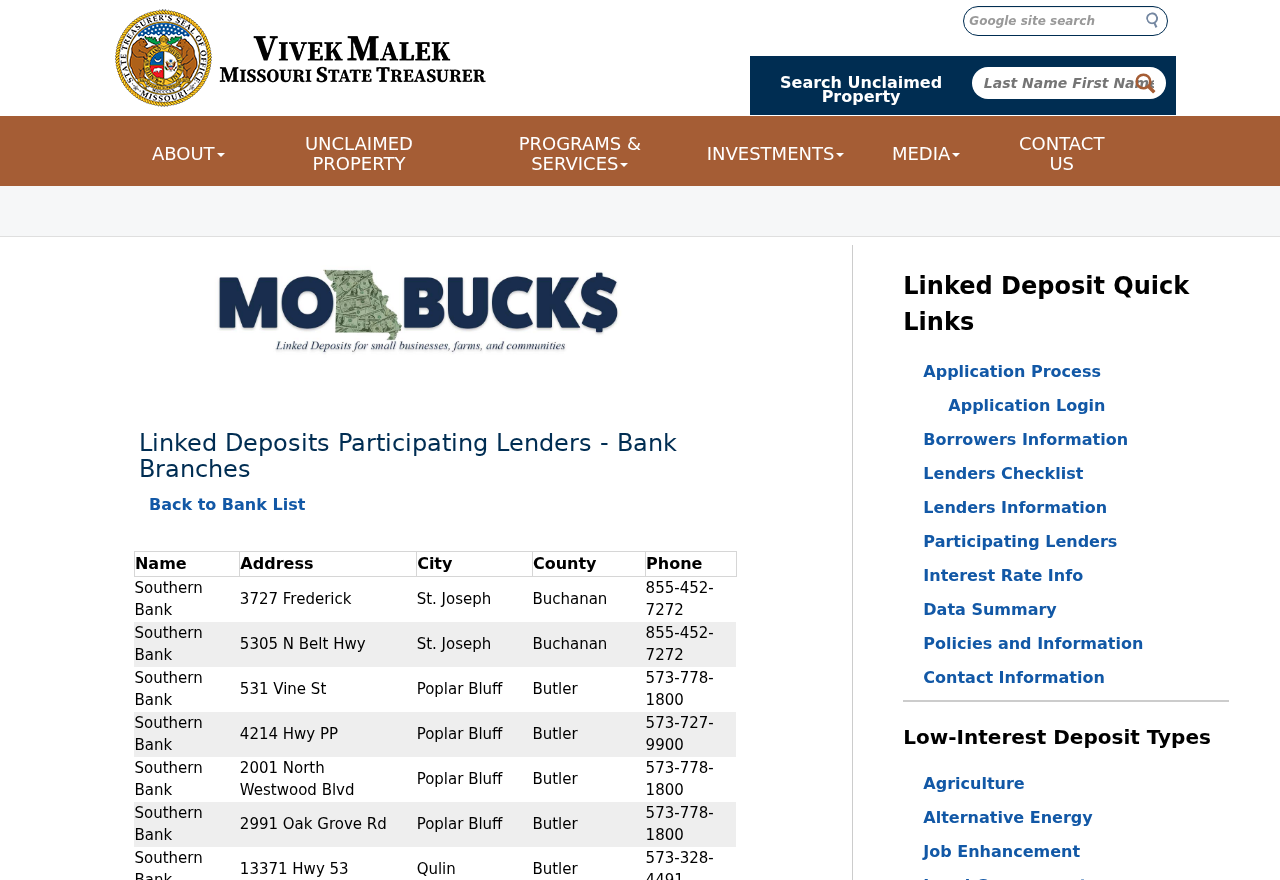
The Missouri address belongs to Southern Bank
Archived copies of the Netzorn site show it used 531 Vine Street in Poplar Bluff, Missouri. Missouri’s state treasurer lists a Southern Bank branch at that address.
Southern Bank’s own branch directory confirms the location. The real branch’s address was used on the fake site. The state listing tells you whose branch it actually is.
The old site didn’t resolve when checked. BlockintAI’s independent capture preserves what it advertised and documents the address mismatch before the website went offline.
What the family saw, and what to check yourself
- A dating match asked him to open an account at a bank he hadn’t chosen.
- The match supplied the image of the deposit and the explanation for why it was inaccessible.
- The family reported finding the profile photo on someone else’s page.
- The family also saw unfamiliar inquiries after personal and mortgage details were shared.
The account screenshot and the credit inquiries are separate things. The first helped sell the story.
The inquiries were real enough for the family to investigate with the businesses named on the reports.
The family did not say whether any application was approved. If you spot an unfamiliar inquiry, ask the business named on your report what it received and whether money moved.
How the Netzorn Bank Scam Works
Step 1: The match seems to have a lot in common with you
The family described a conversation that started on OurTime.
The match said she lived nearby and shared some of the same experiences and values. She told him she worked as a sculptor.
Ordinary conversations about grief, family and work can create a sense that you’ve known somebody longer than you have.
That makes a later financial request feel like a favour between people who trust each other.
The FTC’s romance scam guidance describes how a relationship can become a reason to send money. In this case the first financial request looked like an offer to give money.
Step 2: A big project creates a reason to open an account
The story was that a studio was paying for a project. The match offered to share the proceeds, then directed him to a particular website to open an account.
Anyone who wants to send money can explain why an existing account won’t work. Ask your own bank whether that explanation makes sense before agreeing to open anything.
Putting a recipient in touch with a financial institution of the sender’s choosing gives the sender more control over what the recipient sees.
It also introduces a place to enter sensitive information.
Step 3: The website makes handing over details feel routine
A banking website has familiar places to click. A reader expects to see sign-in and account-opening pages. Netzorn advertised accounts, loans and other ordinary banking products.
In the family’s account, the man gave the match personal and mortgage information.
The exact information entered into the website is unclear, so make a separate list of what you gave each person or page.
That distinction helps when you’re trying to get control back.
Your lender will want to know whether you disclosed mortgage information. Your email provider will care whether you reused a password.
Step 4: The screenshot shows money you can’t verify
A picture showing a balance makes an abstract promise feel as if it has already happened.
It can also pull your attention away from whether the institution holding the money is real.
In the reported story, the match tied access to the payout to a milestone on the art project.
That gave the recipient a reason to wait while the promise stayed in place.
A screenshot is easy for a stranger to send and hard for a recipient to reconcile. Start with your real bank records and ask whether any actual incoming funds exist.
Step 5: Familiar businesses start appearing on the credit report
The family reported new credit inquiries shortly after the account was opened. A home equity inquiry is alarming when someone outside the household already has mortgage information.
The unfamiliar inquiry tells you which business to contact. It doesn’t tell you who initiated the request, how far it got or whether an account was funded.
The sooner you get those answers from the business directly, the sooner you can find out which protections you need.
Keep copies of each report so you can track what changes.
How to Check a Bank Someone Sends You To
Start with the claimed institution’s exact name and location. FDIC BankFind can identify current and former insured banks by name, website and other details.
If the site claims to be a U.S. bank, compare the address and official website in the directory.
A different company at the same address should send you to that company’s own public contact information.
BlockintAI reported that its search for Netzorn returned no insured institution or branch by that name. The claimed address leads to Southern Bank’s real office.
In a legitimate service involving a partner bank, there should be a clear way to identify the actual institution holding the funds.
Ask the named bank directly whether the relationship exists.
Use the institution’s published details to make that call. A number on the website you’re checking sends you straight back to the people making the claim.
What to do with a screenshot of a deposit
Keep it if it’s already in your messages. A screenshot can help your bank or a fraud investigator see what you were shown and when.
For your own decisions, use an account statement obtained directly from your bank.
If the funds were sent to a different institution, verify that institution independently before you treat the balance as available.
If anyone asks for a tax, a release charge or an account upgrade to get the money, leave the funds alone.
The fee demand is a familiar variation of an advance-fee scam.
If real money appears and someone wants you to pass it along, call your bank before you move it. The FTC warns about romance-linked money mule requests.
What to do with a home equity inquiry
Write down the exact company name as it appears on the credit report.
Find its real fraud or customer service number independently and ask whether there is an open request under your name.
Ask the company what kind of product was involved. A line of credit, an equity agreement and an initial eligibility check can leave different records.
If the company confirms a fraudulent application, ask it to stop processing it. Request written confirmation and save the case number for your dispute.
Call your existing mortgage servicer separately to check whether your contact information or payment instructions changed.
If any lender identifies a completed transaction involving your home, get prompt professional help with those records.
Identity thieves can target existing credit too. In a separate federal case in Maine, a defendant pleaded guilty after impersonating account holders and withdrawing money from existing home equity lines.
The Maine case gives you a practical reason to check any line you already have. Look for unfamiliar draws or changes to contact details, then ask the lender about safeguards.
Make a timeline before your next conversation
If you’re helping someone else, start with dates they remember. Write down when the person first asked them to open an account and when the picture of the balance arrived.
Make one line for each kind of information they remember sharing.
A scan of a licence, a Social Security number and a mortgage statement give different organisations different reasons to act.
Add the date on each unfamiliar credit inquiry. Save the report it came from so the credit bureau can find the same entry when you contact it.
Leave an unknown date blank until you have a record. You can still tell your bank about the incident immediately and update the timeline as you find more information.
If the dating service closes the profile, a copy of its public name and the conversation may help with a later fraud report. Keep that copy private.
Family members often learn about the case in pieces. Start with what the person can check independently today, such as one unfamiliar inquiry or the name on the branch directory.
Ask them to choose their own bank’s contact number. Hearing the answer from someone they already trust to handle their money can help them take the next step.
What to Do if You Have Fallen Victim to This Scam
-
Stop sharing information or sending money. Keep the conversation available for reporting, then contact your own bank from a trusted number.
-
Tell the bank what you entered on the website and what you shared with the match. Ask it to check for new transfers and contact changes.
-
Freeze your credit separately with Equifax, Experian and TransUnion if your Social Security number was exposed. Use the bureaus’ own sites or published contact details.
-
Pull your credit reports and list each unfamiliar inquiry or new account. Call the businesses involved and ask their fraud teams to check for applications.
-
Contact your mortgage servicer and any existing home equity lender. Ask them to review recent account changes, requests or draws and record the results.
-
File an identity theft report at IdentityTheft.gov. Keep copies of the report, your disputes, and written confirmations that applications were stopped or closed.
-
Change any reused password and turn on multi-factor authentication where available. Start with your email and financial accounts. Review active devices and recovery information.
-
Report the dating profile and keep screenshots of the conversation, fake balance and site address. Store those privately with the timeline and any financial records.
The CFPB’s credit freeze guide explains how freezes limit access to your file. Continue checking your existing accounts and resolving errors already on your reports.
If you find an error, the CFPB’s dispute guidance explains how to contact the bureau and the business that provided the information. Keep the original evidence and send copies.
If you downloaded a file from the site and opened it, get the affected device checked. Malwarebytes can help scan for unwanted software. Handle banking calls from another device meanwhile.
AdGuard can help block some deceptive sites and ads. The identity and credit steps above still matter if the information has already left your hands.
If you’re helping a relative, it may be easier to start with one credit inquiry than to argue about the whole relationship.
Offer to sit with them while they call the named business.
Frequently Asked Questions
Was Netzorn Bank a real bank?
Treat it as a fake bank site. Its listed Missouri address belonged to a Southern Bank branch, and the independent investigation found no corresponding insured institution called Netzorn.
Did the $700,000 ever reach the recipient?
The family described an image purporting to show a deposit. There’s no independent bank statement showing funds reached an account the recipient could use.
Does a home equity inquiry mean someone took out a loan?
Ask the business that made the inquiry. An inquiry can happen before a decision, and the lender can tell you whether there was an application, approval or funding.
Should I wait until the match asks for money?
Act as soon as you learn sensitive information was shared. Contact your bank, freeze your credit when appropriate and investigate any unfamiliar inquiries while the records are fresh.
What should I do if I can still see the supposed account online?
Save what you already have and stop entering information. Check the institution against independent records, then talk to your own bank about any payment or information you provided.
Can somebody recover the balance for a fee?
Decline the offer. A stranger’s screenshot is a poor basis for paying anyone, and recovery callers can reuse the same story to collect another payment.
The Bottom Line
Don’t open a bank account or hand over identification to claim money promised by a dating match. In the Netzorn case, the website listed the address of somebody else’s bank.
If you shared identity documents, call your bank and freeze your credit. If you saw an unfamiliar inquiry, ask the business that made it to check for an application.

Join the discussion
0 commentsShare your experience or ask a question about this article.
Discussion
Start the conversation
Have a question or something useful to share? Add the first comment.