


A family member says someone they met online is sending them money. Then the deposits start coming back, and the bank account has both your names on it.
A joint account makes the fallout harder to untangle. Start with the deposits, the payments that followed, and the records each account holder can actually see.
Overview
A month of deposits ended in returned checks
A joint account holder described discovering that their mother had been depositing checks from someone she met online. The relationship had lasted long enough for her to trust him.
After the deposits, she bought gift cards and passed the value back to the person who sent the checks. The bank later flagged the deposits and the checks were returned.
The account holder said the total reflected a series of transactions over roughly a month.
It was the cumulative effect of returned checks, rather than a single check for that amount.
A joint account exposed another person to the fallout
The person posting said they had not known about the activity before it surfaced.
Even so, the disputed transactions and the balance were in an account with their name on it.
They reported going to the bank together and discussing a written arrangement.
That was their account of a particular negotiation. Ask your bank what it can confirm for your own account.
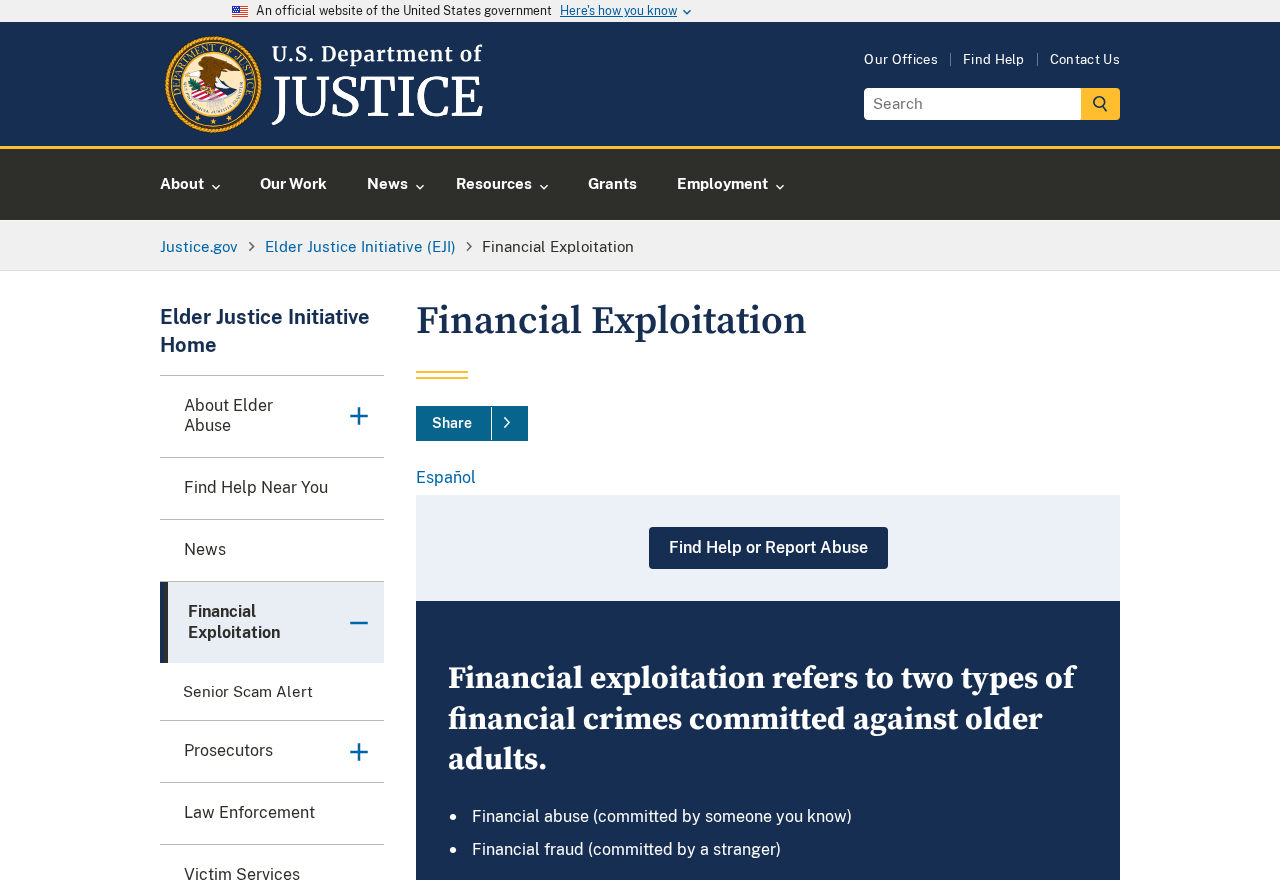
The image above shows U.S. Department of Justice guidance on financial exploitation. Romance scams are among the scenarios it describes when someone uses a relationship to obtain money.
The bank deposit and the gift-card purchase are two transactions
The FTC’s fake check guide explains that a bank can make money available before it learns that a check will be returned.
A gift card bought with that available balance is a separate purchase. When the bank removes the deposit, the gift-card purchase does not disappear with it.
- The sender established trust through an online relationship.
- The account holder deposited checks and used the available money to buy gift cards.
- The gift-card value went back to the person who supplied the checks.
- The bank later removed the deposits, leaving the earlier purchases to be reconciled.
- A second account holder had to find out which transactions and arrangements affected them.
How the Scam Works
Step 1: The relationship makes a financial favor feel personal
An online contact may spend weeks or months building a relationship before discussing money. By then, a financial request can feel like a favor for someone you know.
The FBI’s romance scam guide describes people using false identities to gain trust and sometimes asking a partner to handle money through their bank account.
In the family’s account, the mother said the conversation felt like a relationship.
Her child said the contact presented the checks as pay from his job and asked her to cash them for him.
The point to stop is when the relationship turns into an instruction to move money for the other person.
Ask someone you trust to look at the proposed transaction with you.
Step 2: A check gives the impression that the sender supplied the money
If someone gives you a check first, you may feel you are spending their money. That impression can become stronger once the deposit appears in your balance.
Available funds and final payment are different things. A bank can let you use part of a deposit while the check is still subject to return.
That uncertainty matters most when someone wants you to spend the money immediately. Contact the bank before moving any of a suspicious deposit.
The online contact might call the payment a favor, repayment, or help with an expense. Your account still carries the risk of the check being returned.
Step 3: Gift cards turn the available balance into money someone else can use
The mother reportedly used the funds to buy gift cards and passed the value back to the sender. That moved it outside the bank’s check deposit process.
A store receipt establishes that a card was purchased. The bank statement records the charge. The gift-card issuer can check a different part of the transaction, including whether value remains.
Keep the cards, receipts, and conversation if available. The FTC’s gift-card fraud guidance explains why the issuer needs the numbers and purchase details when you report a scam.
If you bought cards but have not shared the numbers, stop there. Keep them private and ask the retailer or issuer what options it offers for a fraud-related purchase.
Step 4: Repeat deposits can make the situation hard to see
A new deposit can briefly make the balance look better. If several checks and purchases overlap, it may be hard to see how much money has actually left.
Build the sequence with dates and amounts. Mark each check deposit, each return, and each purchase or withdrawal connected to it. Use the bank records wherever you can.
The family’s report described repeated activity over a month. They learned more from speaking to the bank together than from trying to explain a single balance figure.
An unexplained difference between the balance you expected and the balance you see deserves a direct call. Do that before depositing a new check or buying another card.
Step 5: Returned checks leave the account holders with a problem
When a check is returned, the bank can remove the deposit. By then, some or all of the money made available earlier may already have been spent.
A joint account can contain wages, benefits, rent money, or regular household payments. A negative balance or restriction can therefore disrupt more than the person who dealt with the scammer.
List the transactions you recognize and those you need the bank to explain. A purchase someone made under deception and a withdrawal someone never made are different facts.
The family reported that the sender disappeared when the mother stopped forwarding money. Keep the existing messages and receipts.
They may be the clearest record of what the person asked her to do.
What to Ask the Bank About a Shared Account
Start with a line-by-line statement for the period when the deposits began. Ask the bank which checks were returned, when they were reversed, and whether any items are still pending.
Request a breakdown of the current balance. A returned deposit, a purchase, a fee, and a temporary credit should appear as separate entries. Write down anything that needs an explanation.
Ask which person had access to each card or login. Tell the bank what you personally saw or did and distinguish it from what another account holder told you afterward.
If a relative initiated purchases after being deceived, give the bank that sequence. If someone else accessed the account and made payments, report those separately as unfamiliar activity.
Check what happens to scheduled bills or deposits while the bank reviews the account. If you share rent or utilities, identify the next due dates and ask what options exist.
If the bank proposes a repayment or account change, ask for the terms in writing. Check which account it applies to, which holders it names, and what actions it authorizes.
Avoid assuming a relative’s outcome applies to you. Joint account terms and protections vary. Get individual advice if the bank’s proposal affects money you rely on or remains unclear.
Ask whether the bank can send activity alerts to each account holder who is entitled to receive them. Agree within the family on how to act on any unfamiliar notice.
## Make a Record Both Account Holders Can Use
Start the timeline with the first check you can identify. Give each deposit its own row, even when several amounts or sender names look similar.
Add the date and amount of each gift-card purchase next to the check it was meant to use. If that relationship is unclear, leave the entries separate.
A bank statement may show a single store purchase that covered several cards. Keep the receipt for the individual card amounts and note whether their numbers were shared.
Record the payment method for each purchase. A debit-card purchase, a cash withdrawal, and a credit-card purchase leave different records and may need different follow-up.
Check whether any transactions came from a separate account.
If the contact asked for payments outside the joint account, tell the bank which activity it can see and which it cannot.
Write down any bills that might fail during the review. Use a verified contact to tell the provider if you need time to make an alternative payment.
Avoid making a new transfer simply to make the balance look right. First ask the bank whether a return is final and whether it expects additional adjustments.
Once the timeline is complete, give both account holders a copy they can access. One person may remember the requests while the other has the older statements.
What to Do if You Have Fallen Victim to This Scam
A family member may tell you only part of the story at first.
Keep the conversation calm enough to find out whether checks are still arriving or more cards were purchased.
-
Stop moving money for the online contact. Leave any unused deposit funds untouched. Do not send gift-card numbers, payment codes, or a supposed refund.
-
Call the bank through a verified number. Tell it the account is shared and describe the check deposits, purchases, and activity you do not recognize.
-
Contact gift-card issuers directly. Give them the purchase receipts and ask whether balances can be frozen or recovered. Keep the issuer’s reference number.
-
Collect the documents in date order. Include check images, returns, card receipts, messages, and account statements. Keep a copy of any written bank arrangement.
-
Report online fraud to FBI IC3 or the FTC. Report the profile to the platform once you have preserved the relevant messages.
-
Seek help if an older adult is affected. The National Elder Fraud Hotline can help with reporting and finding appropriate support.
If you are supporting a parent, ask to look at the transactions together.
Begin with one check and one gift-card receipt. A concrete pair of records can make the risk easier to see.
Offer to sit with them while they call the bank. Let them describe what happened in their own words.
Write down the next action and the deadline the bank gives them.
If the sender claims a new payment will fix the old ones, preserve the message and leave it unanswered.
A promised deposit cannot settle a return the bank has already recorded.
If someone else offers to recover the gift cards for a fee, contact the issuer using your existing reference. Do not share the numbers with someone who approached you.
Frequently Asked Questions
Why did the check look like it cleared?
The bank can make deposit funds available before it learns the check cannot be paid. A balance change does not establish that the deposit is final.
If the check came from someone who wants you to send the money onward, stop. Ask the bank about the deposit and the payment request together.
What if I bought gift cards but kept the codes?
Keep the cards and receipts private and ask the retailer or issuer what it can do. The situation differs from one where the recipient already has the codes.
Tell the issuer if you photographed either side of the card or shared the picture. Check what the image actually disclosed before assuming the balance is safe.
Can the bank take money from a joint account after a returned check?
The bank can reverse a returned deposit. How it handles a negative balance and the responsibilities of individual holders depends on the account and circumstances.
Ask for an itemized explanation and the relevant account terms. Get any repayment agreement in writing and check what it says about both account holders.
What if my relative paid willingly because they believed the story?
Describe exactly what happened. Say which purchases your relative made and which actions, if any, an unknown person took without permission.
Give the bank the request that led to each purchase. An accurate record helps it distinguish the scam’s effect from other transactions in the same account.
Should I immediately close a joint account?
Ask the bank how to secure the account and what closure would do to pending items, scheduled deposits, or existing claims. There may be actions it can take before closure.
If another person is also a holder, check what authorization the bank needs. Keep copies of statements and correspondence you may need to review after the account changes.
Is the first step to confront the person online?
Start by stopping payments and getting the financial accounts secured. Save the conversation for the provider or investigators. You do not need an admission to file a report.
If a parent or relative is involved, keep a safe line of communication with them. Offer to make the bank call together and work from the documents you can verify.
The Bottom Line
Stop a romance scam at the first request to deposit checks and buy gift cards. A relationship does not make the funds available in your bank account permanent.
If a shared account is already involved, bring both the deposit history and gift-card receipts to the bank. Ask for a written explanation of what each holder needs to do.

Join the discussion
0 commentsShare your experience or ask a question about this article.
Discussion
Start the conversation
Have a question or something useful to share? Add the first comment.