


Changing your email password is supposed to help you regain control. A claim that criminals can keep reading afterward understandably makes that recovery step feel uncertain.
Remus Stealer is being promoted with exactly that kind of claim. The useful question is what has actually been demonstrated and how to protect your inbox.
Overview
Remus is real malware; this new claim needs qualification
Remus is a Windows information stealer. Earlier SpyCloud technical research describes browser-data theft and targeting of application credentials, wallets, and developer-related information.
A later Gmail-access feature is advertised as surviving password changes and session revocation. That stronger claim is not established simply because the underlying malware exists.
The direct-source reporting leaves an important gap
Hudson Rock questioned the operator and an interested customer. Their statements and supplied images do not establish fresh-mail retrieval after comprehensive account recovery.
The operator references browser memory and software that executes and exits. The exact authorization method and claimed resistance to recovery remain unidentified in that reporting.
Do not abandon the recovery steps that still matter
Protect the endpoint, account access, and mailbox settings together. A password change remains useful, but it cannot substitute for checking everything an intruder could have altered.
- Remove the compromised device from trusted use immediately.
- Recover account access from a different clean device.
- Review signed-in devices and connected application permissions.
- Inspect forwarding and other unauthorized mailbox changes.
What to Do If Remus May Have Run
-
Separate urgent account recovery from endpoint cleanup. Stop signing into email on the suspected Windows computer and use an independent trusted device for protective account changes.
For an employer-managed device, notify its security team promptly. They can preserve evidence and identify which organizational accounts were available during the exposure.
-
Change exposed credentials without waiting for a perfect diagnosis. Begin with the affected Google account and other high-value services reachable through that mailbox.
Choose new, unique passwords and review recovery methods. If an attacker changed access information, use Google’s legitimate account-recovery process instead of a paid stranger’s recovery service.
-
Review devices, sessions, and application access separately. Remove unfamiliar access using the provider’s actual controls, and check whether a legitimate integration was granted more access than necessary.
Do not interpret closing a browser window as revocation. A copied credential or existing authorization concerns the service accepting it, not merely the original visible window.
-
Check the mailbox for persistent account-level changes. Review forwarding, filters, delegation, and recovery settings. Remove unauthorized changes while preserving relevant evidence of what was altered.
Ask a Workspace administrator to check organizational controls where applicable. A personal mailbox’s settings screen may not reveal every business-level access route.
-
Investigate other exposed services and complete device remediation. Follow the Windows guide below for personal-device cleanup, or your organization’s response plan for managed equipment.
Watch dependent accounts for unusual sign-ins, recovery requests, and financial activity. Cleaning the original computer does not retrieve information already copied elsewhere.
Remove Remus and Other Detected Malware From Windows
If this is a managed work computer, contact your security team before making changes. They may need logs and other evidence before cleanup or restarting.
Use these instructions for suspected executed malware, not merely an alarming headline. Keep the affected browser closed and begin urgent Google account protection elsewhere.
Step 1: Isolate the computer before using sensitive accounts
Disconnect Wi-Fi and unplug the network cable. Use a different, trusted device for urgent account protection rather than signing in again on the suspect computer.
Record existing detection names, file paths, and alert times. Do not reopen the suspicious download to identify it or upload personal files into a public discussion.
An offline scanner already installed may be useful initially. If installation or updates require reconnection, keep that connection brief and avoid using sensitive accounts.
Step 2: Obtain the legitimate Windows installer
The site’s direct installer and free-download page provide separate legitimate routes. Choose one route below rather than downloading software advertised by an unexpected warning.
Download Malwarebytes for Windows Using the Direct Installer
Get the Free Malwarebytes Scanner From Its Download Page
Free on-demand scanning and quarantine do not require a paid protection subscription. Premium prevention is optional, rather than a condition for following this removal procedure.
See Optional Malwarebytes Premium Protection for Windows
MalwareTips may receive commissions through the linked affiliate pages. Those commercial links do not make a detection certain or change which items require examination.
Open your Downloads folder and locate the MBSetup installer from the legitimate route. The tutorial image identifies that installer, not the suspect file being investigated.

Step 3: Complete setup without accepting unwanted extras
Open the downloaded MBSetup file and check the expected publisher before approving Windows’ permission prompt. Follow the installer to install Malwarebytes on your personal computer.
Current setup screens may offer a browser product, trial, or subscription. Skip optional offers you do not want, then open Malwarebytes when installation finishes.
Allow available updates before starting the scan. If setup fails, retain the error and seek help instead of disabling protection or trying an unofficial installer.
Step 4: Run a free Custom Scan
On the Scanner tile, open the three-dot menu and choose Advanced Scan. Select Custom Scan in the pop-up window, rather than the dashboard’s Scan button.
On Configure Custom Scan, expand the file finder and select the Windows system drive, usually C:\. Include other drives or folders that held suspicious files.
Set detections of PUPs and PUMs to be treated as malware, then click Start Custom Scan. Let the scan finish before reviewing its results.
Use Custom Scan for this free procedure. If the dashboard instead offers a paid Threat Scan, return to the three-dot menu rather than purchasing protection.
The older tutorial image identifies the Scanner card, not the Custom Scan settings. Use the menu instructions above rather than the highlighted Scan button.

Step 5: Examine results and quarantine detected threats
Review detection names and file locations after completion. Keep confirmed malicious items selected and choose Quarantine to isolate them, then retain the scan report.
If an item is uncertain, ask for qualified help before excluding or restoring it. Do not release a quarantined file just because an application stops working.

Step 6: Complete a requested restart and review again
If Malwarebytes requests a restart, save your open work and accept it. Reopen the application afterward and check whether any removal actions remain outstanding.
Run another updated scan and compare the results with your saved report. Returning detections need investigation even if the original warning has stopped appearing.
No clean scan can guarantee that all attacker activity has been found. Continue the case-specific account and configuration checks explained elsewhere in this guide.

Step 7: Escalate recurring or blocked cleanup
Keep a persistently affected computer isolated if detections return or security tools cannot operate. Repeatedly deleting unfamiliar files is not a reliable substitute for investigation.
Use the MalwareTips malware removal assistance forum for guided help. Share relevant detection reports without passwords, tokens, private documents, or full personal identifiers.
A qualified specialist may recommend a planned clean Windows installation after serious compromise. Back up essential documents safely and understand the data-loss implications before proceeding.
Restoring a trusted operating system addresses local software. Previously exposed credentials, copied files, fraudulent transactions, and compromised online accounts still require their own response.
Why Browser Closure Does Not Prove Remus Stealer Recovery
A browser window is an interface, not the entire account’s security boundary. Online services can recognize previously issued authorization independently of whether that window stays open.
For a simple comparison, think about signing into the same service on two legitimate devices. Closing one browser does not necessarily sign out the other device.
That comparison does not identify Remus’s mechanism. It explains why access continuing after local process exit and access surviving effective revocation are different claims.
The source’s supplied mailbox image shows a verification email inside a panel. It does not establish when that message arrived relative to a fully documented recovery.
A meaningful persistence claim would need those events in order. Without timing and authorization details, previously collected messages can look like continuing access even when they are not.
You do not need to reproduce that experiment yourself. Exposing a personal mailbox to malware would create new risk instead of providing a safe answer.
What Google Says About Password Changes and Gmail Tokens
Google’s Workspace guidance says password changes revoke access and refresh tokens carrying Gmail scopes, while documenting particular exceptions and timing considerations.
Those include Apps Script and existing OAuth-authenticated IMAP connections continuing for the access token’s remaining validity. They do not establish that Remus uses either route.
The practical lesson is to check authorization directly, not assume every stolen token lasts indefinitely. Follow the account provider’s recovery controls and investigate continuing activity.
For personal accounts, Google’s compromised-account instructions cover recent security events, devices, recovery information, application access, and mailbox changes.
Open those controls independently from a trusted device. An unexpected email telling you to fix security through its own link could introduce another unrelated phishing attempt.
Mailbox Checks That a Password Change Does Not Replace
Forwarding can send future messages somewhere else
In Gmail’s full settings, inspect forwarding and remote-access options. Investigate an unfamiliar forwarding destination rather than assuming a new password removes the configuration automatically.
Record the unauthorized destination securely before removing it. Do not contact that address or send it a test message containing account information.
Filters can hide the warning messages you need
Review filters for rules affecting security alerts, receipts, or recovery mail. A rule that archives or deletes relevant messages deserves attention even without a forwarding address.
Some filters are legitimate conveniences you created earlier. Compare their purpose with your records instead of deleting every existing rule indiscriminately.
Delegation and recovery methods can preserve unwanted influence
Inspect mailbox delegation and Google account recovery information where available. Correct unfamiliar delegates, recovery addresses, phone numbers, and verification methods through legitimate settings.
For shared or organizational mailboxes, involve the administrator before removing a colleague’s authorized access. Establish who should retain access and what the suspected intruder changed.
Dependent accounts need their own investigation
An email address can connect banking, shopping, work, and social accounts through recovery messages. Prioritize services where unauthorized access could create immediate financial or operational harm.
Review each service’s own sessions and credentials. Securing the mailbox prevents one route of future misuse, but does not automatically close an intruder’s separate session elsewhere.
What the Folder Illustration Does and Does Not Show
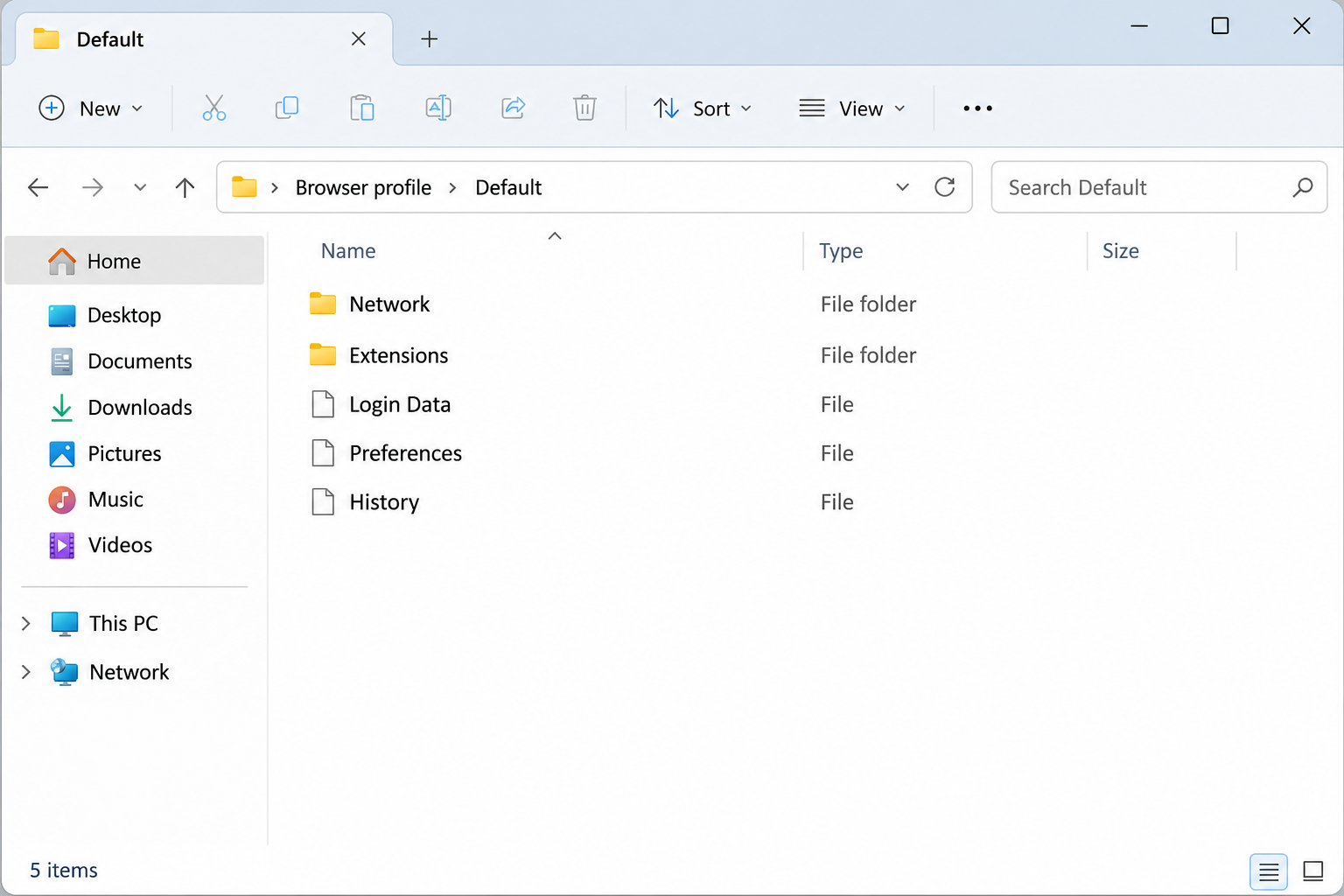
The browser-folder reconstruction illustrates a class of local data, not a captured Remus infection. The listed filenames cannot diagnose malware on your own computer.
Do not delete your browser profile because it resembles the image. That can erase useful data while leaving malicious software or online access untouched.
Similarly, do not upload a complete profile to somebody offering analysis through a private message. It can contain sensitive browsing information and authentication material.
Use scanner reports and qualified support to examine actual suspicious findings. Share only the information needed for that review, through a legitimate support channel.
When New Activity Appears After Recovery
Suppose recovery finished at 2 p.m., then a panel shows a message delivered that morning. That screenshot does not establish access after recovery.
A message first delivered at 3 p.m. would be different evidence. Confirm its delivery and retrieval times, rather than trusting an unexplained panel timestamp.
Give your provider a timeline of changed credentials, revoked access, endpoint cleanup, and later events. Supply relevant reports without disclosing passwords or verification codes.
Check whether recovery changes were made on a still-compromised device. If so, protect the account again from a trusted environment while the original endpoint remains isolated.
Review overlooked access and mailbox settings with the provider or administrator. Avoid declaring a new vulnerability before those ordinary recovery questions have been examined.
AdGuard can help reduce some malicious-advertising exposure during browsing. It cannot revoke mailbox access, remove forwarding rules, or replace the Windows remediation and account checks.
Frequently Asked Questions
Has Remus demonstrated a Gmail zero-day here?
The cited reporting does not establish that conclusion. Its persistence claim lacks a controlled fresh-message result after comprehensive recovery and a verified technical explanation.
Should I still change my Google password?
Change an exposed password from a trusted device and use a unique replacement. Continue with device, application-access, recovery-method, and mailbox-setting checks rather than stopping there.
Does shutting the browser stop every form of account access?
A closed browser is not a universal sign-out or revocation action. Review access through the provider’s own controls and investigate unfamiliar activity.
Can a scanner remove an unauthorized forwarding rule?
Device scanning and mailbox administration are separate tasks. Inspect forwarding and other account settings directly, even after a scan completes without further detections.
Does receiving a warning about Remus prove infection?
A message alone does not establish that the malware ran. Preserve the warning and assess actual device alerts, executed files, and account activity.
Should I pay someone promising guaranteed Gmail recovery?
Do not share passwords, verification codes, or payment with an unsolicited recovery contact. Use Google’s legitimate recovery process or your organization’s established administrator.
The Bottom Line
Do not let Remus Stealer marketing convince you that recovery is pointless. Its stronger Gmail-persistence claim remains unproven, while device and account exposure require prompt action.
If Remus may have executed, isolate the device and recover access elsewhere. Change credentials, revoke unwanted access, and inspect mailbox settings before trusting the affected environment again.

Join the discussion
0 commentsShare your experience or ask a question about this article.
Community experiences
Did this happen to you?
Your experience could help someone recognize the same scam. Submit a private report for our team to review.
I experienced this tooReports are reviewed before publication. Sharing publicly is always your choice.
Discussion
Start the conversation
Have a question or something useful to share? Add the first comment.