


An electronic invoice is the sort of thing you might open while finishing another task. A supplier’s name and a familiar abbreviation can make it feel like ordinary paperwork.
If the file opened in an unexpected way, put the payment on hold. You can verify the invoice without asking the sender to resend the same download.
Overview
Banana RAT borrowed the language of real Brazilian invoices
Banana RAT is a Windows banking Trojan researched by Trend Micro. The reported campaign targeted Brazilian users and made a Windows program look like something related to an electronic invoice.
NF-e is a real abbreviation for Brazil’s electronic invoice system. That doesn’t make a file safe to run just because its name sounds like an instruction to consult an invoice.
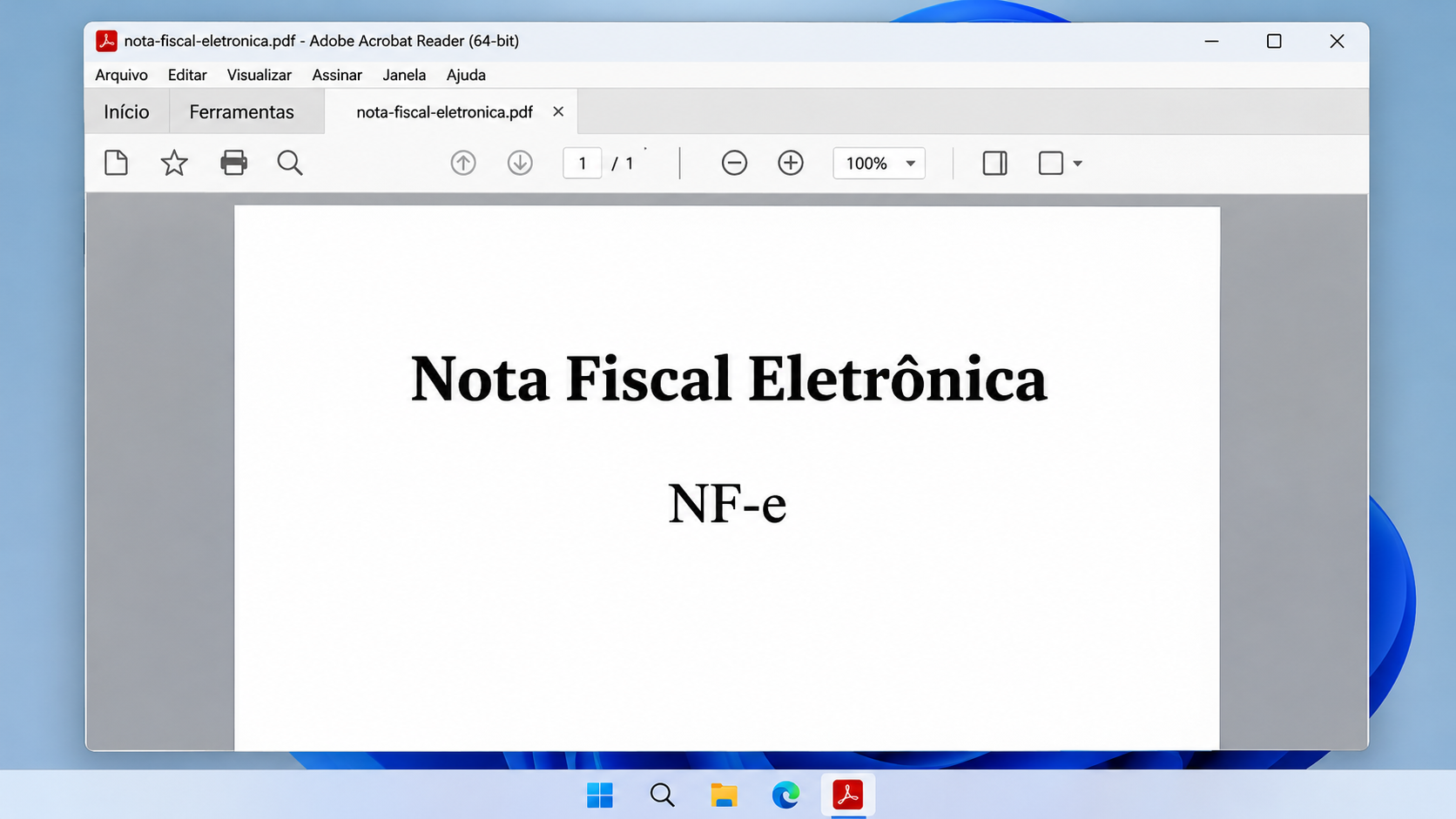
The lead image shows a fictional document, not the malicious download. A genuine business record and an executable named to resemble one are different things.
If someone sent it by WhatsApp, verify the invoice through the supplier’s known contact and your own purchase records.
The person sending the link does not get to authenticate the file.
The payment risk isn’t limited to credentials
Trend Micro observed the malware’s ability to interfere with the Windows desktop and show false screens while an operator worked.
A confusing bank window can matter even without a password disclosure.
The research also identified a feature targeting Pix QR codes. A code or payment destination on an affected screen might not match the one the supplier intended to send.
That is not evidence that Pix or the targeted banks were hacked.
It describes interference on a customer’s computer, before or during the customer’s interaction with an otherwise legitimate payment service.
Check any payment with the provider used to send it. The name shown on the payment confirmation and the recipient the supplier independently verified are useful comparison points.
Decide which part of the incident you need to report
- Report the message if you saw it but did not open a file.
- Record whether you downloaded, opened, or actually ran the supposed invoice.
- Stop using the affected Windows computer to confirm Pix or other transfers.
- Tell the bank if a payment destination changed or a transfer wasn’t yours.
- Ask your organization whether any other staff received the same file before resuming payments.
Not every unexpected QR code has the same cause. A new supplier record, an unsafe computer, and an impersonated message each leave different evidence.
How an Electronic Invoice and Its Payment Details Fit Together
A real invoice comes from the supplier or its authorized billing system. An electronic invoice can be valid even when a separate message supplies a suspicious way to pay it.
If you do not already have a trusted copy, ask the supplier to point you to the official document it issued.
Use contact information you had before the unexpected message arrived.
Match the invoice to your order or contract without opening the questionable file.
If the supplier does not recognize the record, flag the message for accounts payable rather than trying alternative links.
How the Banana RAT Infection Happens
Step 1: A payment-related message gives you a reason to open an item
The documented lure invited recipients to consult what looked like a Brazilian electronic invoice. Researchers described distribution through messaging and phishing links rather than a legitimate NF-e service.
A supplier can contact you about a real balance while an unrelated fake message arrives nearby. Confirm the invoice number and sender through your established accounts-payable process.
If a business contact claims the file is urgent, call the number already in your records. Don’t rely on a new number written in the same message.
Step 2: The invoice download turns out to be something Windows can run
A Windows batch file is a program, not the invoice itself. A familiar file name or icon doesn’t tell you whether you are looking at a document.
In File Explorer on Windows 11, select View > Show > File name extensions if you want to see the actual suffix. Don’t open the suspicious item to check it.
If the company manages your PC, report the item through its phishing process. The support team may need the original message and the approximate time of the attempted open.
Step 3: The attacker can interfere with what you see
When the malicious item runs, the Trojan can give someone remote control over the computer. The researchers describe screen overlays and behavior that can interfere with ordinary use.
An apparent update is not a reason to approve a transfer you can’t see.
If the screen changes while money is moving, stop and use another device to contact the bank.
Don’t try to finish the transaction just to see whether the recipient is correct. The provider can check the actual records without relying on the affected screen.
Step 4: A Pix transaction can end up at an unexpected destination
The documented functionality includes interference with a Pix QR image. The useful comparison is between the intended recipient and the name or institution shown by your trusted payment app.
If you haven’t approved the transfer and the recipient doesn’t match, leave it unconfirmed. Ask the supplier for current details through a separate verified route.
If you already approved it, give the bank the actual transaction receipt and describe why you now dispute it.
Waiting for a virus scan does not start the bank’s reporting process.
What to Do if Banana RAT May Have Affected a Payment
-
Stop accounting work on the affected Windows PC. If you think the unsafe item ran, disconnect Wi-Fi or Ethernet and use a known-clean device for calls and messages.
Tell your work support team about the message before deleting files or rebooting. It may need to find other people who received the same attachment.
-
Contact the institution that sent the payment. Use its real app on a trusted device, a known phone number, or its established business support channel.
Give it the time, amount, transaction identifier, and recipient shown on the original receipt. Explain whether you approved a different recipient than you intended or did not initiate it.
-
Ask about Brazil’s Pix fraud-dispute process. In a genuine banking app, open the Pix transaction history, select the suspicious transfer, and look for the bank’s dispute or fraud option.
If you do not see the option, contact the bank’s support and ask how to request the Mecanismo Especial de Devolução, known as MED.
Ask promptly, even if the payment is recent.
Banco Central’s Pix fraud guidance explains that process. Asking for a review does not guarantee that the money will be returned.
-
Check whether the invoice was really issued. Reach the known supplier and confirm the document and payment destination through independent records.
A valid invoice does not prove the separate message was genuine. If accounting needs to pause or reissue a payment, make sure everyone uses the verified instructions.
-
Protect access that could have been visible on the PC. From a trusted device, review your email, online banking, and other accounts used when the program may have run.
Ask your bank which sessions, device registrations, or saved beneficiaries it wants reviewed. Don’t try to handle exposed wallet secrets from the same computer.
-
Preserve evidence that helps resolve the incident. Save the message time, the alleged invoice name, the bank case number, and the disputed recipient details in a safe place.
If money was sent through a different payment system, ask that provider about its own dispute route. A Pix procedure does not reverse card, bank wire, or crypto payments.
How to Remove Banana RAT From Windows
Step 1: Check Windows Security and keep an incident record
On a personal PC, open Windows Security, choose Virus & threat protection, and select Protection history. Look for results around the time you received or ran the invoice file.
Use Microsoft’s explanation of Protection History to distinguish a block from a detection requiring action. Do not restore an item Windows quarantined.
Tell your organization’s support team if a new task, unfamiliar program, or security prompt appeared. Don’t remove system items purely because you don’t recognize their names.
Step 2: Use a trusted Windows installer for the second check
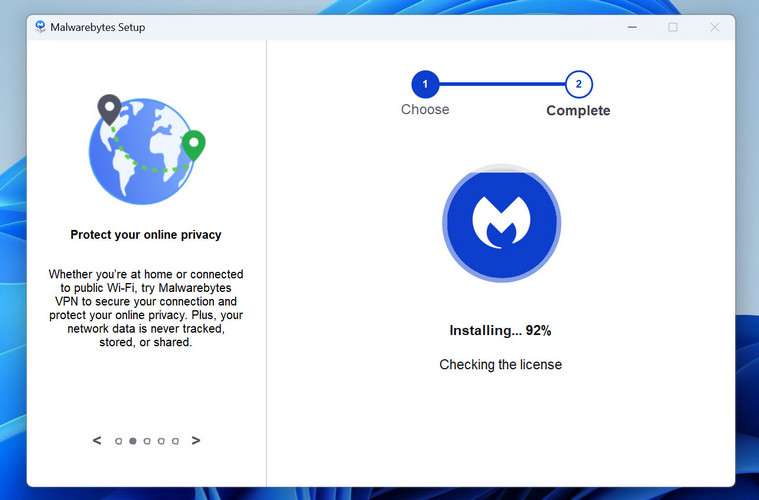
For a personal computer, use the verified Malwarebytes for Windows installer. Download it through a clean device if the possible infection requires staying offline.
Follow the standard setup prompts and verify the publisher. If the machine belongs to your employer, stick to the tools its administrator tells you to use.
Step 3: Run the scan and follow through on its findings
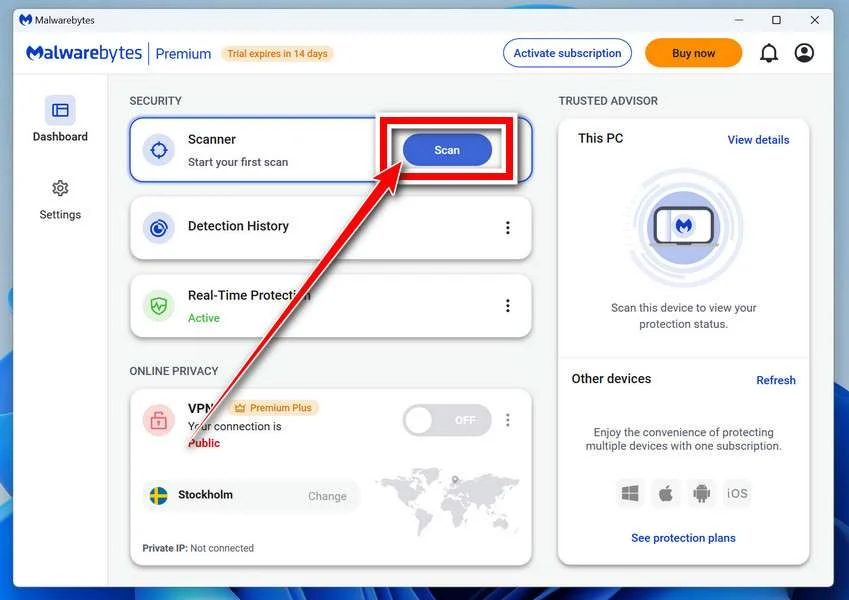
Open Malwarebytes and select Scan on the dashboard. Wait for the result, then inspect the reported items and use the quarantine controls for verified threats.
Restart when requested on a personal device. When it returns, open detection history and check whether the same problem has come back.
If an identified detection keeps returning, put the PC back out of service and ask for help.
A recurring item after a restart is not solved by closing the scan window.
You can consider the optional Malwarebytes Premium affiliate offer after the scan. The bank, not the scanner, handles a payment you need to dispute.
Step 4: Check the system before returning to payment work
Apply Windows and browser updates through their official settings. Review any confirmed unexpected startup items with a technician rather than guessing what your system needs.
Once you have the evidence you need, remove remaining copies of the false invoice download from your personal machine. Do not put the package in a shared backup.
Persistent findings or ongoing screen interference need more help. Use the MalwareTips support forums or a trusted technician without posting bank records publicly.
Step 5: Reopen payments with a verified recipient record
When support clears a device for reuse, compare the next planned payment with the supplier record you verified. Read the destination on the actual approval screen before confirming.
Confirm any changed details outside the conversation that proposed them.
A company with more than one staff member can assign the independent check to someone who didn’t receive the original message.
Keep monitoring the dispute until the bank tells you which transaction it investigated. Don’t treat a return of device access as proof that the payment issue has been resolved.
Prevent the same invoice from being paid twice
When an incident interrupts a payment, staff may start again before the first result is clear. Check the original payment history before sending another one through the verified route.
Write down whether the first transfer went to the supplier’s actual account, to an unexpected recipient, or stayed pending.
Give the bank the details instead of relying on a chat acknowledgment.
If someone advises sending a second payment, ask what the supplier record and bank record show.
An email author can’t resolve a payment mismatch by saying that another transfer is required.
An internal approval record should identify who checked the destination. That makes a later investigation easier if two people handled the same invoice at different times.
Record the screen behavior without pretending it proves a transfer
If the affected screen was covered or stopped responding, say when that happened relative to the payment. The bank may have a different timestamp for the actual authorization.
Save an existing screenshot only if it doesn’t show a code or sensitive account details. Don’t recreate the payment request so you can take a better picture.
Compare the sender and recipient names against a real receipt from the trusted bank app.
A picture shared in the suspicious conversation is not enough to authenticate where the money went.
If you dispute a payment, record the fraud reference and next contact date. Use the bank’s own channel to check the status rather than responding to an unexpected recovery message.
Frequently Asked Questions
Is an NF-e invoice automatically dangerous?
NF-e is an ordinary Brazilian electronic invoice standard. The documented deception used invoice wording to make an unrelated Windows file look like something that would show a record.
Can I be infected by simply reading a WhatsApp message?
The researched delivery involves a file that can run on a Windows computer. Viewing a message isn’t the same action as launching the downloaded item.
What if the supplier says the QR code is correct?
Check the recipient your payment app actually shows from a clean device. If it doesn’t match the independently confirmed recipient, don’t send the transfer.
Does a dark screen mean someone made a transfer?
No screen by itself establishes that a transfer occurred. Check the real transaction history from a separate device and report unfamiliar activity to the bank.
Can I use MED for any Pix disagreement?
The mechanism is for eligible cases such as suspected fraud, not every disagreement about goods or services. Ask the bank which process applies to the specific payment.
Will deleting the original file remove Banana RAT?
Deleting the download prevents someone from opening that copy again. If the program ran, check the system separately and review the accounts you used while it was affected.
The Bottom Line
Don’t launch a Windows program to view an invoice. Check the NF-e and any payment instructions through the supplier and your own trusted records instead.
If the file ran, move your financial activity to a safe device. Report questionable payments promptly, then complete the Windows cleanup before returning to normal work.

Join the discussion
0 commentsShare your experience or ask a question about this article.
Community experiences
Did this happen to you?
Your experience could help someone recognize the same scam. Submit a private report for our team to review.
I experienced this tooReports are reviewed before publication. Sharing publicly is always your choice.
Discussion
Start the conversation
Have a question or something useful to share? Add the first comment.